Tonight, a little astronomy-related drama!
North America will have a blood worm moon this week. Here’s how you can see it
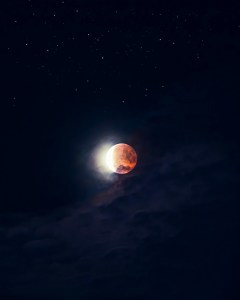
Late Thursday night or Friday early morning, North Americans with clear skies can look up to see a full moon with a beautiful reddish hue.
What to know about March’s full “Blood Worm Moon,” a total lunar eclipse
March’s full moon, known as the Worm Moon, will pass into Earth’s shadow on the night of March 13, or early on March 14, depending on the time zone, according to NASA. This eclipse will be visible from Earth’s Western Hemisphere.
While the peak of the eclipse will happen in the middle of the night (my time, at least), we should be able to see the event begin as the red(dish) moon rises around 7pm.
Why red? The color can vary based on the Moon’s path and the Earth’s atmosphere. The shade is measured on the Danjon Scale, which is a thing I hadn’t heard of but absolutely needed to know!
Danjon Scale of Lunar Eclipse Brightness
Earth’s atmosphere contains varying amounts of water (clouds, mist, precipitation) and solid particles (dust, organic debris, volcanic ash). This material filters and attenuates the sunlight before it’s refracted into the umbra. For instance, large or frequent volcanic eruptions dumping huge quantities of ash into the atmosphere are often followed by very dark, red eclipses for several years. Extensive cloud cover along Earth’s limb also tends to darken the eclipse by blocking sunlight.
And for fun: Capri Sun Releases a Glow-in-the-Dark Moon Punch
Not fun but interesting: This week’s ‘blood moon’ eclipse mirrors one Christopher Columbus used to scare indigenous people in 1504
Enjoy. I’m hoping for an L3 on the Danjon scale!
* * *


Leave a Reply!