Feeds:
Posts
Comments

Posts Tagged ‘look up’

What are you doing this weekend? Maybe you have plans for an all-night rave this weekend, but if you’re free at some point between the hours of dark Saturday night and dawn Sunday morning, consider the Perseids.

That’s right, it’s that time again, for one of the best shows in the night sky, the Perseid Meteor Shower. And unlike last year, the Moon won’t be crashing the party.

Here’s a time-lapse video from 2021 to whet your appetite:

How to Watch the Highly Anticipated Perseid Meteor Shower | Smart News| Smithsonian Magazine

The Perseids are known to treat viewers to a fantastic display, and coupled with a particularly dark sky, this year’s show is shaping up to be one you won’t want to miss…

During a meteor shower such as the Perseids, Earth passes through a large cloud of debris in space. Right now, the planet is moving amid the rocks and ice left behind by the comet Swift-Tuttle, which last was seen from Earth in 1992. The 16-mile-long comet orbits the sun over a 133-year period, which means it won’t be seen again until 2125. But every August, its remains create the radiant Perseid meteor shower.

/rubs hands in anticipation

This weekend’s Perseid meteor shower is ‘worth staying up for’ | CBC News

While there’s a major meteor shower every month, there’s nothing quite like the Perseid shower for those in the northern hemisphere, with the warm summer nights and better chances of clear skies. And this year, Canada is in a particularly favourable position for the peak night of Aug. 12–13.

And what do you know? I’m in Canada!

Perhaps you’re interested in a bunch of complicated graphs and a cool “activity level” dial? The Global Meteor Network has you covered. 

Meteor shower flux

The dial shows the peak sum of activity from all currently active showers and the sporadic background in the next 24 hours.

More interesting background information:

The 2023 Perseids Meteor Shower – YouTube

Sky & Telescope gives advice on how to watch the 2023 #perseids and explains how the #Perseids are formed in this video. 

Not into staying up late? In that case, I recommend looking for new time lapse video of the weekend event on Monday morning. 

Because this weekend, the best show in the solar system will be right on our doorstep.

* * *

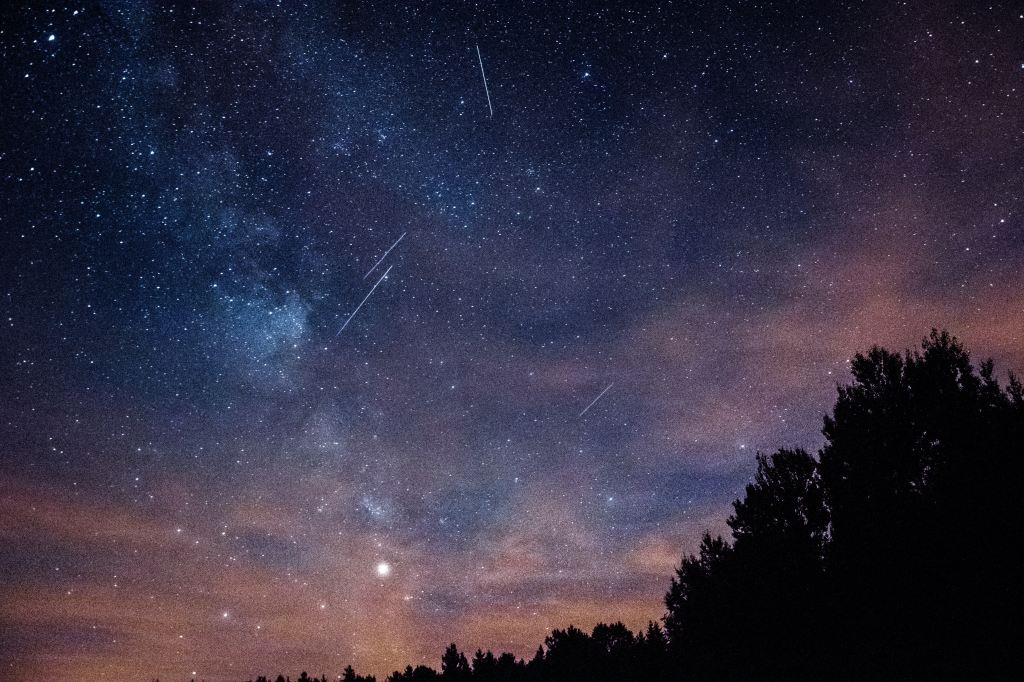
Photo by Michał Mancewicz on Unsplash

Read Full Post »

Let’s give one last shoutout to our visitor from outer space. C/2022 E3 (ZTF), the universe’s charismatic invitation to look up and wonder about our past and our future, is at its closest point to Earth today. That means it will be at its brightest. If the world and weather are on your side, you might be able to see it with the naked eye. Look to the north after sunset. Is it fuzzy? Is it green? It might just be a comet!

Green comet C-2022 E3 (ZTF) will be closest to Earth today | Space

During the comet’s perigee, it will come to within a distance of around 26 million miles (42 million kilometers) from our planet, which is equivalent to about 28% of the distance between Earth and the sun. If you’ve been waiting to get a look at C/2022 E3 (ZTF) before it speeds away, now is your best chance. You can also watch the comet live online on Feb. 1 in a free webcast at 11 p.m. EST (0400 GMT) from the Virtual Telescope Project.

If the weather isn’t cooperating where you are or you have a hard time finding it or you just can’t see yourself outside in the cold, there will be a live webcast tonight. Pour a cup of hot cocoa and wave as The Green Comet flies by!

* * *

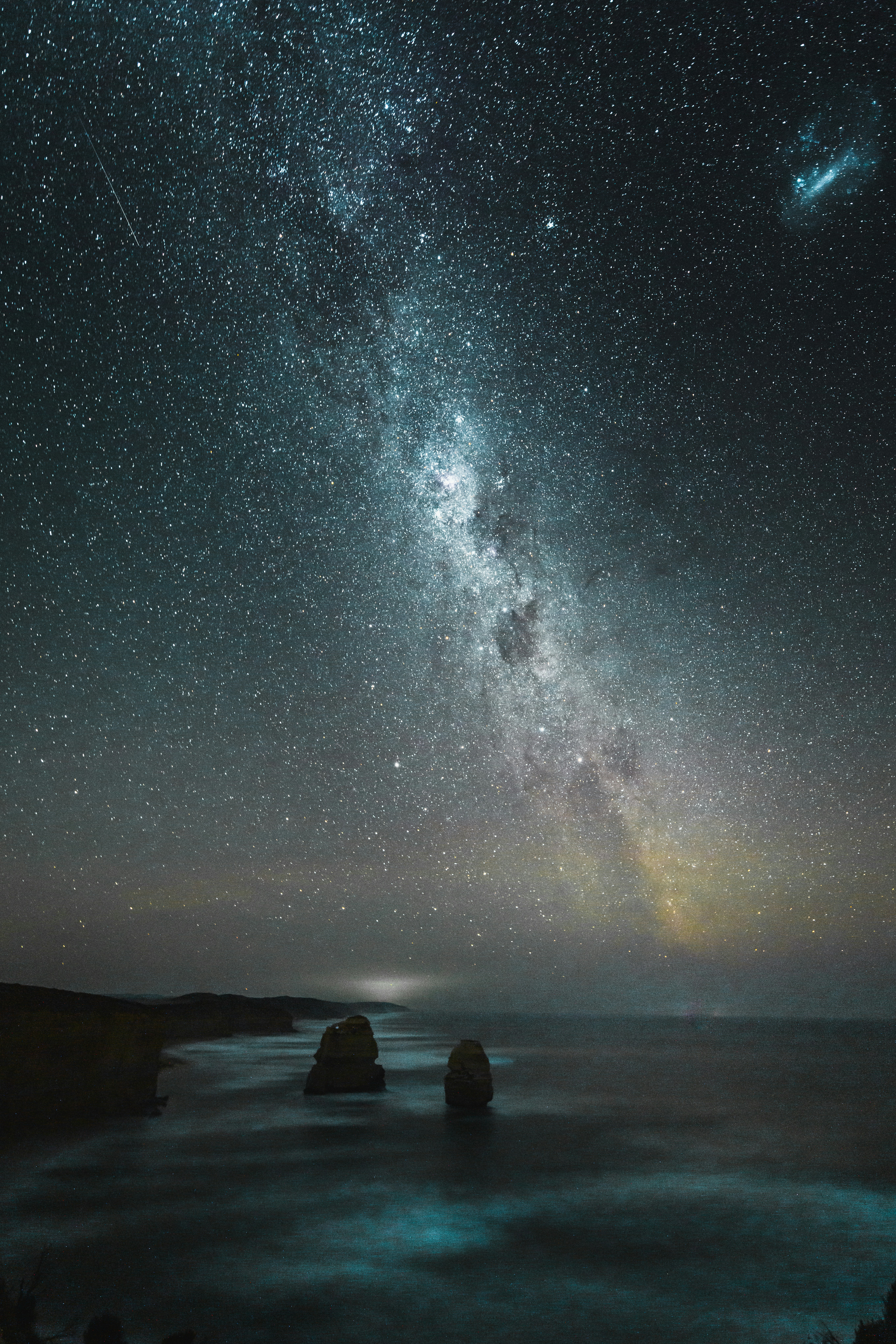
Photo by Junseong Lee on Unsplash

Read Full Post »