Feeds:
Posts
Comments

Posts Tagged ‘meteor shower’

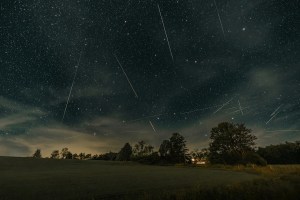
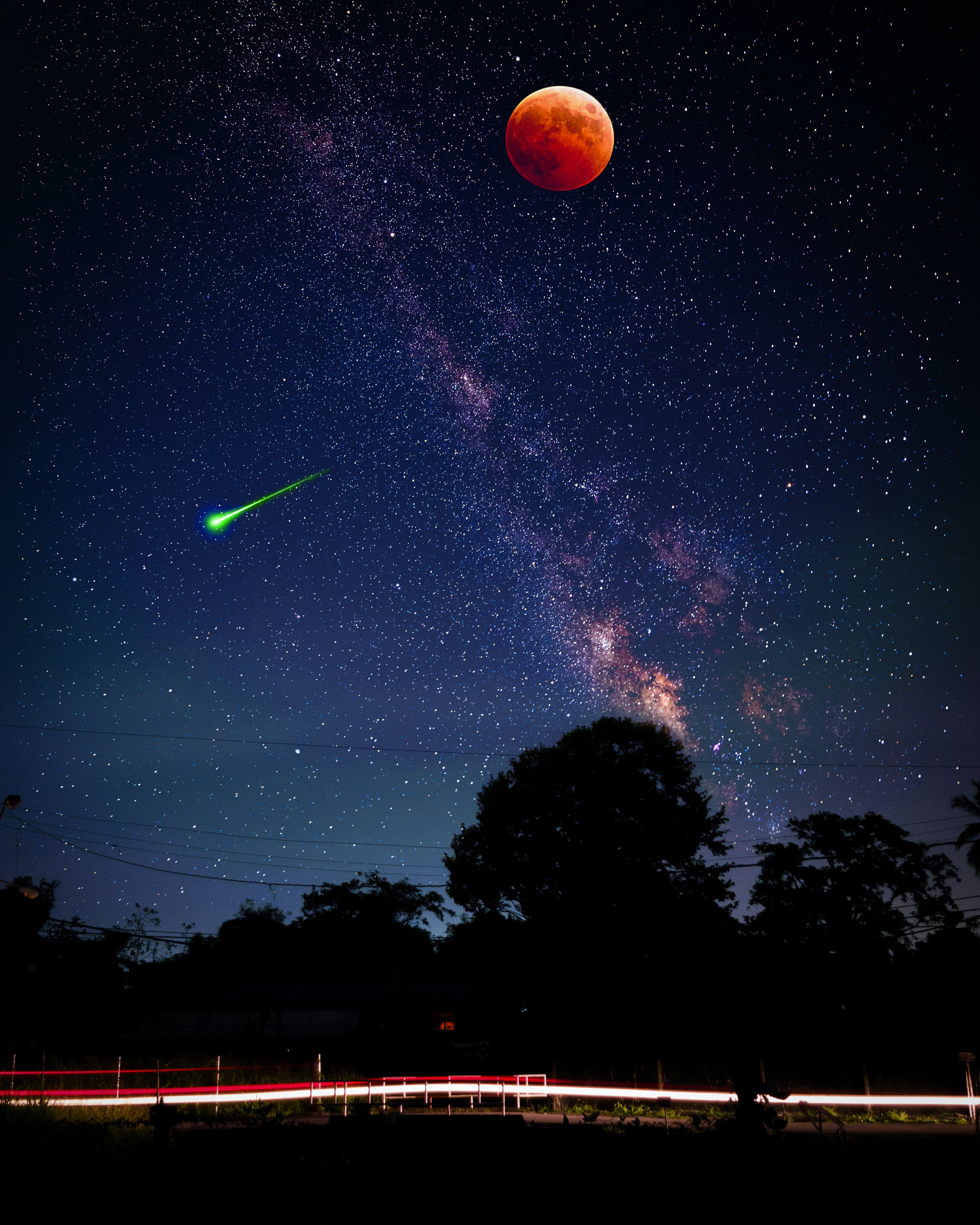
We Earthlings are in the middle of the Leonid meteor shower. It takes place this year from November 6th through the 30th, but will peak overnight tonight. Even better, the moon is only 9% full, so the only competition will be from human light sources. 

Leonid meteor shower: All you need to know in 2025

The Leonid meteor shower is back! Leonid meteors are already flying. The peak is on the morning of November 17.

Love this animation!

Meteor Showers 2025 – 2026 – American Meteor Society

So tonight, if you find yourself in a place with clear skies, look up. 

The Universe is saying hello.

* * *
Read Full Post »

Perseids meteor shower may be a bust; skywatchers’ best bet is this week – NPR

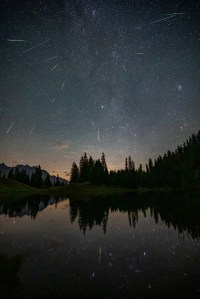
A ritual of summer is gazing up at the night sky in the hopes of seeing meteors, also known as shooting stars, flash across the night sky. While the annual Perseid meteor shower usually gets the most attention, a better bet might be a couple of less-famous meteor showers that will peak on Tuesday night.

It’s summer and that means it’s shooting star time, but what should we do when the astronomical calendar aligns in ways that make it harder to see what is usually one of the best meteor showers of the year?

Don’t give up. Instead, get outside early. Days early.

Peak Perseid will happen August 12th, right around the full moon. All that light will make it hard to see the meteors. 

That doesn’t mean there’s nothing else going on overhead, though. If you can, head out tomorrow night and look up. 

…the moon will be only about 25% full this week, when two meteor showers known as the Southern Delta Aquariids and the Alpha Capricornids reach their peak on the night of July 29 going into July 30.

And mark your calendars for next year’s Perseids, which should be excellent.

* * *

Read Full Post »

We’re coming up on Easter weekend, which often means sugar-crazed energy spikes, loud family gatherings, and other high-energy experiences. If you happen to be an introvert, or just need a break with a bit of science in it, try going outside at night and doing a little meteor spotting.

The Lyrid meteor shower is expected to dazzle the night sky beginning this week

“You’re not going to see meteors from downtown Manhattan or Central Park,” Cooke said. “You need to find the darkest sky you can, you need to lay flat on your back and look away from the moon.”

Give yourself 30 to 45 minutes for your eyes to adjust to the dark, Cooke said — and from there, simply enjoy the show.

And if you’re watching the sky this weekend, you may see the Lyrids overlap with another meteor shower, the Eta Aquariids, which is a thing I just learned about. For more on meteors and their schedules, visit the Meteor Shower Calendar from the American Meteor Society. 

So lay back, relax, and wave hello to these visitors from outer space.

* * *

Read Full Post »

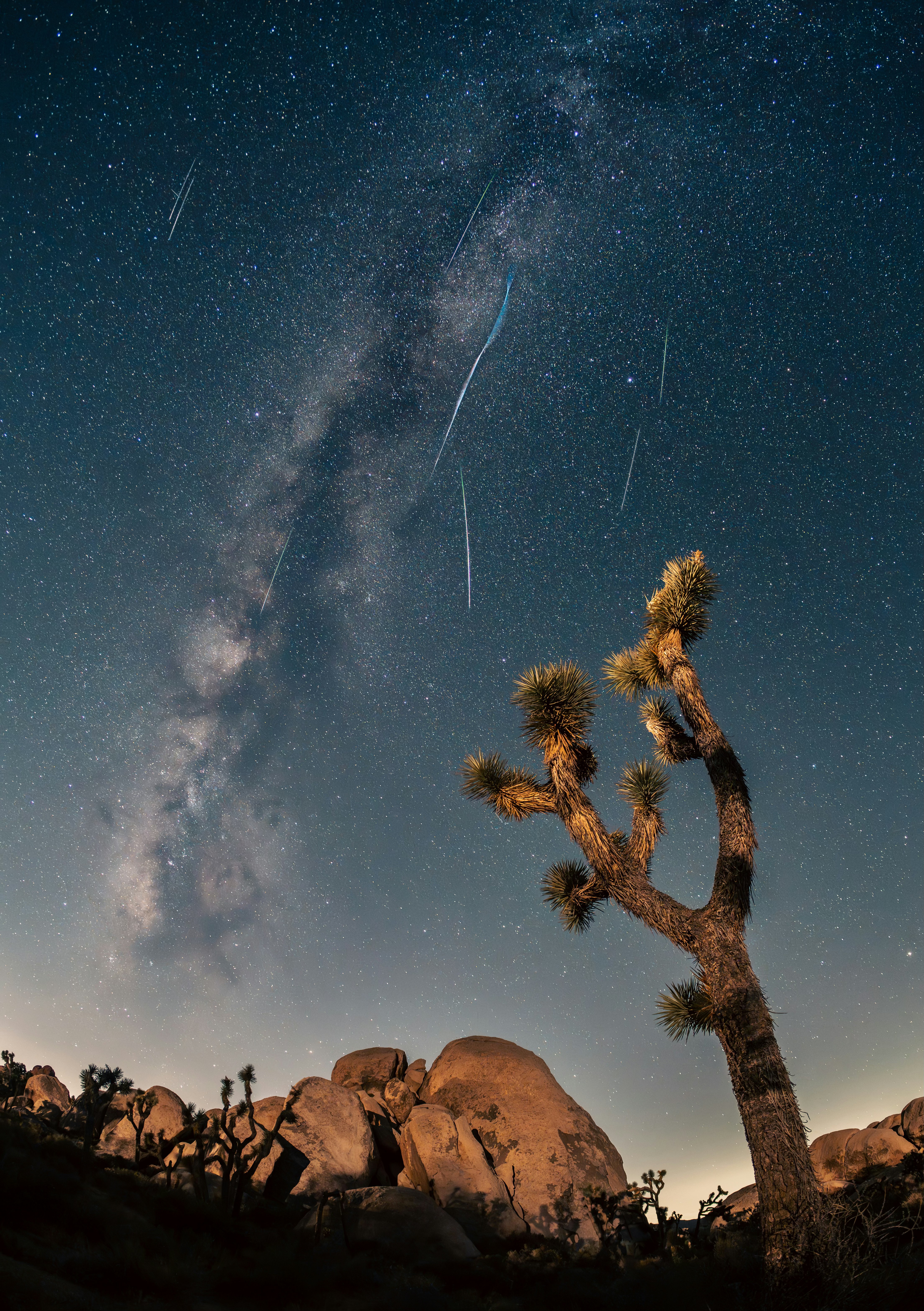
If you happen to live in a place that will have clear skies tonight (or tomorrow), rejoice! It is time for that highlight of the annual meteor shower cycle, the Geminids.

Geminids meteor shower: What to know, viewing tips – NPR

The Geminids, which are bright and have a yellow hue, are considered one of the best and most reliable annual meteor showers, when at least 120 meteors are usually seen per hour during its peak, NASA says. 

The Geminid meteor shower peaks in the middle of December, with the most activity this year expected late Friday and into early Saturday, according to NASA.

Alas, we expect snow and clouds here tonight, but I’m happy knowing that you, dear reader, might have a chance to see one of the most spectacular shows in the solar system.

* * *

Photo by Venti Views on Unsplash

Read Full Post »

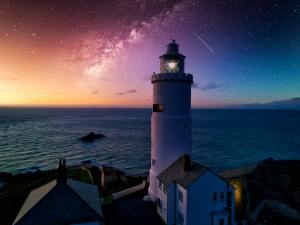
If you’re in North America, you may be treated to a dramatic meteor shower tonight. 

Or, you know, maybe not.

Meteor storm of 1,000 shooting stars per hour possible this week | Space

The Tau Herculids meteor shower may light up the skies over North America on May 30 and 31. Or it may not. There’s a chance we might pass through the thickest part of the comet fragment that is creating the debris, in which case the night skies will be filled with shooting stars.

You can watch the possible tau Herculid meteor shower live online, courtesy of the Virtual Telescope Project. The project’s astrophysicist Gianluca Masi will provide live all-sky cameras from Arizona and Brazil starting at 12 a.m. EDT (0400 GMT) on Tuesday, May 31.

I kind of love that despite all of humanity’s scientific advances, such events can remain a delightful surprise.

* * *

Photo by Red Zeppelin on Unsplash

Read Full Post »

Today’s Astronomy Photo of the Day is a video, two and a half minutes of the Perseid meteor shower as seen from the  Indian Astronomical Observatory in Hanle, India.

Video Credit & Copyright: Vikas Chander & Dorje Angchuk; Music: Tea Time via PremiumBeat

* * *

Watching this takes me back. We would wake up at three in the morning and head to the back yard to watch meteors burn through the atmosphere. I’d anchor myself on Orion, my first and still favorite constellation, then watch the sky for the next magical streak of green.

* * *

Read Full Post »