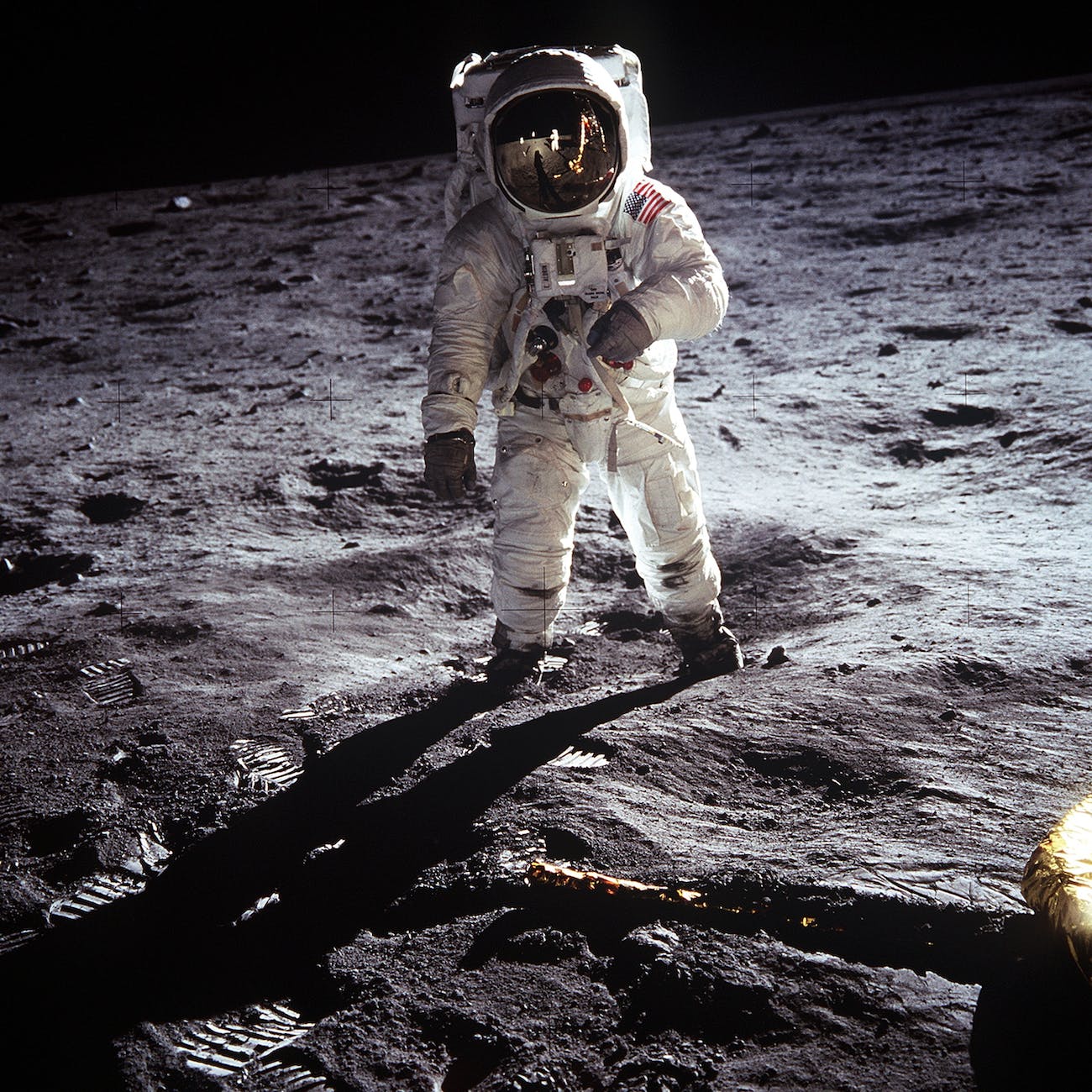
The Artemis moon mission is now underway, which means fun updates like this video flyby of the Moon.
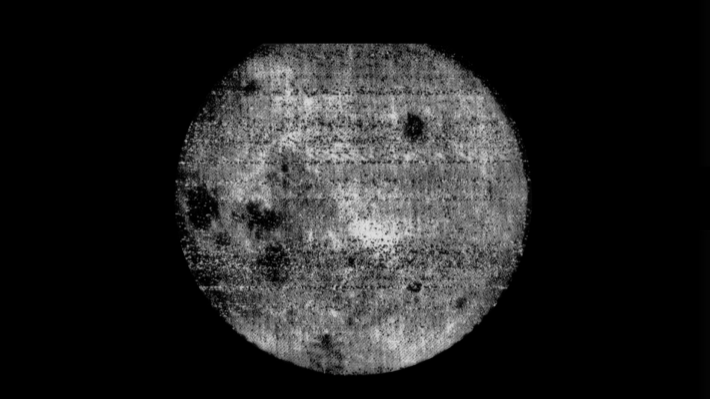
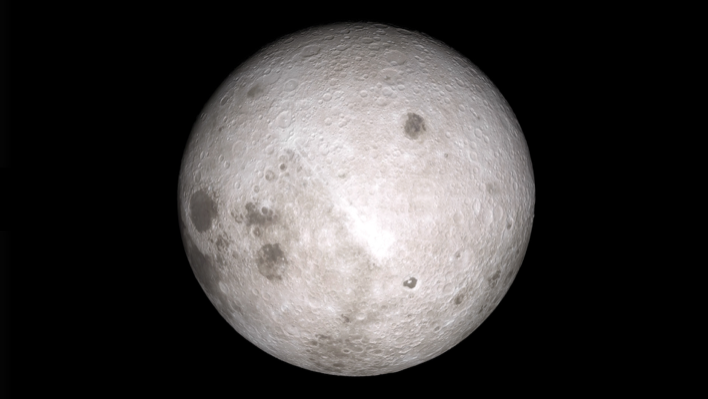
… NASA’s Orion spacecraft performs a close approach of the lunar surface on its way to a distant retrograde orbit, a highly stable orbit thousands of miles beyond the Moon. During the Artemis I flight test, launched on Nov. 16, Orion will travel 280,000 miles (450,000 km) from Earth and 40,000 miles (64,000 km) beyond the far side of the Moon, carrying science and technology payloads to expand our understanding of lunar science, technology developments, and deep space radiation.
Will the Artemis moon mission finally fly? The answer seems to be, “Probably.”* The weather has been challenging but tonight’s forecast looks good. Here’s hoping all goes well tonight!
A successful launch would be a key milestone for NASA’s Artemis program, which aims to put the first woman and first person of color on the lunar surface. The agency has not launched a space vehicle designed to send astronauts to the moon since 1972.
The impact day broadcast of the actual test will start on Monday, September 26 at 6 p.m. EDT, which you can watch on NASA TV, a livestream on NASA’s YouTube channel.
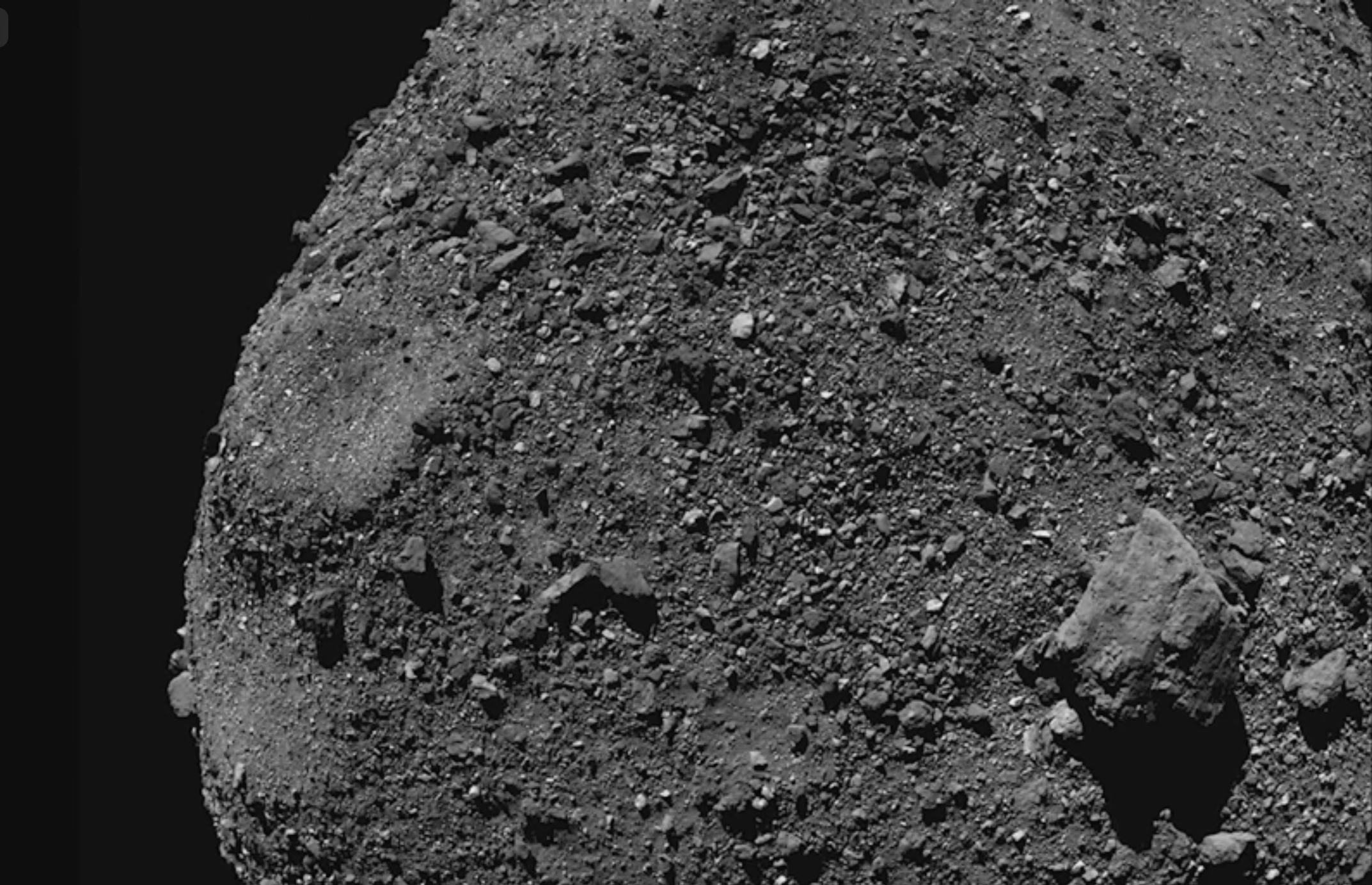
On Monday (Sept. 26), the Double Asteroid Redirection Test (DART) spacecraft will slam into a small space rock called Dimorphos — on purpose, at a staggering 4 miles (6.6 kilometers) per second. The exercise comes in the name of planetary defense, which aims to protect human civilization from any large asteroid that may be on a collision course. For the mission to succeed, scientists need to measure exactly how much the orbit of Dimorphos around its larger companion, Didymos, speeds up. And the DART spacecraft won’t be in any shape to make that measurement itself, so mission personnel are relying on ground-based telescopes to track the aftermath of impact.
If this trial run works, terrific, but even failure would better prepare us to defend Earth.
The space agency will host Artemis 1 launch webcast on Aug. 29 to showcase the uncrewed launch on NASA’s first Space Launch System megarocket from Launch Pad 39B at the Kennedy Space Center in Florida.
As of this writing, live updates have begun. Weather forecasts are good but there is an engine issue. Engineers are working the problem but some delays are expected.
The fact that humanity has been going into space, and to the moon, for decades doesn’t mean it’s easy. And that’s ok.
“I don’t need easy. I just need possible.”
— Katie Bone, 16-year old nationally-ranked athlete and Type 1 diabetic
Nichelle Nichols, Lt. Uhura on ‘Star Trek,’ dead at 89 Nichols was one of the first Black women featured in a major television series, and her role as Lt. Nyota Uhura on the original TV series was groundbreaking: an African American woman whose name came from Uhuru, the Swahili word for “freedom.”
“For the first time, we are being seen the world over as we should be seen.”
Nichelle Nichols showed us all that the future belonged to more than just white men, and then she helped NASA build that future.
“After Apollo 11, Nichelle made it her mission to inspire women and people of color to join this agency, change the face of STEM and explore the cosmos. Nichelle’s mission is NASA’s mission. Today, as we work to send the first woman and first person of color to the Moon under Artemis, NASA is guided by the legacy of Nichelle Nichols.”
She did. We did. And humanity is so much better for it.
“If you can see it, you can be it,” the saying goes. Nichelle Nichols gave millions of people the opportunity to see themselves on the frontiers of science and exploration, boldly expanding human understanding.
She inspired so many of us to reach for the stars. What a legacy.
The dawn of a new era in astronomy has begun as the world gets its first look at the full capabilities of NASA’s James Webb Space Telescope…
NASA has begun to roll out new images from the Webb Telescope. They are (insert understatement here) impressive. This is one example, of the Carina Nebula:
You must be logged in to post a comment.