Type in your name to see it spelled out in Landsat imagery of Earth!
Does what it says on the tin. Excellent!
* * *

Posted in Science!, tagged #365Ways, #365Ways2024, Landsat, satellite imagery, science, space on September 18, 2024| Leave a Comment »
Type in your name to see it spelled out in Landsat imagery of Earth!
Does what it says on the tin. Excellent!
* * *
Posted in Entertainment, Science!, tagged #365Ways, #365Ways2024, NASA, science, space, Thoughts on August 15, 2024| Leave a Comment »
The folder where I keep post ideas is filling up with space stories. Many of them are about Mars, but let’s start with something a little closer to home and go more than 250 miles above Earth to the International Space Station.
NASA’s site has lots of info and fun facts like these.
Did you know that the ISS has been continuously occupied since November 2000? That you can track its position live? Or that the station’s live/work space is larger than a six-bedroom house?
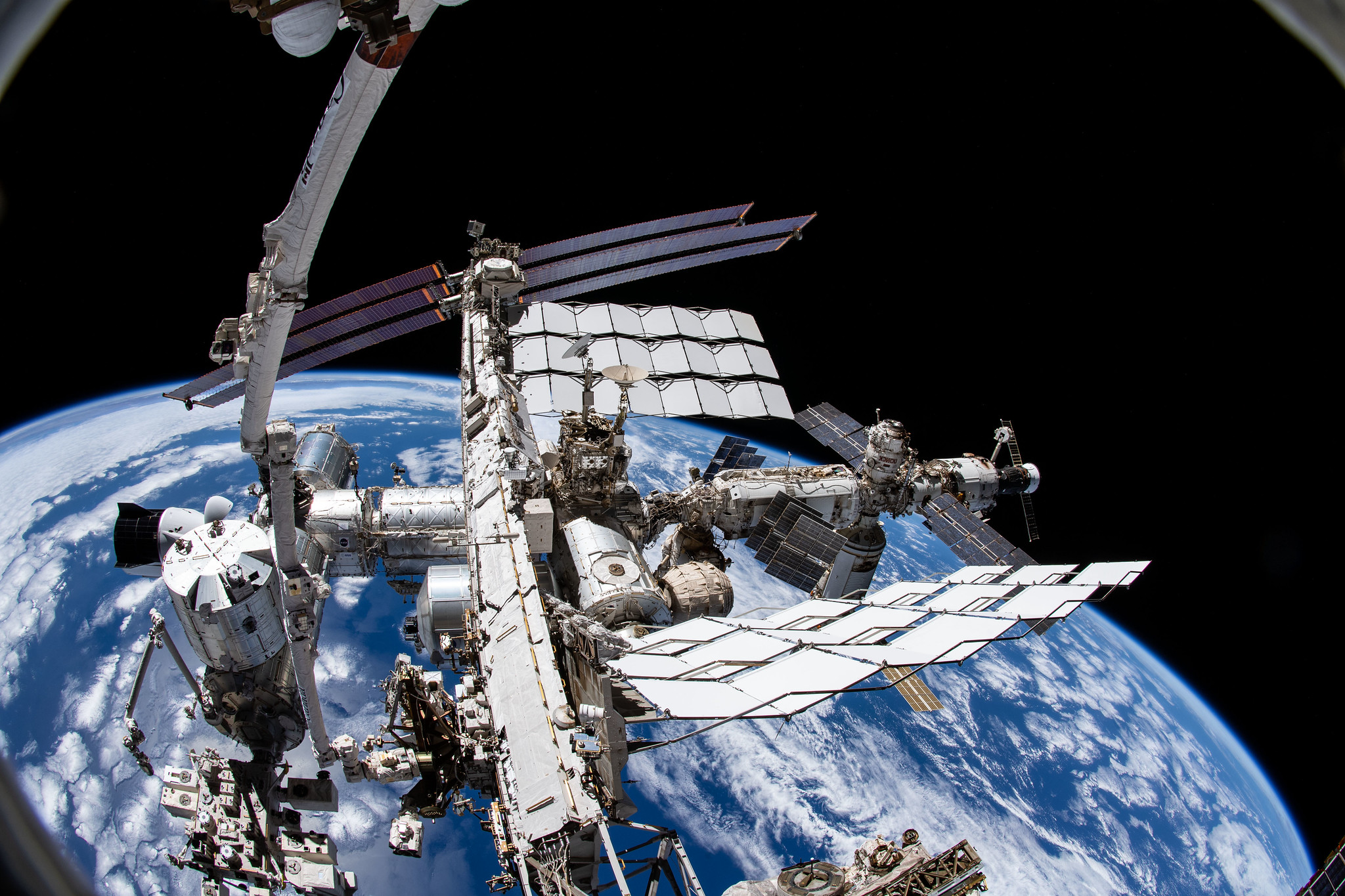
Sounds like the place is downright homey. And that’s a good thing, as Butch Wilmore and Suni Williams, the two astronauts who have been stuck at the ISS due to problems with Boeing’s Starliner spacecraft, will no doubt attest.
How Two Stranded Astronauts Are Camping Out in Space | TIME
Williams’ and Wilmore’s short stay may now not be over until February—stretching an eight-day mission to an eight-month one….
Initially, they were to spend most of their eight days aloft working in the Starliner—checking its communications, life support, power, and other systems. But they long since finished up that checklist and have instead been assisting the rest of the crew with science experiments and maintenance chores, including such unglamorous work as repairing a urine processing pump.
That sounds super fun (actually, it kind of does), but it’s not all work up there. Are they staring out the viewport at Earth, pointing out their house sixteen times a day? Competing in the Space Olympics? (Not a thing, as far as I know, but astronauts do have to exercise two hours a day to maintain muscle mass and general health.) Have they used their spare time to compose a space-themed version of the Gilligan’s Island theme song? (Did I ask AI to do this? Maaaaaybe. But if I did, it wasn’t very good.)
Speaking of television, perhaps they’re catching up on their favorite shows. Did you know that astronauts can binge-watch just like the rest of us?
Every TV Show Astronauts Can Watch on the ISS Right Now
There are, of course, space-themed shows like Hulu’s The First with Sean Penn from 2018, the critically acclaimed alt-history drama For All Mankind, and the Trump-era comedy Space Force. Other new series include Book of Bobba Fett, The Crown, and the cooking show Chopped. Other sci-fi series include Andor, Star Trek Discovery, Firefly, and Battlestar Galactica.
Still no word on who gets to hold the remote.
* * *
Posted in Science!, tagged #365Ways, #365Ways2024, astronomy, science, space on June 2, 2024| 1 Comment »
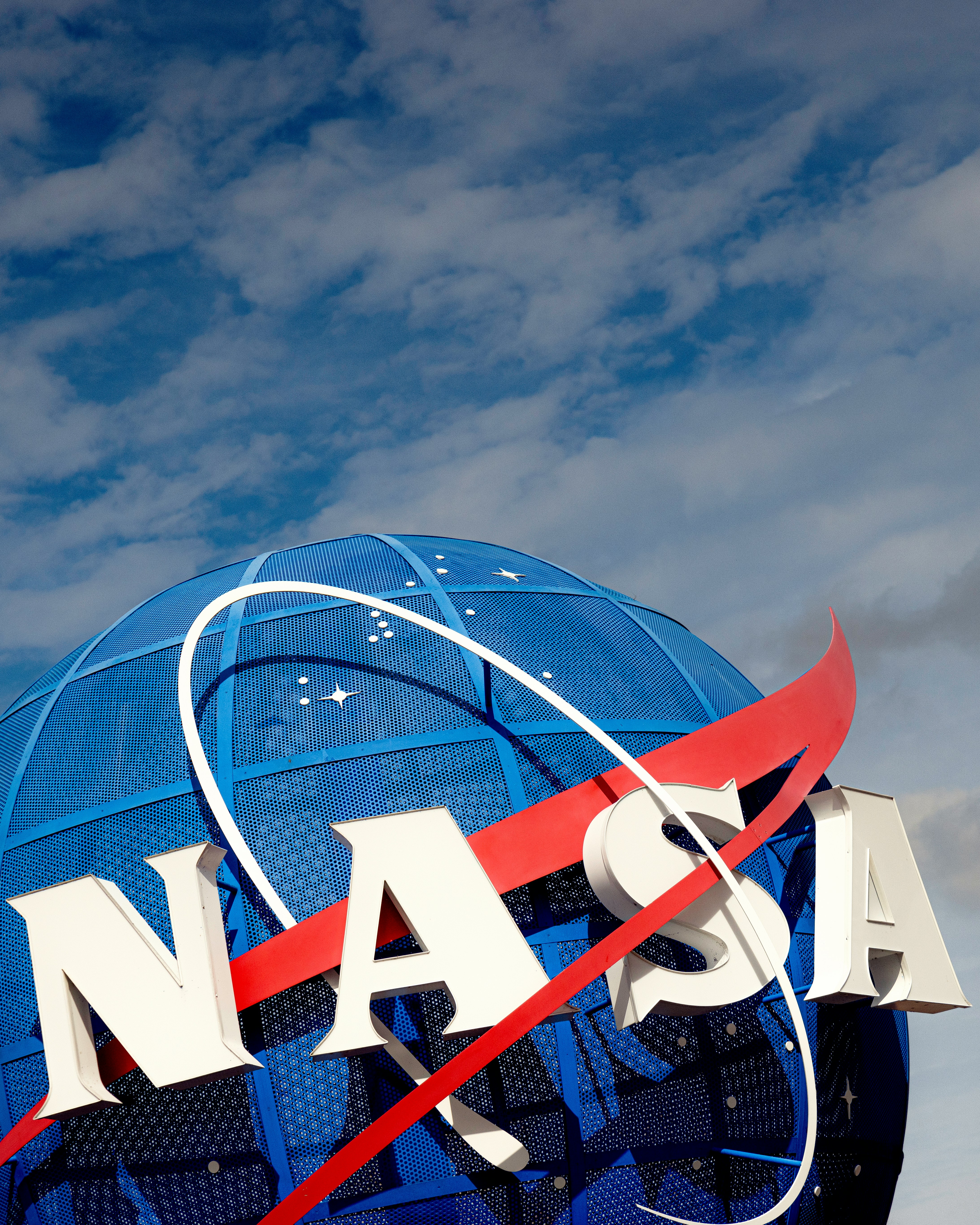
Apologies for the late notice but this is a public service announcement. Please be aware that there will be a parade in your neighborhood about twenty minutes before sunrise, on the morning of June 3rd, and everyone is invited!
Planet Parade 2024: How To See Rare Celestial Event
This rare event, often referred to as a “planet parade,” will occur on June 3, 2024, and feature Mercury, Mars, Jupiter, Saturn, Uranus, and Neptune all lining up close together.
Unfortunately, most of the planets won’t be visible to the naked eye, but it’s fun just to know that it’s happening.
* * *
Posted in Science!, tagged #365Ways, #365Ways2024, astronauts, NASA, space, space exploration on May 15, 2024| Leave a Comment »
What’s in an astronaut’s closet? (And seriously, how do scratch your face in one of those things?)
All this and more answers to your space-suit-related questions below!
* * *

Posted in Science!, tagged #365Ways, #365Ways2024, #ThanksIngenuity, inspiration, invention, Mars, NASA, science, space on January 27, 2024| Leave a Comment »
If you’ve seen any space news this past week, you may already know that Ingenuity, the adorable little helicopter that has exceeded all expectations in its exploration of Mars, has ended its mission.
After Three Years on Mars, NASA’s Ingenuity Helicopter Mission Ends – NASA
Originally designed as a technology demonstration to perform up to five experimental test flights over 30 days, the first aircraft on another world operated from the Martian surface for almost three years, performed 72 flights, and flew more than 14 times farther than planned while logging more than two hours of total flight time.
Ingenuity arrived on Mars with the Perseverance rover almost two years ago. It began as a limited technology demonstration but quickly became a scout for the rover’s mission and a fan favorite. Now, after 72 flights, a difficult landing has caused irreparable damage to its rotor blades.
Here’s what NASA Administrator Bill Nelson had to say about the end, and what the plucky little project managed to accomplish.
* * *
Ingenuity, and its swatch from the original Wright flyer, will remain on the Martian surface as a testament to how far we’ve come.
“That remarkable helicopter flew higher and farther than we ever imagined and helped NASA do what we do best – make the impossible, possible.”
— Bill Nelson, NASA Administrator
This weekend join me in raising a glass to the first powered, controlled flight on another world, and to the little ‘copter that could.
Thanks, Ingenuity.
* * *

Posted in Science!, tagged #365Ways, #365Ways2024, inspiration, Mars, MarsCuriosity, NASA, science, space, Thoughts on January 8, 2024| Leave a Comment »
It’s Monday, I’m back at work, and while things are moving along fine I’d be lying if I said I didn’t wonder what a day in space would be like instead.
Let’s take a little break and go to Mars, shall we?
NASA’s Curiosity Rover Captures a Martian Day, From Dawn to Dusk – NASA Mars Exploration
Rover drivers normally rely on Curiosity’s Hazcams to spot rocks, slopes, and other hazards that may be risky to traverse. But because the rover’s other activities were intentionally scaled back just prior to conjunction, the team decided to use the Hazcams to record 12 hours of snapshots for the first time, hoping to capture clouds or dust devils that could reveal more about the Red Planet’s weather.
* * *

Posted in Science!, tagged #365Ways, #365Ways2023, space on December 13, 2023| Leave a Comment »
Did this post start out life as a path to a map of sci-fi story locations in space? It did, and then I realized that in my haste, I’d picked a draft I’d already posted before.
It happens, especially on days when one is juggling not one not two not three but four big projects, and one has absolute reams of notes in the “blog post ideas” folder.
So now I’m here with an update, still space-related but also experiential. It has to do with the Geminid meteor shower.
Bundle up and look to the sky: It’s time for one of the best meteor showers of the year
The shower will be at its peak on Wednesday night and early Thursday morning, though you’ll likely see some meteors in the nights before and after…
“The meteors will seem to shoot out of the constellation Gemini (hence the name) but could streak across pretty much any part of the sky,” Wiegert said. “So if you can find a dark place, with a good view of the sky in any direction, you could get a good view of the Geminids.”
Happy hunting!
* * *

Posted in Science!, Writing, tagged #365Ways, #365Ways2023, astronomy, inspiration, learn-astronomy, science, space, studying-space on December 5, 2023| Leave a Comment »
Why isn’t there any sound in space? An astronomer explains why in space no one can hear you scream
In space, no one can hear you scream.
You may have heard this saying. It’s the tagline from the famous 1979 science fiction movie “Alien.” It’s a scary thought, but is it true? The simple answer is yes, no one can hear you scream in space because there is no sound or echo in space.
I’m a professor of astronomy, which means I study space and how it works. Space is silent – for the most part.
University of Arizona Distinguished Professor of Astronomy Chris Impey explains the science behind the Alien tagline, showcases slinkies as sound waves, and discusses why humans can’t speak across space but phenomena like galaxies and black holes can.
Also, a fun fact I did not know: “The word vacuum comes from the Latin word for empty.”
* * *

Posted in Science!, tagged #365Ways, #365Ways2023, astronomy, cool tools, curling it's a thing!, NASA, science, space on December 1, 2023| Leave a Comment »
What’s happening in the night skies this month? I have no idea, actually, but this calendar does!
Astronomy Calendar for December, 2023 for Ottawa, Canada
Welcome to NightsOnEarth.com, a customizable, free astro-calendar to help you plan your stargazing, created by photographer Phil Mosby.
Click on any day and then on Settings to specify your location.
What’s this? The Pheonicid Meteor Shower will be visible starting tomorrow night and showcases meteors seemingly coming from the Phoenix constellation?
Cool cool cool. And what’s the Phoenix constellation? (Clicks on “learn more” and voila: Pheonicid meteor shower 2023).
Although that particular arrangement of stars isn’t saying phoenix to me so much as… curling stone.
* * *
Posted in Science!, tagged #365Ways, #365Ways2023, astronomy, discovery, feels like magic, science, space on September 12, 2023| Leave a Comment »
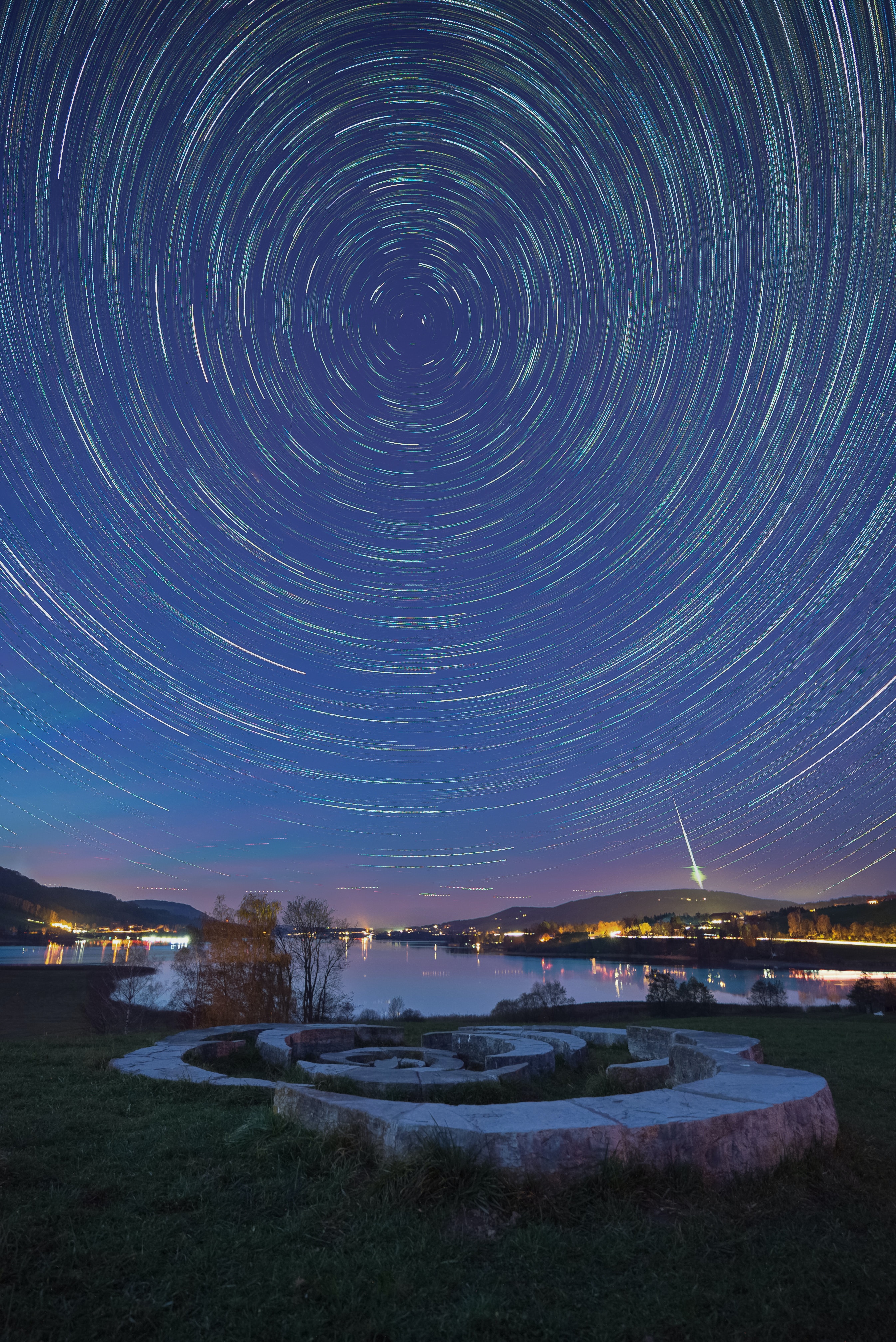
This week, you have a once-in-a-430 year chance to see a new comet. Comet Nishimura was just discovered last month, and will be gone by the end of the week.
Nishimura green comet: what is it, how to see it and when it will be back – NPR
Scientists determined that this comet takes about 430 years to orbit the sun.
So the last time it was visible from Earth was in the late 1500s — before Galileo Galilei pointed his telescope to the sky.
The last time this comet came through these parts was just a few years before Galileo invented his telescope. The comet was discovered just last month, by an amateur astronomer named Hideo Nishimura.
There are good images of the comet as well as detailed location information here: The new comet Nishimura is closest to Earth today.
I should have posted this a few days ago, because the comet is now passing us. If you’re interested, the comet is visible this week with binoculars or a telescope, but only with effort and only from the northern hemisphere. Try looking toward the east, low on the horizon, before sunrise, and look for the constellation Leo.
I don’t have good binoculars or a telescope, but that’s fine. It’s enough for me to know that this comet, and so many other fascinating objects, are still out there.
Waiting to be discovered.
* * *


You must be logged in to post a comment.