Feeds:
Posts
Comments

Posts Tagged ‘history’

Writers are known for their weird web histories, and I am no exception. Today, I’ll highlight just one of the many oddities I have come across lately. In case you are a writer. Or are the curious sort.

The official CIA manual of trickery and deception

The manuals reprinted in this work represent the only known complete copy of Mulholland’s instructions for CIA officers on the magician’s art of deception and secret communications written to counter Soviet mind-control and interrogation techniques

I found the reference after reading this newsletter, featuring a little magic and some talking shoelaces. 

These Shoes Are Made for Talking – Now I Know

So in 1953, according to the BBC, the CIA hired a man named John Mulholland to help, paying him $3,000 (the equivalent of $35,000 today) to write the first-ever “CIA Manual of Trickery and Deception.” Mulholland, though, wasn’t a spy — he was a magician. The manual outlined lots of different ways CIA agents could use the principles of illusionists to help them survive in the field and advance their goals.

I wondered, was the book still available? And lo, it was!*

* Free to read with login.

* * *

Photo by Mark Rabe on Unsplash

Read Full Post »

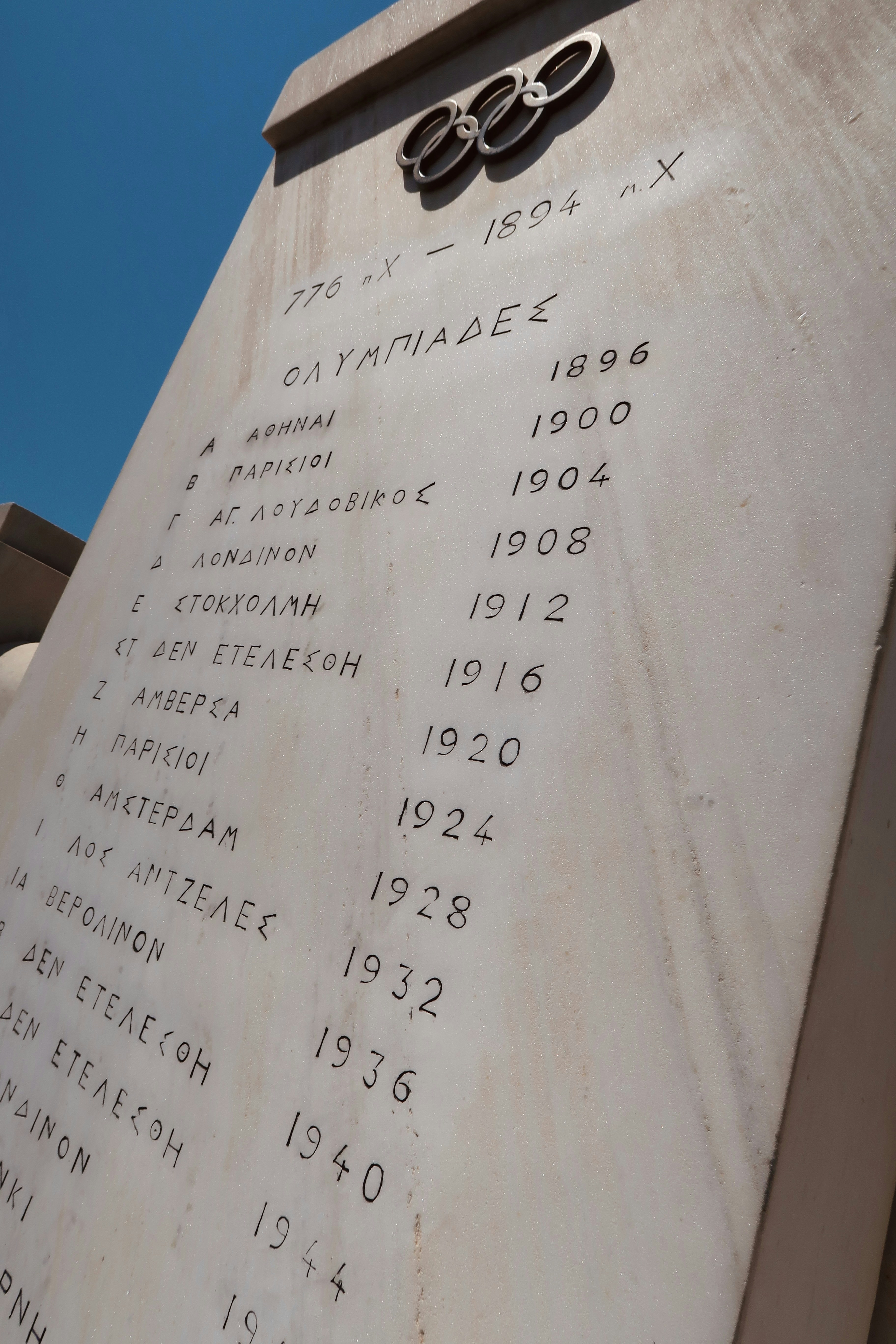
The modern Olympic Games began in 1896, but where did they come from? What were the original Olympics like? If you’re interested in the historic details that shaped our current Games, this article gets into all the naked, nitty gritty details.

The origin of the Olympic Games

For twelve centuries, the sacred Games in Olympia were a spectacle of blood, sweat, and glory. These ancient contests, held in honor of the gods, captivated spectators with displays of strength, endurance, and skill. Today, the modern Olympics carry forward this legacy, uniting athletes from all over the world.

And if you have a chance to visit the Panathenaic Stadium in Athens, I recommend!

* * *

Photo by Julio Hernández on Unsplash

Read Full Post »

When you hear “Medieval Times” you may think of a slightly cheesy yet fun afternoon outing with knights and mead halls, but it was more than that. Populated by living, breathing (and dying) people just like us, this era laid the groundwork for civilizations to come. The fact that many of us know so little about it is our failing, not theirs. (Well, that and the fact that literacy was much less common than it is today!)

Not to worry! Professor of English and Medieval Literature Dr. Dorsey Armstrong is here to answer our questions.

Enjoy!

Why is it called the “Middle” Ages? What activities did people do for fun? Why were animals tried in court for crimes? Answers to these questions and many more await—it’s Medieval Support.

(Although it seems to have given George R.R. Martin far too many gory ideas.)

Why do I share this? You did see my previous post on time travel, right?

* * *

Photo by Tom Podmore on Unsplash

Read Full Post »

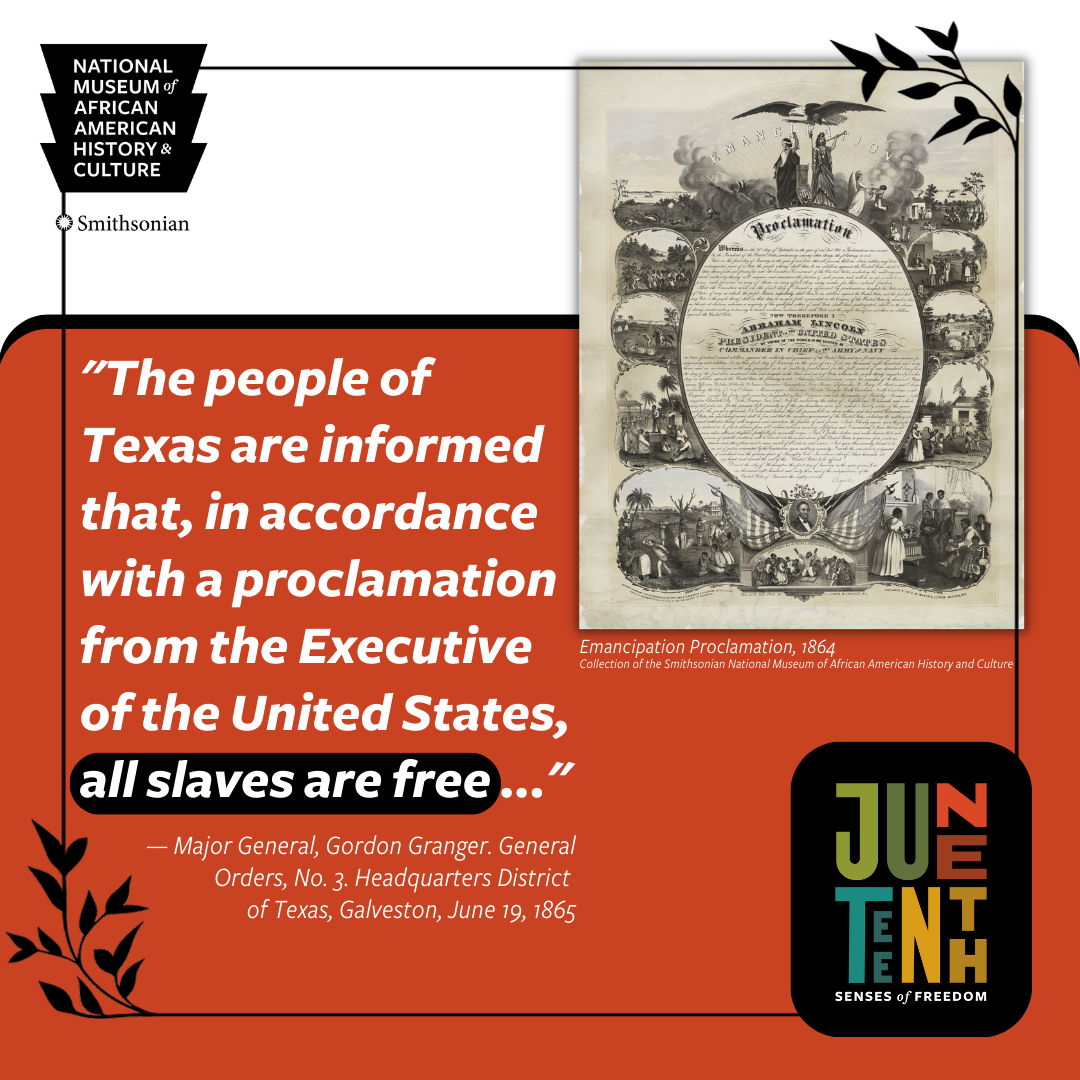
Happy Juneteenth, fellow Americans! 

I do love a holiday, and I’ve written about this one before: Our Newest Federal Holiday.

I grew up in a predominantly white region on the East Coast, and Juneteenth wasn’t part of my experience. I’m happy to celebrate it now.

Wondering how? Check out this introduction: The beginner’s guide to celebrating Juneteenth

And this is a rerun from the excellent Now I Know, but it’s just as good the second time around.

Freed But Not Free

“We have concluded to test your sincerity by asking you to send us our wages for the time we served you. This will make us forget and forgive old scores, and rely on your justice and friendship in the future. I served you faithfully for thirty-two years and Mandy [his wife] twenty years. At $25 a month for me, and $2 a week for Mandy, our earnings would amount to $11,680.” (In today’s dollars, that’s about $175,000.)

Would you like to know more? 

Juneteenth | National Museum of African American History and Culture

“If you’re going to hold someone down you’re going to have to hold on by the other end of the chain. You are confined by your own repression.” 

— Toni Morrison

* * *

Read Full Post »

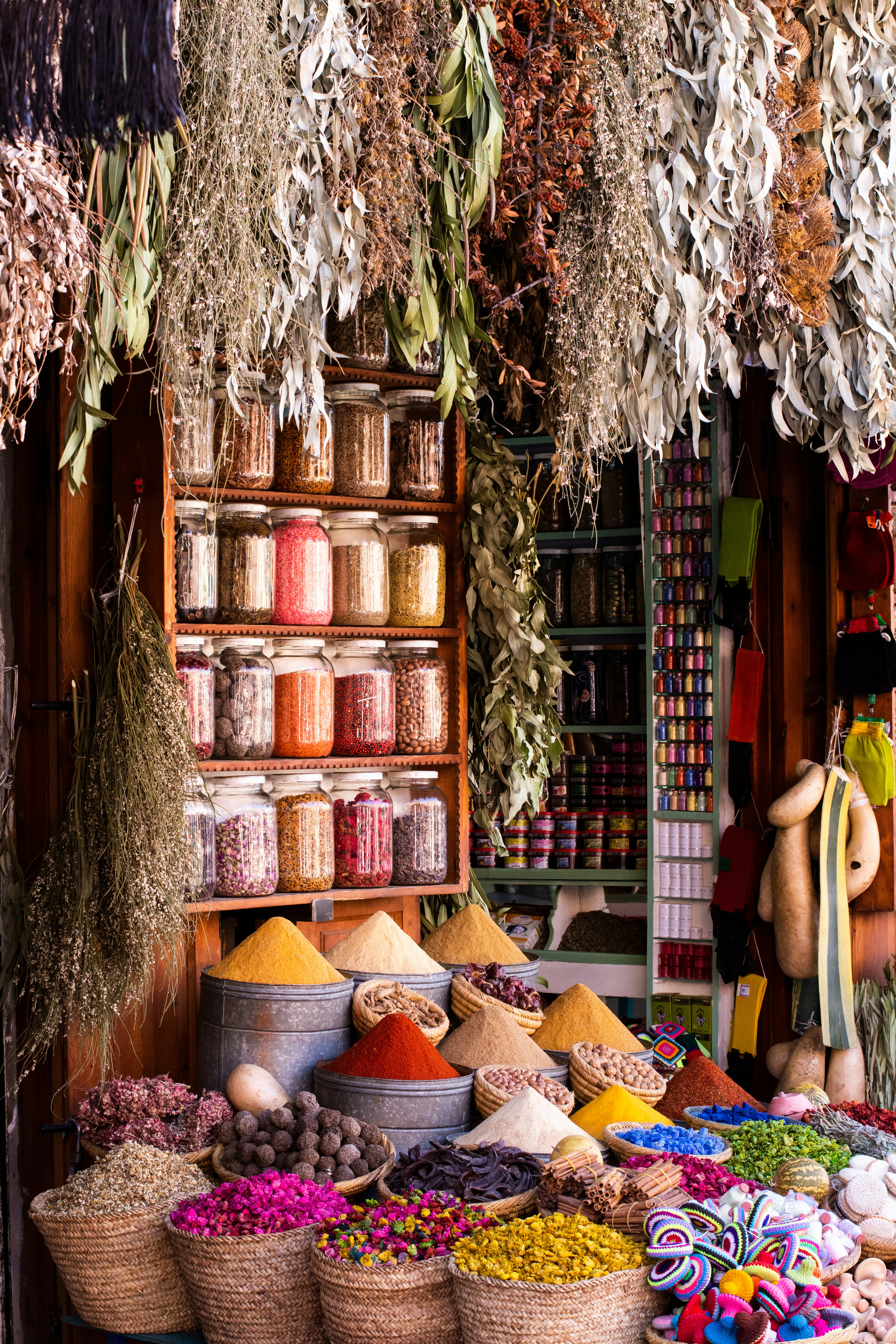
I stumbled across a spice mix yesterday and ended up going down a rabbit hole of seasoning mixes, chefs and surprises. Did I collect a list of Burlap & Barrel wants that will keep my wish list going for the foreseeable future? I did. And did I learn some interesting and fun facts about cooking with spices that are new to me? Also yes.

For example: I didn’t recognize hing at first, but it’s also called perungayam or asafoetida, which I have heard of but never cooked with. It’s used in Indian and other recipes and is good for people who can’t or don’t want to use onions and garlic. (B&B’s tasting notes equate 1/8 teaspoon of the spice to one whole onion plus six cloves garlic, so yeah, it packs a punch.) I happen to be a mite sensitive to alliums so I decided to explore more. Which led me to this in-depth article:

Asafoetida’s Lingering Legacy Goes Beyond Aroma — Whetstone Magazine

Devil’s dung. Seytan tersi. Merde du diable.

In English, Turkish, French and a whole host of other languages, the monikers for asafoetida are so deeply unflattering that you’d wonder why anyone would want to consume or cook with the spice at all. Its most commonly used English name is just as unambiguous. Derived from Farsi and Latin, asafoetida simply translates to “stinking resin.”

So what is asafoetida, and why is it so divisive? 

If you aren’t one of the millions who already use this particular spice, read on for more, including an interesting detour through Afghanistan and Iran with Alexander the Great. Because even kings have to eat!

* * *

Photo by Laura C on Unsplash

Read Full Post »

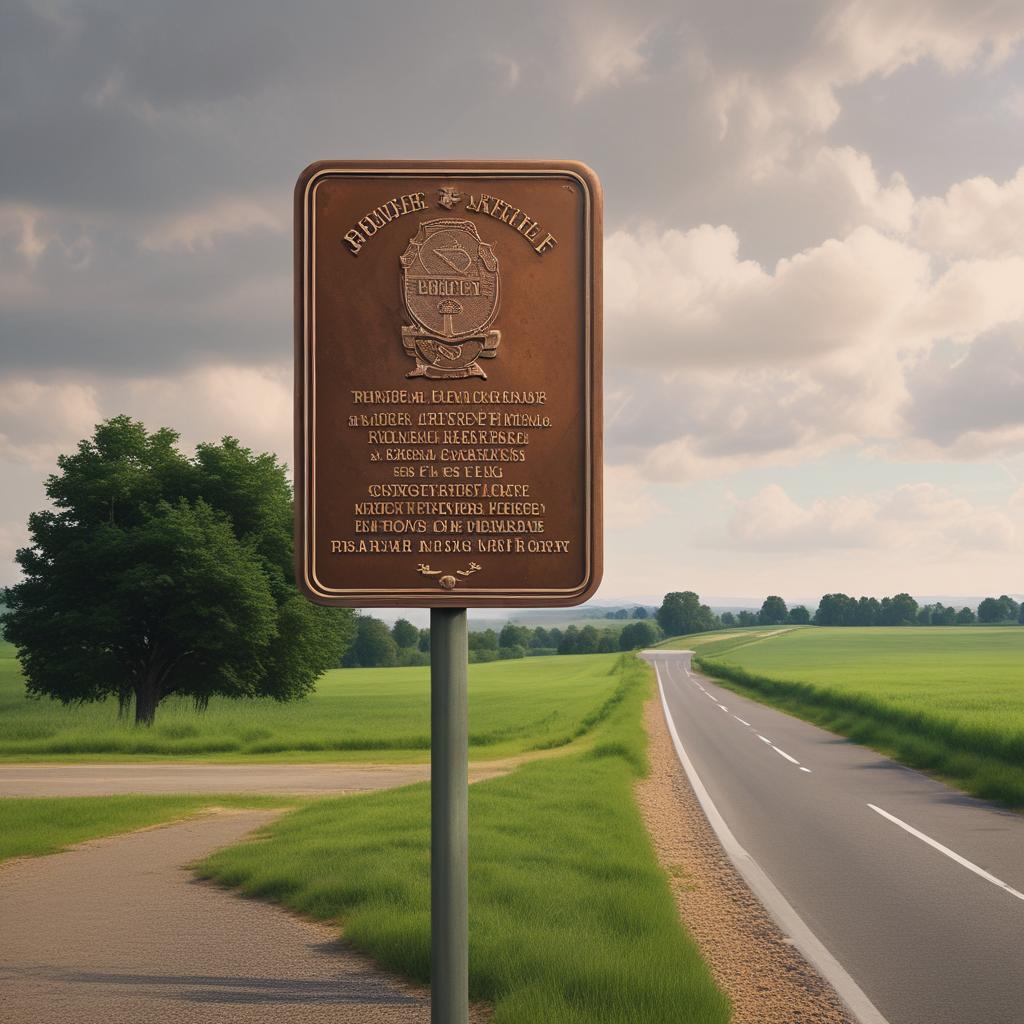
This one’s for my father, who would slow down family road trips by pulling over at every historical marker we passed.

How historical markers and monuments rewrite U.S. history : NPR

Over the past year, NPR analyzed a database crowdsourced by thousands of hobbyists, looking to uncover the patterns, errors and problems with the country’s markers. The effort revealed a fractured and often confused telling of the American story, where offensive lies live with impunity, history is distorted and errors are sometimes as funny as they are strange.

There are markers memorializing 14 ghosts, two witches, one vampire, a wizard and a couple who, a New Hampshire marker says, may have been abducted by aliens.

I did not know that these markers aren’t necessarily official. So if you stop at a marker, enjoy the fun of discovering new things, while remembering that they might not always be true.

* * *

We stopped for this?
via fal.ai

Read Full Post »

No Fooling

I don’t actually pull April Fool’s jokes, but if you do, or if you’ve just wondered why jokes are a thing on this day and what the ancient Roman festival of Hilaria (great name) has to do with it, here’s an explainer:

April Fools’ Day: Origins, Meaning & Hoaxes | HISTORY

While its exact history is shrouded in mystery, the embrace of April Fools’ Day jokes by the media and major brands has ensured the unofficial holiday’s long life.

* * *

Photo by Sven Ciupka on Unsplash

Read Full Post »

Mr Man and I had a lot to do today but (straight talk) didn’t get to most of it. That’s fine, because we were short on sleep and needed to recharge before we tackled anything big. It’s good to be prepared. 

With that in mind, here’s a bit of helpful advice for writers and adventurers.

* * *

Photo by Timothy Dykes on Unsplash

Read Full Post »

All of history in an hour? Amazingly, yes. And if you’d like to know more, I recommend  A Short History of Nearly Everything by Bill Bryson.

* * *

Photo by Venti Views on Unsplash

Read Full Post »

I came across an article about socks. Why share? Because I happen to like good socks, and I like history, and I like crafting. And these are very special socks.

1,600-Year-Old Ancient Egyptian Socks Made for Sandals

I had never heard about the technique behind these socks, which is called nålebinding or nalbinding (literally, needle binding). If I were to characterize the method, I’d say that it’s knitting without the needles, or crochet without a hook, and if Wikipedia is to be believed, nålebinding predates both. Now more closely associated with Scandinavian cultures, the oldest known examples date from the Mediterranean around 6500 BCE.

If you also wonder what it took to make a sock in ancient Egypt, check out this site for descriptions and instructional videos.

Nalbinding Stitch

I will now go appreciate the drawer full of socks I did not have to make.

* * *

Photo by Tai’s Captures on Unsplash

Read Full Post »

« Newer Posts - Older Posts »