Feeds:
Posts
Comments

Posts Tagged ‘Thoughts’

I attended the sort of progressive high school that allowed students to create their own classes. I decided to study the practical applications of plants, specifically their uses in food, textiles and medicine.

Basically, I cooked, dyed wool and made diluted poisons. Typical high school stuff.

I learned a lot about my local plants during that semester. What I’m not always great at is identifying new plants. That’s why I downloaded a plant identifier app. I won’t suggest the one I use because it’s just ok, full of tech walls designed to shunt you away from free options and toward a purchase, but I’ve charted a path around those barriers and can get the information I want.

That said, I’ve learned that iOS 15 users* already have a free alternative.

* * *

The feature is called Visual Look Up and once you know it’s there, it’s easy to use. It works for plants but also other subjects like landmarks, art and animals.

Today I learned you can identify plants and flowers using just your iPhone camera

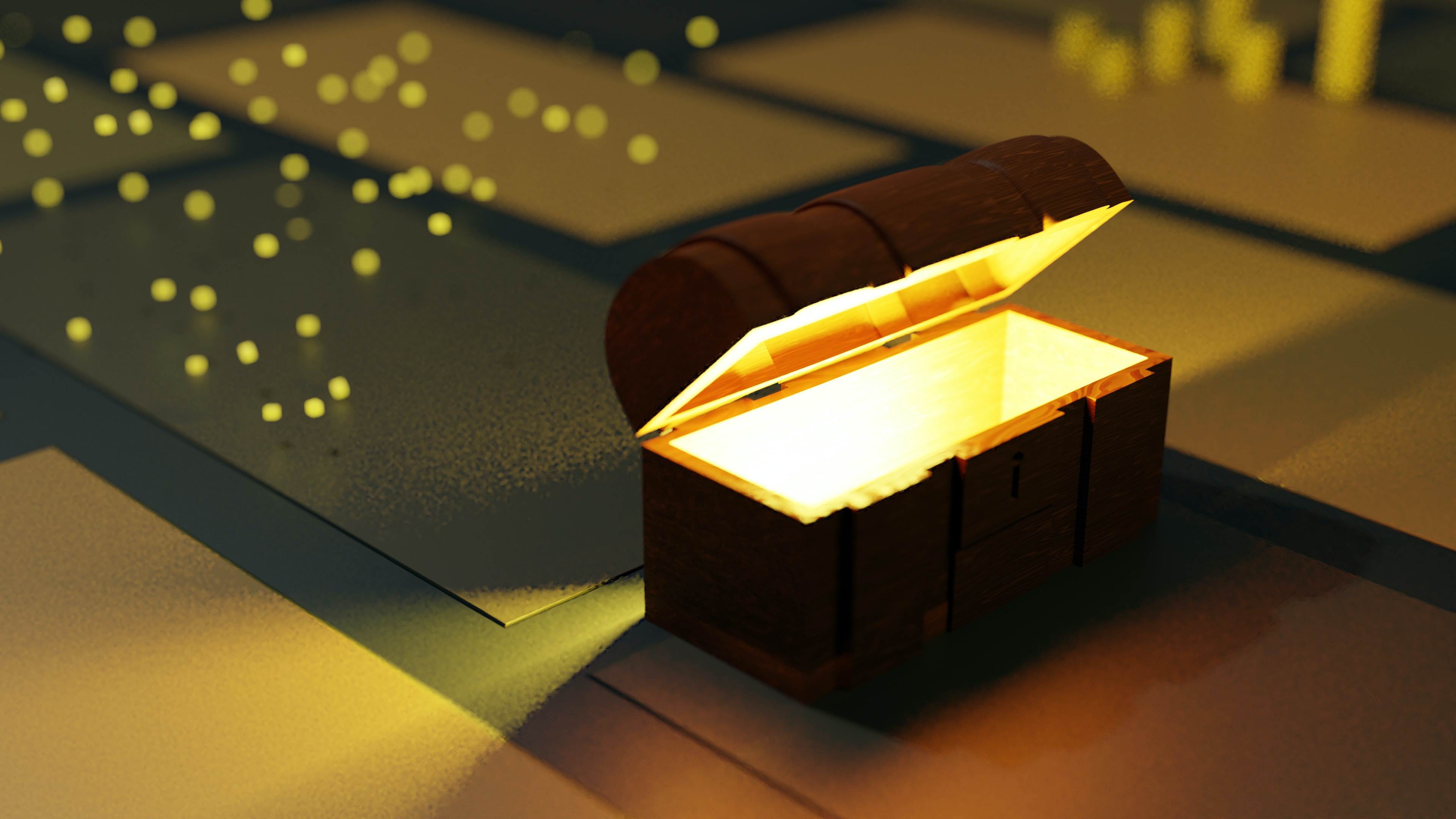
Just open up a photo or screenshot in the Photos app and look for the blue “i” icon underneath. If it has a little sparkly ring around it, then iOS has found something in the photo it can identify using machine learning. Tap the icon, then click “Look Up” and it’ll try and dredge up some useful information.

Is it perfect? Not in my (admittedly limited) experience, but it is surprisingly good. My father-in-law sent me a picture of a mystery flower that had appeared (quite mysteriously!) next to his pond. Despite living in the area for decades he had never seen the plant before. Did I know what it was?

I did, in fact, have a pretty good guess. It looked an awful lot like a native plant Mr Man and I bought when we first moved into the house, the Blue Flag Iris. I ran the image through my app to be sure, and it helpfully appended “Northern” to the name. Points for me, but confirmation is always nice.

After discovering Visual Look Up I tested it on the same photo. It got me to “Iris” but without additional specifics. (To be fair, when I took a quick snapshot of the clearer image below and ran Look Up, it identified the plant as a Blue Flag Iris. Points for it.)

So next time you discover something mysterious that you don’t mind sharing with the tech giant in your pocket, try out this feature.

For a free option covering multiple life and other forms?** Recommended.

* * *

* Those in the US, Australia, Canada, UK, Singapore, Indonesia, France, Germany, Italy, Spain and Mexico, for now. Not an iPhone user? I haven’t tried it, but Google Lens has similar functionality and works for both iOS and Android.

** But does it work on aliens?

* * *
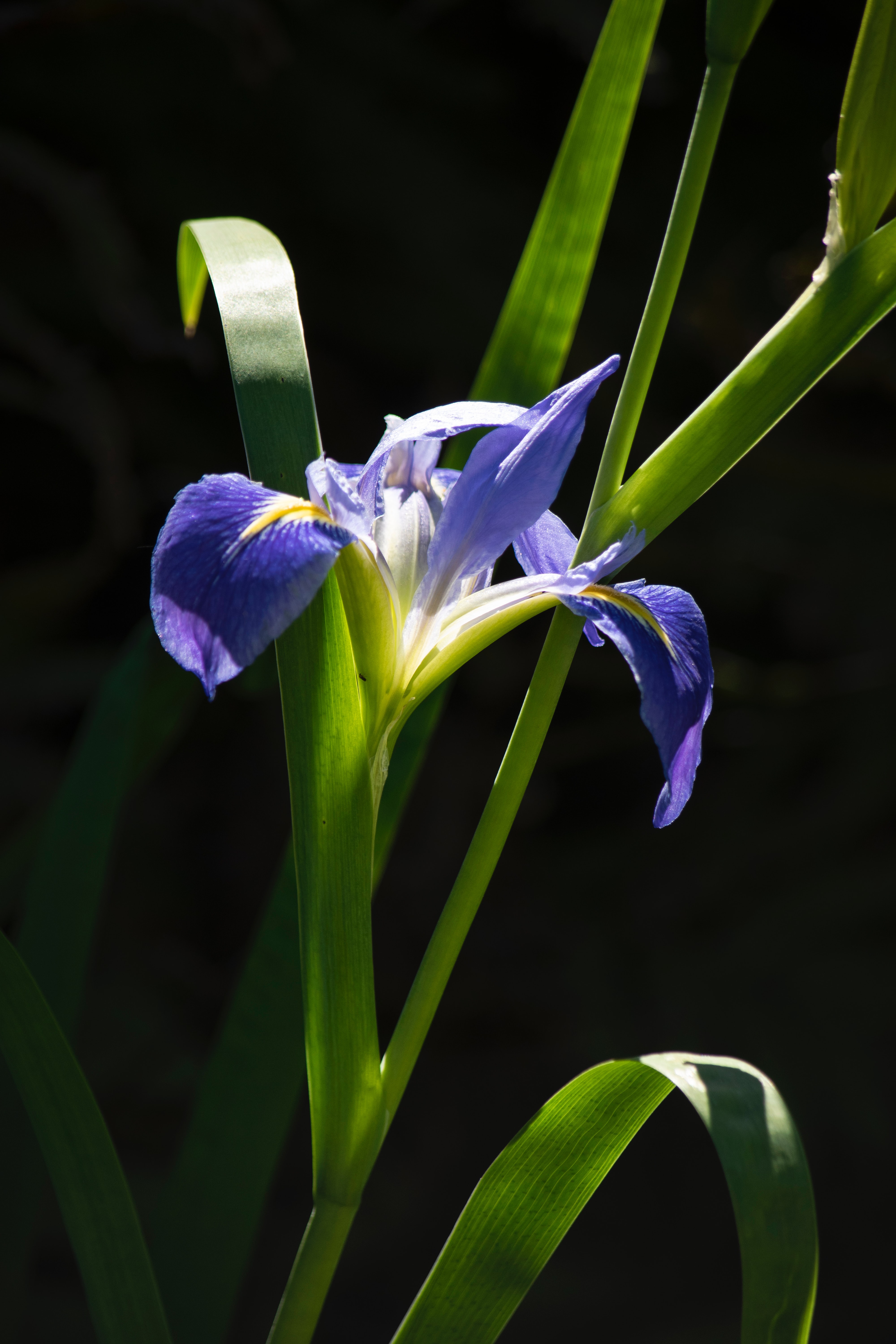
Photo by Suzanne D. Williams on Unsplash

Read Full Post »

“I believe that what we become depends on what our fathers teach us at odd moments, when they aren’t trying to teach us. We are formed by little scraps of wisdom.”

― Umberto Eco, Foucault’s Pendulum

Or in my father’s case, not so little. For passing on wisdom, an open heart, sharp editorial eye, love of cooking, Lord of the Rings, Star Wars and so much more, thanks, Dad. Happy Father’s Day!

* * *

Photo by Mieke Campbell on Unsplash

Read Full Post »

Do the things you care about to the best of your ability.

— Kristine Kathryn Rusch

Today that’s work. And cake. Cake and work. Mostly cake.

* * *

Photo by Heather Barnes on Unsplash

Read Full Post »

Some days you just need a feel-good story. Let’s hear it for Canada and Denmark, whose “war” over a tiny Arctic island consisted largely of good-natured snark and the swapping of favorite beverages. (As a bonus, Canada will now share a border with the EU. How cool is that?)

Denmark-Canada deal on Hans Island ends 49-year-old feud over Arctic isle

A territorial dispute between Denmark and Canada over a barren and uninhabited rock in the Arctic that has led to decades of friendly friction has come to an end, with the two countries agreeing on Tuesday to divide the tiny island between them.

…

“It sends a clear signal that it is possible to resolve border disputes … in a pragmatic and peaceful way, where the all parties become winners,” said Danish Foreign Minister Jeppe Kofod. He said it was “an important signal now that there is much war and unrest in the world.”

The war in Ukraine is very different, obviously, but generally speaking?

Cheers to that.

* * *

Photo by Joost Crop on Unsplash

Read Full Post »

You can’t use up creativity. The more you use, the more you have.

— Maya Angelou

* * *

Photo by Ashin K Suresh on Unsplash

Read Full Post »

The title on this post is not quite fair; the actual article I’m sharing with you today is perhaps better categorized as how to think about the future. Still, as a reader and writer of speculative fiction I like the concept.

Will this approach help you to predict the next Stanley Cup winner? Maybe not, but it does seem helpful for building plausible alternate, slipstream and near-future worlds.

How to Be Less Wrong

Last year, some colleagues and I invited people from around the world to compete in a tournament to predict the future. Over the course of seven months, more than 2,000 participants registered over 20,000 predictions… here are their key principles and practices…

* * *

Photo by Wyron A on Unsplash

Read Full Post »

George Saunders, celebrated American writer, journalist and teacher, was asked for his thoughts on story endings. Here’s what he had to say:

Ten Ways of Thinking About Endings

I once defined “ending” as “stopping without sucking.”  And I’m going to stand by that…

* * *

Photo by Eric Tompkins on Unsplash

Read Full Post »

While I engage in the joy that is Tuesday and also wait for a bit of family news, here’s a window into the happy, hyperactive world of the West Texas hummingbird.

For more live bird cams (including some involving things you shouldn’t do with a squirrel!), visit Cornell Lab Bird Cams.

* * *

Read Full Post »

“They fight not for the lust of conquest. They fight to end conquest. They fight to liberate.”

— From President Franklin D. Roosevelt‘s official address announcing the D-Day invasion

* * *

Read Full Post »

I woke to a robin. 

First thing this morning, I glanced out the window and frowned. An odd little lump sat by the back tire of Mr Man’s car. My eyes aren’t great on the best of days and less so at 6:30 in the a.m., so I had to squint a little before I understood what I was seeing.

Juvenile robin. Not moving. Or… scratch that. Moving oddly.

Hop, shuffle, hop. Shuffle, hop, shuffle. Not going anywhere fast.

It looked like a wing problem, then I realized that it could be a leg problem and the wing was extended for balance.

I conducted a bit of research via the Ottawa Valley Wild Bird Care Centre, a great place that has been helping birds in the area for decades. They took in a mourning dove that hit our back window about a week after we moved in. (Turns out that spring sun renders the living room windows effectively transparent unless you add little stickers to the panes. The Center even gave us a number so we could track the bird’s progress. You’ll be happy to know that while it had a broken wing and pelvis, after months of treatment it recovered and was released with a flock of other doves. So it wouldn’t be lonely.)

Since we’re on the topic, here’s my related story about birds and window strikes: Things I Learned Today, or, Sometimes They Fly Away

* * *

Fledgling birds, including robins, often find themselves out of the nest and still learning to fly. That is to be expected. 

If you are unsure if a fledgling is being cared for by its parents, watch from a distance for at least two hours…

The Center was closed anyway so we waited. The bird moved a little, then a little more. The leg still looked odd, though, so we decided it might be time to try to coax it into a comfortable and well-ventilated box and go visit the doctor.

Um, no.

The bird’s wings were working just fine. It wasn’t flying very far but it was flying, and not at all interested in taking a ride to our friendly neighborhood wildlife rehabbers.

The activity was encouraging, actually. The robin flitted. It hopped. It hid under a giant bush. What to do?

Not much. Short a Wile E. Coyote-style net and lots of dramatic, stress-inducing flailing around, there weren’t a lot of alternatives. I edged a little dish of water under the bush and backed away. 

We’ll keep an eye out for the bird and try again if it appears to be in distress, but for now, nothing more.

Sometimes there aren’t many options, and while I lean toward action, sometimes the best thing to do is nothing at all.

* * *

Photo by Landon Martin on Unsplash

Read Full Post »

« Newer Posts - Older Posts »