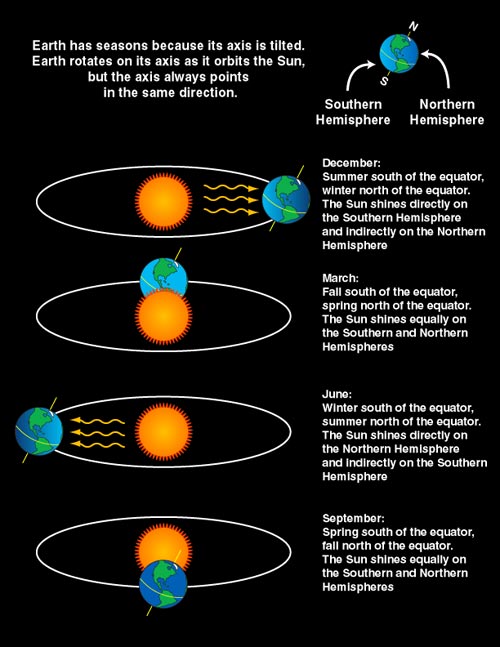
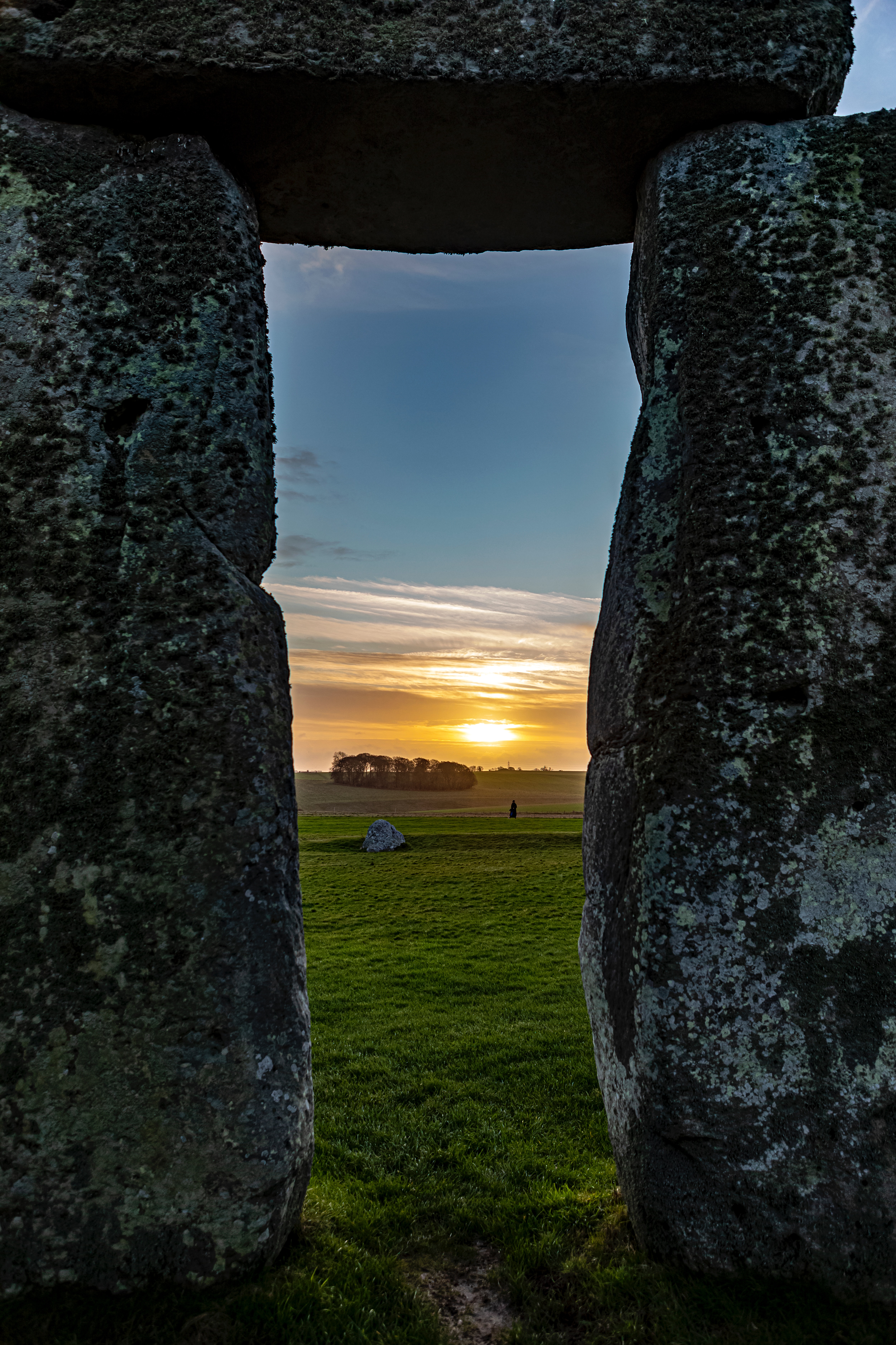
Happy summer solstice, everyone! (Fine, it’s called the June Solstice, but we all know what that means here in the Northern Hemisphere, don’t we? Summer!)
In a more personal take on history, I’ve always wondered how it must feel to be one of the many Black people in the US who are intimately related to the nation’s Confederate past.
I need wonder no more.
A favorite aunt was going through boxes of material from my grandmother and discovered discharge papers for a Confederate soldier, who also happens to be my great great grandfather.
Oh.
While I was quite surprised at this (and other new family history, ranging from the darker side of Georgia to the darker side of Germany), in some important ways it really is encouraging.
History is change, and much of this story is positive.
Still, I’m not going to lie. It feels a little weird. But again, encouraging.
When I was a child, my father discovered a lime freeze drink that I absolutely loved. I don’t have the recipe and only remember that it was frothy, creamy and sharp with fresh lime juice. I’ve tried to replicate the drink a few times but never quite managed it, until now.
This recipe is based on a Brazilian limeade recipe. The original version is very good but it’s harder to find organic limes than I’d like, and it can be a little fiddly to balance a thorough blending while avoiding the bitterness of fresh pith.
Using sweetened condensed milk makes it quick and easy with no risk of curdling. Being me, I also wanted a recipe we could make with frozen juice. This is the result.
Lime Fluff
700g/just under 3C water, whey, or a combination* (we’re using 1C yogurt whey, the rest water)
1/2 can sweetened condensed milk (~190g)
1 to 1 1/8 C+ / 250–275g lime juice (to taste, fresh or frozen)
Blend and enjoy.
* I know that grams (mass) ≠ milliliters (volume), but it’s close enough. We also make a lot of strained yogurt so we have whey on hand; ours is tangy enough that we use 250g of lime juice.
Why is that, you ask? Because yesterday was my book birthday and that makes me happy. Thanks to everyone who has expressed interest in volume 39, preordered, ordered, or requested the book from the local library!
It’s a little bit like a fairytale, so today let’s tag along with my Writers of the Future award, which went on a little trip to see the Hugh Comstock fairytale cottages in Carmel-by-the-Sea, California.
Here’s the award visiting Storybook Cottage (although I digitally removed the barriers between the award and the cottage, because symbolism!).
For my mother, and my other mothers, and to all those out there who appreciate flowers, here’s a piece on the history of tulips (one of my mother’s favorite flowers) and their role in art (another of my mom’s favorite things).
There is no other period of art history more closely associated with tulips than the Dutch Golden Age. Marked by economic prosperity, scientific discovery, and flourishing arts and culture, the tulip came to be a hallmark of the Netherland’s successes. There is some disagreement about exactly when and by whom the first tulips were brought to the Dutch Republic, but it is known that they were imported from the Ottoman Empire sometime in the latter half of the 16th century. Already a costly commodity, the demand for specific bulbs of different colors and varieties quickly outpaced the supply of tulips—and thus Tulip Mania, or the Tulip Craze, began. At its height, the price for a rare and prized tulip bulb was on par with a craftsperson’s annual wage.
Boring Covid update: More coughing, more tiredness, more urges to curl up on the closest floor and sleep. These elephant seals from the Piedras Blancas Elephant Seal Rookery know what I mean about that last bit. Here they are basking in the sun.
Photo by J.R. Johnson, and nature.
We went for a soggy visit to Hearst Castle and after, drove a few miles north to the Rookery. We arrived between bouts of light rain. It’s molting season and the beaches were crowded.
The beaches are even busier today. Check out the live webcams for updated views.
Mr Man and I were able to take a couple of days after the writing workshop to visit California. Here’s a snapshot of the beautiful beach in Santa Barbara, complete with some of the millions of superbloom flowers, pelicans, gulls, and the town pier.
* * *
Taken by J.R. Johnson as the clouds rolled in off the sea, one fine May morning.
“I think that the main thing for the artists is to show their feelings, express their feelings, with the lines and with the colours and with the style they’re using. When you will be focusing only on the process and just your aim will be to get the perfect pysanka, at the end you can lose something. You have to look inside—what you have inside—what you want to show in your piece. Maybe your feelings, maybe your sadness, maybe your happiness, something to share with people. And you can show it on the surface of pysanka. This is the most important. And we don’t need ten perfect pysankas, we need ten unique pysankas with unique feelings on it.
— Oksana, Ukrainian who came to Canada in 2022, at a pysanky-making workshop in Ottawa
You must be logged in to post a comment.