Feeds:
Posts
Comments

Archive for the ‘Holidays’ Category

Would the world be a better place if we added the words “I’m afraid that…” to many of our negative thoughts? As in, “I’m afraid that the vaccine is untested and will hurt me.” Or, “I’m afraid that my neighbor with the weird tattoo hates me because I’m different,” or “I’m afraid that Anders in accounting is undermining my promotion case,” or “I’m afraid that the people in charge don’t care about me.”

Adding those three words adds flexibility. It highlights worry but also makes room for the possibility that you may not be right about the danger. It isn’t fact, but possibility.

Anders may indeed have it out for you, but your neighbor probably doesn’t think about you at all.

I’m not unaware that there are real problems in the world, and many of them can be very personal. I was raised around a mix of people, some of whom were sweet hometown souls and some for whom intolerance was their bread and butter. It is true that some people are not good. And not all tattoos are harmless.

Still. This quote also rings true for me:

“Fear is the path to the dark side. Fear leads to anger. Anger leads to hate. Hate leads to suffering.”

― Yoda, Jedi Master

* * *

Growing up as I did, an adopted, mixed-race but not obviously so child in a mostly rural mostly white area, gave me a certain perspective onto the good and the not so much.

My brother looks Black, he got the brunt of the in-your-face not good. I don’t, as much, so I got to see what lay behind the masks. It wasn’t always pretty, but it was always interesting.

What makes people tick? In my experience, the answer is often fear. We’re all scared of something.

Understanding that, about others and ourselves, can open a fascinating window into motivation, behavior, and connection.

* * *

Years ago, I went on vacation with a group. I didn’t necessarily agree with the politics of all present, but that’s fine. We were there for a good time, and most days, a good time was had.

The weather was warm but it rained on and off, and strong winds blew through even on the best afternoons. On snorkeling day, the boat that took us out was on the small side and the water was choppy with a chance of jellyfish.

The captain took us out into deeper water, pointing to a box of snorkels and masks as we slipped farther from shore. The woman next to me didn’t say much but when she spoke, her voice sounded thin and strained. 

The boat dropped anchor and most of the group immediately swam away. My seat-mate stayed near the ladder, tension visible in her short, choppy strokes and the way her breathing wasn’t quite level.

In that moment, our differences didn’t matter. The water was deep. Jellyfish swarmed nearby, and the boat cast an absurdly small shadow on a vast ocean. 

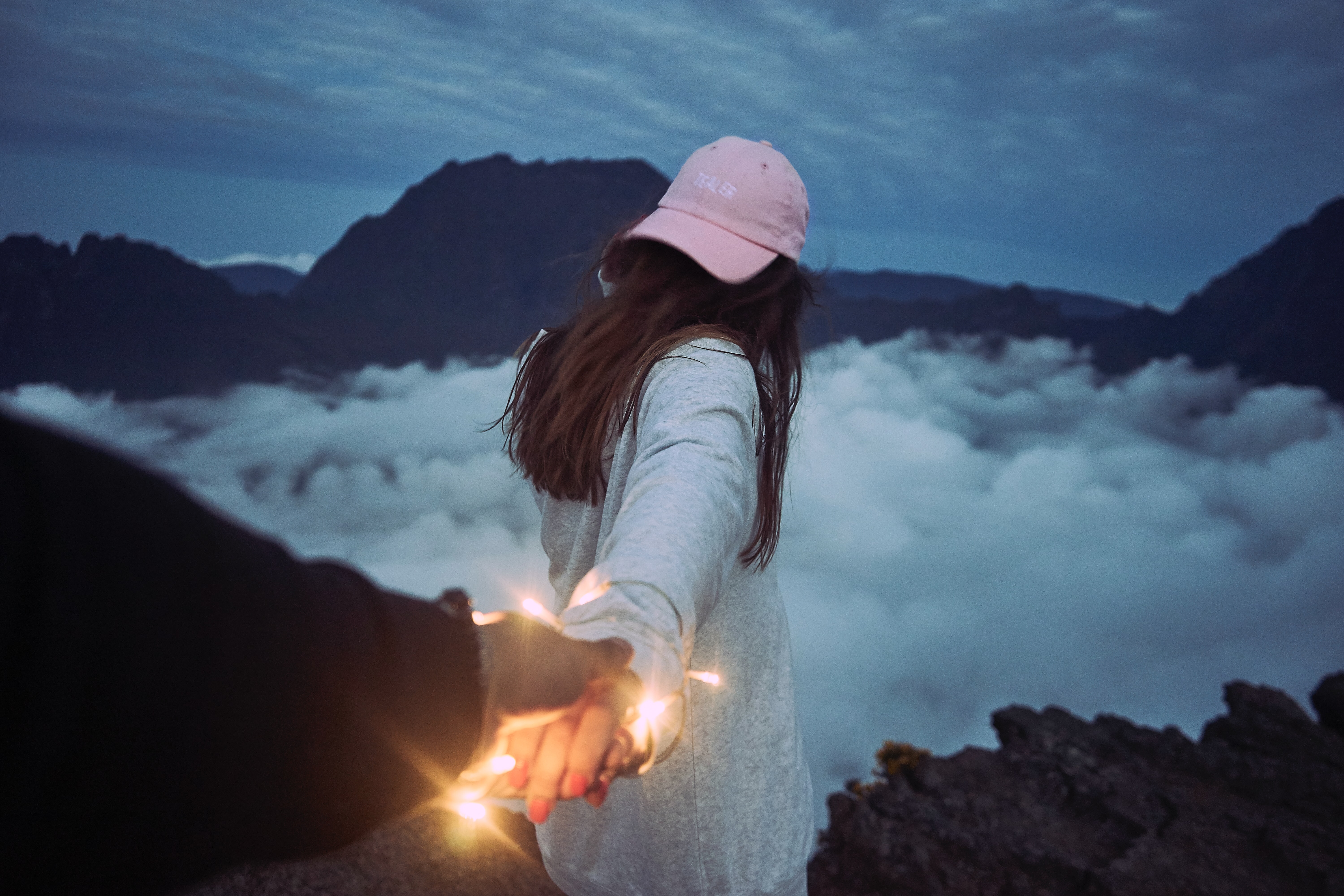
I reached out a hand and asked if she would swim with me. She laughed, half disbelief, half desperation. 

Then she reached back. 

* * *

It was years ago, but I remember that day every time I am tempted to fall into a knee-jerk reaction about someone. 

I’m half white, half Black, half American, half Canadian, half Star Wars, half Star Trek, half duck confit, half pork and sauerkraut. I’m Exhibit J for the argument that differences don’t have to mean disaster. 

I know that reaching out doesn’t always work. I’ve experienced the alternatives. (And thanks to the joys of social media and increasing polarization, it’s impossible to miss the bonfire of bad so often happening around us.) But I keep trying.

* * *

Like most people, I am best at remembering the foolish things I’ve done, the comments I wish I could take back, or the times I wish I’d done more.

But I also remember that moment in the water, when I was able to reach past our fears and help someone. I doubt she remembers, and that’s fine. In a fundamentally useful way, that moment humanized us both. We do not always see eye to eye, but we like each other far better than any algorithm says we should. 

I can still see the wide blue waters flowing around me, hear the slap of waves against the side of the boat. And feel the warmth of another’s hand looking for help and hope, and giving both back to me in return.

* * *

Photo by Yoann Boyer on Unsplash

Read Full Post »

“Stories are for joining the past to the future. Stories are for those late hours in the night when you can’t remember how you got from where you were to where you are. Stories are for eternity, when memory is erased, when there is nothing to remember except the story.”

― Tim O’Brien, The Things They Carried

* * *

Photo by Aaron Burden on Unsplash

Read Full Post »

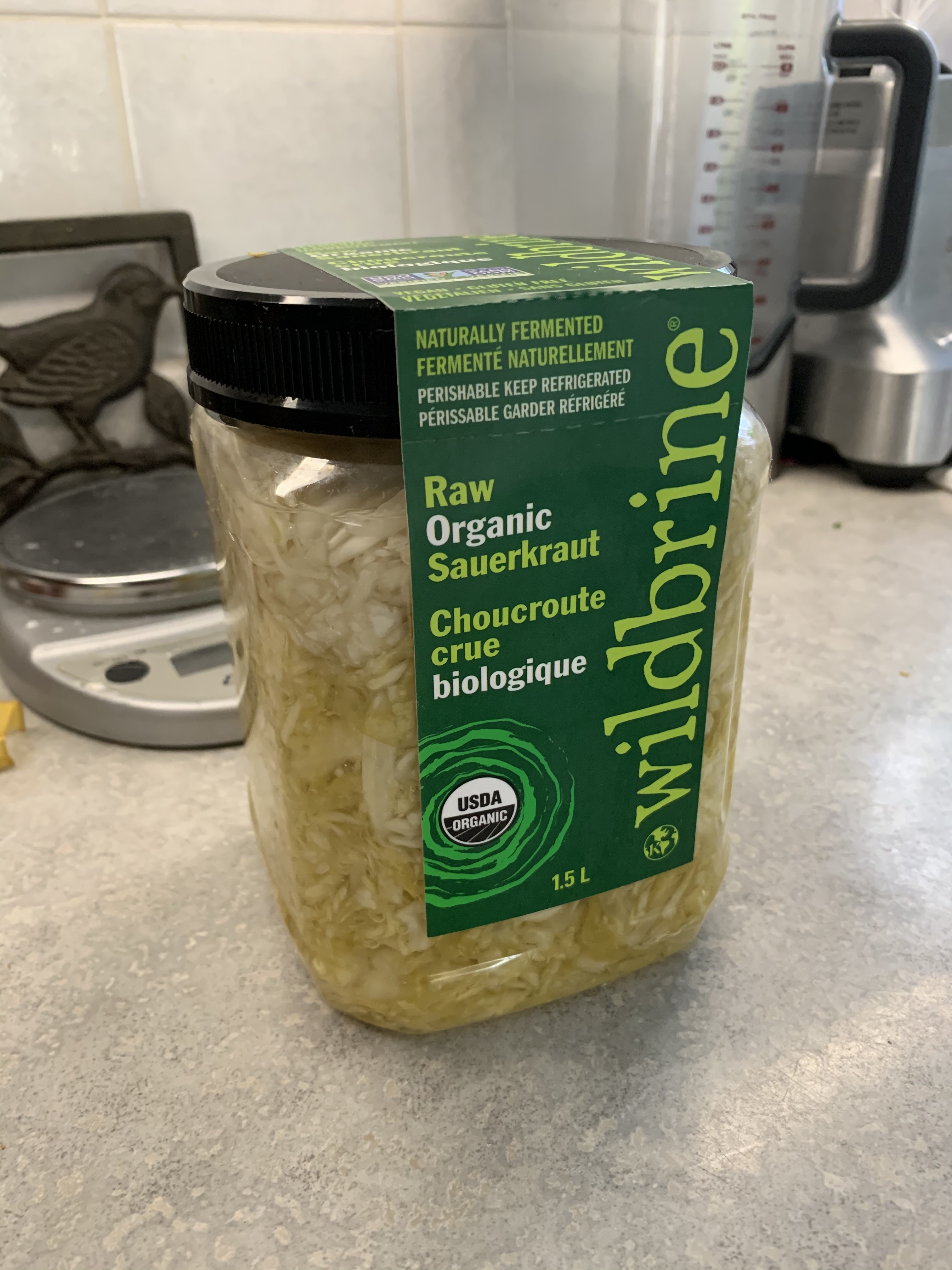
In today’s installment of things I like: this sauerkraut.

* * *

I spent a patently unreasonable amount of time looking for a good, nay, great sauerkraut, and finally found it:

Wildbrine Raw Organic Sauerkraut. If you find it at Costco, you can get the ginormous size for an excellent price.

Are these fine folks sponsoring this message? They are not. They are just doing their level best to to put out a fine product, and I am here for it.

Is it unfashionable to like sauerkraut? Whatever. This stuff is freaking delicious.

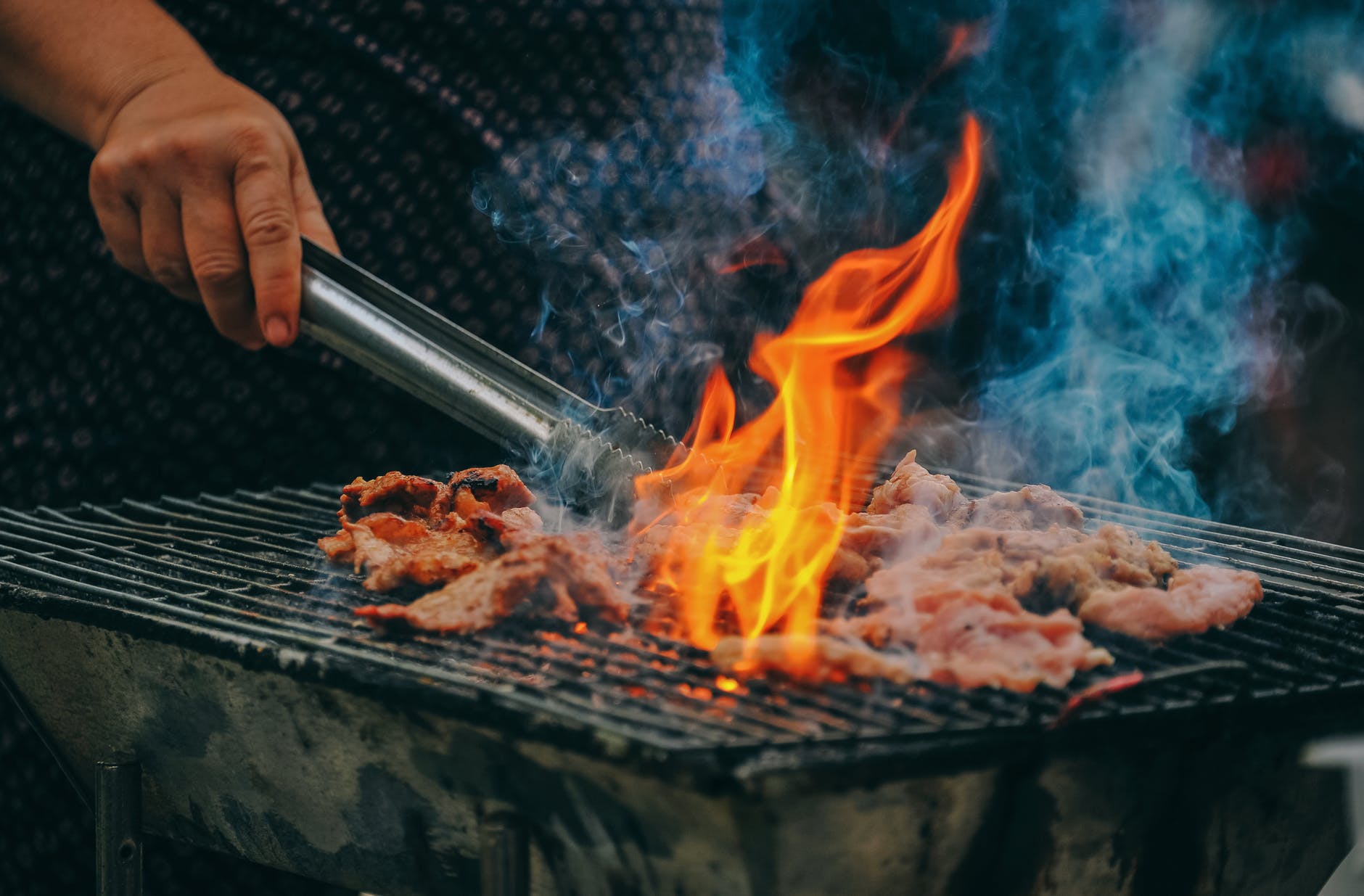
Happy weekend cookouts, folks!

* * *

Photo by Min An on Pexels.com

Read Full Post »

I’m still thinking about travel, so today we have a short excerpt from my trip to Egypt (and apologies to anyone from Cairo, but that taxi ride made an impression).

* * *

June 29

Thursday

Cairo

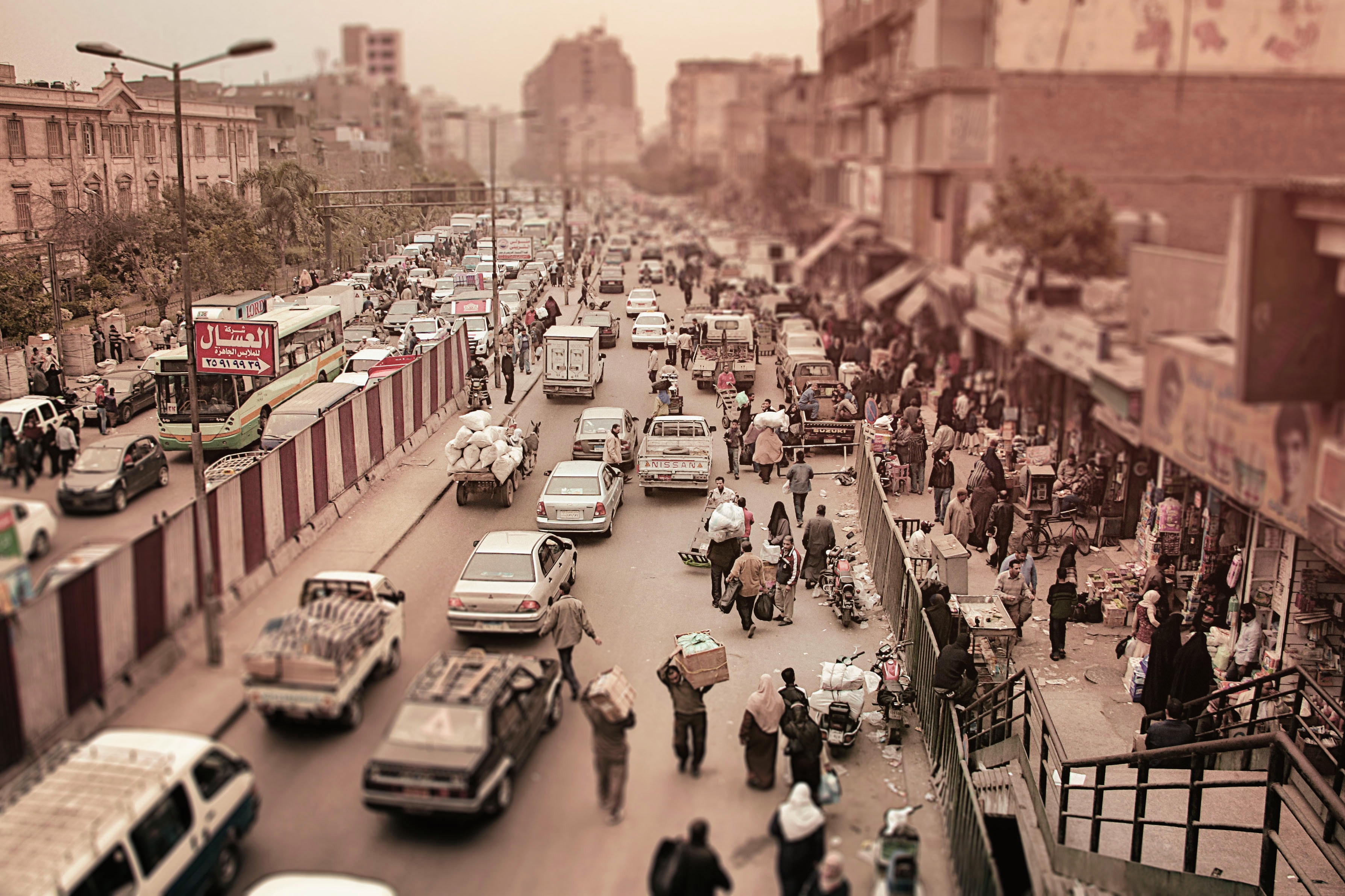
I’m liking Egypt. Even the boys’ open stares and the sticky heat don’t deter me, and the organized chaos seems creative rather than threatening. That’s how I know I’m infatuated, not truly in love. No clear-eyed observer looks out from the back of an Egyptian taxi and sees anything but fear and death.

* * *

Photo by Simon Berger on Unsplash

Our guide picked us up in yet another van, but this time we were the only ones aboard. It seemed that no one else was crazy enough to tour the Valley on a June afternoon. And yes, it was hot.

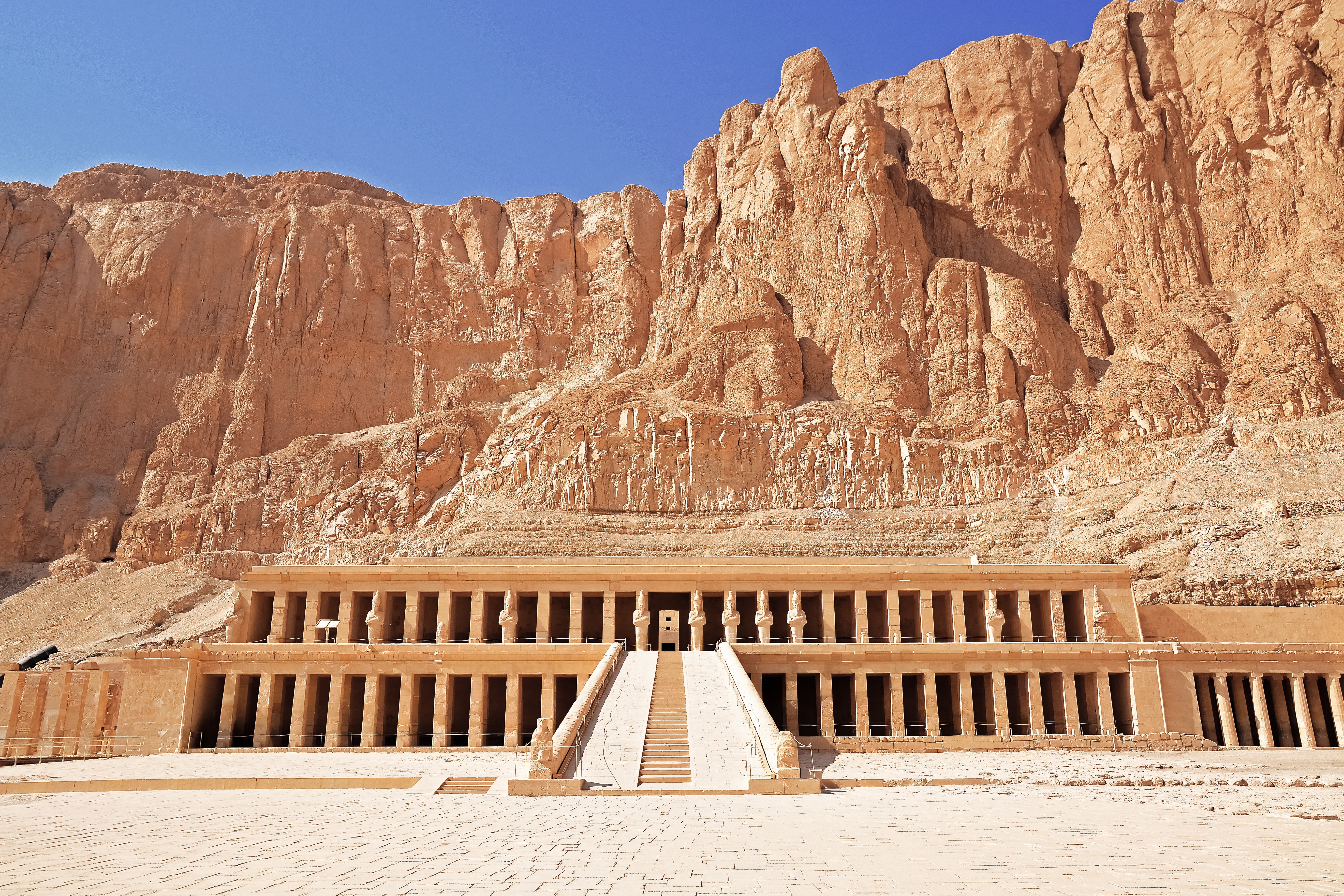
The guide was very well-informed, trained in the States, and proud. He took us to many burial sites, tomb after tomb baking in the hot sun. As the day went on the heat made it harder to listen and certainly to remember all the facts being thrown at us. This caused us some trouble as the guide kept giving pop quizzes. At first we thought he was joking, but it turned out he really did care if we knew exactly which Ramses we’d seen (three in total), what the symbols on either side of the tomb entrances meant, and how the tombs were built. It was a little disconcerting, but kept us on track. We spent most of the time in the Valley of the Kings, but also headed around one of the mountainous valley sides to visit the Tomb of Queen Hatshepsut, the only woman buried as a king.

When Hatshepsut’s husband the king died, she bribed his priests into declaring her a man, transformed through divine will. In that way she was able to become more than a regent for her husband’s heir and take control of the throne directly. Her tomb is backed into a towering cliff wall and covered with carvings. Wherever her name appeared, however, her bitter nephew later scratched it out, hoping to keep the gods from finding her spirit in the next life. No love lost there.

Mortuary Temple of Hatshepsut, Egypt. Photo by Jeremy Zero on Unsplash

* * *

I find it fascinating to see how much the world has changed, and how much humanity hasn’t.

Read Full Post »

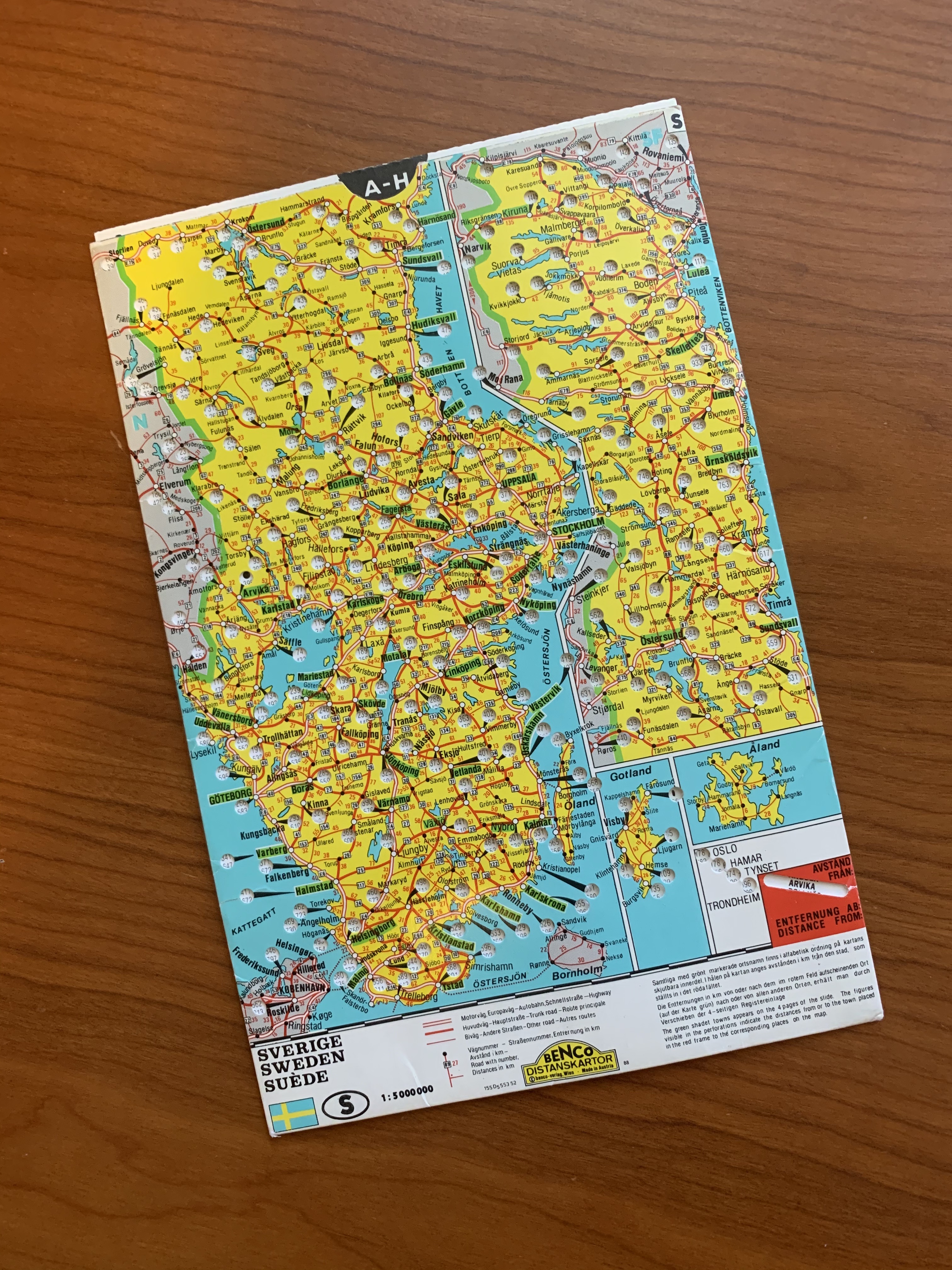
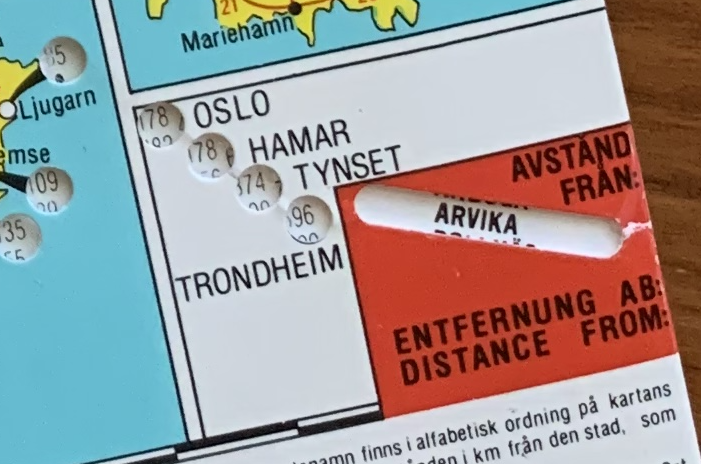
Thinking about my grandfather yesterday got me thinking about our trip to Sweden. Here’s one of the best souvenirs I brought back, an adjustable driving distance calculator. The sheet inside slides to show distances from a given starting location. I like maps, and this one is particularly well done.

* * *

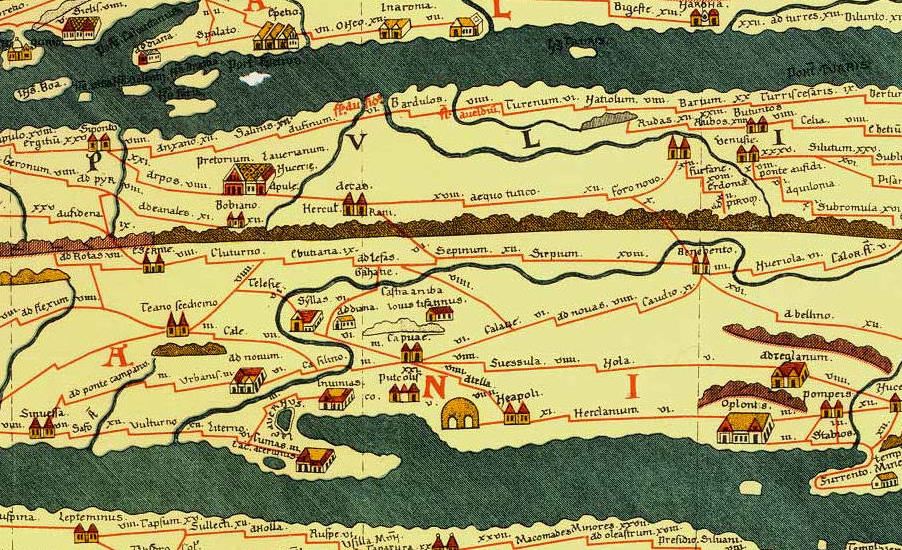
For fun, here’s one of the first known distance maps, the Tabula Peutingeriana, with measures for (where else?) the center of all things at that time, the Roman Empire. Although at 22 feet long, it’s not exactly portable!

Tabula Peutingeriana map
Conradi Millieri derivative work: Thecinic, CC BY-SA 3.0, via Wikimedia Commons

Read Full Post »

I am fortunate enough to have one, two, three mothers! To them, and to you, I send all my very best wishes.

* * *

Photo by Alisa Anton on Unsplash

Read Full Post »

I’m a little bit beat. I know it’s May the Fourth and therefore Star Wars Day, but I’m not quite up to a long-form essay on all that this world has meant for me.

Suffice it to say, I’m a fan.

If you’re in the mood for a quick recap of the main movies (or an introduction, I won’t judge!), here’s a quick summation by Star Wars actor Daisy Ridley, with a little help from Jimmy Fallon:

If you’d rather go back to the beginning and study the source, check out this piece on the first movie’s script:

Star Wars: A New Hope Script — Screenplay Analysis and PDF Download

We’re going to break down the essential aspects of the Star Wars script, and how George Lucas made a science-fiction classic.

Buckle up, we’re going into hyperdrive…

* * *

Photo by Honza Kurka on Pexels.com

Read Full Post »

I had an unexpected rush at work today so here’s a bouquet of dried flowers I collected in Switzerland, and sketches of architectural and other details at the Swiss chalet* where I stayed. 

* * *

Much of the work I did today involved editing for other people, bringing an outside approach to a problem. Fresh eyes can give a whole new perspective, and as the UK’s GCHQ has noticed,** a neurodiverse mind sometimes sees things in a new light.

Like the keyhole I drew at the bottom right of the picture below.

Walking down the hall on my tour of the chalet, I asked, “Are all the keyholes in the house shaped like upside-down and backwards numbers?” The family member who had been visiting his entire life hadn’t noticed. 

(I now feel compelled to say that I am not actually a spy.)

Happy Friday!

* * *

click to embiggen!

* The original kind in Switzerland, not the one that will deliver roasted chicken with multiple side dishes in a cute little yellow car. Great, now I’m hungry.

** Americans, and anyone else wondering about the number-themed through-line between this bit and the sketch, think MI-5.

Read Full Post »

Today, a travel journal excerpt: Once upon a Wednesday in Peru.

The mountain under Machu Picchu is 6 kms high, if measured by the route I traveled to get there. The winding road looks like a serpent coiled on its side, weaving up the incredibly steep slope in turns almost too tight for the bus to manage. It is possible to walk and save the bus fare, but you’d have to pay me a lot more than $13 to walk up a slightly tired cliff face such as that. Most use the road, but a few intrepid souls choose the steep stone steps that link each turn in the road, heading straight up the slope. The climb can be done in an hour and a bit, and coming down takes 40 minutes or so, if you’re a tourist. If you’re a local you can climb a hill like that in 15 minutes and little children run down the stone steps as quickly as the bus makes the journey. There’s a mini-Mafia of sorts making money doing just that. Called the “Goodbye Kid” in guidebooks, there are at least three boys dressed in bright traditional clothing who stand by the road calling out “Goodbye!” as the bus leaves the mountain’s top. Lovely, we think, a friendly local. Imagine our surprise when, at the very next curve in the road, the same child flashes by our window in a bright red shout of “Goodbye!” At each and every loop of the road the boy is back, and it gets funnier at every turn. By the time we reach the bottom we’re all happy to present him with whatever goodbye gifts we can find in our pockets. But I’m getting ahead of myself.

We had fifteen minutes of rest at the top, which was enough time to buy empanadas, stuffed pockets of baked dough with meat, and sit on a wall with a Coke enjoying the view. It also gave me a chance to assess the site’s layout and the awesome nature of the place. Mountain peaks rise sharply all around, tickled by the Sacred River below. Clouds brush the very tops of the trees and sun beats hot through thin air. To my left and a bit below I see the remains of hundreds of stone houses on the bar hilltop overlooking the valley. Above, the ruined city continues up the slope’s face with dramatic purpose. Incredible to think that in 1911 Hiram Bingham had to hack those stones free* of a jungle that had completely covered all traces of this powerful regional outpost. We wiped the empanada from our fingers and slowly filed our way inside.

It doesn’t take five minutes at Machu Picchu to figure out why the Inca’s first rule of conduct was “Don’t be lazy.” Every step is either straight up or straight down. The guide moves our group along as quickly as we can go, and 15 minutes and some history later we are at the Caretaker’s Hut. The hut is at the top of the site just above the Inca Trail. The building itself was home to the one who guarded a sacred stone of sacrifice, set nearby on the high ledge. 

Incan tradition dictates that when a person goes to a holy site for the first time they must bring a rock from their home as an offering. The space between the hut and stone is, to this day, filled with rocks. There in the white-granite mountains now rest rocks from all over the country, in different colors and textures and sizes attesting to the pilgrims’ dedication. On the shelf just below the hut a couple of llamas grazed. Rumor has it that they were trained by the Peruvian Tourist Board, and they did seem to tolerate a remarkable number of photos. Around me people collapsed for a quick rest, a Japanese woman began what became a solid hour of coughing, and one foolhardy soul enjoyed a cigarette.

Incan cities had gates, temples, guest houses, running water, grain storage, terraces, and hockey fields. What they did not have were sewers. It turns out that the llama (20 per person in the city’s heyday) weren’t the only ones busy leaving “offerings to Mother Earth.” Part of their sustainable urban environment depended on a steady supply of fertilizer from all animals in the area, people included. Llama dung was used as fuel as well as fertilizer. Seeing the crumbly, almost dry soil it made sense. Somehow the Incans managed to have a clean, healthy city despite the fact that 500 people were peeing in the bushes. It was also forbidden to cut down trees without permission and a special replanting ceremony. My hunch is that the Inca knew a lot more about soil erosion than we modern descendants. 

* Although I have to wonder how much of that he actually did himself.

** I’m guessing it was a lot more sophisticated than that.

* * *

Photo by Lee Scarratt on Unsplash

Read Full Post »

Today is Earth Day. Happy 4.543 billionth birthday, Earth! Here’s hoping for many more.

Much of my day job is based in current news and events, which means I spend a good part of most days knee-deep in the internet. Yeah, it can be exactly as fun as it sounds. That said, I’m not looking for the bad stuff, or not only the bad stuff.

I’m looking for the uplifting, the hopeful, the rays of light. For a path to something better. So for every article I read telling me that in recent years, there are more Starbucks locations in California than overwintering monarch butterflies, there are pieces on what’s good, like these:

Let These Stunning Photos of a Year of Virtual Youth Climate Activism Inspire You

Halifax-based developer of CO2-injected concrete wins multimillion-dollar prize

It’s hard to miss the evidence of change, but the good news is that we’re not just discussing it, we’re beginning to take concrete action.

* * *

You already know that doing big things is hard. Like ”saving the planet.” Human beings are small, and I suspect that at the root, most of us are plagued by the niggling feeling that we are just bit players on an unimaginably vast stage. That at some fundamental level our actions don’t matter much at all in the bigger picture. Not really.

But we’re wrong. And the world is made up of smaller pictures.

Photo by Martijn Baudoin on Unsplash

* * *

It’s the question every hero is asked: The future is uncertain. The path is unknown. What are you going to do about it?

What you can, wherever you can. As a minor example, I spent time today researching ways to turn our absolutely useless lawn space into a pollinator garden.

Of course, a lot of what needs to happen on climate change isn’t just about individual action. Deciding not to eat meat on Tuesdays matters, but standards and infrastructure for energy, transportation, agriculture and construction, to name a few sectors, will need to modernize too.

It means working together on new ideas, new innovations, and new legislation. More and better targets, the kind that make a positive difference in people’s lives.*

Because humans are a social species. There is never just one, and when it comes to saving our home that’s a challenge but also a benefit. Sea shanties swept the globe in a matter of weeks. Why not this?

* * *

It sounds big, and it is, but we do big things all the time, often by accident.** It’s just time to do this particular big thing on purpose. Here’s the mantra I try to stick with: Pick a goal. Break it down. Start today.

We are never just one. None of us are. We are legion. And we got ourselves into this mess. We can get ourselves out.

Starting today.

* * *

* Like clean air and water. And I really enjoy the fact that one day, for example, I’ll be able to put my seat belt on, drive an electric car down well-maintained roads, sit in a non-smoking section at a restaurant, and eat food that won’t kill me. And that my nephews don’t spend their summers swimming in a creek laced with PCBs (like we did). Crazy, I know!

** I mean, who sets out to upend civilization? They just want to see what happens if they burn that dirty rock or invent the light bulb or the assembly line or freaking Facebook. There is no button a curious monkey will not poke. Wouldn’t it be nice if we can make it work for us for a change?

* * *

“Look again at that dot. That’s here. That’s home. That’s us. On it, everyone you love, everyone you know, everyone you ever heard of, every human being who ever was, lived out their lives… The Earth is the only world known so far to harbor life. There is nowhere else, at least in the near future, to which our species could migrate. Visit, yes. Settle, not yet. Like it or not, for the moment the Earth is where we make our stand… To me, it underscores our responsibility to deal more kindly with one another, and to preserve and cherish the pale blue dot, the only home we’ve ever known.”

— Carl Sagan and Ann Druyan

NASA via Voyager 1 Spacecraft, Feb. 14, 1990.

Read Full Post »

« Newer Posts - Older Posts »