Feeds:
Posts
Comments

Archive for the ‘Science!’ Category

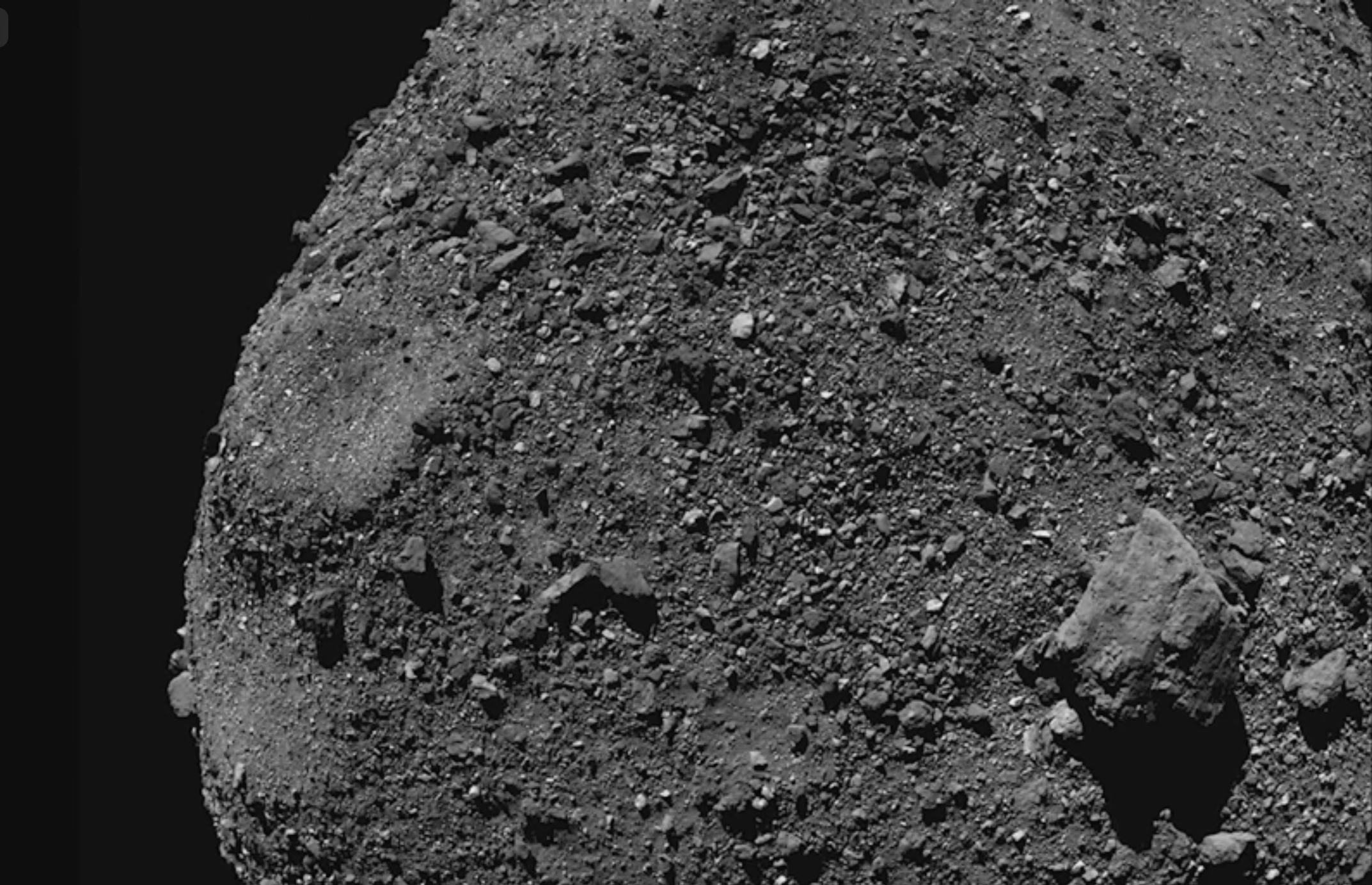
Today, we hope to receive a very special delivery: a capsule containing a sample of an asteroid.

The OSIRIS-REx mission has been in progress for over seven years. Today we find out if its ultimate goal is successful.

In Depth | OSIRIS-REx – NASA Solar System Exploration

The Origins, Spectral Interpretation, Resource Identification, Security-Regolith Explorer (OSIRIS-REx) is the first U.S. spacecraft to collect a sample from an asteroid. OSIRIS-REx traveled to near-Earth asteroid Bennu and is bringing a small sample to Earth for study…

The mission, developed by scientists at the University of Arizona, will give us more information about how the early solar system formed and about how life began. It will also help us better understand asteroids that could impact Earth in the future.

The plan is for the return capsule to land at the Defense Department’s Utah Test and Training Range. If successful, humanity will have the opportunity to study pristine asteroid material.

Interested in videos, activities, and other information about the mission? Here you go:

OSIRIS-REx Resources – NASA Solar System Exploration

The capsule is expected to land at approximately 10:55am Eastern time. Want to watch the livestream? Me too:)

OSIRIS-REx Asteroid Sample Return (Official 4K NASA Broadcast)

* Spoiler alert! The mission was a success!

* * *
Read Full Post »

It’s that time again. If you are in the northern hemisphere on planet Earth, today is the Fall Equinox.

Autumnal Equinox 2023: First Day of Fall | Facts, Folklore & More | The Old Farmer’s Almanac

After the autumnal equinox, days become shorter than nights as the Sun continues to rise later and nightfall arrives earlier. This ends with the winter solstice, after which days start to grow longer once again. 

The word “equinox” comes from Latin aequus, meaning “equal,” and nox, ”night.” On the equinox, day and night are roughly equal in length.

Why just “roughly” equal in length?

Why day and night aren’t equal length on an equinox

Firstly, the sun has a size—it’s not just a point in the sky.… Secondly, the Earth’s atmosphere refracts (bends) sunlight.

What does the ebb and flow of axial luminescence look like from space?

NASA: Seeing Equinoxes and Solstices from Space

For more on the “why” of seasons, check out this explainer:

What Causes the Seasons? | NASA Space Place

* * *

Photo by Alicia Petresc on Unsplash

Read Full Post »

NASA just released a report on the current status of research on unidentified anomalous phenomena, more commonly referred to by Area 51 enthusiasts as UFOs.

Here’s the full report:

UNIDENTIFIED ANOMALOUS PHENOMENA: Independent Study Team Report

Don’t have time for the full document? Here’s a summary article:

NASA UFO report finds no evidence of ‘extraterrestrial origin’ for UAP sightings | Space

NASA’s UFO study team released its long-awaited first report today, and while its experts found no signs of extraterrestrial origins for reported sightings, the space agency is appointing a new chief to study the phenomenon.

The takeaway? Sorry, folks, it’s not aliens.

But.

When it comes to mysteries like these, we still have a lot more to learn. 

* * *

Photo by Gene Brutty on Unsplash

Read Full Post »

This week, you have a once-in-a-430 year chance to see a new comet. Comet Nishimura was just discovered last month, and will be gone by the end of the week.

Nishimura green comet: what is it, how to see it and when it will be back – NPR

Scientists determined that this comet takes about 430 years to orbit the sun.

So the last time it was visible from Earth was in the late 1500s — before Galileo Galilei pointed his telescope to the sky.

The last time this comet came through these parts was just a few years before Galileo invented his telescope. The comet was discovered just last month, by an amateur astronomer named Hideo Nishimura.  

There are good images of the comet as well as detailed location information here: The new comet Nishimura is closest to Earth today.

I should have posted this a few days ago, because the comet is now passing us. If you’re interested, the comet is visible this week with binoculars or a telescope, but only with effort and only from the northern hemisphere. Try looking toward the east, low on the horizon, before sunrise, and look for the constellation Leo.

I don’t have good binoculars or a telescope, but that’s fine. It’s enough for me to know that this comet, and so many other fascinating objects, are still out there. 

Waiting to be discovered.

* * *

Photo by Sten Rademaker on Unsplash

Read Full Post »

In Space

How Many People Are In Space Right Now?

Does what it says on the box. Fabulous!

* * *

Photo by Pixabay on Pexels.com

Read Full Post »

What does one of the great speculative fiction writers of our time have to say about AI (or at least, her own AI doppelgänger)?

Margaret Atwood: Murdered by My Replica?

Apparently, 33 of my books have been used as training material for their wordsmithing computer programs. Once fully trained, the bot may be given a command—“Write a Margaret Atwood novel”—and the thing will glurp forth 50,000 words, like soft ice cream spiraling out of its dispenser, that will be indistinguishable from something I might grind out. (But minus the typos.) I myself can then be dispensed with—murdered by my replica, as it were—because, to quote a vulgar saying of my youth, who needs the cow when the milk’s free?

* * *

Photo by Fernando Rodrigues on Unsplash

Read Full Post »

Images > Graphs

This week, we’ve touched on time lapse videos and astronomy, so let’s just round it out with an exoplanetary time lapse!

Stunning timelapse video captures 17-year journey of exoplanet around its star | Space

Beta Pictoris b’s footage was created by scientists who condensed videos created with real datasets that were collected between 2003 and 2020. 

* * *

Photo by Daniel Olah on Unsplash

Read Full Post »

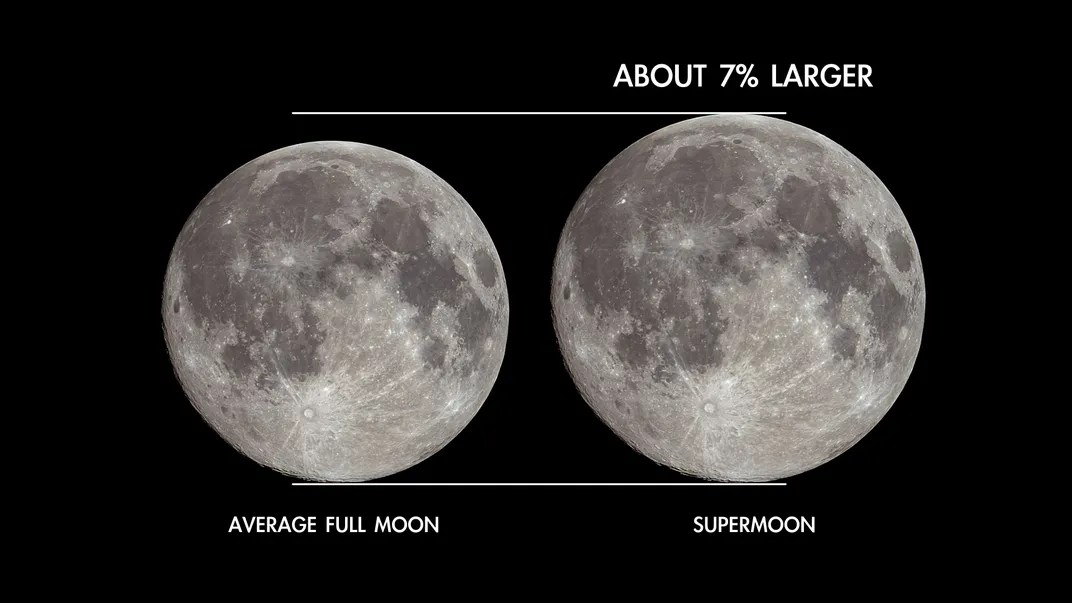
If you have clear skies tonight, take a moment to look up. There will be a super blue moon overhead, and if last night’s preview is any indication, it will be glorious.

How Rare Is the ‘Super Blue Moon’ Appearing in Skies Later This Week?

This special event is the coincidence of two uncommon moon traits: A supermoon, which occurs when the moon appears larger than usual, and a blue moon, or the second full moon in a month.

More on what and how!

Blue supermoon: what is it, when it peaks and how to see it – NPR

* * *

NASA / JPL-Caltech

Read Full Post »

Vroom!

Excerpt from a random discussion with my father, recreated here in case you too want to know:*

I’d include some interesting factoids about the speed of light or something, but I decided to make bread followed by a whipped cream cake (we finished the cheesecake last night), so I’ll end with this:

  • I should clarify: my father already knew the answer to this question. I have also learned that in the third grade he planned to be a rocket scientist. (Very cool.) The fact that I did not know this detail about light speed offhand tells you, fair reader, that I did not plan to be a rocket scientist.
    * * *
Photo by Anders Jildén on Unsplash

Read Full Post »

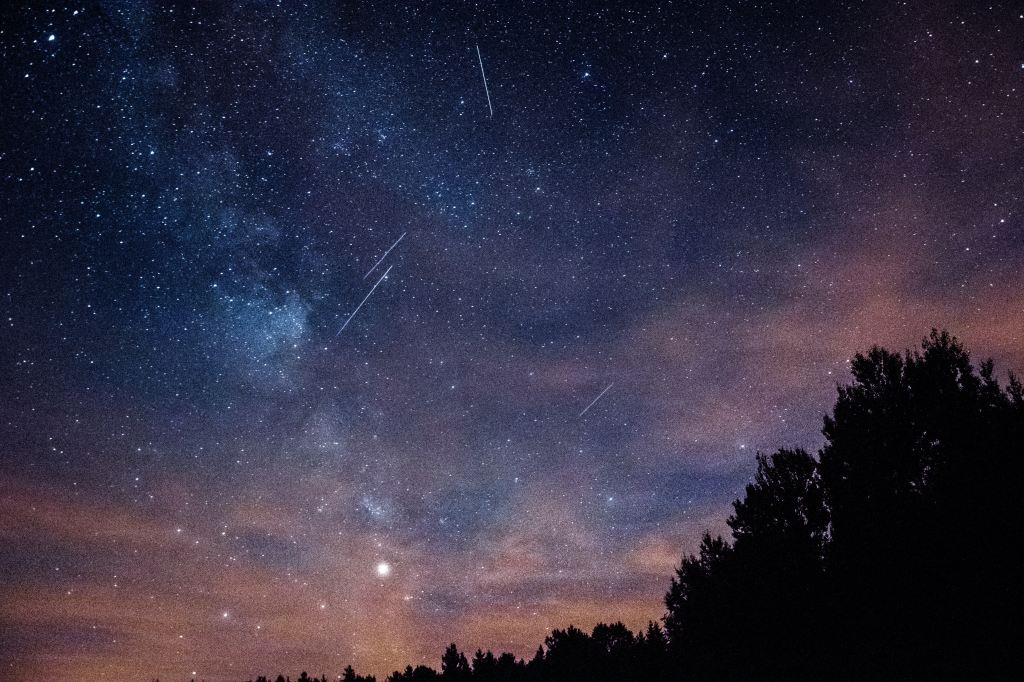
What are you doing this weekend? Maybe you have plans for an all-night rave this weekend, but if you’re free at some point between the hours of dark Saturday night and dawn Sunday morning, consider the Perseids.

That’s right, it’s that time again, for one of the best shows in the night sky, the Perseid Meteor Shower. And unlike last year, the Moon won’t be crashing the party.

Here’s a time-lapse video from 2021 to whet your appetite:

How to Watch the Highly Anticipated Perseid Meteor Shower | Smart News| Smithsonian Magazine

The Perseids are known to treat viewers to a fantastic display, and coupled with a particularly dark sky, this year’s show is shaping up to be one you won’t want to miss…

During a meteor shower such as the Perseids, Earth passes through a large cloud of debris in space. Right now, the planet is moving amid the rocks and ice left behind by the comet Swift-Tuttle, which last was seen from Earth in 1992. The 16-mile-long comet orbits the sun over a 133-year period, which means it won’t be seen again until 2125. But every August, its remains create the radiant Perseid meteor shower.

/rubs hands in anticipation

This weekend’s Perseid meteor shower is ‘worth staying up for’ | CBC News

While there’s a major meteor shower every month, there’s nothing quite like the Perseid shower for those in the northern hemisphere, with the warm summer nights and better chances of clear skies. And this year, Canada is in a particularly favourable position for the peak night of Aug. 12–13.

And what do you know? I’m in Canada!

Perhaps you’re interested in a bunch of complicated graphs and a cool “activity level” dial? The Global Meteor Network has you covered. 

Meteor shower flux

The dial shows the peak sum of activity from all currently active showers and the sporadic background in the next 24 hours.

More interesting background information:

The 2023 Perseids Meteor Shower – YouTube

Sky & Telescope gives advice on how to watch the 2023 #perseids and explains how the #Perseids are formed in this video. 

Not into staying up late? In that case, I recommend looking for new time lapse video of the weekend event on Monday morning. 

Because this weekend, the best show in the solar system will be right on our doorstep.

* * *

Photo by Michał Mancewicz on Unsplash

Read Full Post »

« Newer Posts - Older Posts »