“Evidently, I’d suffered an epiphany: the subconscious realization that when it comes to coolness, nothing the human race has ever invented is more cool than a book.”
As mentioned, I’m still having fun watching the Fish Doorbell, but I haven’t actually seen any fish. That’s fine, it’s more of a meditation than anything (and we could all use some zen right now, amirite?) but some days the world is grey and you just want to chill out with the ocean.
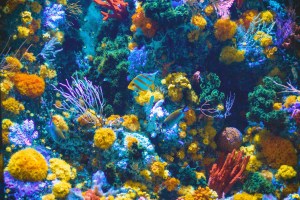
The Coral City Camera shows endangered corals that are thriving and remarkably resilient in the heart of Miami’s busy port. The live feed has helped scientists gain a new understanding of the value and beauty of something they call “urban corals.”
A thing I learned: “Rip rap are large pieces of rock that armor a shoreline, protecting it from erosion, storm surge and sea level rise.”
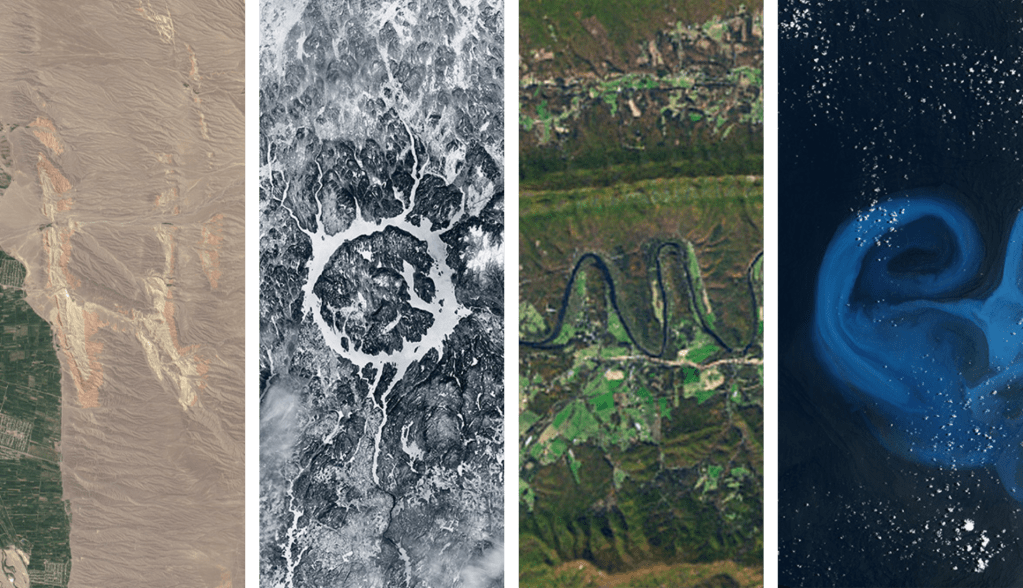
This Earth Day, NASA is sharing how — by building on decades of innovation—we use the unique vantage point of space to observe and understand our dynamic planet in ways that we cannot from the ground.
“Trying hard and working hard is its own reward. It feeds the soul. It affirms your will and your power. And it radiates from you, lighting the way for all those who see you.”
I’m still watching the Fish Doorbell (it’s been quiet at the times I’m on but it’s still fun), and now I’ve added a new livestream to my list of “things to watch when I need a minute of chill.”
If you also need a minute of chill, check this out:
Before Swedish slow TV hit “The Great Moose Migration” began airing Tuesday, Ulla Malmgren stocked up on coffee and prepared meals so she doesn’t miss a moment of the 20-day, 24-hour event.
Despite the many ongoing challenges of animals in the modern world, there’s something deeply comforting about this reminder that the non-human world continues to turn.
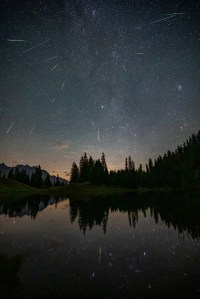
We’re coming up on Easter weekend, which often means sugar-crazed energy spikes, loud family gatherings, and other high-energy experiences. If you happen to be an introvert, or just need a break with a bit of science in it, try going outside at night and doing a little meteor spotting.
“You’re not going to see meteors from downtown Manhattan or Central Park,” Cooke said. “You need to find the darkest sky you can, you need to lay flat on your back and look away from the moon.”
Give yourself 30 to 45 minutes for your eyes to adjust to the dark, Cooke said — and from there, simply enjoy the show.
And if you’re watching the sky this weekend, you may see the Lyrids overlap with another meteor shower, the Eta Aquariids, which is a thing I just learned about. For more on meteors and their schedules, visit the Meteor Shower Calendar from the American Meteor Society.
So lay back, relax, and wave hello to these visitors from outer space.
Observations by the James Webb space telescope of a planet called K2-18 b appear to reveal the chemical fingerprints of two compounds that, on Earth, are only known to be produced by life.
Is it life? Maybe yes, maybe no, but either way? It’s progress. Very cool progress!








You must be logged in to post a comment.