After the autumnal equinox, days become shorter than nights as the Sun continues to rise later and nightfall arrives earlier. This ends with the winter solstice, after which days start to grow longer once again.
The word “equinox” comes from Latin aequus, meaning “equal,” and nox, ”night.” On the equinox, day and night are roughly equal in length.
This week, you have a once-in-a-430 year chance to see a new comet. Comet Nishimura was just discovered last month, and will be gone by the end of the week.
Scientists determined that this comet takes about 430 years to orbit the sun.
So the last time it was visible from Earth was in the late 1500s — before Galileo Galilei pointed his telescope to the sky.
The last time this comet came through these parts was just a few years before Galileo invented his telescope. The comet was discovered just last month, by an amateur astronomer named Hideo Nishimura.
I should have posted this a few days ago, because the comet is now passing us. If you’re interested, the comet is visible this week with binoculars or a telescope, but only with effort and only from the northern hemisphere. Try looking toward the east, low on the horizon, before sunrise, and look for the constellation Leo.
I don’t have good binoculars or a telescope, but that’s fine. It’s enough for me to know that this comet, and so many other fascinating objects, are still out there.
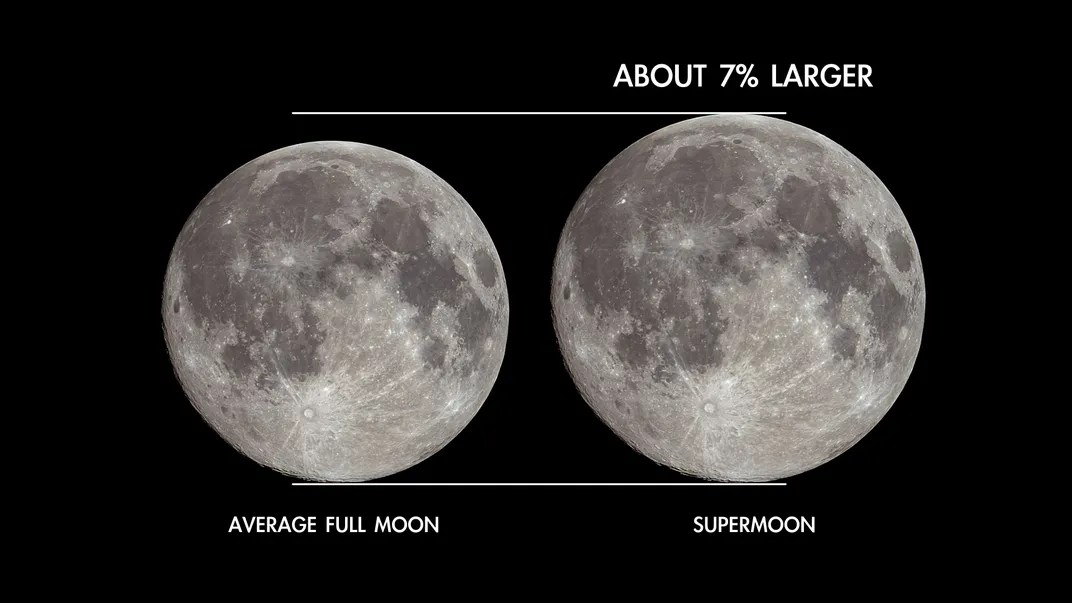
If you have clear skies tonight, take a moment to look up. There will be a super blue moon overhead, and if last night’s preview is any indication, it will be glorious.
This special event is the coincidence of two uncommon moon traits: A supermoon, which occurs when the moon appears larger than usual, and a blue moon, or the second full moon in a month.
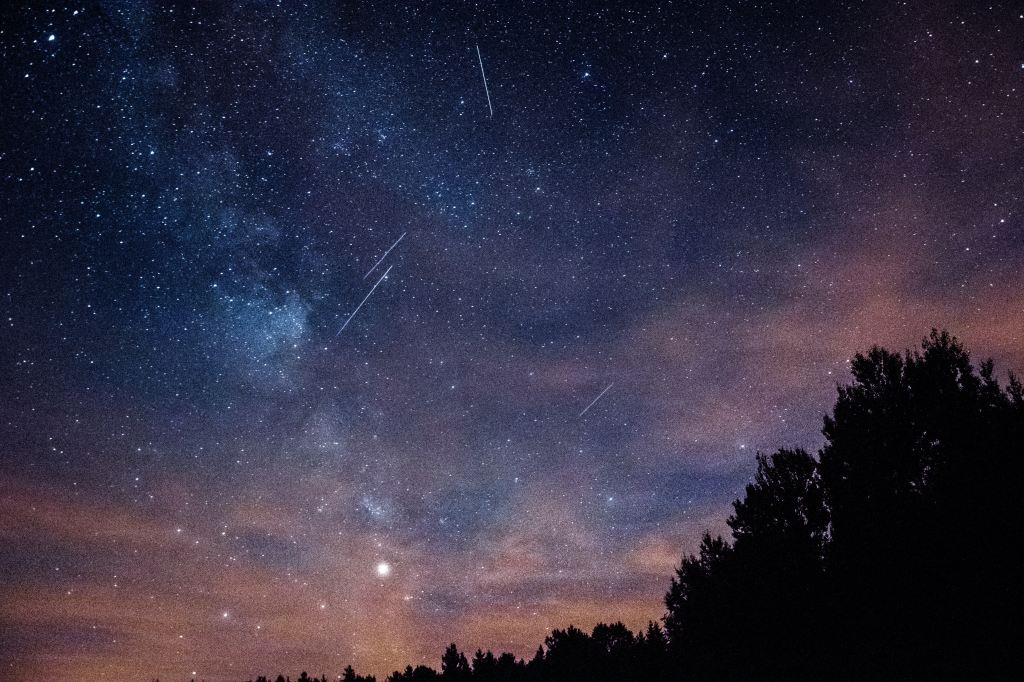
What are you doing this weekend? Maybe you have plans for an all-night rave this weekend, but if you’re free at some point between the hours of dark Saturday night and dawn Sunday morning, consider the Perseids.
The Perseids are known to treat viewers to a fantastic display, and coupled with a particularly dark sky, this year’s show is shaping up to be one you won’t want to miss…
During a meteor shower such as the Perseids, Earth passes through a large cloud of debris in space. Right now, the planet is moving amid the rocks and ice left behind by the comet Swift-Tuttle, which last was seen from Earth in 1992. The 16-mile-long comet orbits the sun over a 133-year period, which means it won’t be seen again until 2125. But every August, its remains create the radiant Perseid meteor shower.
While there’s a major meteor shower every month, there’s nothing quite like the Perseid shower for those in the northern hemisphere, with the warm summer nights and better chances of clear skies. And this year, Canada is in a particularly favourable position for the peak night of Aug. 12–13.
And what do you know? I’m in Canada!
Perhaps you’re interested in a bunch of complicated graphs and a cool “activity level” dial? The Global Meteor Network has you covered.
Happy summer solstice, everyone! (Fine, it’s called the June Solstice, but we all know what that means here in the Northern Hemisphere, don’t we? Summer!)
…Jupiter, Mercury, Venus, Uranus, and Mars will dazzle us earthlings this week.
Unfortunately, our night skies tend to be washed out but I’m hoping to see at least part of this planetary parade. If you do too, try heading out after sunset.
Wait until the sun has set and then go out and look low in that bright part of the sky where the sun has just set with binoculars, and you should see brighter Jupiter next to fainter Mercury.
For those of us in the Northern Hemisphere, today is the Autumnal Equinox. I’ll miss the sun and sandals and the color green, but think of what we get in return: bright leaves, harvest time, crisp blue skies, walks in the woods, evenings with books and hot chocolate by the fire.
(And it’s not like we have a choice so we might as well make the most of it;)
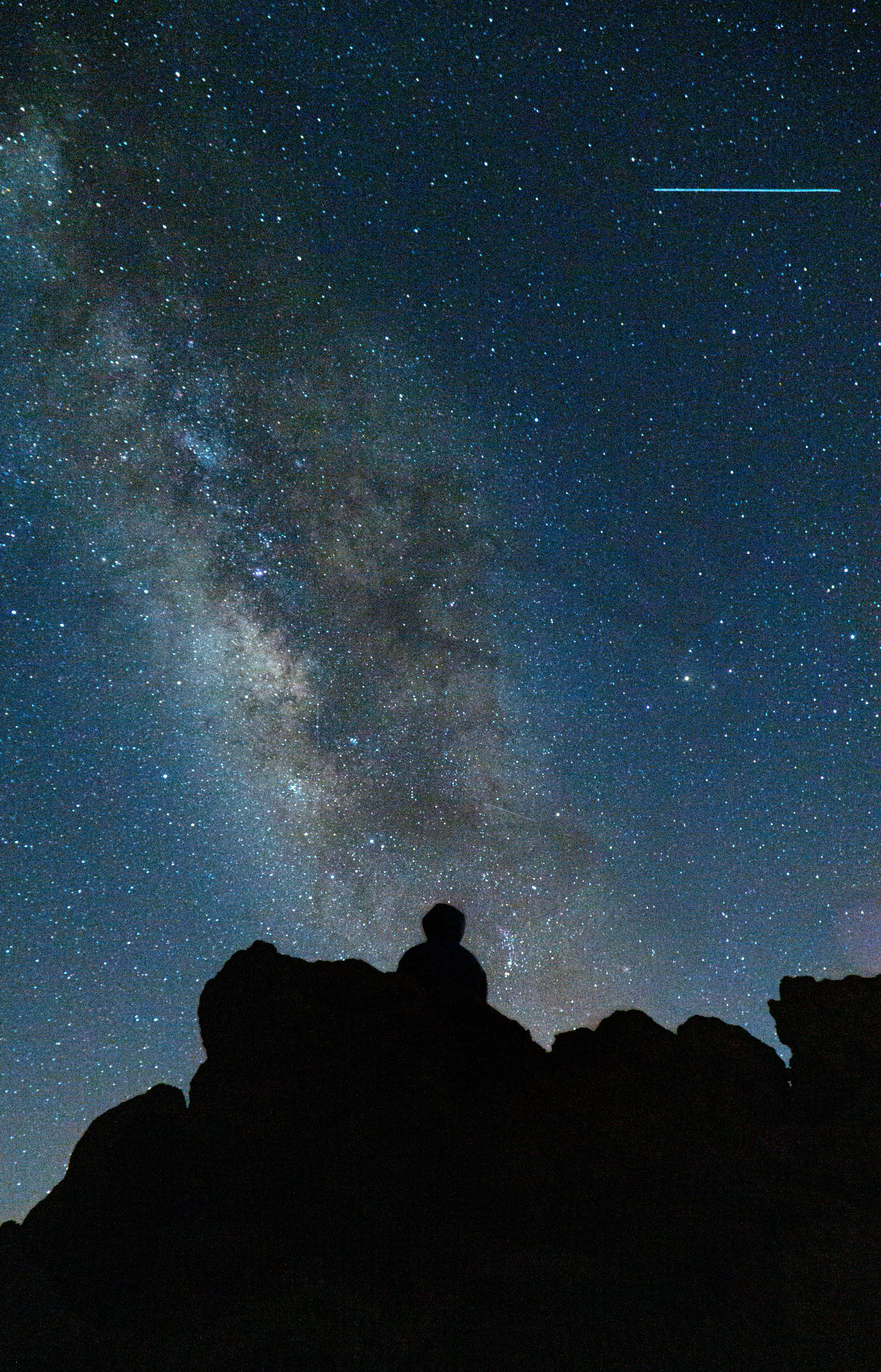
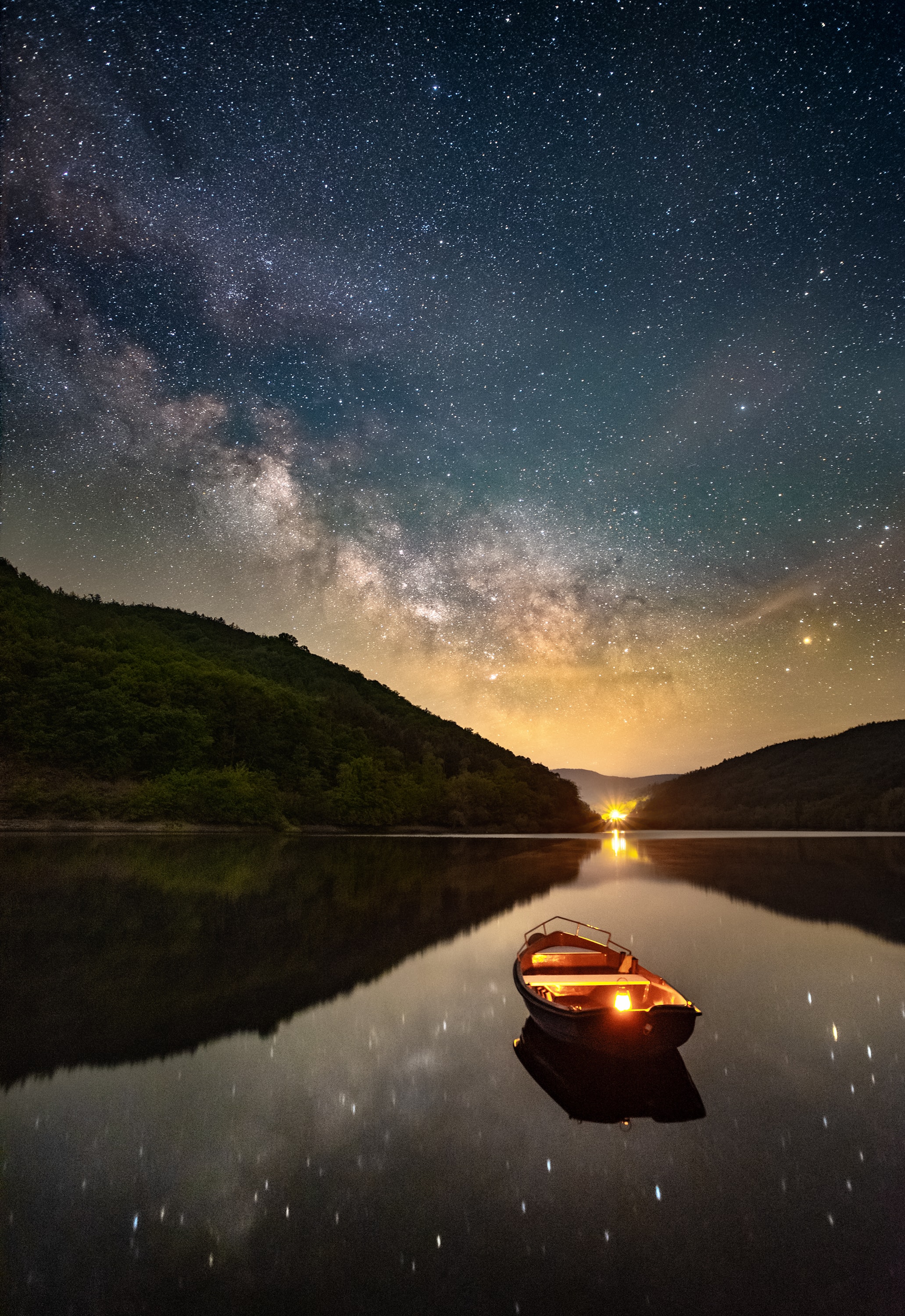
How are stars made? You know, those celestial bodies illuminating the sky, happily burning until they get tired of that and become star dust, the components of which we are made.
“The cosmos is also within us. We’re made of star stuff.”
— Carl Sagan
Check out this simulation of a star forge.
If this is the forge, is dark matter the anvil?
How do stars form? Most form in giant molecular clouds located in the central disk of a galaxy. The process is started, influenced, and limited by the stellar winds, jets, high energy starlight, and supernova explosions of previously existing stars. The featured video shows these complex interactions as computed by the STARFORGE simulation of a gas cloud 20,000 times the mass of our Sun.
I’m also making today, although nothing as dramatic as stars. More like yogurt, a project that required the sewing machine, and a hack for our leaky dishwasher (yes, another appliance is on the road to obsolescence; they really don’t make them like they used to).
I’m also heading into the workshop to make things out of wood. Well, to remember how to make things. And find my tools. And my respirator. And my wood turning clothes. It’s been a while (thanks, Covid)!
My projects won’t be as dynamic or lovely as a star (or Chopin’s music, for that matter).
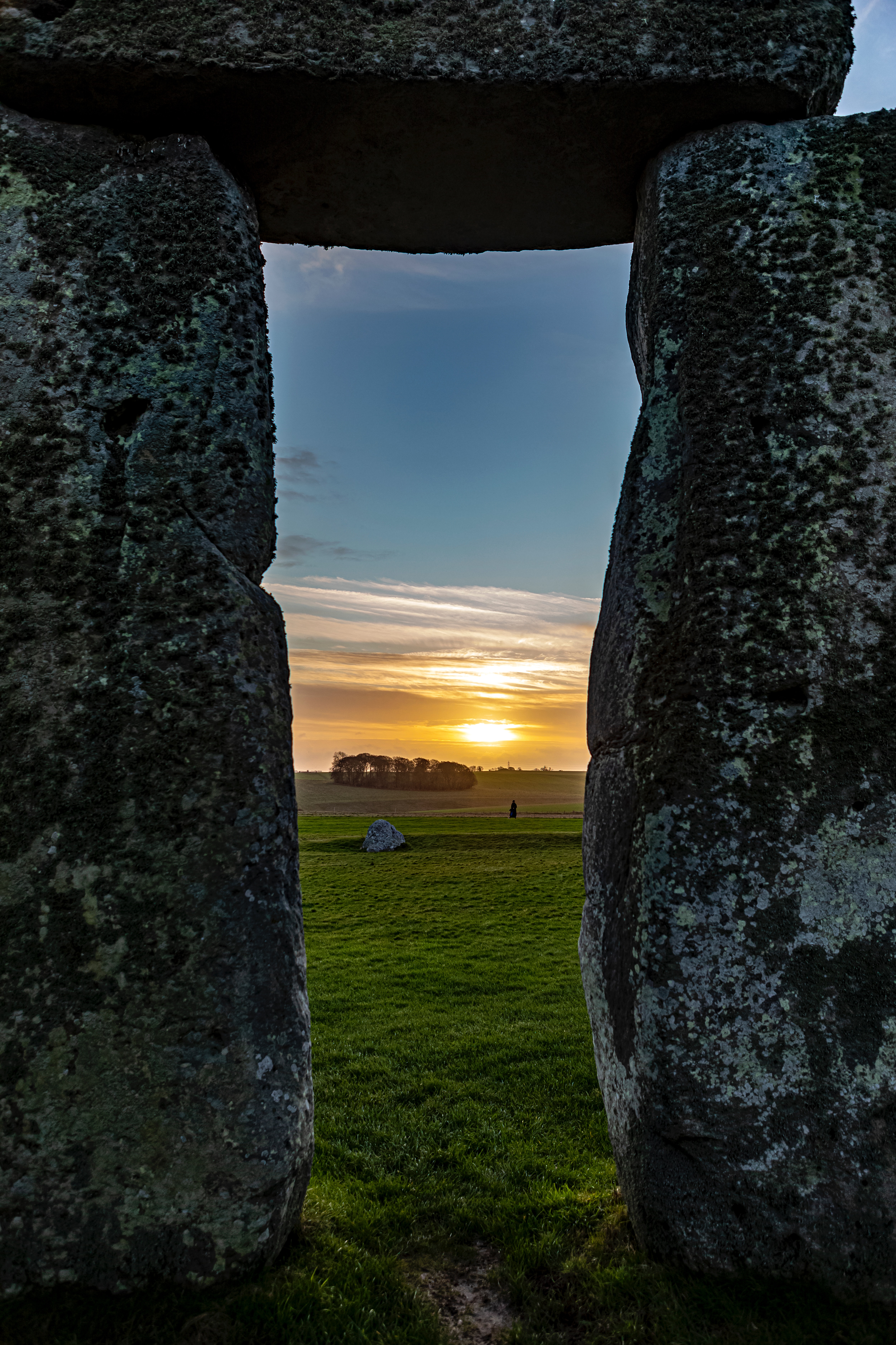
Today is the autumnal equinox, or the official start of Fall. I like to think of it as the Universe giving all of us here in the Northern Hemisphere a pat on the arm and a kind word to prepare us for that whole Winter thing.
What is It saying? When it comes to the grand workings of the Universe it’s always difficult to be sure, but I imagine the conversation goes something like this:
“Now now, Winter’s still a ways off and hey, you had a good Summer, right?”
(inarticulate mumblings about sunburn and too many mosquito bites)
“Well, not to worry. We know Winter is hard so We try to ease you into it with the likes of apple pie and hot cider.”
(sniffles, with a muffled acknowledgement that pie is really quite nice)
“And remember how much you liked that new recipe for spicy beef stew? Pull yourself together, dear, it will be fine.”
For those who prefer a slightly more technical explanation of the experience on which we are all about to embark, a few more details…
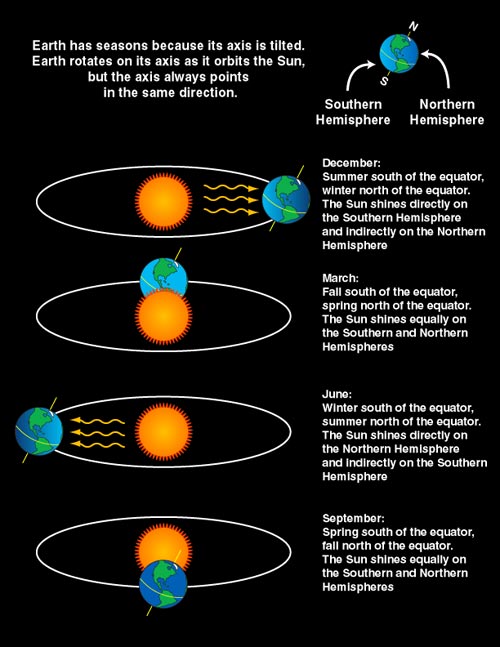
Solstice: occurs when the Sun is the farthest away from the celestial equator, or the imaginary line above the Earth’s equator. This happens twice a year, around June 21st (when it reaches the northernmost point) and December 21st (when it reaches the southernmost point).
Equinox: marks the time when the Sun crosses the celestial equator. Day and night are (close to) equal length. This happens twice a year, around March 20th (vernal) and September 22st (autumnal).
Would you like to know more? Check out Time & Date or Royal Museums Greenwich or EarthSky for additional information, helpful diagrams and fun facts (like Chichen Itza’s Snake of Light).
I do love pie and cider and crisp autumn days and bright red leaves. Today I’m also grateful that marking such astronomical events no longer requires human sacrifice, for the word “phenology,” and for the reminder that in spite of everything, we all see the same sky.






You must be logged in to post a comment.