Feeds:
Posts
Comments

Posts Tagged ‘birds’

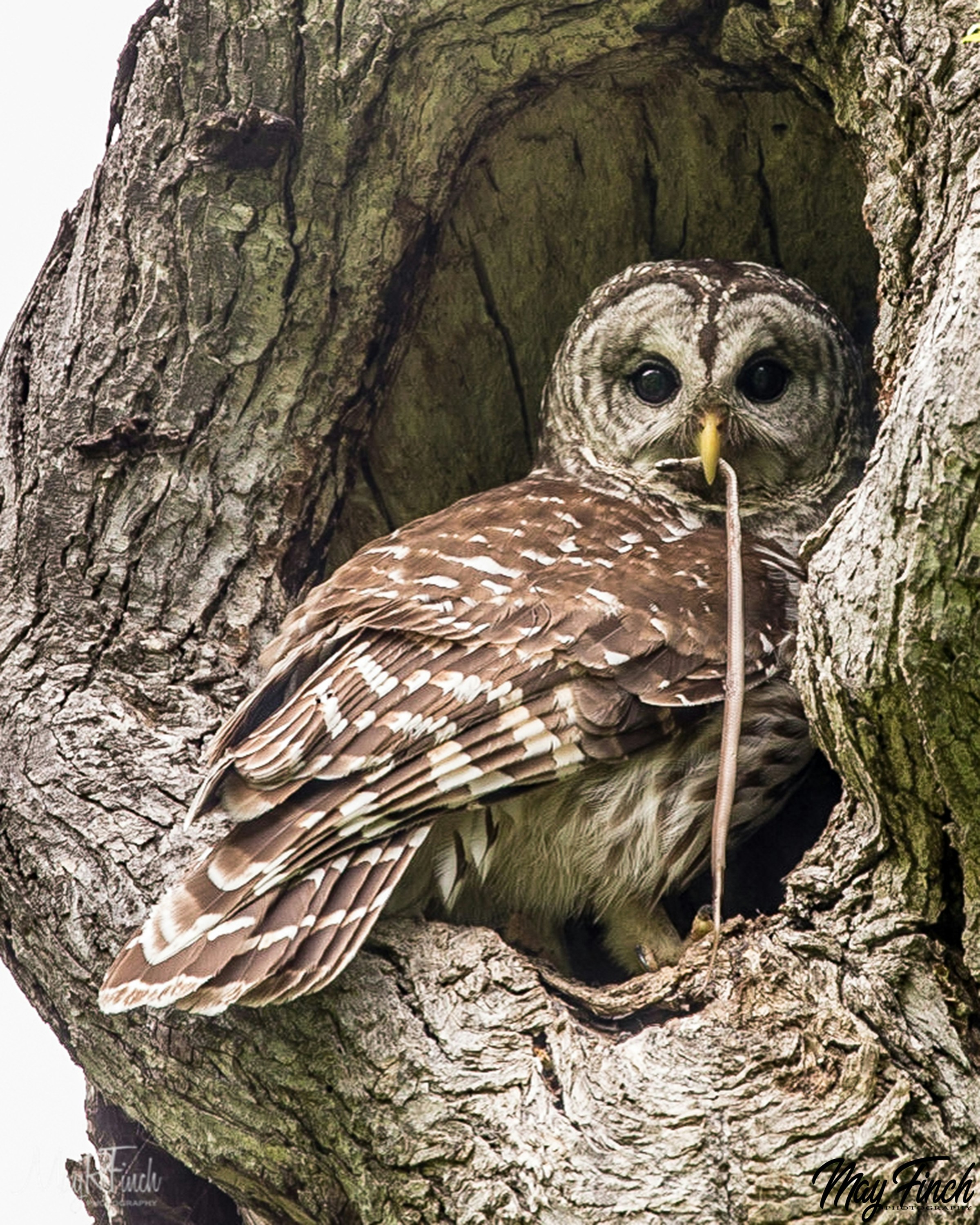
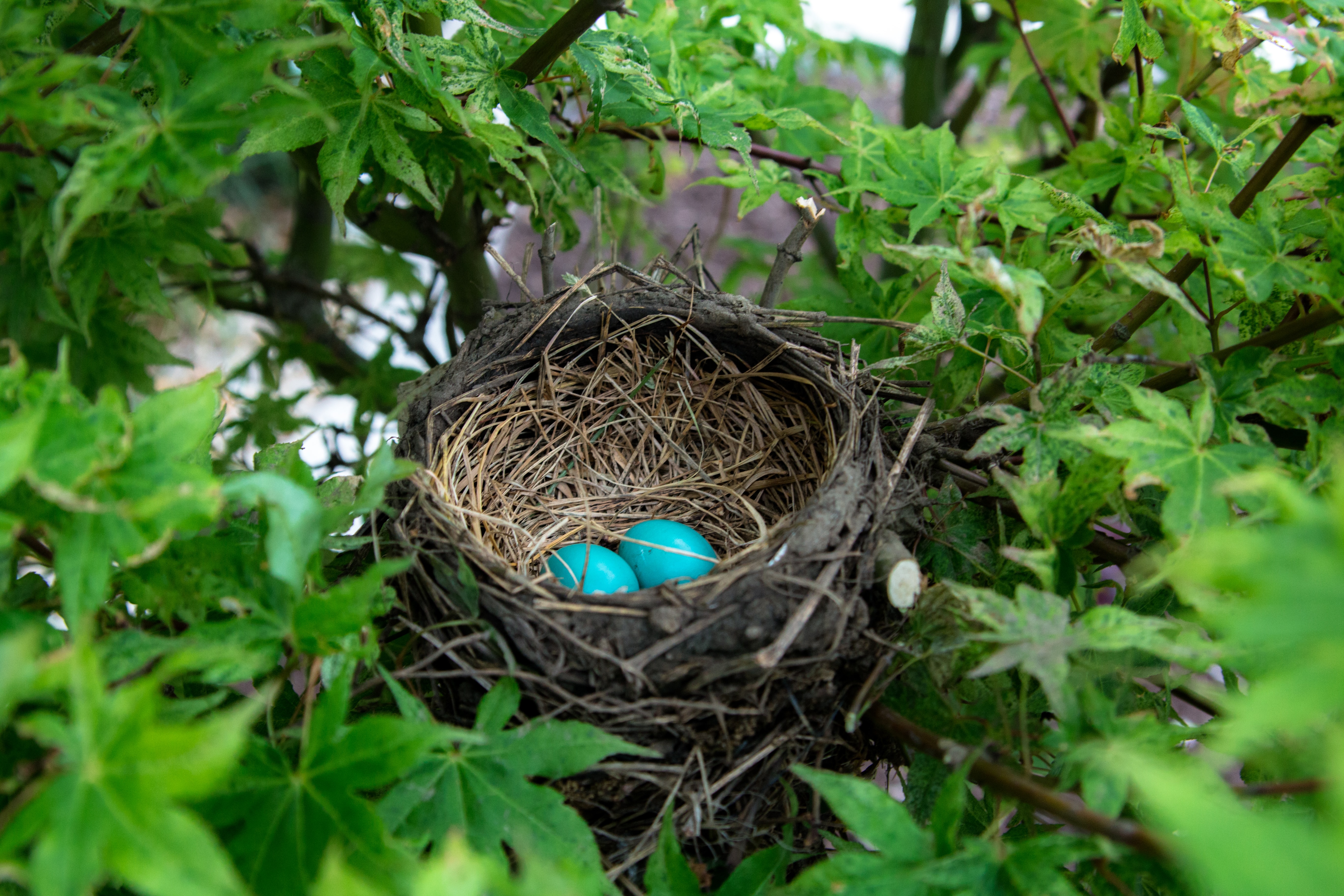
Despite the last-gasp storm a few days ago, spring is very much underway and nature is rising to the challenge. That means babies. One of our local bird shops set up a nesting box, complete with cameras. Curious about the family life of the barred owl? This one’s for you!

WBU Barred Owl Cam | Interior and Exterior Owl Nest Box Camera Views | Wild Birds Unlimited

Our live streaming video feeds are up and running, ready to immerse you in the enchanting world of these magnificent creatures.

The view outside the nest:

Rude but fascinating view inside the nest:

* * *

Photo by May Finch on Unsplash

Read Full Post »

John Oliver’s recent shenanigans in New Zealand’s Bird of the Century contest has me thinking about birds, and I remembered this site from the Cornell Lab of Ornithology

Wall of Birds

This interactive mural showcases 270 of the interesting birds around us. Zoom in and click to learn more about each species. And if New Zealand’s competition wasn’t enough for you, you can vote for your favorites.

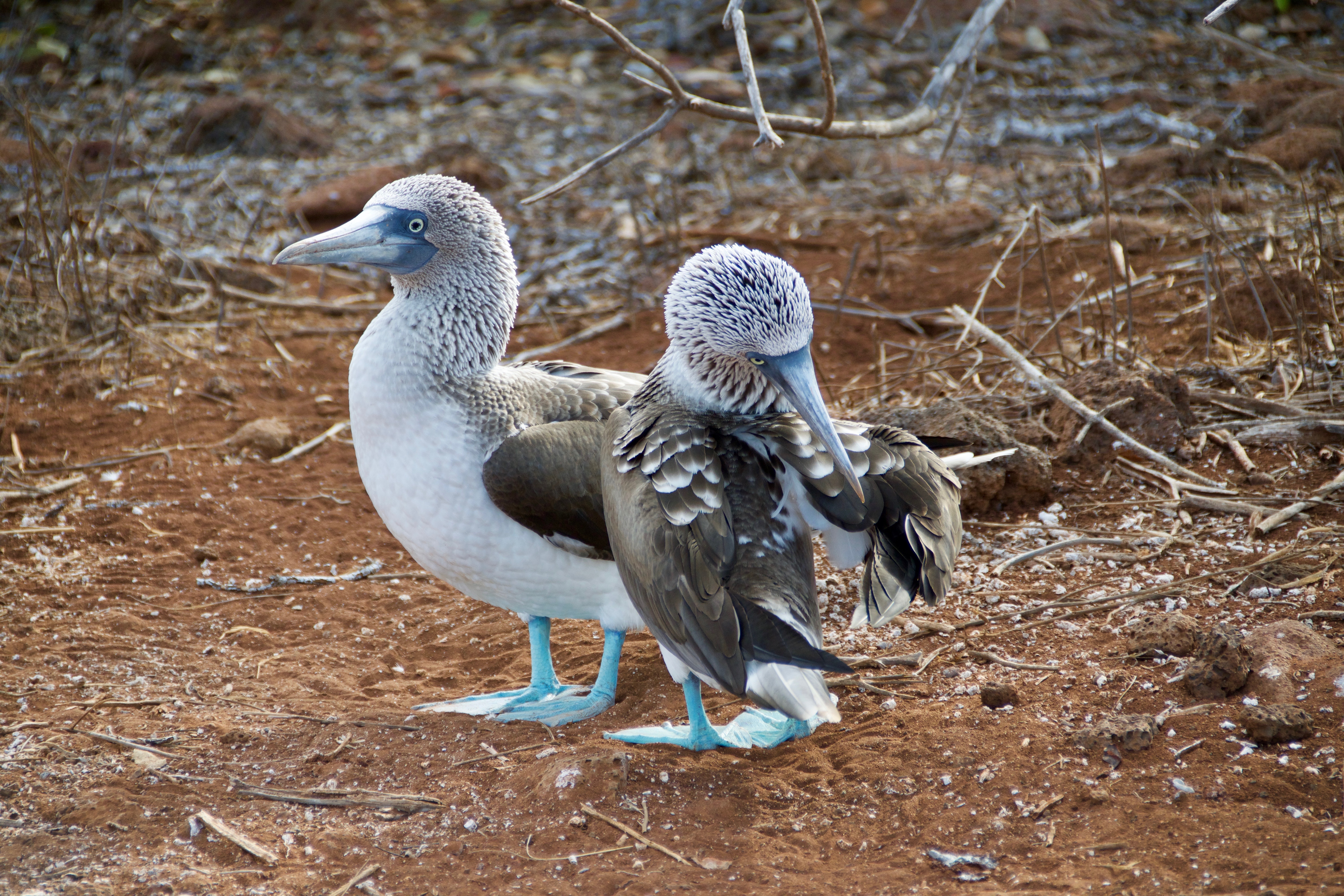
I enjoy a lot of these birds (the Drongo, Lilac-breasted Roller, Hoopoe, puffins!), but the Blue-footed Booby looks like it took a wrong turn and missed the “Caution: Wet Paint” sign. Delightful.

* * *

Photo by Andy Brunner on Unsplash

Read Full Post »

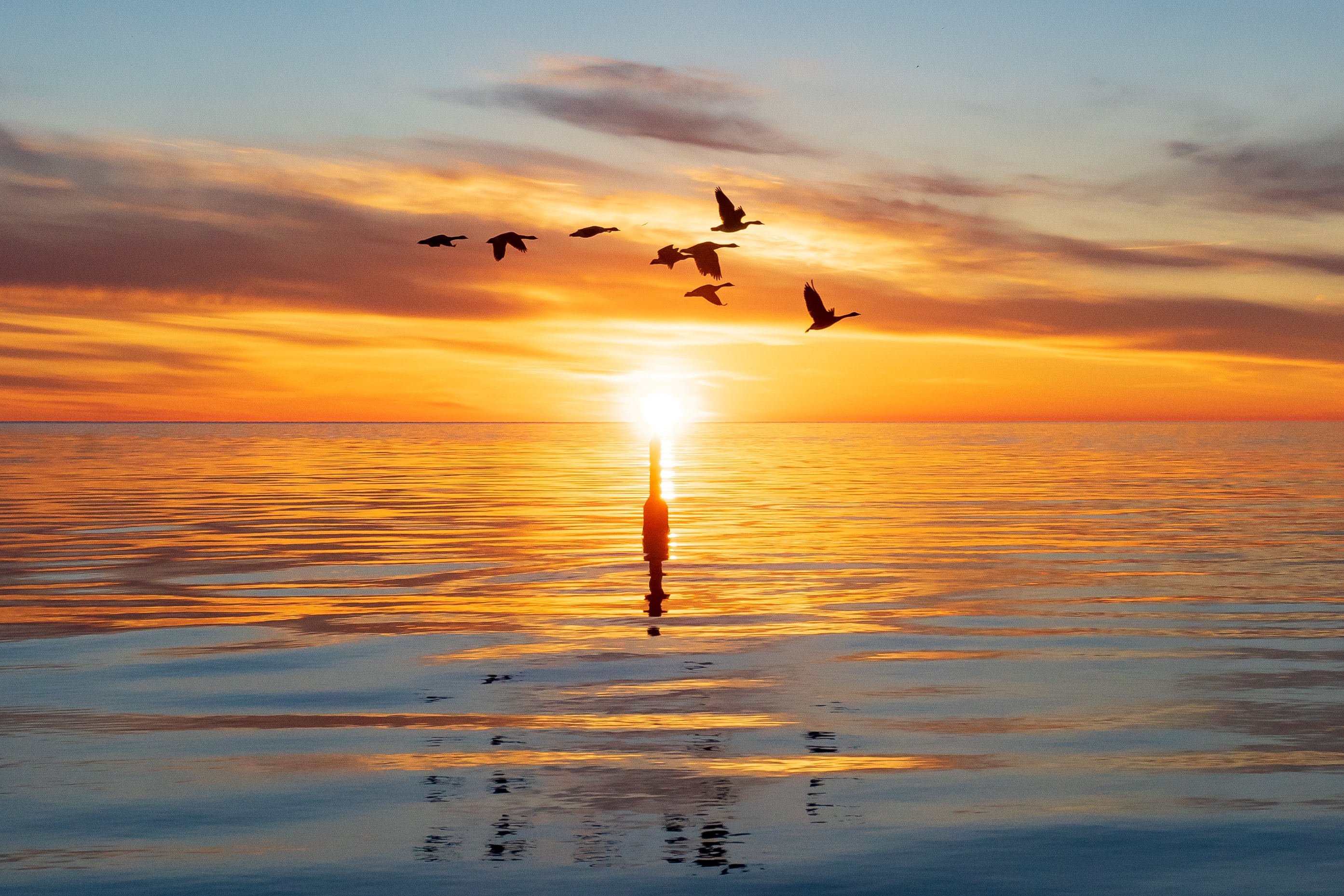
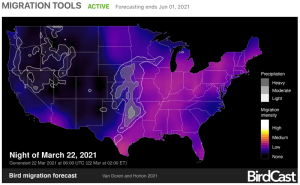
It’s migration season and millions of birds are, right now, flooding the skies. I grew up noticing flocks of geese arrowing their way south but migration is much more than that.

According to BirdCast’s tool, 347 million birds are predicted to be on the move across the US tonight.

For those of us in other Western hemisphere locales, this site beautifully illustrates the interconnected flow of birds by type and pathway. 

Bird Migration Explorer

A quick search of my area shows the paths of eagles, thrushes, gulls, woodcocks, owls, scoters (had to look that one up), whip-poor-wills, hawks, sandpipers, warblers and more.

* * *

I’ve written about bird migration before but this post has a more specific call to action. Nothing too hard, just a polite request: for the few weeks when migration is at its peak, dim your lights if you can.

Opinion | Lights Out, America! (Songbirds Are Counting on Us.) – The New York Times

Migrating birds are vulnerable to many hazards: predators, extreme weather, insufficient food and insufficient water. Glass is particularly treacherous. Expanses of glass — windows without mullions, storm doors, skyscrapers — are the worst.

Good news? When it comes to lighting and windows, there’s usually an easy fix.*

I’ve tried the UV stickers designed to show birds where not to fly but they were just so-so.

Remember those little gold stars teachers sometimes give out? I picked up a batch and have used them to give the patio doors “Bird-friendliest glass in the neighborhood” awards. The upside is that these stars are cheap and easy to replace. The downside is that they are made of paper and, while they last a surprisingly long time considering, they are still just paper. I’ve had to replace them at least once a season.

This year I upgraded to purpose-built stickers designed both for birds and the great outdoors. This is the company I used but I’m sure there are others (no affiliation, just a satisfied customer): Feather Friendly.

Easy, satisfying, and one step toward being a better neighbor to nature.

At our best as a species, this is what we do: We change our ways to protect others, and then we adjust to the new ways. Soon, we can’t remember doing things differently.

Margaret Renkl

* For more about this problem and potential fixes, including Lights Out programs and building guidelines, check out What You Should Know About Bird Migration and Light Pollution and Bird-Safe Design Guidelines.

* * *

Photo by Michael Krahn on Unsplash

Read Full Post »

While I engage in the joy that is Tuesday and also wait for a bit of family news, here’s a window into the happy, hyperactive world of the West Texas hummingbird.

For more live bird cams (including some involving things you shouldn’t do with a squirrel!), visit Cornell Lab Bird Cams.

* * *

Read Full Post »

I woke to a robin. 

First thing this morning, I glanced out the window and frowned. An odd little lump sat by the back tire of Mr Man’s car. My eyes aren’t great on the best of days and less so at 6:30 in the a.m., so I had to squint a little before I understood what I was seeing.

Juvenile robin. Not moving. Or… scratch that. Moving oddly.

Hop, shuffle, hop. Shuffle, hop, shuffle. Not going anywhere fast.

It looked like a wing problem, then I realized that it could be a leg problem and the wing was extended for balance.

I conducted a bit of research via the Ottawa Valley Wild Bird Care Centre, a great place that has been helping birds in the area for decades. They took in a mourning dove that hit our back window about a week after we moved in. (Turns out that spring sun renders the living room windows effectively transparent unless you add little stickers to the panes. The Center even gave us a number so we could track the bird’s progress. You’ll be happy to know that while it had a broken wing and pelvis, after months of treatment it recovered and was released with a flock of other doves. So it wouldn’t be lonely.)

Since we’re on the topic, here’s my related story about birds and window strikes: Things I Learned Today, or, Sometimes They Fly Away

* * *

Fledgling birds, including robins, often find themselves out of the nest and still learning to fly. That is to be expected. 

If you are unsure if a fledgling is being cared for by its parents, watch from a distance for at least two hours…

The Center was closed anyway so we waited. The bird moved a little, then a little more. The leg still looked odd, though, so we decided it might be time to try to coax it into a comfortable and well-ventilated box and go visit the doctor.

Um, no.

The bird’s wings were working just fine. It wasn’t flying very far but it was flying, and not at all interested in taking a ride to our friendly neighborhood wildlife rehabbers.

The activity was encouraging, actually. The robin flitted. It hopped. It hid under a giant bush. What to do?

Not much. Short a Wile E. Coyote-style net and lots of dramatic, stress-inducing flailing around, there weren’t a lot of alternatives. I edged a little dish of water under the bush and backed away. 

We’ll keep an eye out for the bird and try again if it appears to be in distress, but for now, nothing more.

Sometimes there aren’t many options, and while I lean toward action, sometimes the best thing to do is nothing at all.

* * *

Photo by Landon Martin on Unsplash

Read Full Post »

In memory of the pretty tree in full bloom around the corner, which our neighbor just cut down.

Also, it’s Tuesday.

(This is the part where I like to bring it back to a cheerful ending. Right. Hmm.)

Ah yes! I’m making excellent progress on the bird front, lots of goldfinches, robins, cardinals, chickadees, juncos and sparrows. Nature finds a way, even if it sometimes needs a little help:)

* * *

“The tree which moves some to tears of joy is in the eyes of others only a green thing that stands in the way. Some see nature all ridicule and deformity… and some scarce see nature at all. But to the eyes of the man of imagination, nature is imagination itself.”

― William Blake
Photo by bantersnaps on Unsplash

Read Full Post »

I may have mentioned my unspoken, one-sided, possibly small-minded battle with the neighbors for “Favorite Neighborhood Bird Oasis.” For years, our backyard was the place to be, featuring sustainably under-managed undergrowth, a giant tube feeder full of black oil sunflower seeds, a bird bath with water three times a day in summer, and a heated bath in winter. What more could a bird want?

What the neighbors now have, apparently. Feeders that are easier for squirrels and larger birds to break into, a bird bath with a powered fountain, and oh yes, even more feeders (I think they have about a dozen).

So I’m out numbered and outgunned, but not giving up. I’m plotting next steps, including a new feeder with nyjer seed for the finches and more bird-friendly spring plantings.

The bad news is that I’ll probably still lose because I also don’t want to be out there twice a day refilling feeders decimated by all of squirreldom.

The good news? This all spells a net gain for the local wildlife, no matter what.

So, win win. That’s the kind of fight I like. 

* * *

Photo by Miikka Luotio on Unsplash

Read Full Post »

This is a lovely piece about a ship, a bird, and making the most of even trying circumstances. It’s a message I think we could all use right about now:)

What a Songbird Lost at Sea Taught Me About Survival | Audubon

She has reminded me that all of us can find ourselves lost. Winds don’t only carry songbirds to sea.

And here, floating atop this undulating unknown, Homeslice reminds me I am still on Earth. There is air and water, light and dark, and there is life in all forms, including restless humans, migrating birds, and the symbiotic methane-fueled fan worms discovered on our trip. Including even the sort-of-living viruses that plague us. We travel the wind, walk on land, float in currents, or remain anchored in sediment. We’re all surviving on this spinning island in the cosmos. And there’s more than one way to survive, even at the bottom of a sea of Mondays.

* * *

Female Scarlet Tanager, Ottawa, ON
Matt Osborne, CC BY-SA 4.0, via Wikimedia Commons

Read Full Post »

(Being me, I couldn’t resist a Hobbit reference, but this post is about migratory birds in general. No Goblins allowed!)

* * *

We’ve still got two feet of snow on the lawn but the signs of Spring are everywhere. Melting ice, the smell of skunk in the night, and Canadian teenagers in shorts and T-shirts (it is above freezing, after all). And soon, the birds will be back. Last evening I heard a flock of Canada geese heading for the river, and they aren’t the only avian adventurers heading our way.

If you are interested in the when and where of bird migrations, you’re in luck. From now through the end of May you can track migration forecasts, get location-based alerts, and learn more about what’s happening in Birdlandia. 

BirdCast – Bird migration forecasts in real-time

* * *

And as for those eagles, and other birds of prey? Check out this story about a suffragist and bird lover who established Pennsylvania’s Hawk Mountain Sanctuary in 1934. It’s an incredible place, and is why I am lucky enough to know what it’s like to watch from the edge of a stone outcropping while hawks ride the thermals mere feet away.

Breathtaking.

How Mrs. Edge Saved the Birds | Smithsonian Magazine

The abundance of raptors at North Lookout owes a great deal to topography and wind currents, both of which funnel birds toward the ridgeline. But it owes even more to an extraordinary activist named Rosalie Edge, a wealthy Manhattan suffragist who founded Hawk Mountain Sanctuary in 1934. Hawk Mountain, believed to be the world’s first refuge for birds of prey, is a testament to Edge’s passion for birds—and to her enthusiasm for challenging the conservation establishment. Bold and impossible to ignore, she was described by a close colleague as “the only honest, unselfish, indomitable hellcat in the history of conservation.”

* * *

A story from that trip, with recipe:

Mrs. Shaw’s Chakchouka

(adapted from The New York Times Large Type Cookbook)

Notes from my father: Here’s the best story I have about this recipe; this happened at Hawk Mountain. We were there to see the raptor migrations in October. We were camping at a nearby state park and it was freezing, in fact it snowed. We were cooking chakchouka for 4 in a big pan over a Coleman stove. Right near the end of the cooking we picked up the pan to serve everyone and it tipped and spilled a large part of dinner into the dirt. You two were off running around in the woods somewhere, so we both looked at each other and then at dinner in the dirt, looked back at each other, then brushed the dirt off and put it all back in the pan. It was actually still pretty good. You know in statistics “robustness” means that you can violate the rules a lot and the results still hold, so you could say that this is a very robust recipe.

  • 3 links Italian sweet sausage, cut into 1-inch pieces
  • 2 Tbs. olive oil
  • 2 onions, finely chopped
  • 2 cloves garlic, minced
  • 1 green pepper, diced
  • 1 tomato, diced
  • 2 potatoes, diced
  • 1 cup water
  • Salt and pepper
  • 3 eggs, lightly beaten
  1. Sauté sausage pieces in a large skillet until browned.
  2. Add olive oil, onions and garlic and cook 3 minutes.
  3. Add green pepper, tomato and potatoes and cook 2 minutes longer.
  4. Add water and allow mixture to simmer, uncovered until potato is tender. Season with salt and pepper.
  5. Stir in eggs and continue to cook, stirring, until eggs are done, about 2 minutes. Garnish as desired.

Serves 4.

* * *

Photo by Tim Mossholder on Pexels.com

Read Full Post »

Yesterday’s post was a long one and right now, the federal tax institutions of two countries are calling my name. Also my wallet.

So today we have a technique using Affinity Photo to make a picture look more like a painting. Compare the original vs. modified versions below and you’ll see that the method isn’t exact, but it’s a quick and easy way to take the edges off reality.

(And the way taxes usually go, that will probably come in handy;)

* * *

Original Photo by David Clode on Unsplash
Original Photo by zhengtao tang on Unsplash

* * *

Also, I like birds and fish. Enjoy your weekend!

Read Full Post »

Older Posts »