Feeds:
Posts
Comments

Posts Tagged ‘look up!’

This week, Venus and Jupiter are in planetary conjunction, and unlike some astronomical events this one should be easy to see. 

Conjunction from Avebury

To see Venus and Jupiter together this month, you won’t need binoculars or even a telescope. Just look up after sunset and you’ll find them emerging as the sky grows dark near the western horizon.

Venus-Jupiter conjunction: Sky’s 2 brightest planets meet (includes a helpful video for orientation)

Venus and Jupiter – the sky’s 2 brightest planets – are shining together in the west after sunset. They were closest on June 8 and 9. But June overall offers your best opportunity to see them together.

Even more photos to pique your interest: 

Jupiter and Venus dazzle in planetary conjunction photos. Here are our favorites | Space

Enjoy the dance!

* * *
Read Full Post »

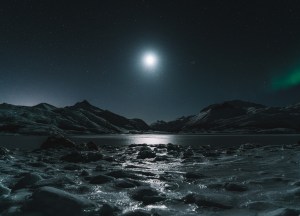
If you missed yesterday’s blue moon, don’t worry, it will still look full tonight too. And as I should also have mentioned, it’s a micromoon (the opposite of a supermoon). The moon is at apogee, or as far from us as it can get. Right now, that’s about 251,000 miles away. 

Here’s a NASA Astronomy Picture of the Day showing the difference between a supermoon and a micromoon. It’s not nothing! 

If you have a chance to see the (almost) full moon tonight, count yourself lucky. The next blue micromoon won’t happen until 2053.

* * *

Read Full Post »

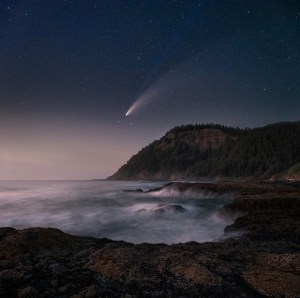
NASA reminded me that we have a new, if transitory, neighbor in the skies overhead. The comet PanSTARRS is making a quick visit and tonight is the closest it will come to the sun.

APOD- 2026 April 18 – PanSTARRS and Planets

This is a good weekend for northern hemisphere comet watchers to try to catch PanSTARRS an hour or so before sunrise, as the comet grows brighter approaching its perihelion on April 19. On April 26 the comet makes its closest approach to our fair planet but by then will be difficult to see in the solar glare. Good views of this comet PanSTARRS in late April and early May will be from the southern hemisphere.

If your skies are clear and dark, check it out!

* * *

Read Full Post »