Feeds:
Posts
Comments

Posts Tagged ‘moon’

Sadly, it looks like the Ispace lander Resilience did not make a successful landing on the moon yesterday. (If it did land, it’s harboring enough resentment about the process that it’s refusing to pick up the phone.)

Ispace fails in moon landing attempt, confirms Resilience likely crashed into the moon | CNN

Ispace has gone out of its way to make clear that it’s not giving up. The motto underpinning today’s mission was “never quit the lunar quest.” And by all accounts, the company has every intention of sticking with these moon missions until they succeed.

Let this be a lesson to all you aspiring creatives out there. Never quit! (And maybe name the next lander Persistence?)

* * *

Read Full Post »

Tonight, a little astronomy-related drama!

North America will have a blood worm moon this week. Here’s how you can see it

Late Thursday night or Friday early morning, North Americans with clear skies can look up to see a full moon with a beautiful reddish hue. 

What to know about March’s full “Blood Worm Moon,” a total lunar eclipse

March’s full moon, known as the Worm Moon, will pass into Earth’s shadow on the night of March 13, or early on March 14, depending on the time zone, according to NASA. This eclipse will be visible from Earth’s Western Hemisphere.

While the peak of the eclipse will happen in the middle of the night (my time, at least), we should be able to see the event begin as the red(dish) moon rises around 7pm. 

Why red? The color can vary based on the Moon’s path and the Earth’s atmosphere. The shade is measured on the Danjon Scale, which is a thing I hadn’t heard of but absolutely needed to know!

Danjon Scale of Lunar Eclipse Brightness

Earth’s atmosphere contains varying amounts of water (clouds, mist, precipitation) and solid particles (dust, organic debris, volcanic ash). This material filters and attenuates the sunlight before it’s refracted into the umbra. For instance, large or frequent volcanic eruptions dumping huge quantities of ash into the atmosphere are often followed by very dark, red eclipses for several years. Extensive cloud cover along Earth’s limb also tends to darken the eclipse by blocking sunlight. 

And for fun: Capri Sun Releases a Glow-in-the-Dark Moon Punch

Not fun but interesting: This week’s ‘blood moon’ eclipse mirrors one Christopher Columbus used to scare indigenous people in 1504

Enjoy. I’m hoping for an L3 on the Danjon scale!

* * *

Read Full Post »

Tonight’s full moon is called the Snow Moon. How appropriate, as we are about to get hit with what people are calling Snowmageddon 2025.

How to see tonight’s full Snow Moon rise with the ‘Heart of the Lion’ before Valentine’s Day

The moon will be officially full at 8:53 a.m. EST on Wednesday (Feb. 12) and will be best seen at dusk at the moment of moonrise where you are. It will be in the constellation Leo, hanging above the bright star Regulus. 

And since we’re talking storms, if you’ve ever wondered why some bring snow while others bring sleet or freezing rain, check this out: Severe Weather 101: Winter Weather Types.

We may not be able to see the moon tonight, if the storm is as dramatic as predicted, but it’s nice to know it’s up there!

* * *

Read Full Post »

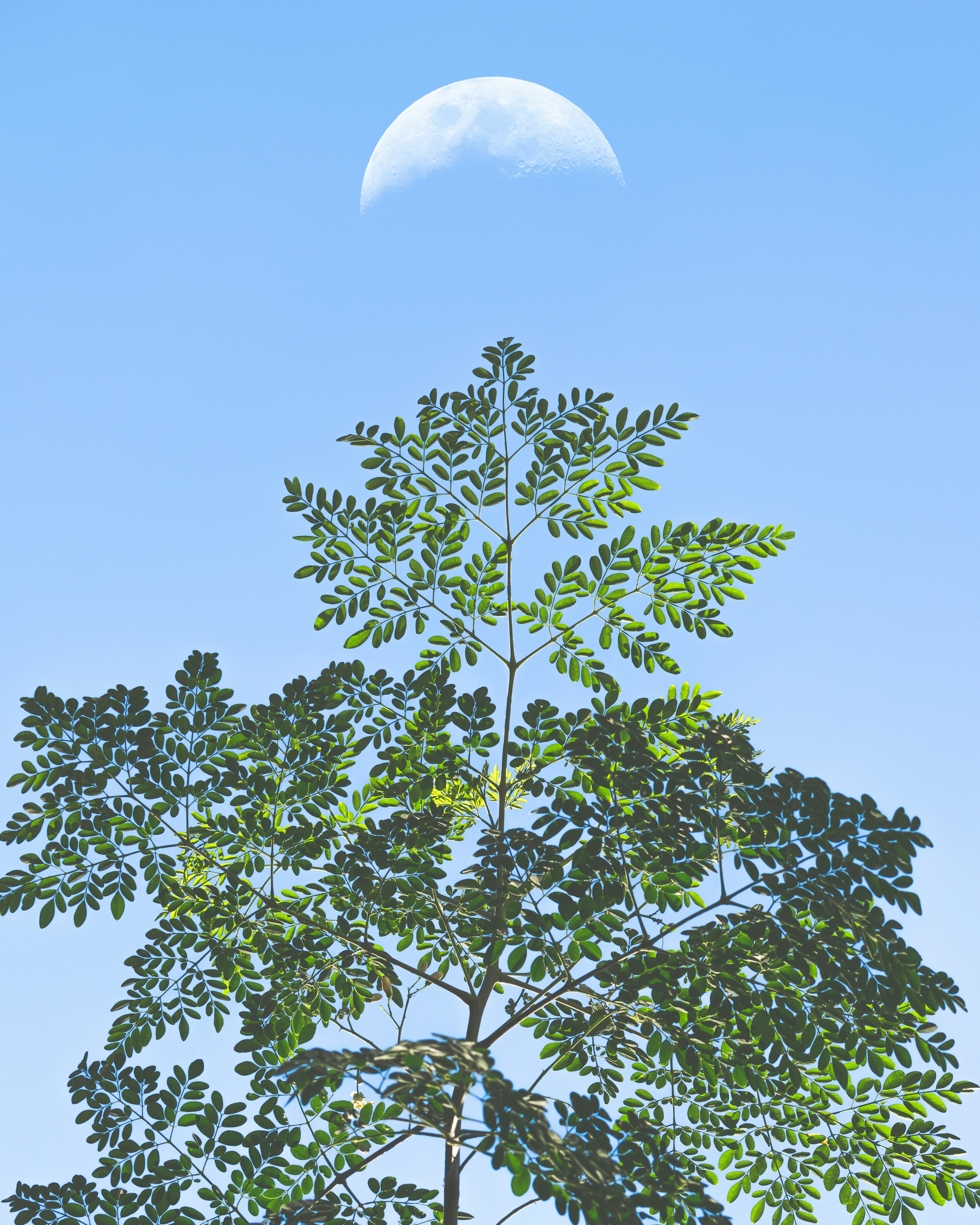
Half Moon Rising

I know, I talk about the moon a lot, but it’s cool and bright and… has its own Art Deco-esque digital card game? 

Google’s Rise of the Half Moon

Sure, that’s fun, why not? 🙂

* * *

Photo by Chirag Saini on Unsplash

Read Full Post »

As we’re right around the full (super!) moon this weekend (and I’m knee-deep in tech and tax stuff, super fun), here’s a composite image of the moon with amazing detail.

An Enormous Photo of the Moon Zooms in on the Cratered Lunar Topography in Incredible Detail

The self-taught Kurdish astrophotographer amassed 81,000 images, which he stitched into a 708-gigabyte composite revealing the intricacies of the lunar topography in stunningly high resolution.

Scroll down through the images to be impressed by the work of this self-taught astrophotographer.

* * *

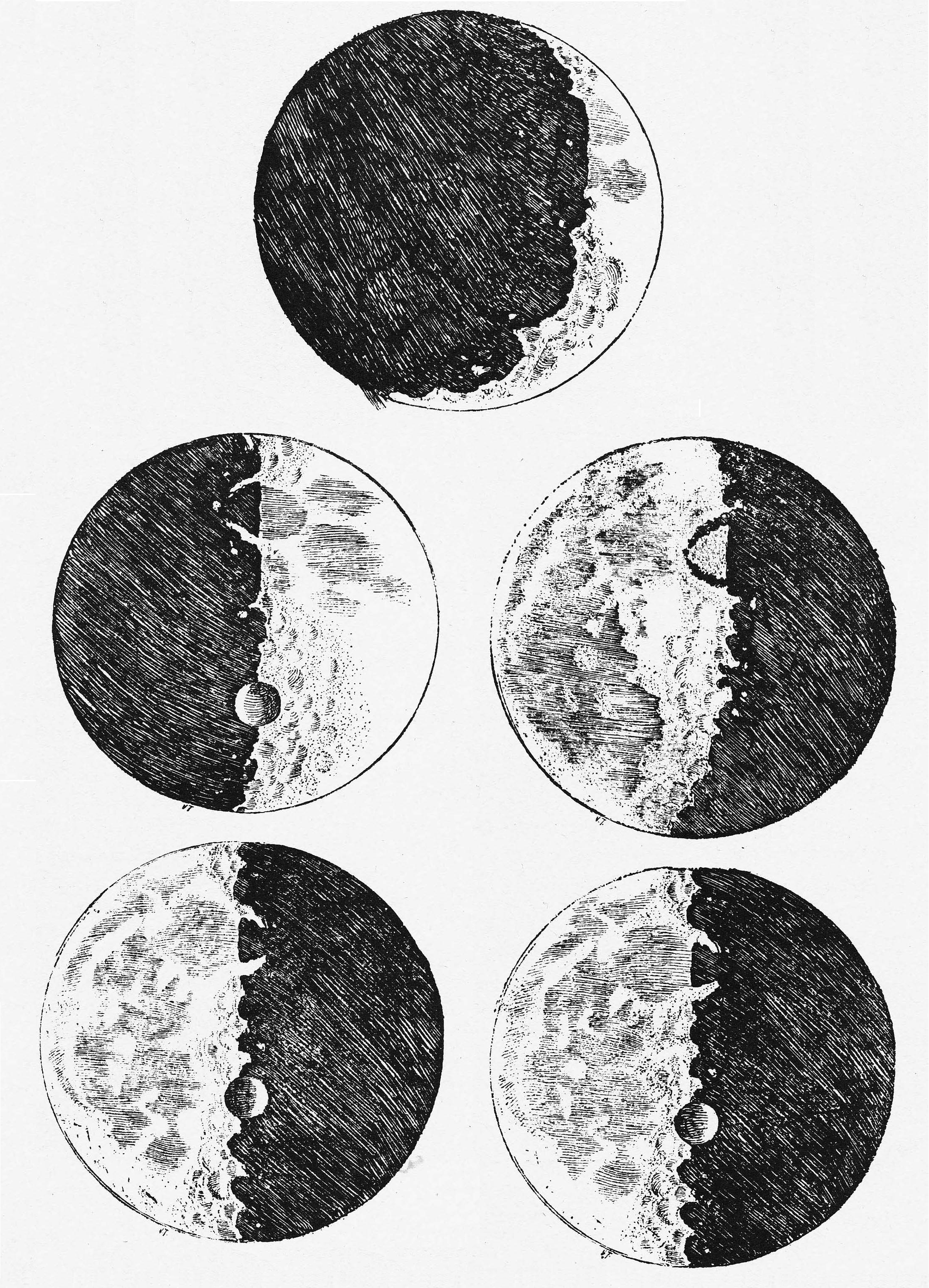
What the moon looked like to Galileo in 1610, Public domain, via Wikimedia Commons

Read Full Post »

The moon shines bright tonight, my friends. 

  • We have a full moon.
  • We have a harvest supermoon.
  • And if you (like me) are in North America, South America, Africa or Europe, we have a partial lunar eclipse.
  • We even have a bonus sort of moon related item at the end!

First, the what, when, where of tonight’s eclipse.

What to know about Tuesday’s lunar eclipse and harvest supermoon – NPR

The best times to view the event will depend on your location, but the lunar eclipse will peak at 10:44 p.m. ET, according to NASA. All of North and South America will have a chance to see the partial lunar eclipse and harvest supermoon depending on the weather. Europe and Africa will also have an opportunity to see the eclipse.

The Next Full Moon is a Partial Lunar Eclipse; a Supermoon; the Corn Moon; and the Harvest Moon – NASA

As the full Moon closest to the autumnal equinox, this is the Harvest Moon. The first known written use of this name in the English language (per the Oxford English Dictionary) was in 1706. During the fall harvest season farmers sometimes need to work late into the night by moonlight. On average moonrise is about 50 minutes later each night. Around the Harvest Moon this time is shorter, about 25 minutes for the latitude of Washington, DC, and only 10 to 20 minutes farther north in Canada and Europe.

(Note from the future: NASA has a great Astronomy Photograph of the Day showing a time lapse of the eclipse.)

Here is some general info on eclipses and a fun video from NASA.

* * *

And as for that more-or-less moon related bonus item? It’s a tasty one.

Mr Man and I went for a lovely if hot hike down by the river, and decided that the best way to cap it off would be with ice cream. We found ourselves at Chris’s Ice Cream Ottawa.

This fun little shop had a number of interesting and creative flavors, including blood orange, chili chocolate, strawberry crunch, and… hang on, what’s this?

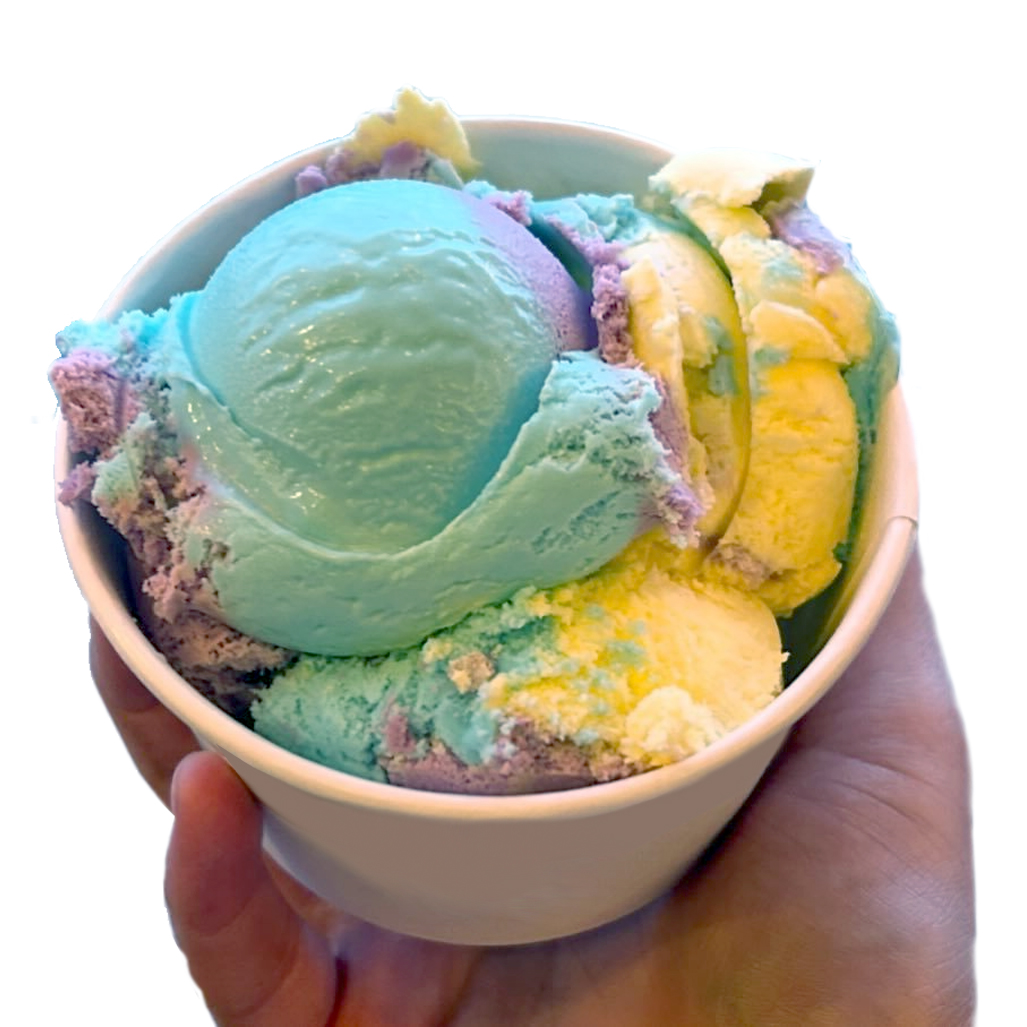
Moon mist.

Ysh.cabana, CC BY 4.0, via Wikimedia Commons

Interesting. Never heard of it. (That’s because we’re not Out East and I have apparently not been shopping in the right ice cream stores.)

Wait, it’s a combination of bubble gum, grape, and banana?! 

Here’s a quick intro to this regional delight: Written in the stars: The legendary tale of Atlantic Canada ice cream favourite Moon Mist.

I did not think I would like it. I did not think the flavors would work. In fact, they did more than work, as all three flavors combined into a new, better flavor.

I don’t quite know how to describe this “improbable” combination except as a structural shift. Imagine three individual flavors, normally experienced as if they were sequential, or side by side. When eaten together, however, the flavors stack together to create a singular new experience.

Readers, I loved it.

* * *

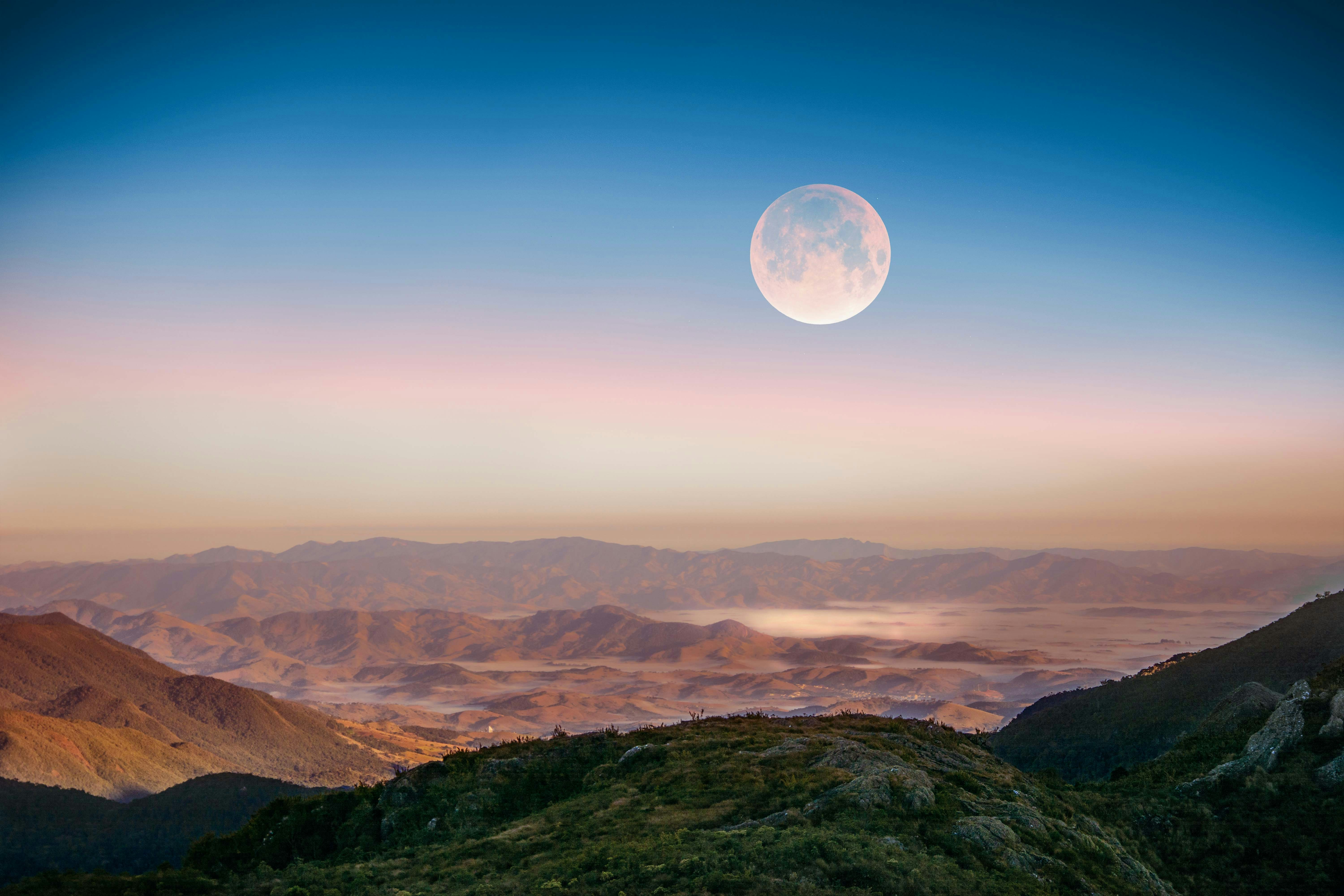
Photo by Shot by Cerqueira on Unsplash

Read Full Post »

To supplement my previous post on the progress we’ve made imaging the far side of the Moon, here are a number of snapshots from the Artemis I Orion flyby.

See the Far Side of the Moon: Incredibly Detailed Pictures From Artemis I Orion Close Lunar Flyby

I’m pretty sure I see a forest. Or possibly Bigfoot’s footprints. 

And it definitely looks like cheese.

* * *

Photo by Towfiqu barbhuiya on Unsplash

Read Full Post »

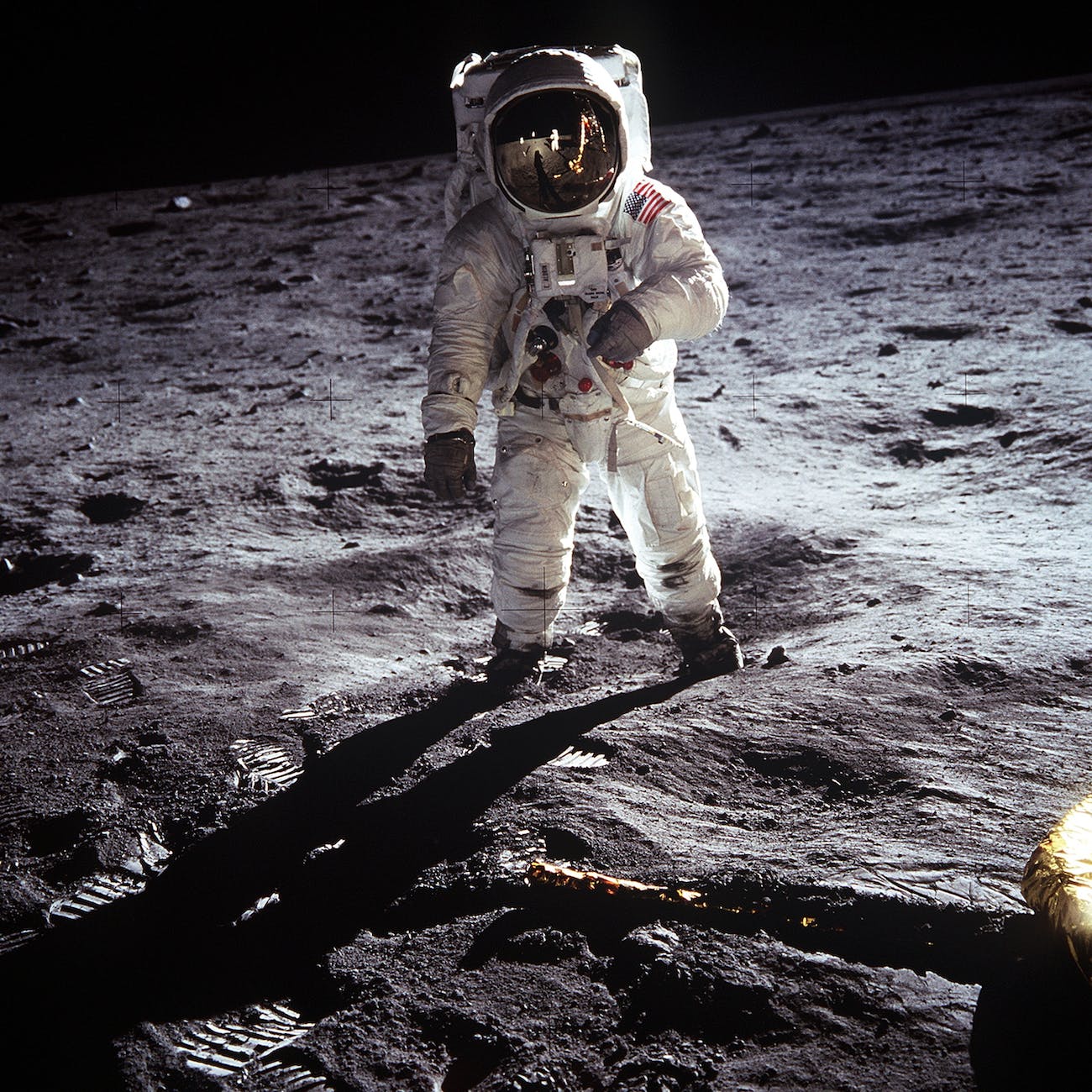
I am working on story edits today and found myself needing to look up a lunar technicality. Next thing I know, I was reading a detailed account of the first lunar spacewalk at Tranquillity Base. I thought you might enjoy it too.

Wide Awake on the Sea of Tranquillity | NASA

July 20, 1969: The day began on the farside of the Moon. Armstrong, Aldrin and crewmate Mike Collins flew their spaceship 60 miles above the cratered wasteland. No one on Earth can see the Moon’s farside. Even today it remains a land of considerable mystery, but the astronauts had no time for sight-seeing. Collins pressed a button, activating a set of springs, and the spaceship split in two. The half named Columbia, with Collins on board, would remain in orbit. The other half, the Eagle, spiraled over the horizon toward the Sea of Tranquillity.

“You are Go for powered descent,” Houston radioed…

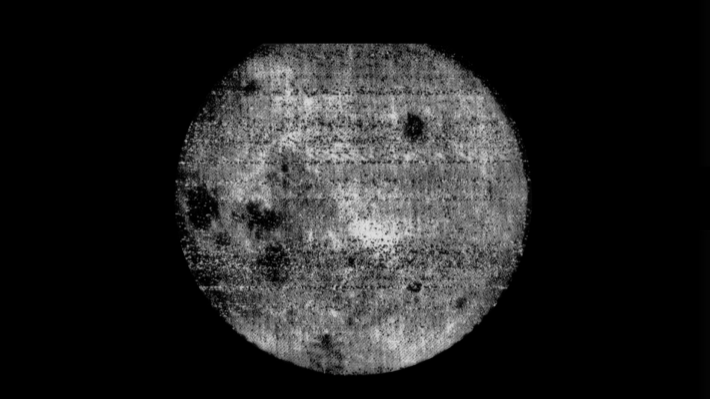
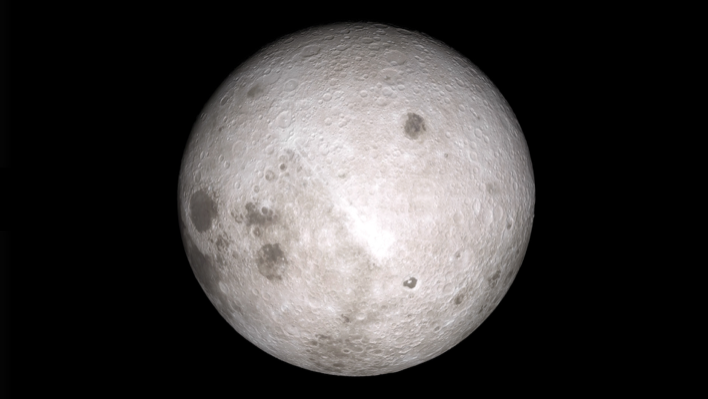
This also got me thinking about the farside of the moon. We’ve learned a lot about it since these images in 1959:

First Photo of the Lunar Farside – Moon: NASA Science 

Check out the image comparison a few paragraphs in. Or heck, here’s my version:

Image credit: NASA

And since we’re talking about the moon, let’s wrap with an update from Artemis:

NASA to Share Artemis I Update with Orion at Farthest Point from Earth | NASA

Orion entered a distant lunar orbit on at 4:52 p.m. EST Friday, Nov. 25, where the spacecraft will remain for about a week to test systems in a deep space environment about 40,000 miles above the lunar surface before beginning the journey back to Earth. 

* * *

Photo by Pixabay on Pexels.com

Read Full Post »

The Artemis moon mission is now underway, which means fun updates like this video flyby of the Moon.

… NASA’s Orion spacecraft performs a close approach of the lunar surface on its way to a distant retrograde orbit, a highly stable orbit thousands of miles beyond the Moon. During the Artemis I flight test, launched on Nov. 16, Orion will travel 280,000 miles (450,000 km) from Earth and 40,000 miles (64,000 km) beyond the far side of the Moon, carrying science and technology payloads to expand our understanding of lunar science, technology developments, and deep space radiation.

— Artemis I Close Flyby of the Moon – YouTube

Check out Orion’s location with the Artemis Real-time Orbit Website: NASA: Artemis I.

* * *

Photo by Hebert Santos

Read Full Post »

I forgot to mention yesterday’s Super Flower Blood Moon eclipse. Hopefully you saw at least some of it, but if you missed it NASA has a number of livestreams, including this one from Georgia in the US:

Read Full Post »

Older Posts »