From the Sun’s corona to animal behaviour and human emotions, these rare celestial events continue to provide scientists with valuable insights more than two millennia after they were first observed.
Tomorrow is an interesting day, astronomically speaking. Let me check my list; it’s a long one (and be warned, exclamation marks ahead!).
Let’s see:
solar eclipse, check
meteor shower, check
planetary conjunction, check!
The Eclipse
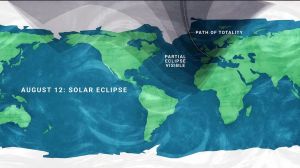
Parts of Western Europe will see a total eclipse, the first visible on mainland Europe in 27 years, but many other places on Earth will have at least a partial version. When and where can you see it? Here’s a look at the timing.
While totality will be visible from parts of Greenland, Iceland and Spain, millions more people across Europe will experience a dramatic partial solar eclipse. Whether you’re chasing the moon’s shadow in Reykjavik or watching the moon take a ‘bite’ out of the sun from London, Paris, or Berlin, timing is everything.
New York City will only see about 9% totality just before 2pm, for example, but if you happen to be in London at 7:13pm, well, 91% totality for you!
The project, entitled “The Prado in the light of the eclipse”, proposes a progressive transformation of the lighting applied to some of the most iconic paintings in the celebrated gallery. Through this shift in light, the video shows how small variations in illumination can radically alter the perception of colours, shapes and the atmosphere of the paintings, revealing details and nuances that everyday light leaves hidden.
That’s already a lot, and we haven’t even talked about meteors or other planets!
The day starts before the Sun comes up. On the morning of August 12, six planets — Jupiter, Mercury, Mars, Uranus, Saturn, and Neptune — will appear spread across the sky.
Do not expect a tight line of bright dots. This is a wide planetary alignment, stretching from the horizon across a large part of the sky. Mars and Saturn will be the easiest planets to spot with the naked eye. Mercury will sit low above the horizon shortly before sunrise. Jupiter will be bright, but very close to the horizon. Uranus and Neptune will need binoculars or a telescope.
Check the link above for times, but for me this would be just after 6am.
It’s going to be a pretty special day, astronomically speaking. Actually, I should have set up this post in terms of time (location dependent, of course!), like so:
early morning: planet parade
early afternoon: solar eclipse
evening: Perseid meteor shower!
If you have a few moments and clear sky, check it out. There’s a lot going on up there!
* * *
A map showing viewing areas of the August 2026 total solar eclipse. NASA/JPL-Caltech
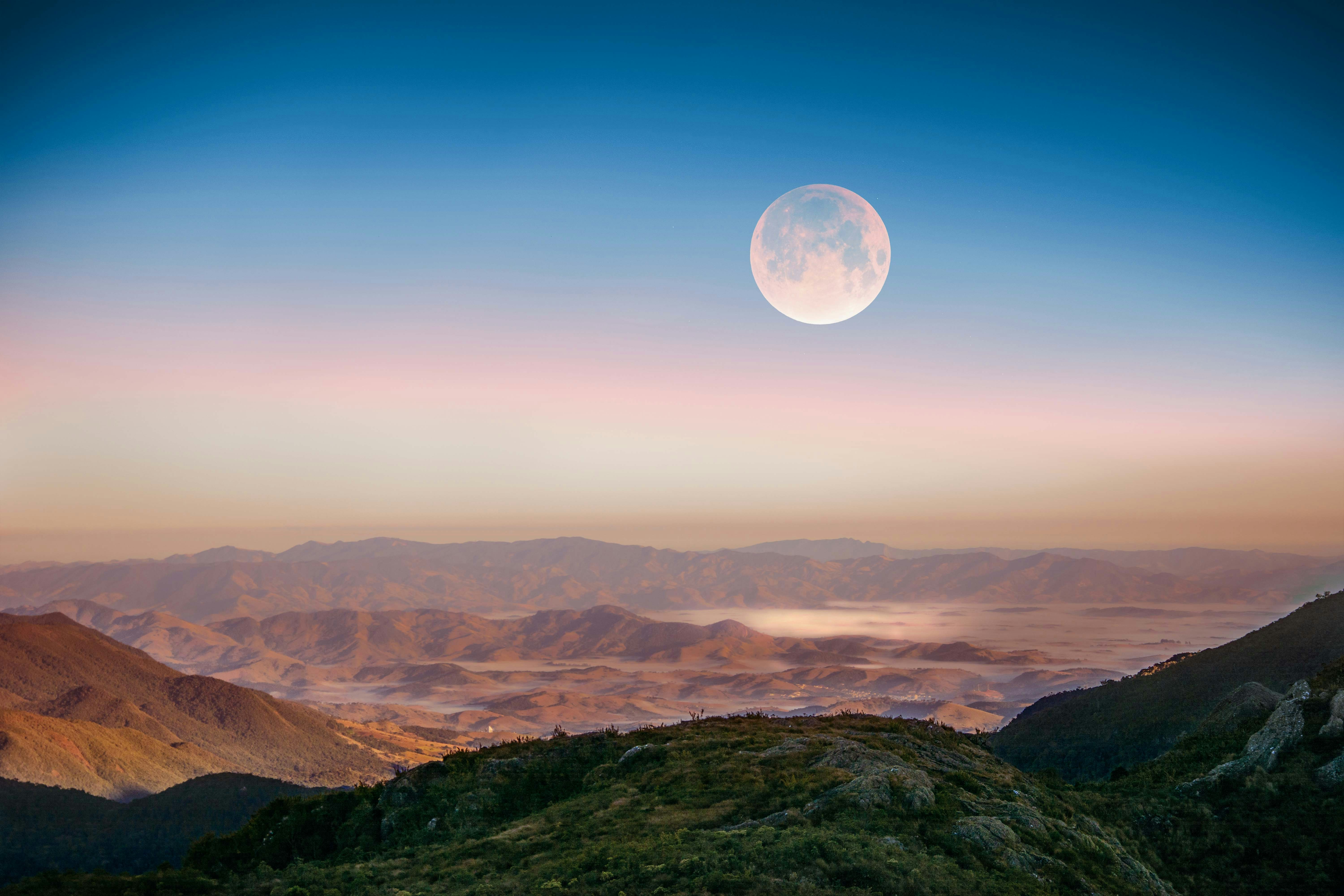
The best times to view the event will depend on your location, but the lunar eclipse will peak at 10:44 p.m. ET, according to NASA. All of North and South America will have a chance to see the partial lunar eclipse and harvest supermoon depending on the weather. Europe and Africa will also have an opportunity to see the eclipse.
As the full Moon closest to the autumnal equinox, this is the Harvest Moon. The first known written use of this name in the English language (per the Oxford English Dictionary) was in 1706. During the fall harvest season farmers sometimes need to work late into the night by moonlight. On average moonrise is about 50 minutes later each night. Around the Harvest Moon this time is shorter, about 25 minutes for the latitude of Washington, DC, and only 10 to 20 minutes farther north in Canada and Europe.
Here is some general info on eclipses and a fun video from NASA.
* * *
And as for that more-or-less moon related bonus item? It’s a tasty one.
Mr Man and I went for a lovely if hot hike down by the river, and decided that the best way to cap it off would be with ice cream. We found ourselves at Chris’s Ice Cream Ottawa.
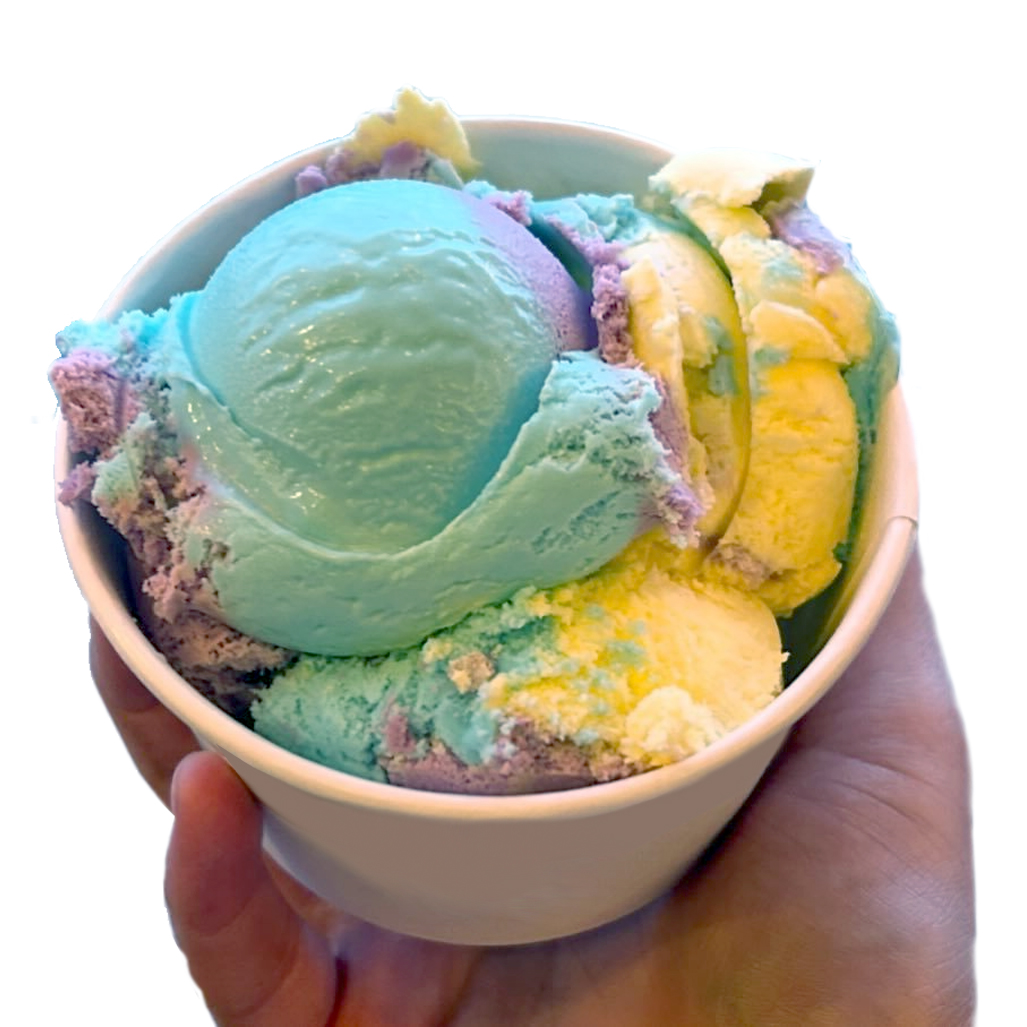
This fun little shop had a number of interesting and creative flavors, including blood orange, chili chocolate, strawberry crunch, and… hang on, what’s this?
I did not think I would like it. I did not think the flavors would work. In fact, they did more than work, as all three flavors combined into a new, better flavor.
I don’t quite know how to describe this “improbable” combination except as a structural shift. Imagine three individual flavors, normally experienced as if they were sequential, or side by side. When eaten together, however, the flavors stack together to create a singular new experience.
If you are anywhere near the path of totality for the big event on Monday, April 8th, are you eclipse ready? I will argue that one of the most important parts of such prep is to ensure that you have a plan for safe eclipse viewing. This article may be of help:
Legitimate eclipse glasses are at least 1,000 times darker than the darkest sunglasses you can buy….
While lab tests are the best way to determine whether glasses meet the ISO standard, Fienberg says there is a three-part test people can do at home if they’re concerned their eclipse viewers aren’t up to the task.
First, put your glasses on indoors and look around. The only things you should be able to see are very bright lights, such as a halogen bulb or a smartphone flashlight.
Then, if the glasses pass the indoor test, bring them outside—but don’t look at the sun just yet. Look around: it should be too dark to see distant hills, trees or even the ground.
If that second test is passed, keep the glasses on and quickly glance at the sun. You should comfortably see a bright, sharp-edged round disk. If your glasses pass all three tests, they are probably safe to wear. Still, Fienberg points out that it’s best to use them for only a few seconds every minute or so during the eclipse…
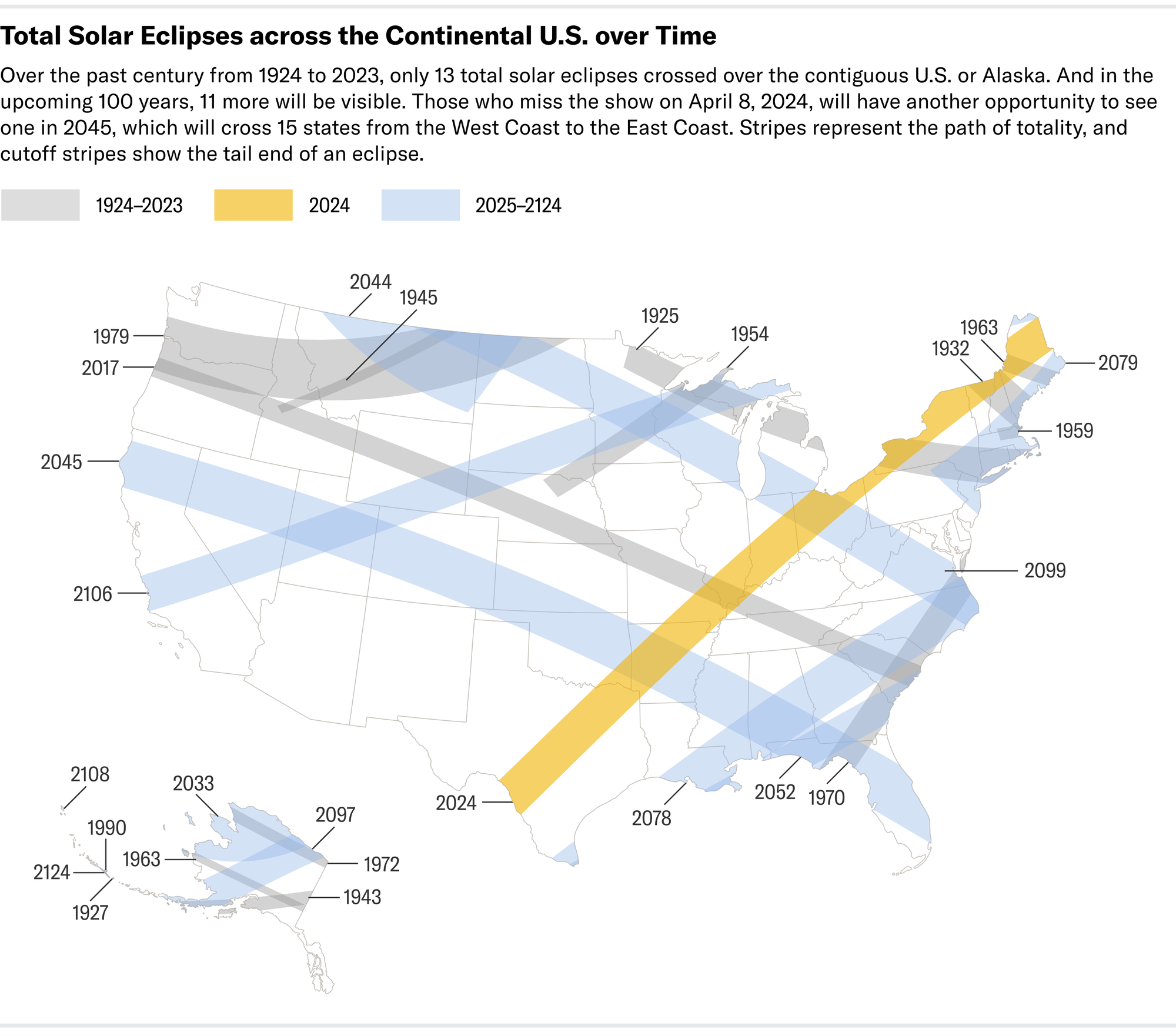
By now you have probably heard that there will be a full eclipse of the Sun on April 8th. (If you haven’t, this is your public service announcement. The world is not ending and the Sun will return to its place in the sky. No wolves, dragons or demons are involved. The gods of sun and light just need to slip out for a quick break.) The next time this will happen in the contiguous US won’t be until 2044.
Millions of people will be able to view the eclipse. Here’s a map of the eclipse path:
Of course, we now know that the Sun isn’t really eaten during an eclipse. Instead, it does what it always does: rain ultraviolet rays on everything in its path. That’s why you should never look at a solar eclipse without protective eyewear.
And if you are in charge of kids on April 8th (or adults, we should have sciencey fun too!) consider the ideas in this article:
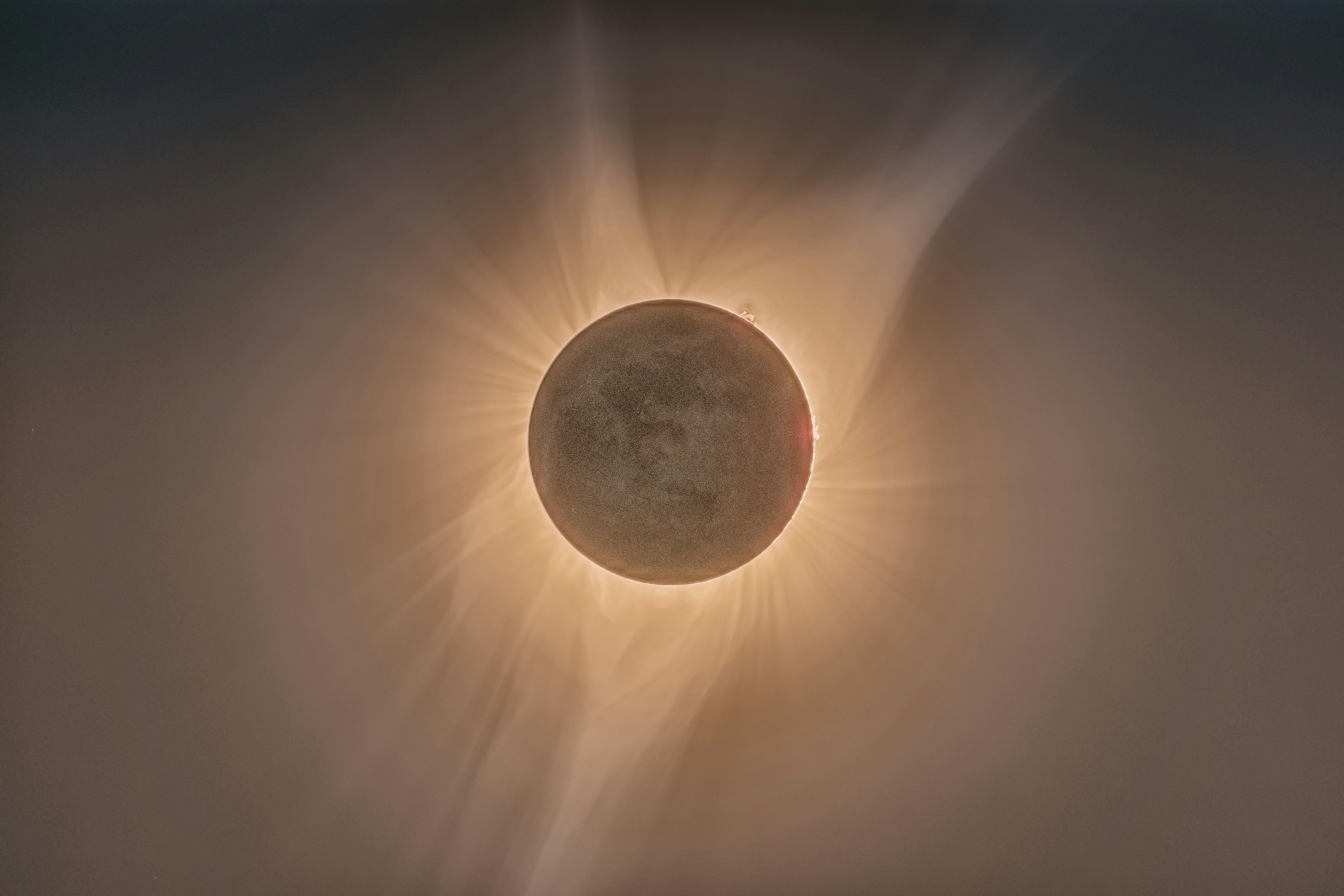
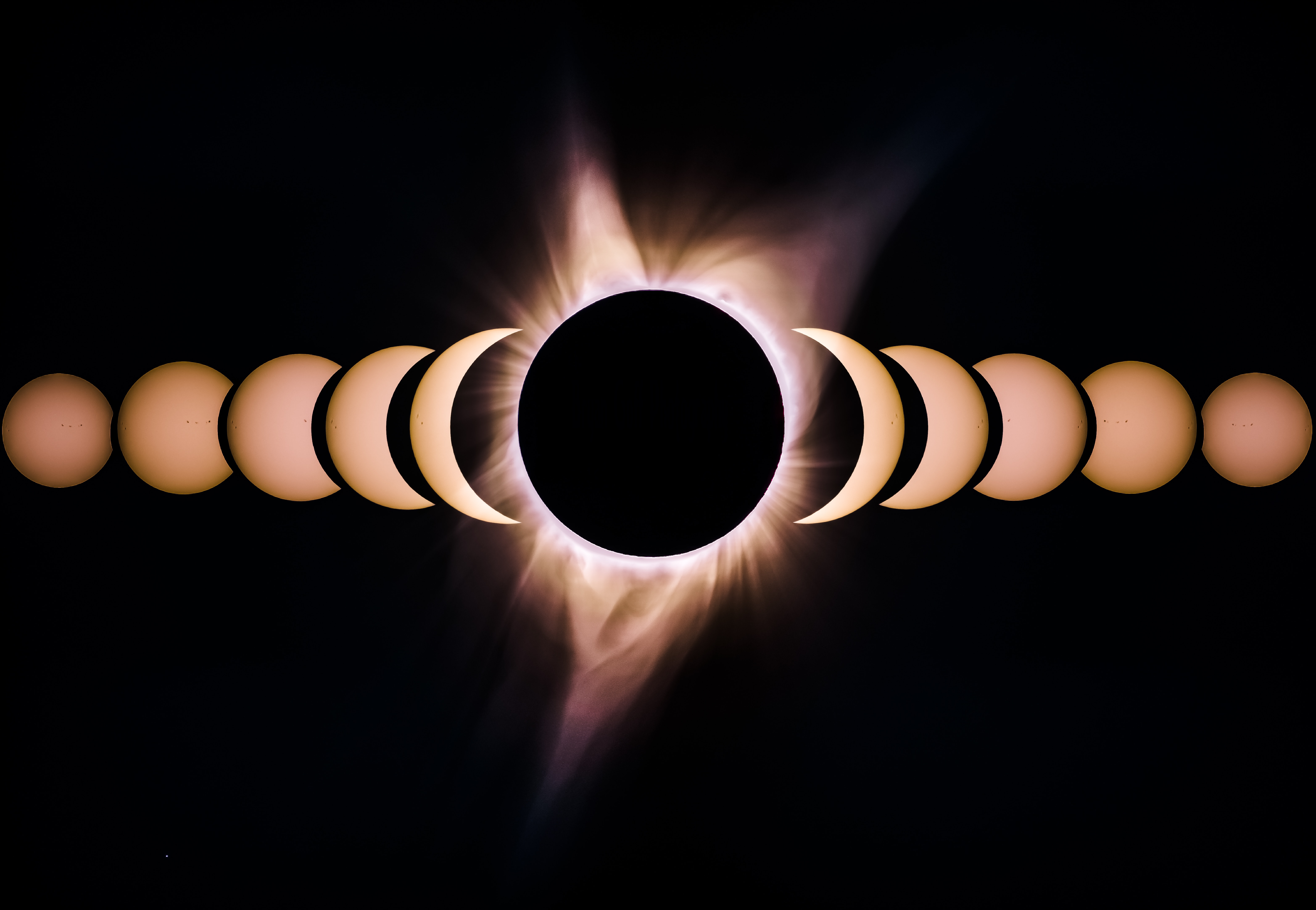
If the weather cooperates, science students of all ages could be in for quite a show on April 8. The first sign will be a sudden temperature drop. The sky will darken, and winds will shift. A dark shadow will appear on the horizon. Faint waves of light may waft across the ground. A ring of bright light will shine from the outer edges of the otherwise darkened sun. Then the moon will cover the sun completely and, for a few seconds, a thin red layer may appear around its outer rim.
And just for fun, here’s a little something for your ears, too:
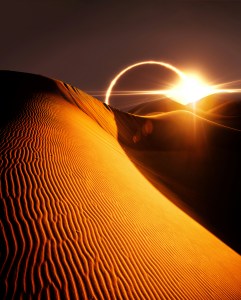
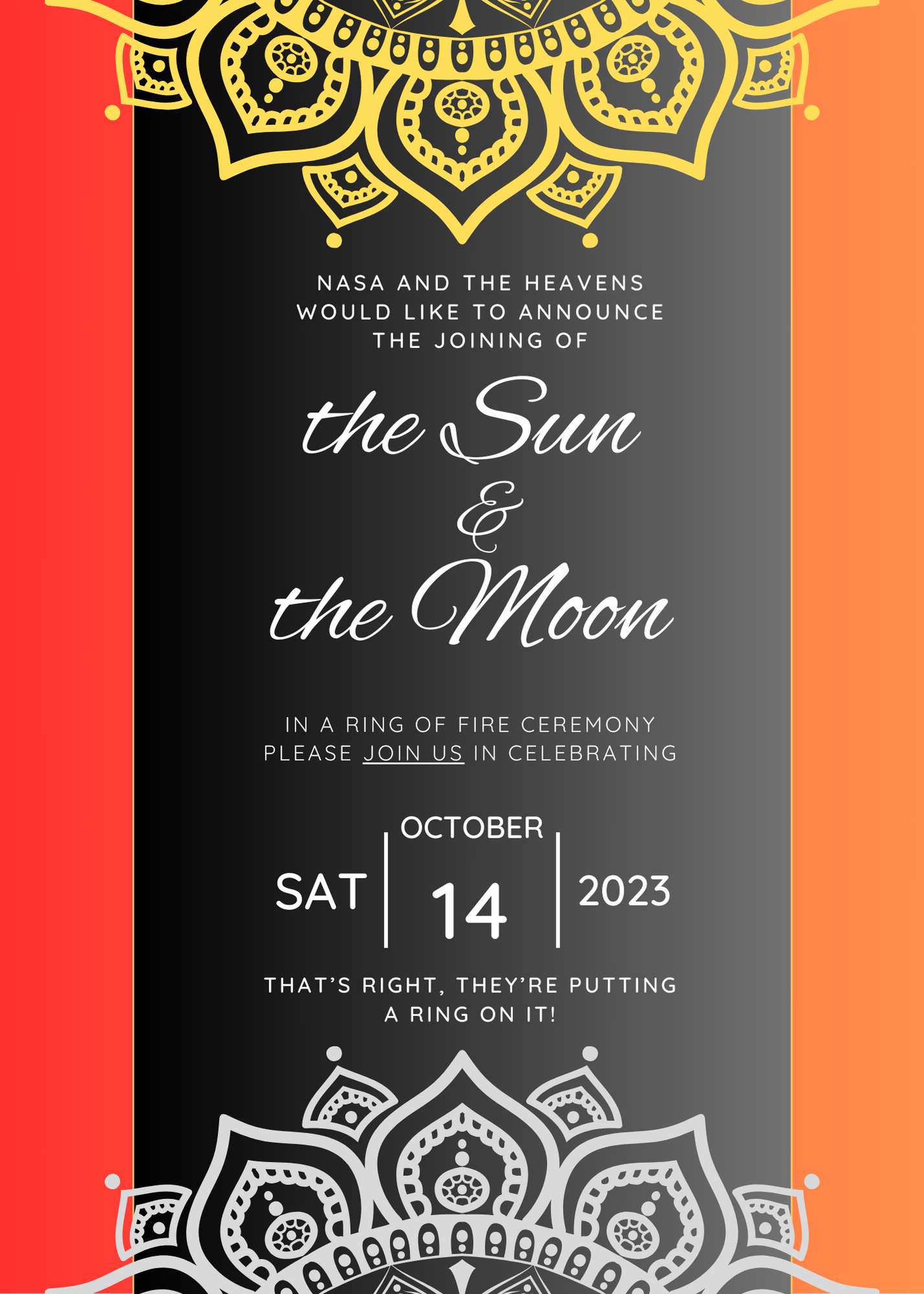
The “ring of fire” effect happens when the moon, which appears smaller in the sky because it’s further away from us, passes directly in front of the sun.
I forgot to mention yesterday’s Super Flower Blood Moon eclipse. Hopefully you saw at least some of it, but if you missed it NASA has a number of livestreams, including this one from Georgia in the US:



You must be logged in to post a comment.