Feeds:
Posts
Comments

Posts Tagged ‘NASA’

What’s happening in the night skies this month? I have no idea, actually, but this calendar does!

Astronomy Calendar for December, 2023 for Ottawa, Canada

Welcome to NightsOnEarth.com, a customizable, free astro-calendar to help you plan your stargazing, created by photographer Phil Mosby.

Click on any day and then on Settings to specify your location.

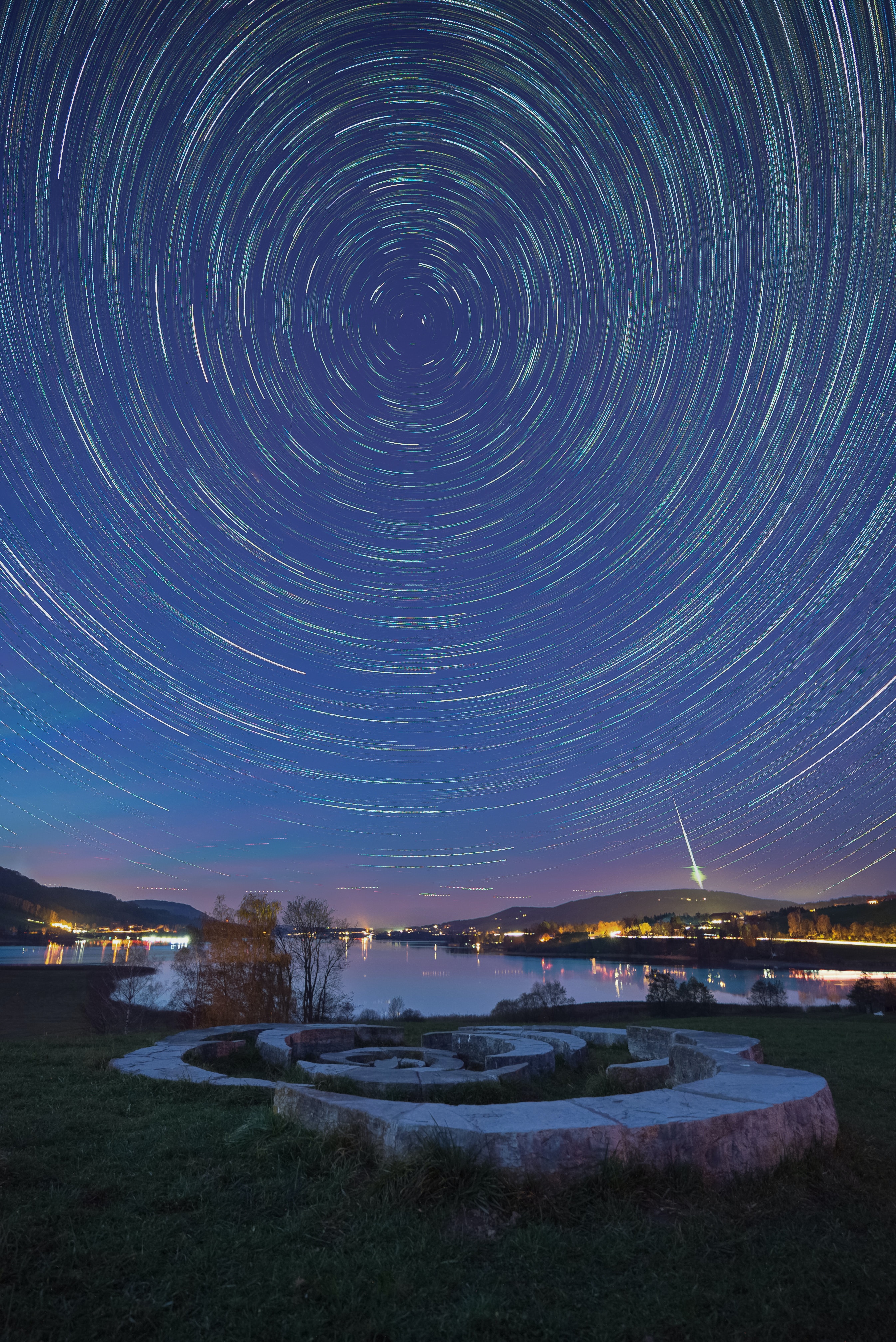
What’s this? The Pheonicid Meteor Shower will be visible starting tomorrow night and showcases meteors seemingly coming from the Phoenix constellation?

Cool cool cool. And what’s the Phoenix constellation? (Clicks on “learn more” and voila: Pheonicid meteor shower 2023).

Although that particular arrangement of stars isn’t saying phoenix to me so much as… curling stone.

* * *

Photo by Sebastian Knoll on Unsplash

Read Full Post »

To celebrate another Friday, let’s take a quick trip to visit the neighbors. And by “neighbor” I mean Mars, because that’s how I roll.

Aaaaand since we’re on the Red Planet already (mentally, at least), here’s a time-lapse of the Ingenuity helicopter’s 63 (!) flight.

* * *

Photo by Nicolas Lobos on Unsplash

Read Full Post »

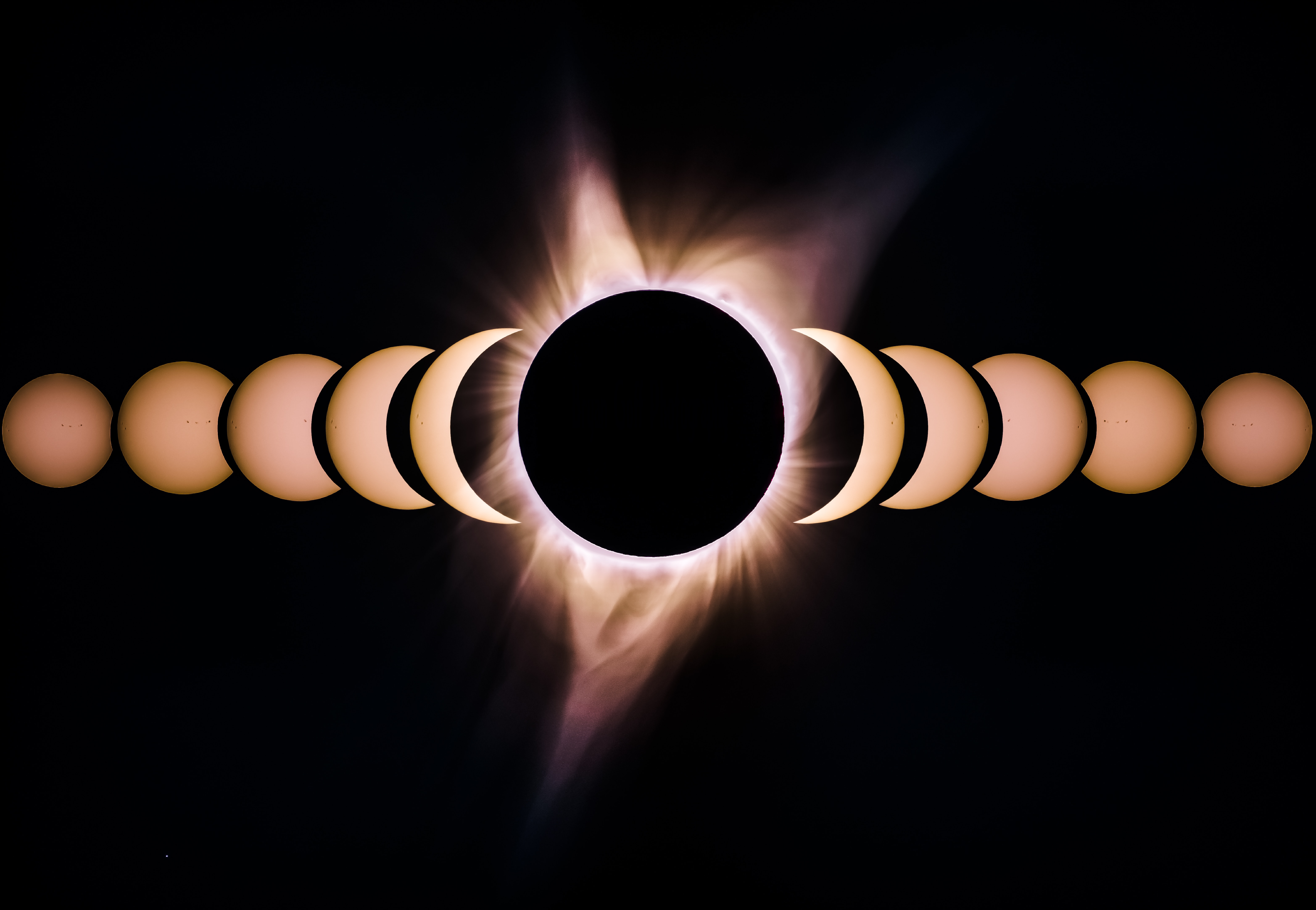
NASA and the Heavens would like to invite you to a commitment ceremony between the Sun and the Moon!

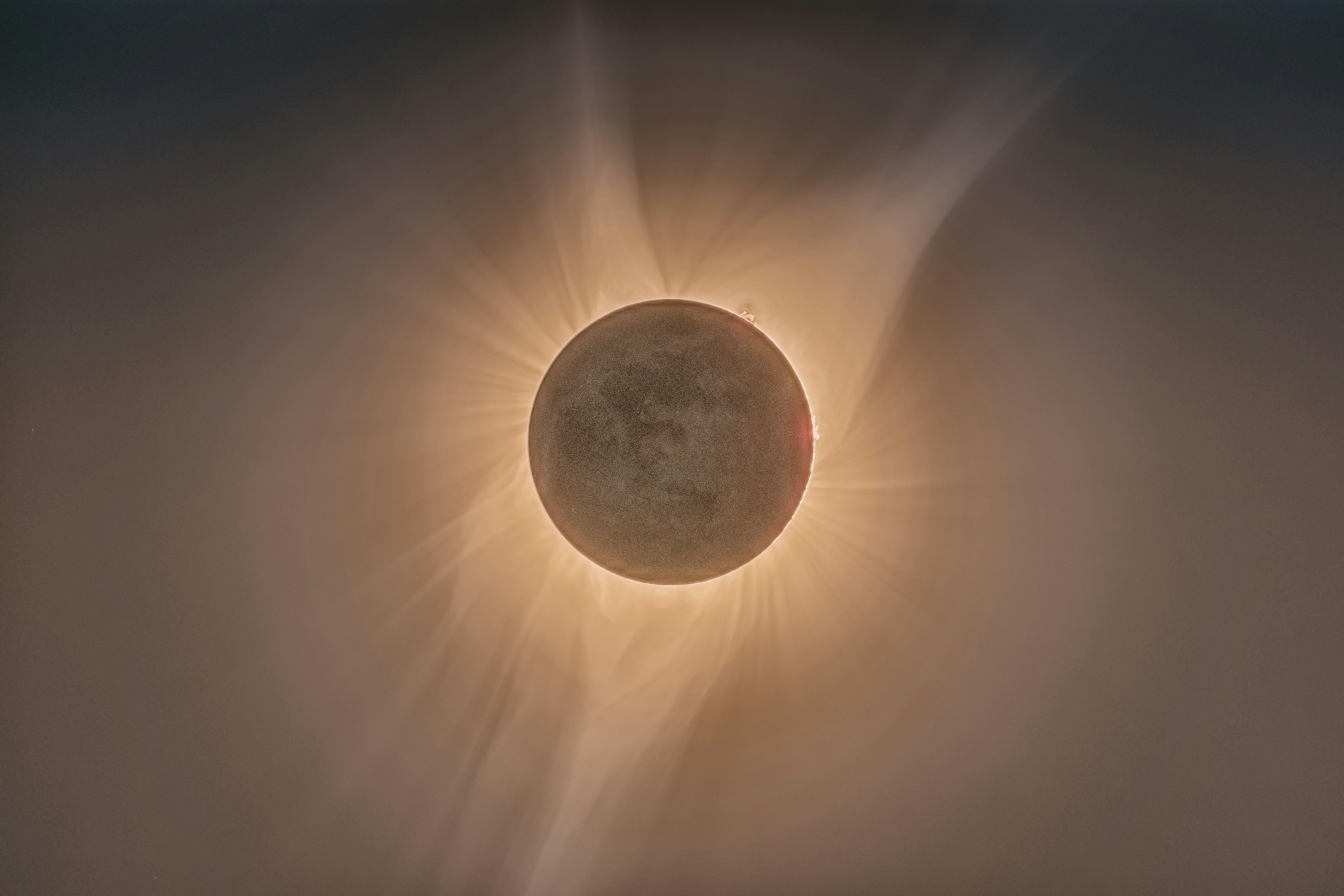
Join us today for a Ring of Fire ceremony, otherwise known as an annular eclipse, to be celebrated starting at 9:13 PDT today! 

Here’s how you can see Saturday’s ‘ring of fire’ solar eclipse – NPR

The “ring of fire” effect happens when the moon, which appears smaller in the sky because it’s further away from us, passes directly in front of the sun.

For more details, including maps with viewing times and locations, visit 2023 Annular Eclipse: Where & When.

We’ll only have about 20% totality here, but I’m still excited for the happy couple. And remember, safety first!

How to View a Solar Eclipse Safely | Solar Eclipse Across America

The solar eclipse can burn your eyes. Here’s what you need to know | CBC Kids News

Astronomers want you to watch the Oct. 14 ‘ring of fire’ eclipse with a disco ball. No, seriously.

* * *

Photo by Bryan Goff on Unsplash

Read Full Post »

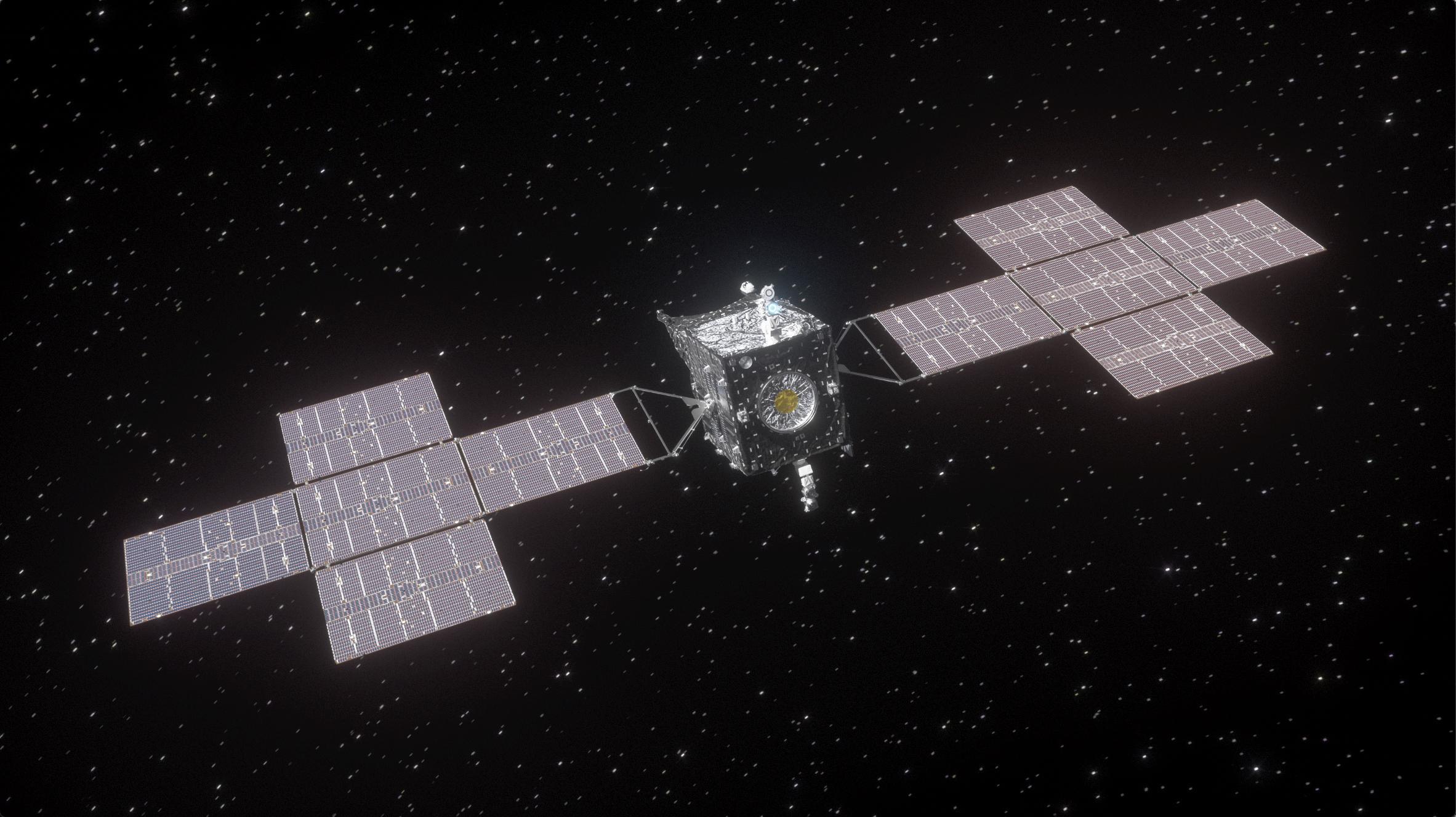
In less than an hour, NASA is set to launch Psyche, a mission to an asteroid with lots and lots of bling, arrival date in 2029.

Set to launch from NASA’s Kennedy Space Center in Florida, Psyche will travel across the solar system to an asteroid of the same name, which has unusually high metal content. Scientists hope understand why this is so, and to help answer fundamental questions about Earth’s own metal core and the formation of our solar system.

— Psyche – NASA

All of those important fundamental questions, yes. But you know they are also going to look for the shiny shiny. 

For more on the mission:

6 Things to Know About NASA’s Asteroid-Exploring Psyche Mission – NASA

Can’t wait until 2029 to get into all things Psyche? Get Involved Opportunities | NASA Psyche Mission

(I particularly like the examples of #PsycheSpaceCRAFTY.)

Watch the launch live:

(Good news from the future: New mission to metal-rich asteroid Psyche successfully blasts off!)

* * *

Peter Rubin/NASA/JPL-Caltech/ASU (PIA25138): NASA’s Psyche Spacecraft en Route to the Asteroid Belt (Artist’s Concept) 

Read Full Post »

Today, we hope to receive a very special delivery: a capsule containing a sample of an asteroid.

The OSIRIS-REx mission has been in progress for over seven years. Today we find out if its ultimate goal is successful.

In Depth | OSIRIS-REx – NASA Solar System Exploration

The Origins, Spectral Interpretation, Resource Identification, Security-Regolith Explorer (OSIRIS-REx) is the first U.S. spacecraft to collect a sample from an asteroid. OSIRIS-REx traveled to near-Earth asteroid Bennu and is bringing a small sample to Earth for study…

The mission, developed by scientists at the University of Arizona, will give us more information about how the early solar system formed and about how life began. It will also help us better understand asteroids that could impact Earth in the future.

The plan is for the return capsule to land at the Defense Department’s Utah Test and Training Range. If successful, humanity will have the opportunity to study pristine asteroid material.

Interested in videos, activities, and other information about the mission? Here you go:

OSIRIS-REx Resources – NASA Solar System Exploration

The capsule is expected to land at approximately 10:55am Eastern time. Want to watch the livestream? Me too:)

OSIRIS-REx Asteroid Sample Return (Official 4K NASA Broadcast)

* Spoiler alert! The mission was a success!

* * *

Read Full Post »

It’s that time again. If you are in the northern hemisphere on planet Earth, today is the Fall Equinox.

Autumnal Equinox 2023: First Day of Fall | Facts, Folklore & More | The Old Farmer’s Almanac

After the autumnal equinox, days become shorter than nights as the Sun continues to rise later and nightfall arrives earlier. This ends with the winter solstice, after which days start to grow longer once again. 

The word “equinox” comes from Latin aequus, meaning “equal,” and nox, ”night.” On the equinox, day and night are roughly equal in length.

Why just “roughly” equal in length?

Why day and night aren’t equal length on an equinox

Firstly, the sun has a size—it’s not just a point in the sky.… Secondly, the Earth’s atmosphere refracts (bends) sunlight.

What does the ebb and flow of axial luminescence look like from space?

NASA: Seeing Equinoxes and Solstices from Space

For more on the “why” of seasons, check out this explainer:

What Causes the Seasons? | NASA Space Place

* * *

Photo by Alicia Petresc on Unsplash

Read Full Post »

NASA just released a report on the current status of research on unidentified anomalous phenomena, more commonly referred to by Area 51 enthusiasts as UFOs.

Here’s the full report:

UNIDENTIFIED ANOMALOUS PHENOMENA: Independent Study Team Report

Don’t have time for the full document? Here’s a summary article:

NASA UFO report finds no evidence of ‘extraterrestrial origin’ for UAP sightings | Space

NASA’s UFO study team released its long-awaited first report today, and while its experts found no signs of extraterrestrial origins for reported sightings, the space agency is appointing a new chief to study the phenomenon.

The takeaway? Sorry, folks, it’s not aliens.

But.

When it comes to mysteries like these, we still have a lot more to learn. 

* * *

Photo by Gene Brutty on Unsplash

Read Full Post »

NASA recently released the Artemis II roster for the next crewed lunar mission. As one article put it, “this is not your grandfather’s moon mission” and that’s a good thing. The crew is 25% female, 25% African American, and even (gasp!) 25% Canadian! (Think you too have what it takes? Here’s a link to get started: Astronaut Selection Program | NASA. Good luck!)

Why go to space? There are a lot of potential answers. Given the complex, diverse and fascinating future of exploration, here’s a collection of stories and essays that address this very question.

Visions, Ventures, Escape Velocities: A Collection of Space Futures from ASU’s Center for Science and the Imagination

Stories by: Madeline Ashby, Steven Barnes, Eileen Gunn, Ramez Naam, Carter Scholz, Karl Schroeder, Vandana Singh

Essays by: Jim Bell, Lawrence Dritsas, Linda T. Elkins-Tanton, Emma Frow, Roland Lehoucq, Andrew D. Maynard, Clark A. Miller, Deji Bryce Olukotun, Steve Ruff, William K. Storey, Sara Imari Walker, G. Pascal Zachary

Interview with: Kim Stanley Robinson

* * *

Photo by Armand Khoury on Unsplash

Read Full Post »

It’s been just over two years since the Perseverance rover began its quest on Mars. What’s it been up to? A lot, but this article has a summary and link to the whole of its adventure (so far) distilled into a time-lapse video.

Follow Perseverance on Its Mars Journey With This Two-Year Timelapse – Universe Today

The rover has now traveled almost 15 km (9 miles). In addition to studying numerous rocks, it has also collected and stowed away 18 sample containers of rocks, regolith, and even the Martian atmosphere, to be gathered later and brought to Earth in a future Mars Sample Return mission.

For more cool stuff like a Mars photo booth, check out NASA’s Perseverance’s Highlights and Dr. Sunanda Sharma’s talk about Perseverance- Two Years on Mars.

* * *

Chewie on Mars: “What do you mean, this isn’t a new chew toy?”

Read Full Post »

I am working on story edits today and found myself needing to look up a lunar technicality. Next thing I know, I was reading a detailed account of the first lunar spacewalk at Tranquillity Base. I thought you might enjoy it too.

Wide Awake on the Sea of Tranquillity | NASA

July 20, 1969: The day began on the farside of the Moon. Armstrong, Aldrin and crewmate Mike Collins flew their spaceship 60 miles above the cratered wasteland. No one on Earth can see the Moon’s farside. Even today it remains a land of considerable mystery, but the astronauts had no time for sight-seeing. Collins pressed a button, activating a set of springs, and the spaceship split in two. The half named Columbia, with Collins on board, would remain in orbit. The other half, the Eagle, spiraled over the horizon toward the Sea of Tranquillity.

“You are Go for powered descent,” Houston radioed…

This also got me thinking about the farside of the moon. We’ve learned a lot about it since these images in 1959:

First Photo of the Lunar Farside – Moon: NASA Science 

Check out the image comparison a few paragraphs in. Or heck, here’s my version:

Image credit: NASA

And since we’re talking about the moon, let’s wrap with an update from Artemis:

NASA to Share Artemis I Update with Orion at Farthest Point from Earth | NASA

Orion entered a distant lunar orbit on at 4:52 p.m. EST Friday, Nov. 25, where the spacecraft will remain for about a week to test systems in a deep space environment about 40,000 miles above the lunar surface before beginning the journey back to Earth. 

* * *

Photo by Pixabay on Pexels.com

Read Full Post »

« Newer Posts - Older Posts »