Feeds:
Posts
Comments

Posts Tagged ‘science’

Why isn’t there any sound in space? An astronomer explains why in space no one can hear you scream

In space, no one can hear you scream.

You may have heard this saying. It’s the tagline from the famous 1979 science fiction movie “Alien.” It’s a scary thought, but is it true? The simple answer is yes, no one can hear you scream in space because there is no sound or echo in space.

I’m a professor of astronomy, which means I study space and how it works. Space is silent – for the most part.

University of Arizona Distinguished Professor of Astronomy Chris Impey explains the science behind the Alien tagline, showcases slinkies as sound waves, and discusses why humans can’t speak across space but phenomena like galaxies and black holes can.

Also, a fun fact I did not know: “The word vacuum comes from the Latin word for empty.”

* * *

Photo by Susan Wilkinson on Unsplash

Read Full Post »

What’s the fastest way to slow global warming? Bill Nye has the answer. | Environmental Defense Fund

We asked Bill Nye The Science Guy to create a quick, easy-to-understand lesson on the fastest way to slow global warming: cutting methane emissions. 

* * *

Photo by Jake Hawkes on Unsplash

Read Full Post »

What’s happening in the night skies this month? I have no idea, actually, but this calendar does!

Astronomy Calendar for December, 2023 for Ottawa, Canada

Welcome to NightsOnEarth.com, a customizable, free astro-calendar to help you plan your stargazing, created by photographer Phil Mosby.

Click on any day and then on Settings to specify your location.

What’s this? The Pheonicid Meteor Shower will be visible starting tomorrow night and showcases meteors seemingly coming from the Phoenix constellation?

Cool cool cool. And what’s the Phoenix constellation? (Clicks on “learn more” and voila: Pheonicid meteor shower 2023).

Although that particular arrangement of stars isn’t saying phoenix to me so much as… curling stone.

* * *

Photo by Sebastian Knoll on Unsplash

Read Full Post »

All of history in an hour? Amazingly, yes. And if you’d like to know more, I recommend  A Short History of Nearly Everything by Bill Bryson.

* * *

Photo by Venti Views on Unsplash

Read Full Post »

John Oliver’s recent shenanigans in New Zealand’s Bird of the Century contest has me thinking about birds, and I remembered this site from the Cornell Lab of Ornithology

Wall of Birds

This interactive mural showcases 270 of the interesting birds around us. Zoom in and click to learn more about each species. And if New Zealand’s competition wasn’t enough for you, you can vote for your favorites.

I enjoy a lot of these birds (the Drongo, Lilac-breasted Roller, Hoopoe, puffins!), but the Blue-footed Booby looks like it took a wrong turn and missed the “Caution: Wet Paint” sign. Delightful.

* * *

Photo by Andy Brunner on Unsplash

Read Full Post »

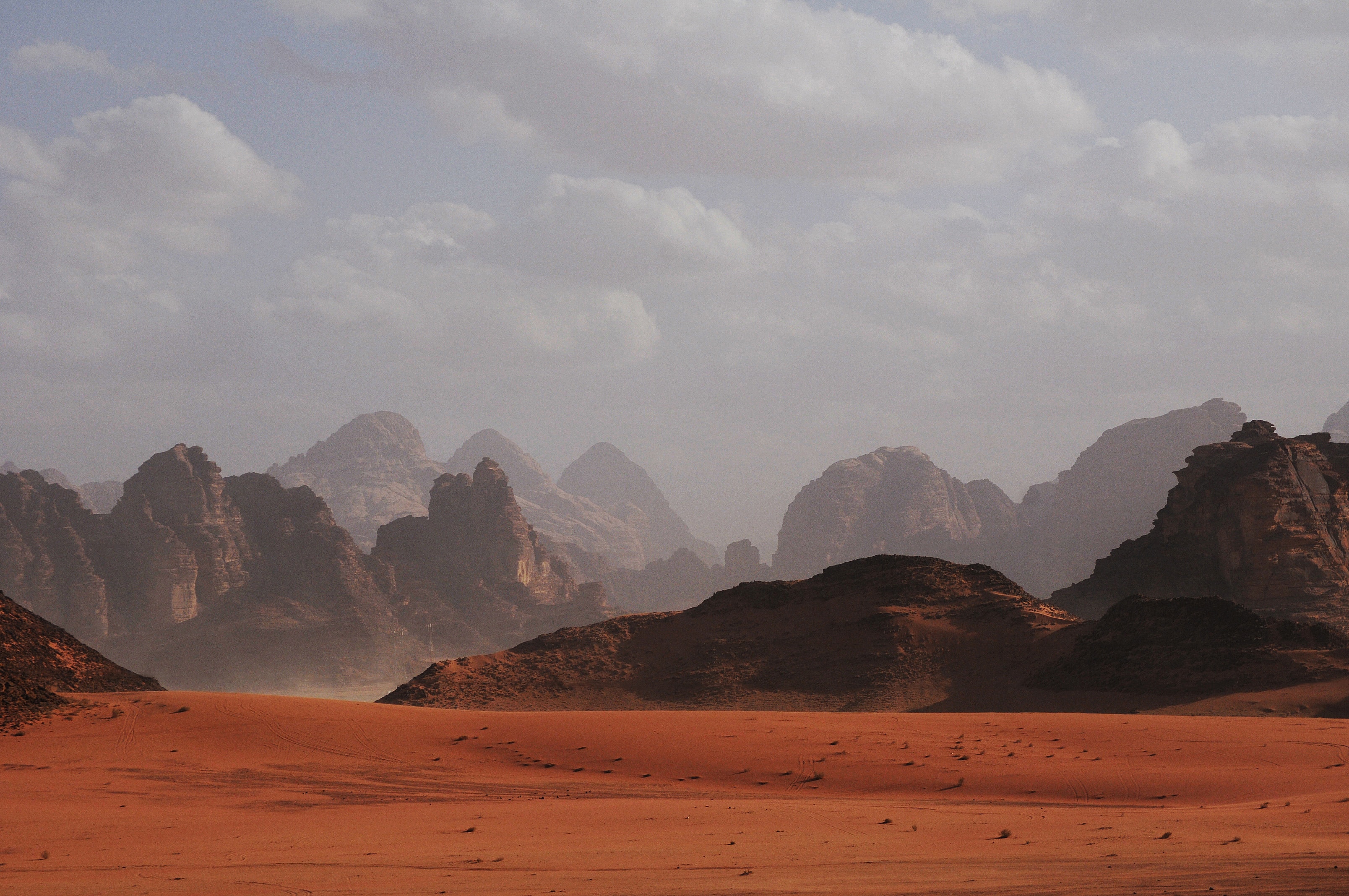
To celebrate another Friday, let’s take a quick trip to visit the neighbors. And by “neighbor” I mean Mars, because that’s how I roll.

Aaaaand since we’re on the Red Planet already (mentally, at least), here’s a time-lapse of the Ingenuity helicopter’s 63 (!) flight.

* * *

Photo by Nicolas Lobos on Unsplash

Read Full Post »

Today, a trip to a most excellently named location on Mars, courtesy of the European Space Agency’s Mars Express satellite program.

Fly across Mars’s ‘labyrinth of night’ with Mars Express

The video begins on a rotating full-globe of Mars, with white polar caps and mottled tan surface visible. It then zooms in on the westernmost part of the large Valles Marineris canyon system, a region highlighted by a white box, and swaps to a new Mars Express visualisation of Noctis Labyrinthus. The camera then flies slowly across a landscape that is broken apart by deep intersecting valleys and canyons.

* * *

Photo by Shihao Mei on Unsplash

Read Full Post »

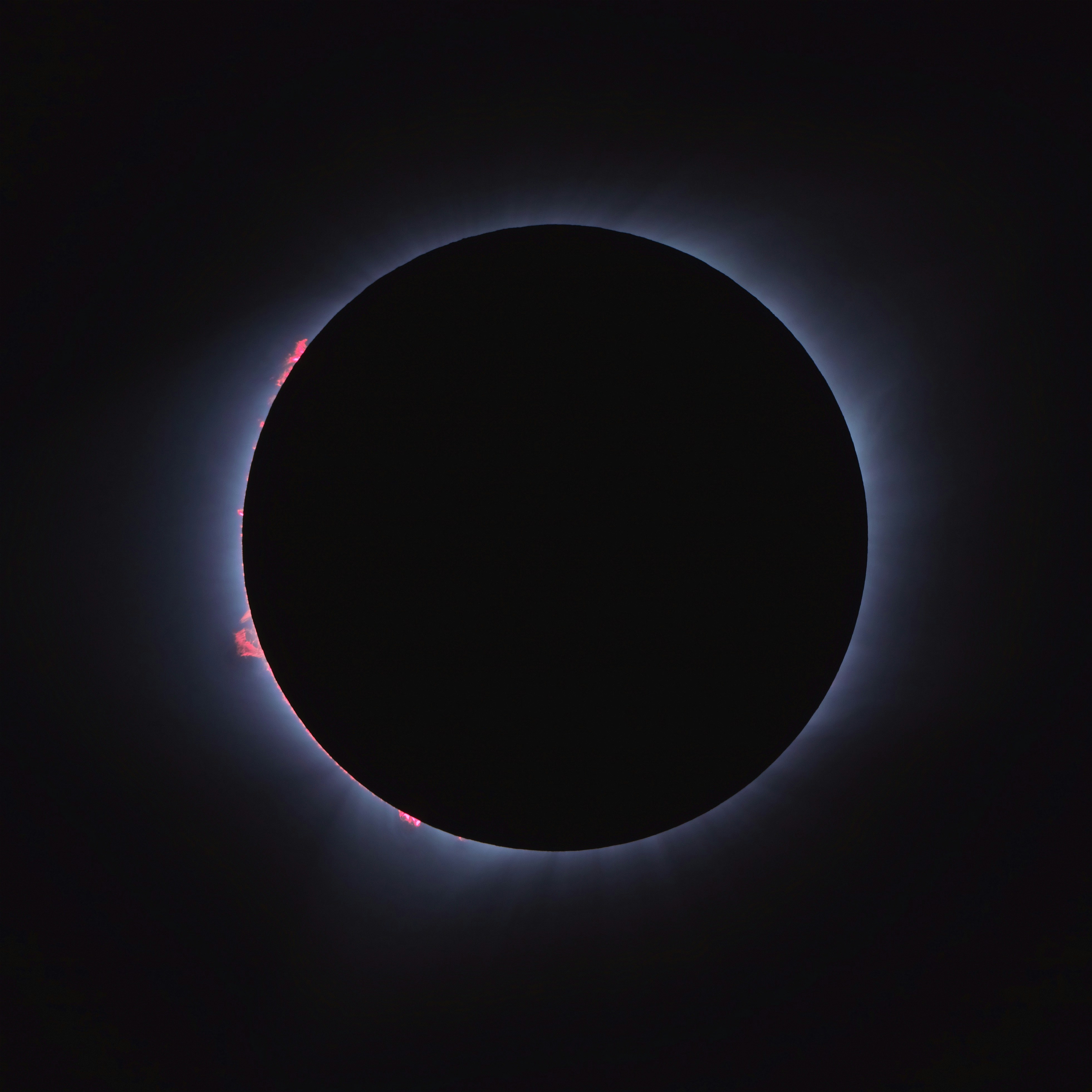
NASA and the Heavens would like to invite you to a commitment ceremony between the Sun and the Moon!

Join us today for a Ring of Fire ceremony, otherwise known as an annular eclipse, to be celebrated starting at 9:13 PDT today! 

Here’s how you can see Saturday’s ‘ring of fire’ solar eclipse – NPR

The “ring of fire” effect happens when the moon, which appears smaller in the sky because it’s further away from us, passes directly in front of the sun.

For more details, including maps with viewing times and locations, visit 2023 Annular Eclipse: Where & When.

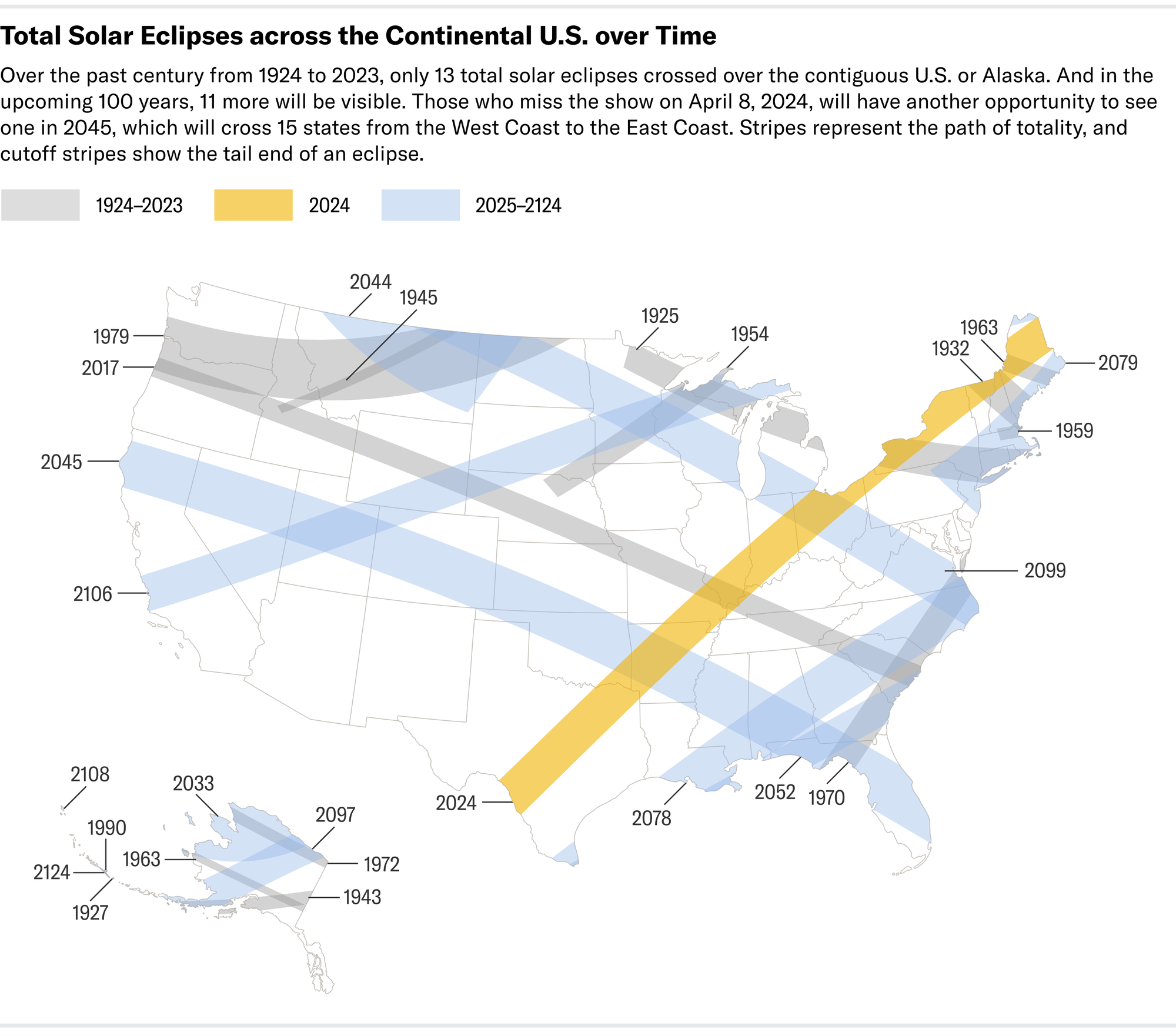
We’ll only have about 20% totality here, but I’m still excited for the happy couple. And remember, safety first!

How to View a Solar Eclipse Safely | Solar Eclipse Across America

The solar eclipse can burn your eyes. Here’s what you need to know | CBC Kids News

Astronomers want you to watch the Oct. 14 ‘ring of fire’ eclipse with a disco ball. No, seriously.

* * *

Photo by Bryan Goff on Unsplash

Read Full Post »

In less than an hour, NASA is set to launch Psyche, a mission to an asteroid with lots and lots of bling, arrival date in 2029.

Set to launch from NASA’s Kennedy Space Center in Florida, Psyche will travel across the solar system to an asteroid of the same name, which has unusually high metal content. Scientists hope understand why this is so, and to help answer fundamental questions about Earth’s own metal core and the formation of our solar system.

— Psyche – NASA

All of those important fundamental questions, yes. But you know they are also going to look for the shiny shiny. 

For more on the mission:

6 Things to Know About NASA’s Asteroid-Exploring Psyche Mission – NASA

Can’t wait until 2029 to get into all things Psyche? Get Involved Opportunities | NASA Psyche Mission

(I particularly like the examples of #PsycheSpaceCRAFTY.)

Watch the launch live:

(Good news from the future: New mission to metal-rich asteroid Psyche successfully blasts off!)

* * *

Peter Rubin/NASA/JPL-Caltech/ASU (PIA25138): NASA’s Psyche Spacecraft en Route to the Asteroid Belt (Artist’s Concept) 

Read Full Post »

Today, we hope to receive a very special delivery: a capsule containing a sample of an asteroid.

The OSIRIS-REx mission has been in progress for over seven years. Today we find out if its ultimate goal is successful.

In Depth | OSIRIS-REx – NASA Solar System Exploration

The Origins, Spectral Interpretation, Resource Identification, Security-Regolith Explorer (OSIRIS-REx) is the first U.S. spacecraft to collect a sample from an asteroid. OSIRIS-REx traveled to near-Earth asteroid Bennu and is bringing a small sample to Earth for study…

The mission, developed by scientists at the University of Arizona, will give us more information about how the early solar system formed and about how life began. It will also help us better understand asteroids that could impact Earth in the future.

The plan is for the return capsule to land at the Defense Department’s Utah Test and Training Range. If successful, humanity will have the opportunity to study pristine asteroid material.

Interested in videos, activities, and other information about the mission? Here you go:

OSIRIS-REx Resources – NASA Solar System Exploration

The capsule is expected to land at approximately 10:55am Eastern time. Want to watch the livestream? Me too:)

OSIRIS-REx Asteroid Sample Return (Official 4K NASA Broadcast)

* Spoiler alert! The mission was a success!

* * *

Read Full Post »

« Newer Posts - Older Posts »