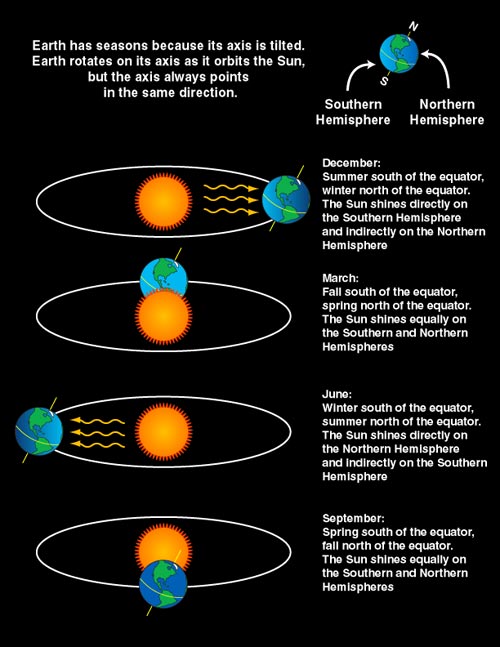
Happy summer solstice, everyone! (Fine, it’s called the June Solstice, but we all know what that means here in the Northern Hemisphere, don’t we? Summer!)
After decades of searching for extraterrestrial intelligence, humanity finally picked up a message from outer space today. Three of Earth’s top radio astronomy observatories detected the signal coming from somewhere near Mars. Its content has yet to be decoded.
Okay, okay, the message is not actually from aliens. Humans arranged for it to be transmitted to simulate receiving a signal from extraterrestrials. Consider it a dress rehearsal — a chance for us all to see how we’d respond if aliens really did transmit a message to Earth.
For more background on the project and the coded message, head to A Sign in Space.
Also, who knew that SETI has an artist in residence (and are we sure she isn’t an alien?)
Today’s post is brought to you by fiber optic cable, the innovation currently being inserted into my lawn.
In a discussion about grass vs. clover lawns today, I mentioned that our neighborhood is being wired for fiber internet. For weeks, we’ve had orange-vested dudes (and they’re all dudes) roaming in packs, hauling giant spools of multi-colored cables, digging up driveways and yards (and reseeding with industrial-strength grass seed), and generally doing their best to drag our 1990s development into the modern era.
Now we’ve got cable ends sticking up everywhere, a new panel in the grass looking like a secret bunker entrance, and neighbors wondering whether all this fuss is worth it.
It also led to the question, how do fiber optics work, exactly?
Answer: I have a layman’s understanding of the technology (data becomes light and zoom zooms down a shiny glass tube) but yeah, better look that up:)
* * *
Here’s a quick backgrounder about fiber optics from the folks who invented it.
Corning scientists Dr. Robert Maurer, Dr. Peter Schultz, and Dr. Donald Keck invented the first low-loss optical fiber in 1970. Inspired by their belief that information could be transmitted through light, Drs. Maurer, Schultz, and Keck spent four years experimenting with different properties of glass until they succeeded, creating the first low-loss optical fiber for telecommunications use.
…
How does it work?
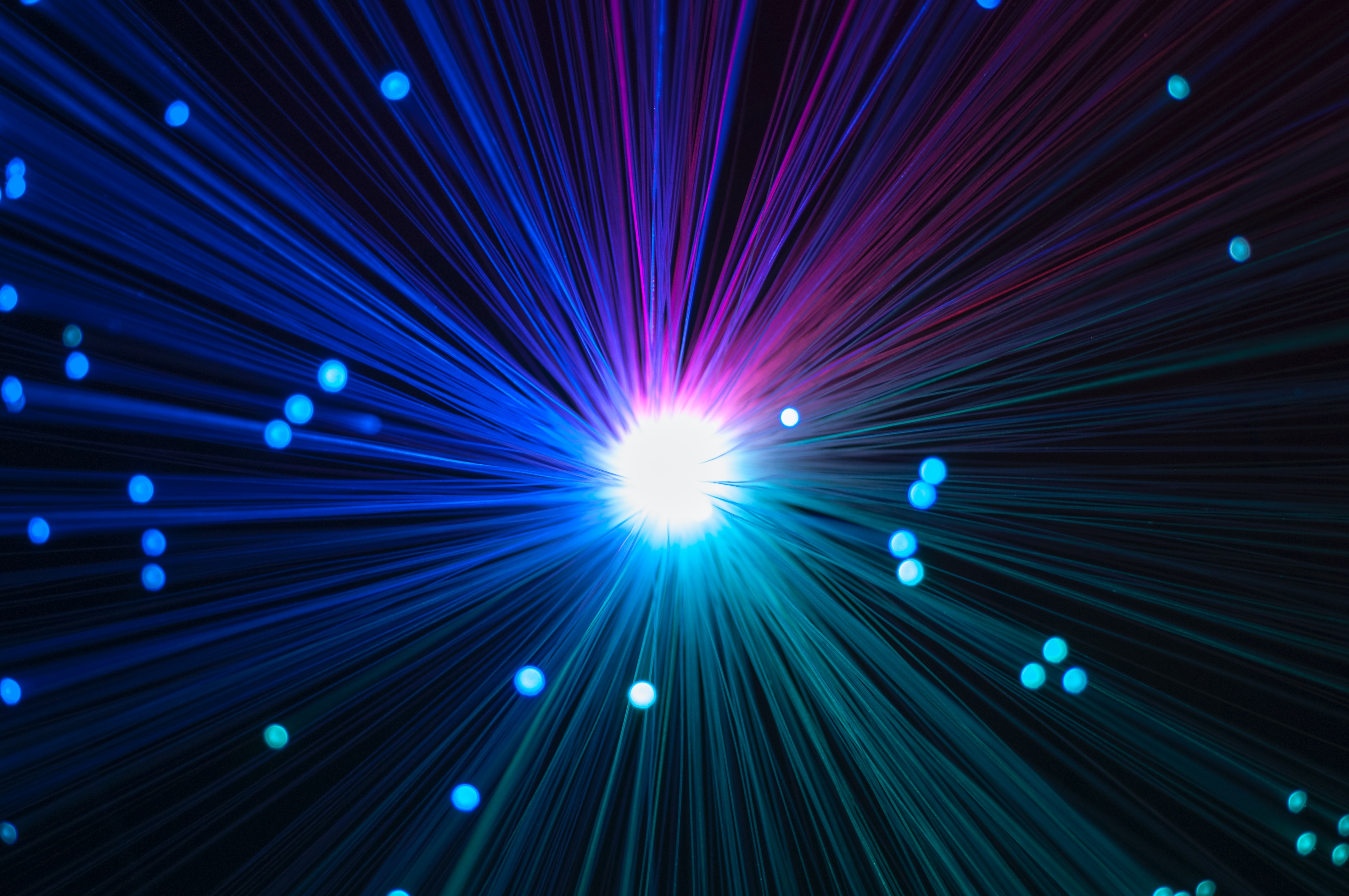
Encoded into a pattern of light waves, information travels through each optical fiber by a process of internal reflection. The waves move through the fiber from a given source to a destination such as a cable box where it is then decoded.
(So is it a little like a super sophisticated version of an Aldis signal lamp? I guess that’s one way to think about it.)
For more (and more scientific) details, check out this excellent video:
And just for fun, how do they connect North America to Africa to Asia, and everywhere else?
NASA recently released the Artemis II roster for the next crewed lunar mission. As one article put it, “this is not your grandfather’s moon mission” and that’s a good thing. The crew is 25% female, 25% African American, and even (gasp!) 25% Canadian! (Think you too have what it takes? Here’s a link to get started: Astronaut Selection Program | NASA. Good luck!)
Why go to space? There are a lot of potential answers. Given the complex, diverse and fascinating future of exploration, here’s a collection of stories and essays that address this very question.
Stories by: Madeline Ashby, Steven Barnes, Eileen Gunn, Ramez Naam, Carter Scholz, Karl Schroeder, Vandana Singh
Essays by: Jim Bell, Lawrence Dritsas, Linda T. Elkins-Tanton, Emma Frow, Roland Lehoucq, Andrew D. Maynard, Clark A. Miller, Deji Bryce Olukotun, Steve Ruff, William K. Storey, Sara Imari Walker, G. Pascal Zachary
…Jupiter, Mercury, Venus, Uranus, and Mars will dazzle us earthlings this week.
Unfortunately, our night skies tend to be washed out but I’m hoping to see at least part of this planetary parade. If you do too, try heading out after sunset.
Wait until the sun has set and then go out and look low in that bright part of the sky where the sun has just set with binoculars, and you should see brighter Jupiter next to fainter Mercury.
After hearing that the shadows disappeared at noon in the town of Syene (now known as Aswan), Eratosthenes achieved his understanding of our planet’s size by comparing the angle of the sun’s rays in the port city of Alexandria-at the same time.
The Sagan video won’t post for whatever reason, but this is the link:








You must be logged in to post a comment.