Now that Suni Williams and Butch Wilmore are back on the planet after an unexpectedly long stint at the office (in space! because they’re astronauts!), we’re left with some important questions.
Like, what changes when you’re in space, physically speaking? How challenging is it when you come back to earth? How long does it take to adjust? And what exactly happens in their “comprehensive reconditioning process”?
“I was like, laying in bed. I had to go to the bathroom and I just started pushing off my back thinking, ‘I’m going to float to the bathroom.’ And the light was out and I’m pushing up and I roll out of bed,” he says.
Inquiring minds want to know! (Short answer? Yes!)
There are certain upsides, physical…
The impacts of being in space, especially for long periods of time, on the body are still being studied. During a study conducted on astronaut twins Mark and Scott Kelly, researchers found that while Scott was on the ISS, he temporarily became two inches taller.
Ever wondered what it’s really like to be an astronaut? Do you wish you could ask someone all those burning space questions you’ve got in the back of your mind (and who doesn’t)?
This Wednesday evening, you’ll be able to join two astronauts—one of whom is in space right now—on a live stream from space and ask them questions about what it’s like to live and work on the ISS.
…
You can ask your very own question if you remember to tune in on Wednesday, February 12, at 11:45 a.m. EST (8:45 a.m. PST) on NASA’s Twitch channel.
I’m posting this now to give you time to prepare your best questions and to stock up on snacks like freeze dried ice cream, the weirdly addictive treat I’ve loved since childhood.
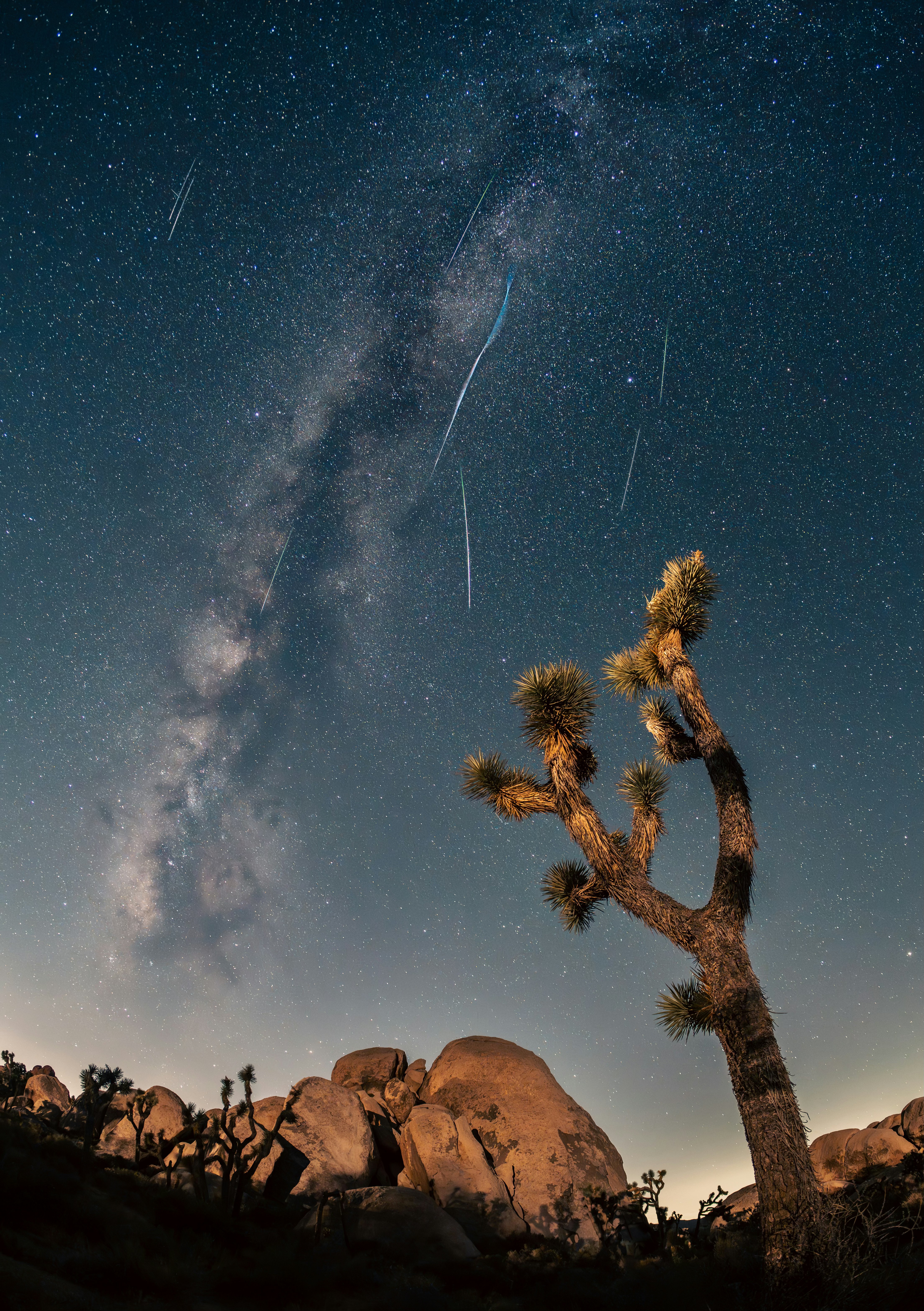
So, what’s the difference between asteroids, comets, and meteors? Well, asteroids are rocky, comets are icy, and meteors are much smaller and are the shooting stars that you see up in the sky.
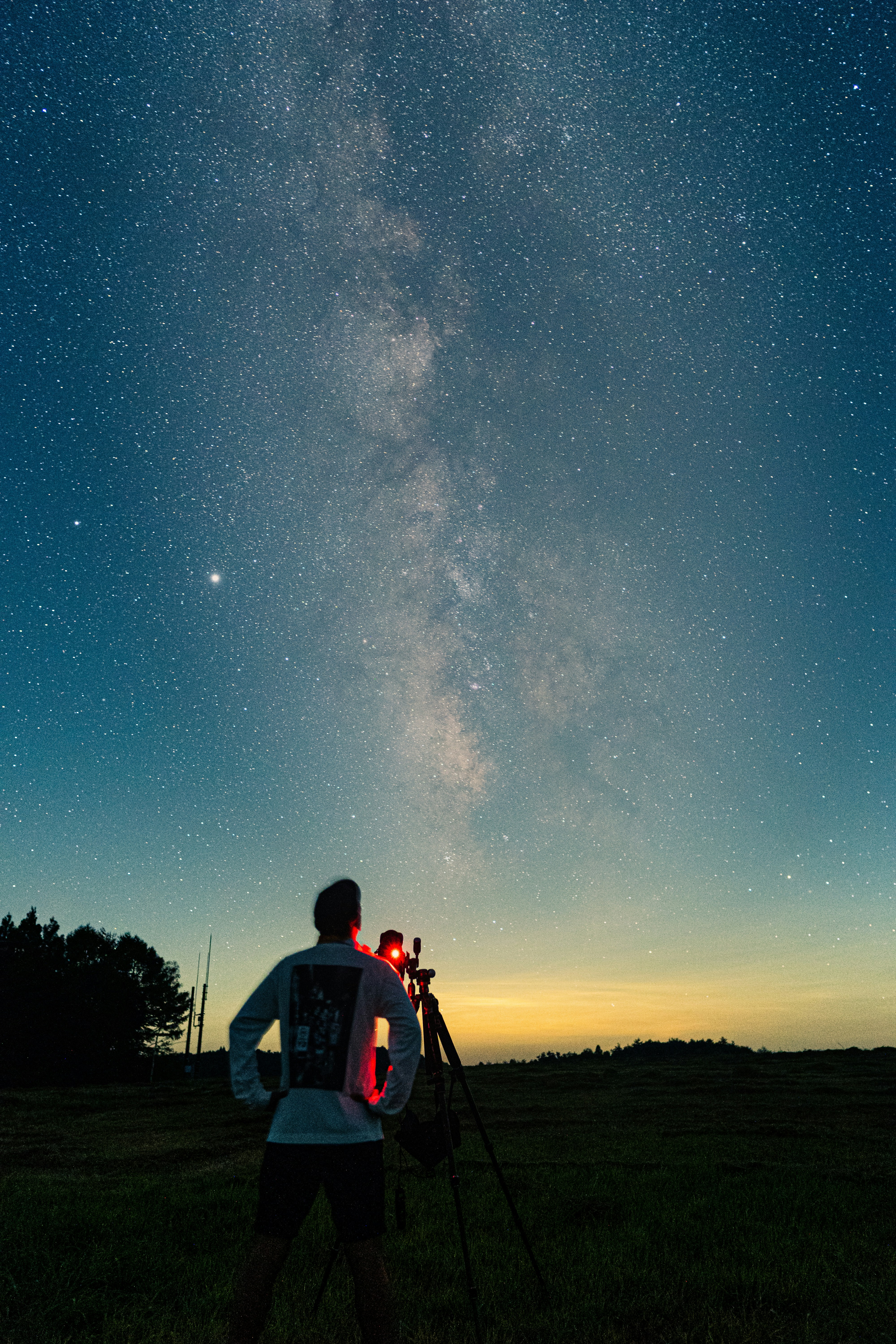
What do Saturn, Venus, Neptune, Uranus, Jupiter and Mars all have in common? They’re all currently in alignment, at least from our Earthly perspective.
Venus, Saturn and Neptune will be bunched together low in the southwestern sky, while Mars, Jupiter and Uranus will glow higher in the southern sky.
One trick for finding the planets is to look for how they shine. Stars appear to twinkle while planets do not, making it easier to pick out planets in a star-studded sky.
Weather and light pollution permitting, four of these planets will be visible to the naked eye. Pretty cool!
Between work and vaccine side effects and more work, today feels a little tedious. Time is crawling, and it feels like everything is taking a very looooong time.
What better day to remind myself that it could be much much worse? (Seriously, how many movies would I have to watch to fill the time it takes to get to Mars?)
…the 17th annual Space Telescope Advent Calendar, featuring remarkable images from both NASA’s Hubble telescope and James Webb Space Telescope. Every day until Wednesday, December 25, this page will present a new, incredible image of our universe from one of these two telescopes. Be sure to come back every day until Christmas…
If you happen to live in a place that will have clear skies tonight (or tomorrow), rejoice! It is time for that highlight of the annual meteor shower cycle, the Geminids.
The Geminids, which are bright and have a yellow hue, are considered one of the best and most reliable annual meteor showers, when at least 120 meteors are usually seen per hour during its peak, NASA says.
The Geminid meteor shower peaks in the middle of December, with the most activity this year expected late Friday and into early Saturday, according to NASA.
Alas, we expect snow and clouds here tonight, but I’m happy knowing that you, dear reader, might have a chance to see one of the most spectacular shows in the solar system.
If my brain had been working yesterday I would have mentioned the fact that many of us have an unusual opportunity to see the Aurora Borealis right now.
“The word Aurora was first used by Galileo and comes from Latin and is the name of the goddess of dawn.” — NOAA
This light show in space is typically reserved for latitudes close to the Earth’s poles, but we happen to be experiencing a G3 solar storm right now. This happens when solar storms drive coronal mass ejections, solar flares, solar particle events and solar winds at us. And by us, I mean Earth.
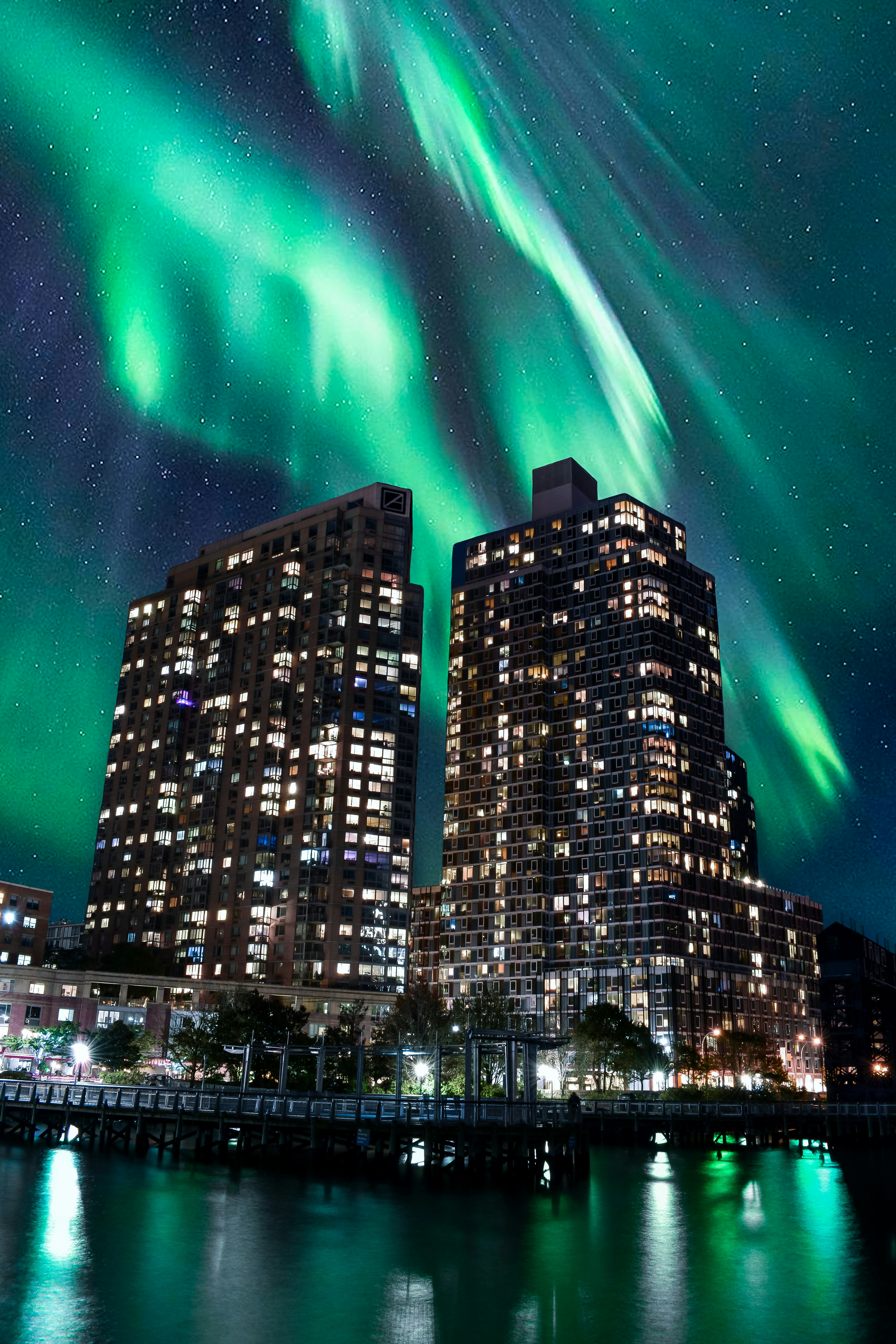
First, some pretty pictures from as far south as Florida:
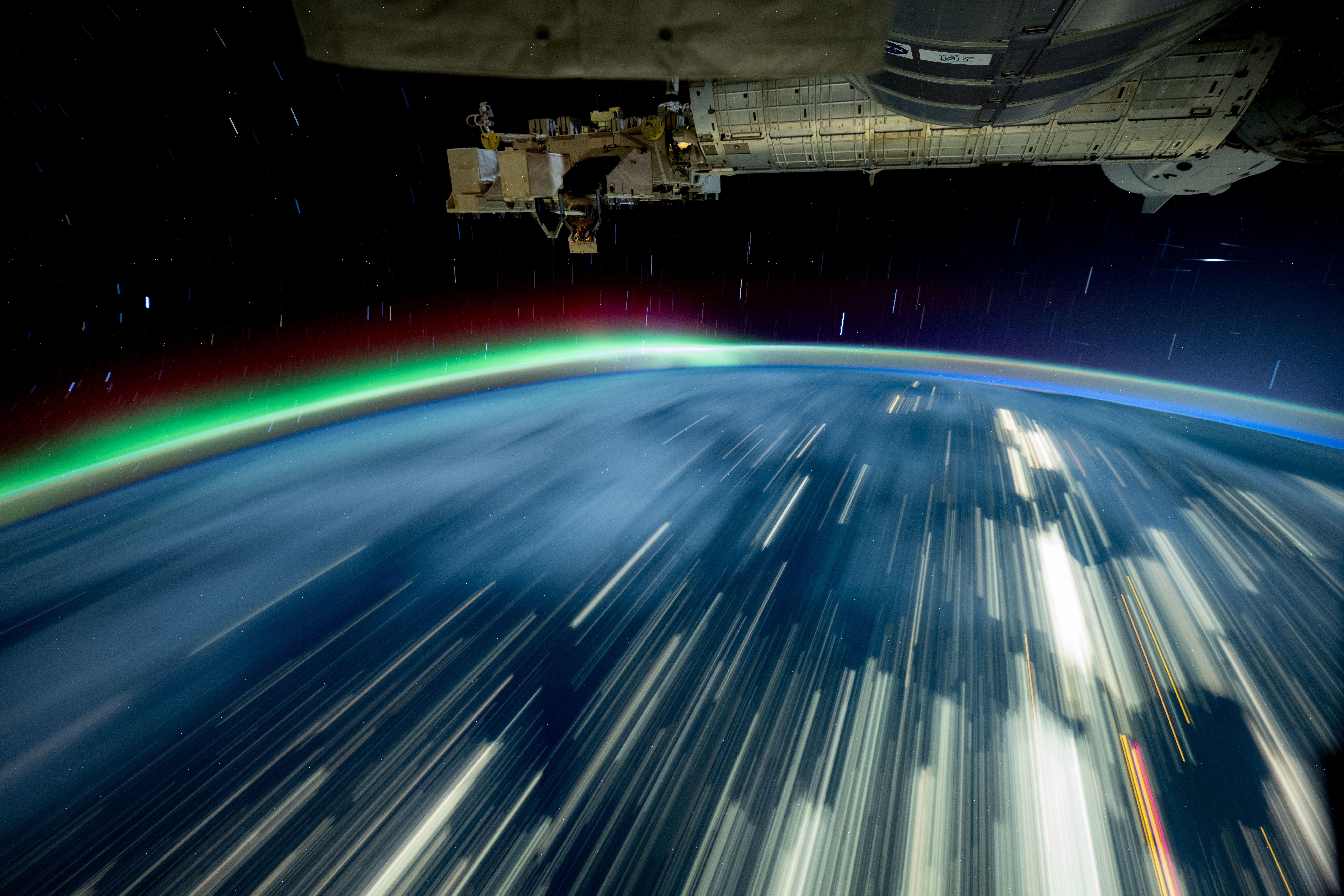
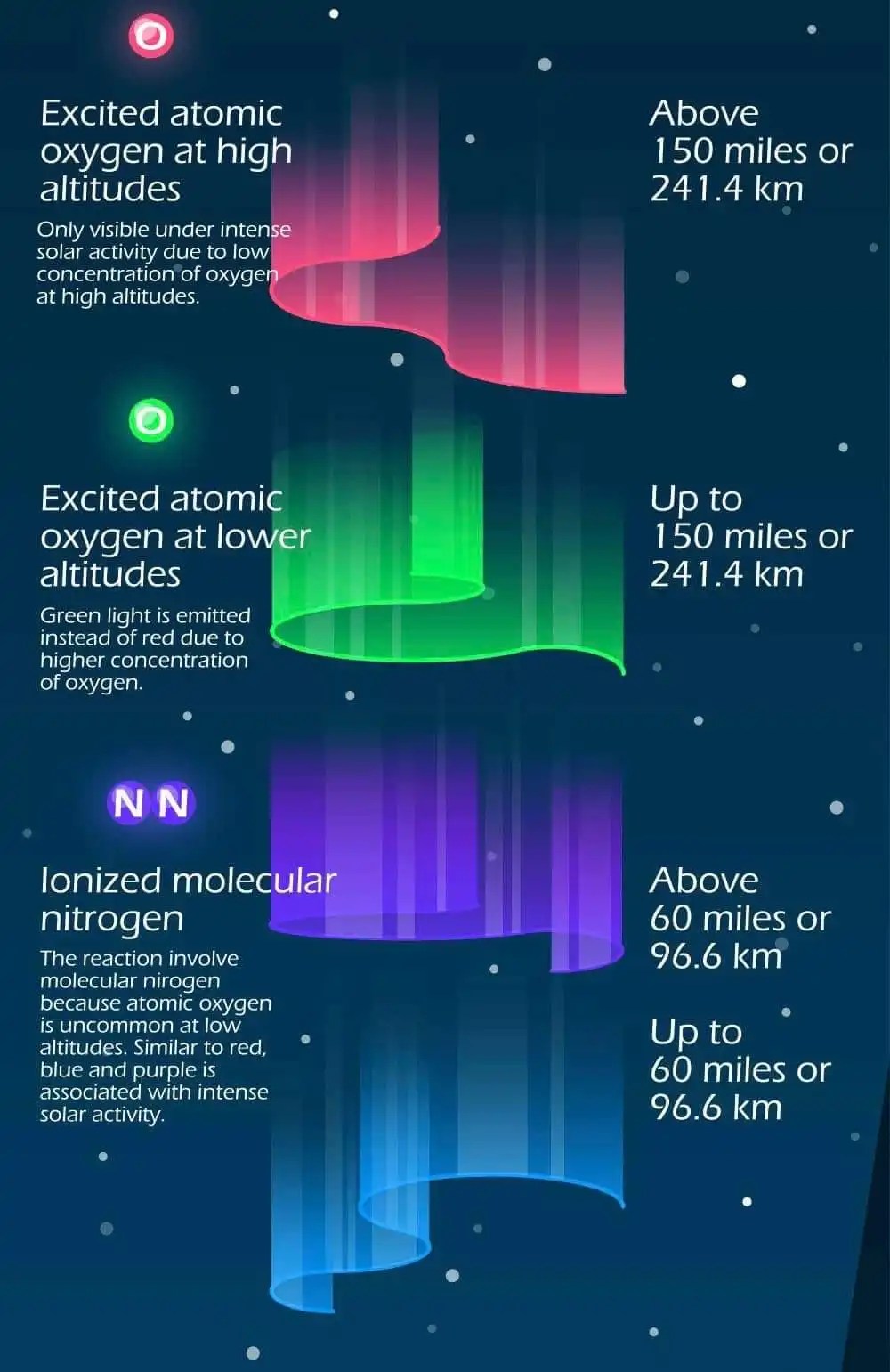
Our sun is the main reason for an aurora display. Particles energized by the sun race toward Earth, colliding with our upper atmosphere. Earth’s magnetic field divert this energy towards the north and south poles. As these energized particles enter Earth’s atmosphere, they excite gas atoms and molecules. The colors observed depend on which gas atoms they interact with.
In addition to colorful light bands, sometimes an aurora has black bands that block starlight. The dark regions likely come from electric fields in the upper atmosphere that block electrons from interacting with gases.
I won’t be hurt if you want to stop here and go search for more pictures, but if you’d like to know more about the how and why, read on!
When and where can you see the northern and southern lights also known as the aurora? This page provides a prediction of the aurora’s visibility tonight and tomorrow night in the charts below. The animations further down show what the aurora’s been up to over the last 24 hours and estimates what the next 30 minutes will be like. The aurora’s colorful green, red, and purple light shifts gently and often changes shape like softly blowing curtains.
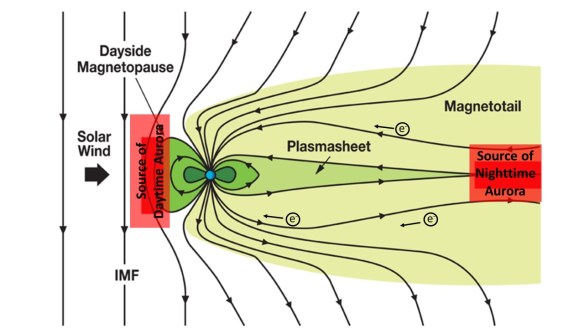
The figure below shows the magnetosphere and the locations where electrons are accelerated (in red). The red region on the right of the figure is where the electrons that produce night-time aurora are accelerated and the source of the processes that generate geomagnetic storms.
Pretty colors are pretty, of course, but why should we care about space weather?
Space weather is a global issue. Unlike terrestrial weather events, like a hurricane, space weather has the potential to impact not only the United States, but wider geographic regions. These complex events can have significant economic consequences and have the potential to negatively affect numerous sectors, including communications, satellite and airline operations, manned space flights, navigation and surveying systems, as well as the electric power grid.
Aaaand in case you haven’t had enough about auroras in particular and space weather in general, NOAA has a fun dashboard for you!




You must be logged in to post a comment.