I was all excited to work on a story but thought, “No, I shall do some quick adulting in the form of taxes, and then I shall feel worthy of fun times spent in Funlandia!”
You know how this story goes. I am chest-deep in forms, statements, receipts and more, with no end in sight.
Sorry, Funlandia, just one more mountain to climb.
The award-winning SFF magazine Clarkesworld recently released their Best Of 2023 list based on reader votes. While I don’t always love every Best Of story out there, I do like using those lists as starting points to explore new and interesting writers.
If you do too, check out the top 3 short stories and longer-form works.
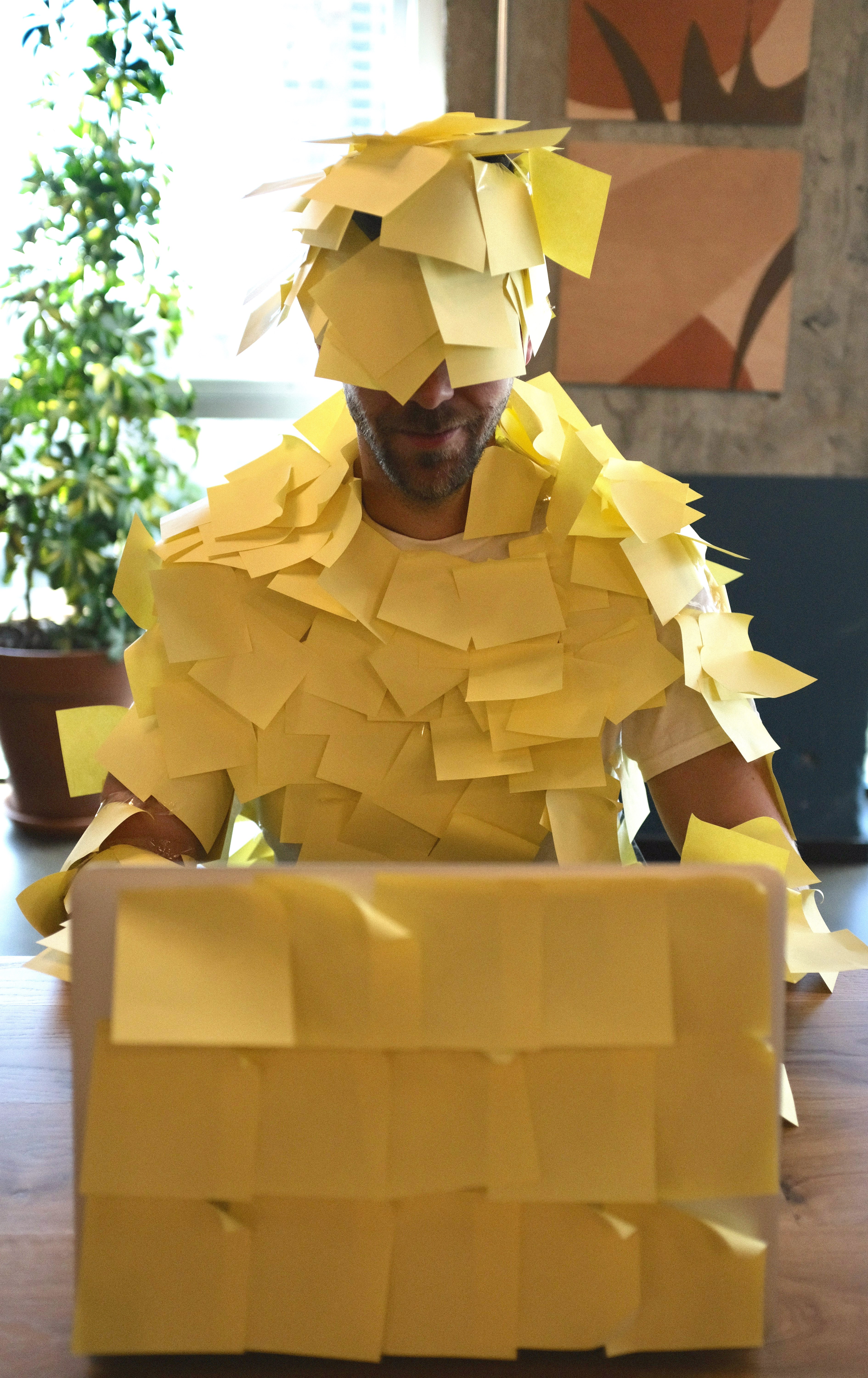
It’s the weekend and I feel I should be using my time for creative work, but instead I have a long and growing list taking up space in the back of my mind (and on Post-its fluttering from desk to pocket to pile). This list includes both the ignorable (“clean basement, for real this time”) and the not so much (“Taxes!”).
Today’s Now I Know (a fun free newsletter, recommended) talks about some of the fundamental elements of being a successful spy. Essentially, the key is to play a character as truthfully as possible.
When I moved to Canada I was suddenly surrounded by people and places that were just subtly different from what I was used to. The way people dress, talk, eat, smile, and yes, stand, are all signifiers of culture and place. It made me more conscious of what was the same and what was different, or what made me look at an actor in a commercial and immediately say, “Sooo Canadian!” when Mr Man didn’t register a difference.
Here’s the video referenced in the article, with Jonna Mendez, former CIA agent and Chief of Disguise:
What makes a character look “right” or not, or act as if they are rooted in a particular time and place? Understanding those fundamental cues is a great way to think about adding depth to stories and the characters who drive them.
While we’re here, Mendez also has a fun video critiquing scenes in spy movies, useful to anyone writing a story with espionage:
The idea that story can have an effect on the humans that consume it is not new. It’s well accepted across many cultures, and well supported by studies, that children’s development is aided by hearing stories, with benefits ranging from emotional development and improved communication skills to increased vocabulary and social maturity. But adults are also affected and changed by story.
I just posted this to a writer’s group and then thought, what the heck, maybe other people would appreciate this too. And here we are.
I saw a writer on Twitter feeling not great about his work, of the “everything’s terrible, no one wants this stupid book, what’s the point, why am I even bothering?” variety. Been there, of course, who hasn’t, and I had some thoughts. Sharing in case someone else needs to hear it too:
Think of the last book you read that brought you joy, or showed you that there is light at the end of darkness.









You must be logged in to post a comment.