I have a confession to make. I recently found myself in a position I never expected: burning books.
The experience was disturbing at a gut level, at least to me. But it made sense. And we didn’t burn everything.
Allow me to explain.
We were in the process of cleaning out a house and needed to sort through decades worth of material. There were a lot of interesting memories involved, woven across continents and generations.
There was a lot of random stuff too.
In this case, the “random stuff” included a lot of dictionaries.
Out of date dictionaries, falling apart dictionaries, duplicate dictionaries, dictionaries that would be picture perfect examples of what organizations mean when they put up notes that say, “Thank you for your donation. No dictionaries, please.”
So we were stuck. If we tried to donate to a library or second-hand store, the books would be sent straight into a landfill. (I get the appeal of pretending that they would be shipped to a nice farm upstate, but there was no happy ending, and foisting a problem off on someone else doesn’t mean it’s not still a problem. It was still hard, though!)
We were warned. Fair enough.
So instead, we decided to be warmed (heh).
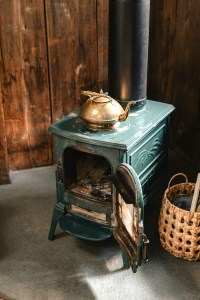
The house had a wood stove. It felt wrong but there we were, burning what was once of value but was now at best trash.
Sad, yes. But as we learned in the Day After Tomorrow, there are books, and then there are whole shelves on tax law (for example).
And we didn’t burn everything.
There were many other books, interesting journals, photos and letters and keepsakes that still spoke to both the past and the future.
Like a poem from French Surrealist Paul Éluard, which was published during World War Two and became a hymn to freedom.
“Liberté… J’écris ton nom”: Eluard’s poem and the Cambridge UL Liberation collection
Translated, it begins:
On my school notebooks,
on my desk and the trees,
on the sand on the snow,
I write your name
On every page I’ve read,
on every blank page
Stone blood paper or ash
I write your name.
The poem was published outside of Vichy-controlled France to evade censorship. British pilots dropped copies into occupied territory to encourage the Resistance. And we found a copy that had been transported from (we’re guessing) a charming museum shop in France to a quiet corner of Canada decades after the war, its pages still bright with color and intensity.
Reminding us what was lost, and what was won.
A lot falls by the wayside of life. Receipts, old bills, dictionaries. I have a history degree and I haven’t met a bit of ephemera that doesn’t interest me, but I also believe that we shouldn’t keep everything.
Life is short. I don’t want the past to bury me before my time.
Still, the dictionary dilemma was an unusual case. Not everything should be returned to the fire.
My typical solution? When dealing with items I no longer want that still hold memories I’d rather not lose, I take photographs. Then I can pass those items on without losing the stories that made them precious.
Choosing what to keep and what to remember is an art in itself, a way of curating what we value in order to make our lives, and our futures, better.
When it’s your turn to decide, what would you sacrifice? And what will you save?
* * *


Leave a Reply!