Feeds:
Posts
Comments

Archive for the ‘Science!’ Category

Today has been all about dealing with tech issues. Along those lines:

Watch an egg fall from near space...

A former NASA engineer and now-YouTuber has created a viral sensation with a video documenting efforts to send an egg to near space to test if it cracks up on landing.

Because sure, why not?

* * *

Photo by 青 晨 on Unsplash

Read Full Post »

Explore the wondrous interconnectivity of life with this interactive graphic:

OneZoom Tree of Life Explorer

An interactive map of the evolutionary links between all living things known to science. Discover your favourites, see which species are under threat, and be amazed by the diversity of life on earth.

How small the selection we have today, and how precious.

* * *

Photo by Johannes Plenio on Pexels.com

Read Full Post »

To supplement my previous post on the progress we’ve made imaging the far side of the Moon, here are a number of snapshots from the Artemis I Orion flyby.

See the Far Side of the Moon: Incredibly Detailed Pictures From Artemis I Orion Close Lunar Flyby

I’m pretty sure I see a forest. Or possibly Bigfoot’s footprints. 

And it definitely looks like cheese.

* * *

Photo by Towfiqu barbhuiya on Unsplash

Read Full Post »

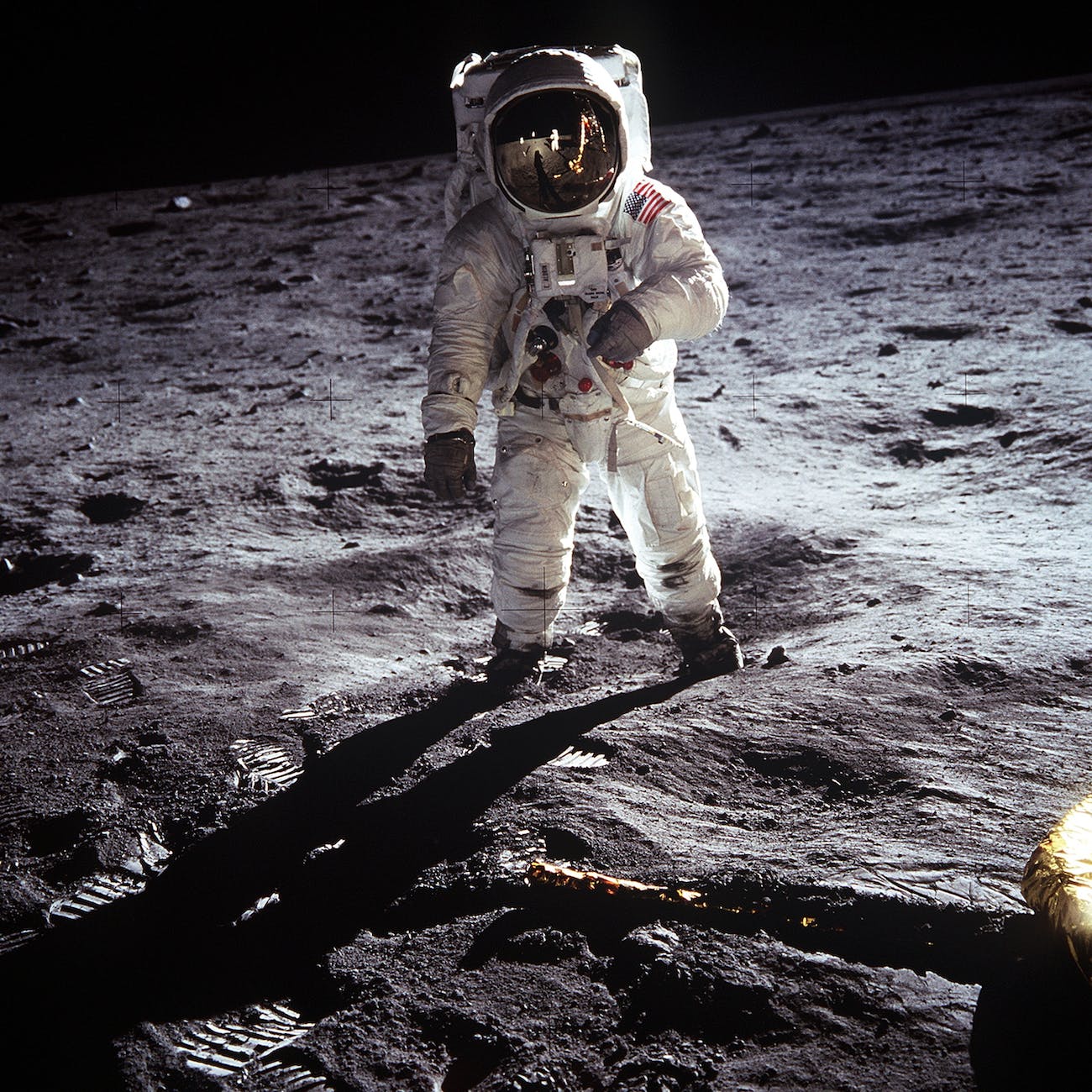
I am working on story edits today and found myself needing to look up a lunar technicality. Next thing I know, I was reading a detailed account of the first lunar spacewalk at Tranquillity Base. I thought you might enjoy it too.

Wide Awake on the Sea of Tranquillity | NASA

July 20, 1969: The day began on the farside of the Moon. Armstrong, Aldrin and crewmate Mike Collins flew their spaceship 60 miles above the cratered wasteland. No one on Earth can see the Moon’s farside. Even today it remains a land of considerable mystery, but the astronauts had no time for sight-seeing. Collins pressed a button, activating a set of springs, and the spaceship split in two. The half named Columbia, with Collins on board, would remain in orbit. The other half, the Eagle, spiraled over the horizon toward the Sea of Tranquillity.

“You are Go for powered descent,” Houston radioed…

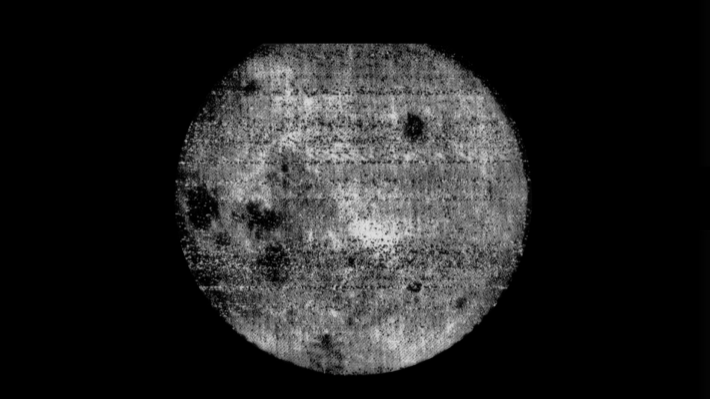
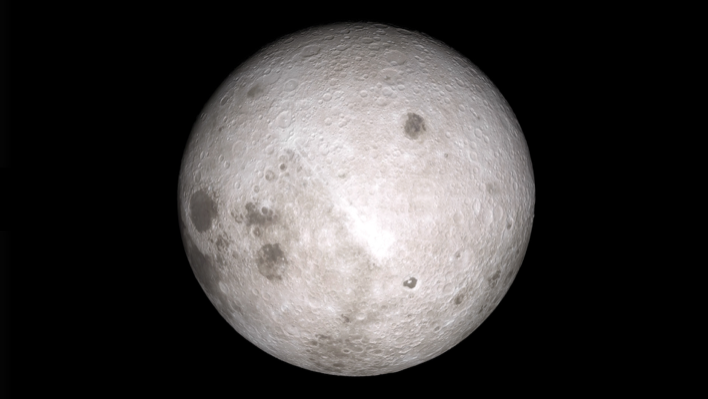
This also got me thinking about the farside of the moon. We’ve learned a lot about it since these images in 1959:

First Photo of the Lunar Farside – Moon: NASA Science 

Check out the image comparison a few paragraphs in. Or heck, here’s my version:

Image credit: NASA

And since we’re talking about the moon, let’s wrap with an update from Artemis:

NASA to Share Artemis I Update with Orion at Farthest Point from Earth | NASA

Orion entered a distant lunar orbit on at 4:52 p.m. EST Friday, Nov. 25, where the spacecraft will remain for about a week to test systems in a deep space environment about 40,000 miles above the lunar surface before beginning the journey back to Earth. 

* * *

Photo by Pixabay on Pexels.com

Read Full Post »

The Artemis moon mission is now underway, which means fun updates like this video flyby of the Moon.

… NASA’s Orion spacecraft performs a close approach of the lunar surface on its way to a distant retrograde orbit, a highly stable orbit thousands of miles beyond the Moon. During the Artemis I flight test, launched on Nov. 16, Orion will travel 280,000 miles (450,000 km) from Earth and 40,000 miles (64,000 km) beyond the far side of the Moon, carrying science and technology payloads to expand our understanding of lunar science, technology developments, and deep space radiation.

— Artemis I Close Flyby of the Moon – YouTube

Check out Orion’s location with the Artemis Real-time Orbit Website: NASA: Artemis I.

* * *

Photo by Hebert Santos

Read Full Post »

This article from 2016 highlights the terahertz spectrometer, which is a technology that can read books without opening them.  

This new machine can read book pages without cracking the cover | PBS NewsHour

The machine uses beams of radiation to creep in between pages and scan individual letters. This new tool wasn’t made to create disdain among classic readers or for those too lazy to lift a cover. Rather it may unlock the secrets of old books or ancient texts too fragile to be disturbed by human touch.

Scanning an object layer by layer and deriving meaning from the images? Cool, nifty, amazing, a breakthrough for archaeologists and antiquarians everywhere!

Also, remind me again why mammograms still require what is, in effect, a highly sophisticated panini press?*

And yes, it is exactly as uncomfortable as it sounds.

* I know, I know, living tissue is not the same thing as parchment or an Italian sandwich. Still, it’s hard not to think that the gap between the current and ideal mammogram experience represents an untapped opportunity for innovation. Ladies, can I get an amen?

* * *

Photo by Dmitry Stepanov on Unsplash

Read Full Post »

Will the Artemis moon mission finally fly? The answer seems to be, “Probably.”* The weather has been challenging but tonight’s forecast looks good. Here’s hoping all goes well tonight!

NASA’s new Artemis moon rocket is once again being readied for its first flight : NPR

A successful launch would be a key milestone for NASA’s Artemis program, which aims to put the first woman and first person of color on the lunar surface. The agency has not launched a space vehicle designed to send astronauts to the moon since 1972.

* Edit from the future: the answer is yes!

* * *

Photo by Siim Lukka on Unsplash

Read Full Post »

I didn’t get everything done today that I’d planned. I did make apple pie, though, and that’s not nothing.

“If you wish to make an apple pie from scratch, you must first invent the universe.”

― Carl Sagan

* * *

Photo by Andy Chilton on Unsplash

Read Full Post »

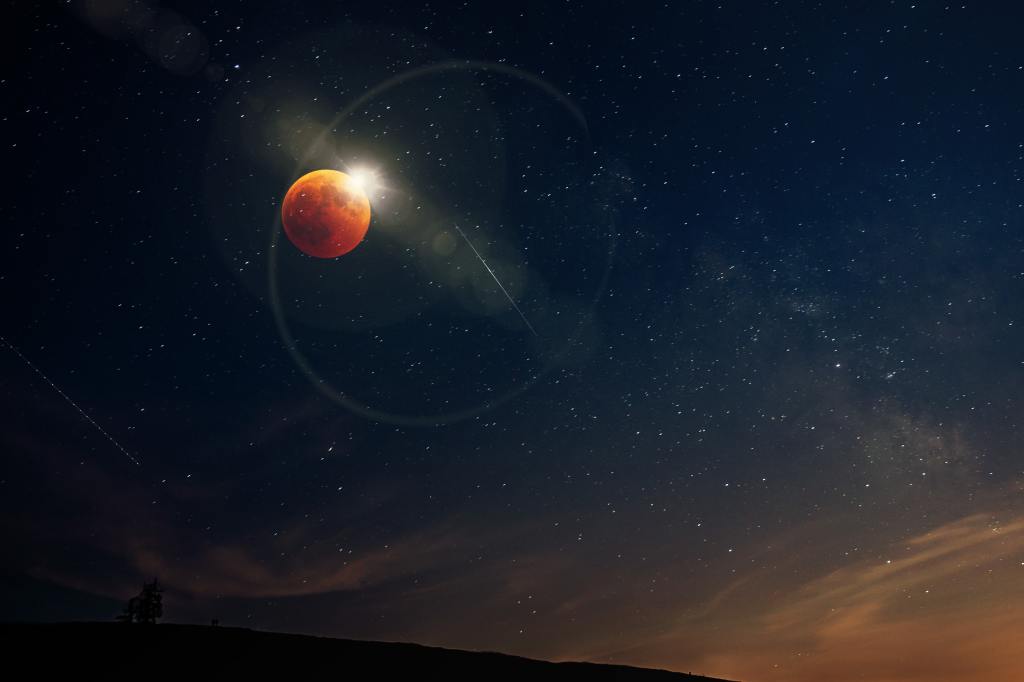
Do you love Tuesdays? Want to get a head start on tomorrow? (Or hate Tuesdays and want something to make tomorrow better? Yeah, that’s more me, I’m afraid.) Or perhaps you’re just looking for an excuse to stay up late, you know, For Science? You are in luck!

A total eclipse happens this week, and it will be the last one for 3 years : NPR

The initial phase of the eclipse begins at 3:02 a.m. ET, according to NASA. The partial eclipse then begins at 4:09 a.m. ET, when to the naked eye, it looks like a bite is being taken out of the moon. The lunar disk enters totality at 5:17 a.m. ET and will last for about an hour and a half.

Want more science? Check out NASA’s page on this eclipse: What You Need to Know About the Lunar Eclipse – Moon: NASA Science.

One of my relatives is very much a night owl, so she will have no trouble catching this. The rest of us might have to set our alarms (or, let’s be honest, check out the video tomorrow; no shame either way!).

Enjoy!

* * *

Photo by Vincenzo Malagoli on Unsplash

Read Full Post »

Thanks to a short night and a long workday I’m feeling sluggish. The cat is helping by following me around and randomly flopping onto his side, then purring up a storm. It’s adorable and quite soothing, the perfect foil to an otherwise deeply average day.

But what if you don’t have a cat, or the cat you do have is severely lacking in chill? Never fear! The internet is here to help.

* * *

Photo by Gaelle Marcel on Unsplash

Read Full Post »

« Newer Posts - Older Posts »