“You can write. You can. Almost any damned fool can, and many of them do. If I can do it, believe me, you can too.”
* * *

Posted in Writing, tagged #365Ways, #365Ways2024, creativity, Thoughts, Writers, writing on September 25, 2024| Leave a Comment »
“You can write. You can. Almost any damned fool can, and many of them do. If I can do it, believe me, you can too.”
* * *
Posted in Writing, tagged #365Ways, #365Ways2024, #alittlepickmeup, Thoughts, writing on September 23, 2024| Leave a Comment »
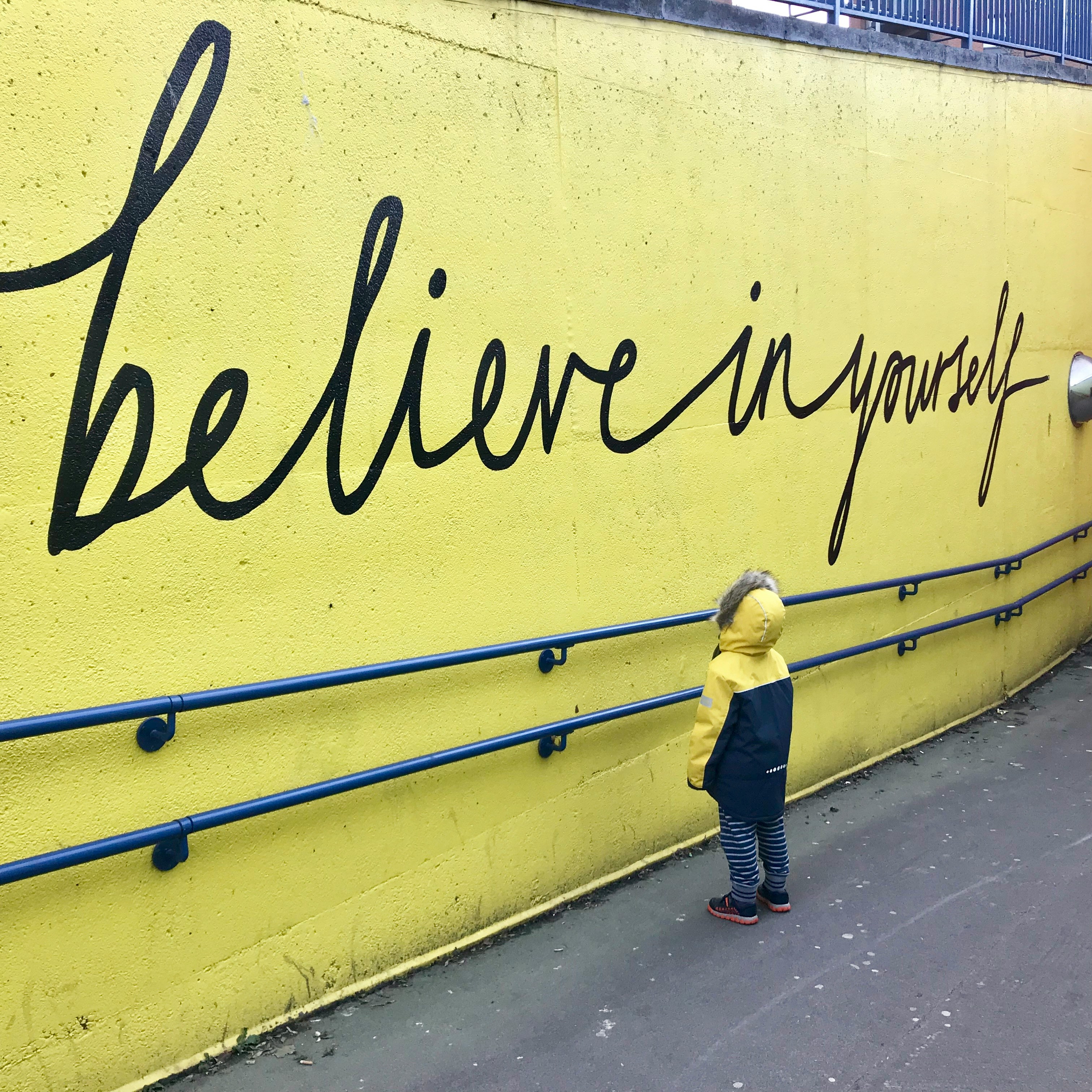
“Being kind isn’t always easy. Or convenient. But it has the potential to change everything.”
— Cap Watkins
* * *
Posted in Writing, tagged #365Ways, #365Ways2024, creativity, inspiration, Thoughts, Writers, writing on September 21, 2024| Leave a Comment »
Success isn’t about how your life looks to others. It’s about how it feels to you.
— Michelle Obama
* * *

Posted in Writing, tagged #365Ways, #365Ways2024, language, Thoughts on September 20, 2024| Leave a Comment »
Ever had one of those low-stakes issues that are like a tiny splinter, not a serious problem but still annoying? Of course you have. We all have triggers that bug us, some shared (fingernails on a chalkboard, anyone?) and some a little more niche.
For example, I hate the corporate buzzword “learnings.”
It’s not a real word! It is a solution to a non-existent problem, designed only to signal in-group status for aspiring wielders of upper-level business speak.
Note: The word was published in the 15th century by one Geoffrey de La Tour-Landry, but later fell out of fashion. It is now considered “an erroneous plural form of the colloquial term ‘learning’”.
That 15th century author said “the thre enseygnementes or lernynges whiche Cathon gaf to his sone.” Dear business buzzword types, will you also revert to other spellings from half a millennia ago? Giveth me a break.
Seriously, what is wrong with the word “lessons”?
* * *
Ooh, this gives me an opportunity to use the internet for its highest and best purpose, looking up random weirdness and reveling in possibly correct but certainly entertaining results. Let’s translate a modern-day sentence into Shakespearean English.
English to Shakespearean Translator
If thee necessity to inventeth a new tongue to feeleth bett’r about thy occupation, art thee certes t’is the c’rrect occupation f’r thee?
While we’re having fun, here’s a version for Mr Man. He has a soft spot in his childhood heart for the cultural icon that is The Swedish Chef:
Iff yuou hefe-a tu infent a nuo luonguoege-a tu feel better ibuout yuour jub, ire-a yuou suore-a it is zee-a right jub fur yuou? Bork Bork Bork!
And finally, an article assuring me that I’m not the only one who finds bizspeak annoying, and also helps me find a bit of chill.
Why business speak is so irritating — and what we can do about it
It’s normal and useful for people within a company or field to have their own names for specific kinds of tasks or projects. But when overused, Sokolowski notes, buzzwords can become a code for a kind of professional language that is “substituting for authenticity.”
…
“We should be generous with others and recognize that maybe the words we hate aren’t the same words that other people hate, and that we should allow words to have their own power and to carry meaning,” he added.
Fine, fine. Like I said, it’s a pretty low-key issue for me.
It’s true that language is ever-evolving and that we all have fun shaping it to our current needs. (Please see my aforementioned use of the portmanteau word “bizspeak” above.) I’ll try to be reasonable about it.
And that concludes my language-related learning lesson* for the day!
* Nope, sorry, can’t do it!
* * *

Posted in Writing, tagged #365Ways, #365Ways2024, genre fiction, speculative fiction, Thoughts, Writers, writing on September 19, 2024| Leave a Comment »
Today, a super-sized interview on the future of speculative fiction from Reactor Magazine.
What do some of the biggest names in SFF have to say about current bookish trends, or what the future might hold?
The authors:
They had me at cozy fantasy. And also “very interesting, complicated, messy, ruthless female protagonist.” And dragons. And Scandinavian werewolves!
* * *

Posted in Science!, Writing, tagged #365Ways, #365Ways2024, climate change, creativity, environment, genre fiction, innovation, inspiration, Kim Stanley Robinson, science fiction, technology, Thoughts, writing on September 16, 2024| Leave a Comment »
Today’s question of the day:
BBC World Service – The Climate Question, Can Science Fiction help us fight climate change?
The acclaimed US sci-fi author Kim Stanley Robinson is also a star in the world of climate activism because his work often features climate change – on Earth and beyond. Robinson has been a guest speaker at the COP climate summit, and novels such as The Ministry For The Future and The Mars Trilogy are admired by everyone from Barack Obama to former UN climate chief Christiana Figueres.
Now, the answer to this question seems fairly self-evident to me. I see innovation as a conversation, in a way, between what is and what we can imagine will be. And fiction is excellent at helping us imagine new and better worlds.
Other examples of sci-fi ideas made real:
Ten Inventions Inspired by Science Fiction | Smithsonian
6 scientific innovations inspired by science fiction
10 ‘Star Trek’ Technologies That Actually Came True | HowStuffWorks
Look around you. What are our technological and social capabilities? What are our needs? And what do you think we’ll invent next?
* * *
Posted in Writing, tagged #365Ways, #365Ways2024, creativity, inspiration, Thoughts, Writers on September 15, 2024| Leave a Comment »
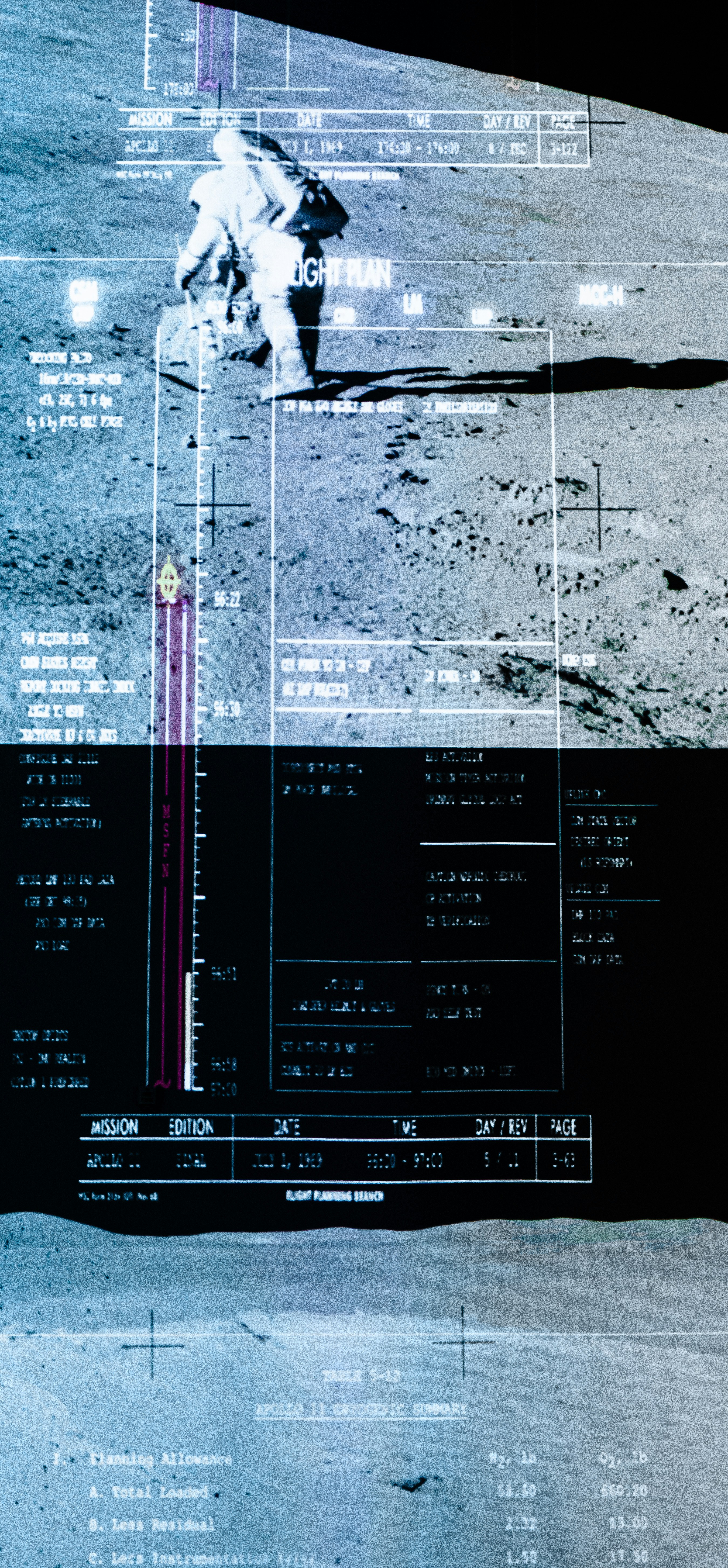
“Look up at the stars and not down at your feet. Try to make sense of what you see, and wonder about what makes the universe exist. Be curious.”
— Stephen Hawking
* * *

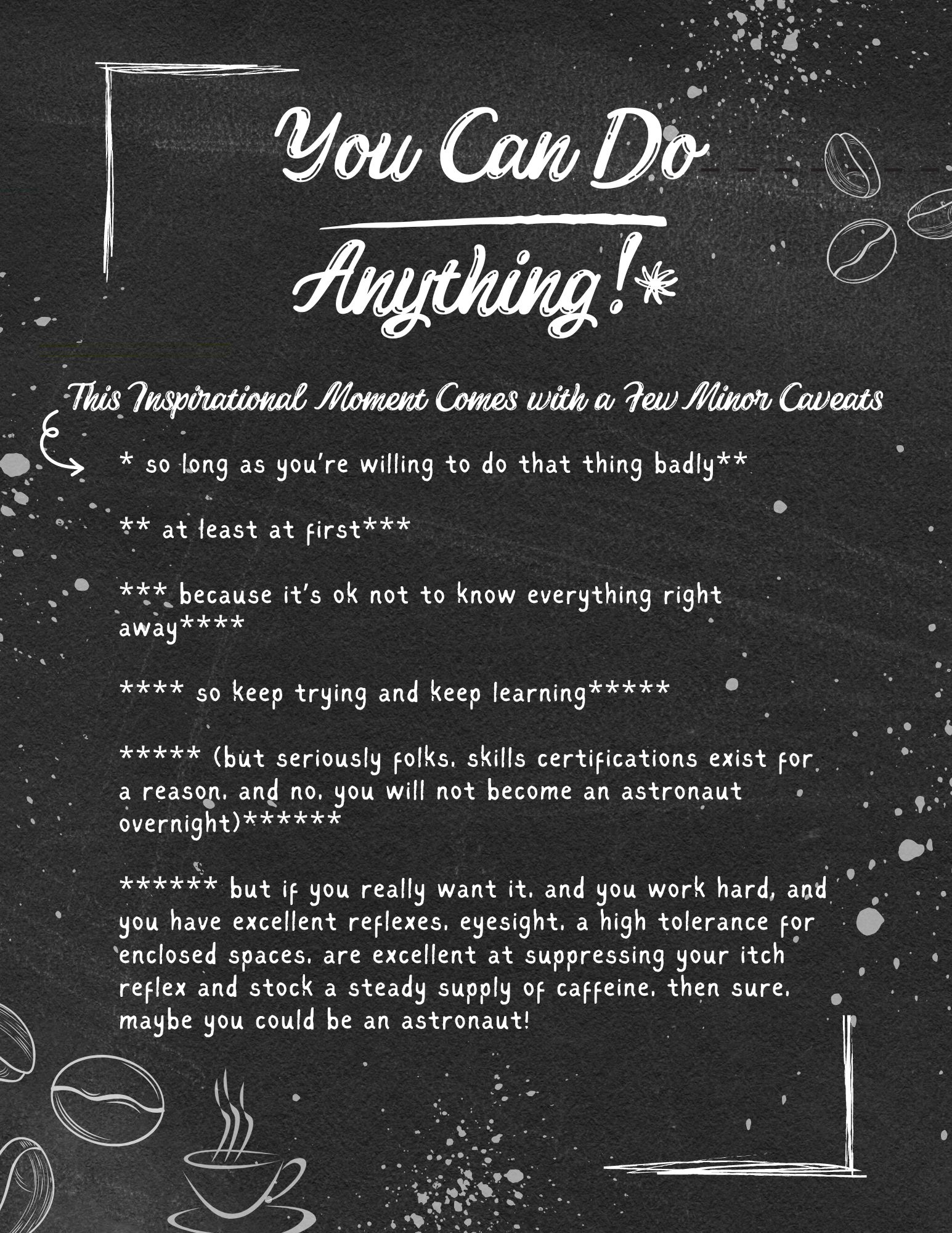
Posted in Writing, tagged #365Ways, #365Ways2024, art, creativity, inspiration, itch reflex, NASA, persistence, the world-changing powers of caffeine, Thoughts, Writers, writing on September 1, 2024| Leave a Comment »
Posted in Writing, tagged #365Ways, #365Ways2024, creativity, first drafts, genre fiction, inspiration, quotes, Thoughts, Writers, writing on August 30, 2024| Leave a Comment »
“This afternoon, burn down the house. Tomorrow, pour critical water upon the simmering coals. Time enough to think and cut and rewrite tomorrow. But today-explode-fly-apart-disintegrate! The other six or seven drafts are going to be pure torture. So why not enjoy the first draft, in the hope that your joy will seek and find others in the world who, by reading your story, will catch fire, too?”
— Ray Bradbury
* * *

Posted in Writing, tagged #365Ways, #365Ways2024, creativity, genre fiction, inspiration, Thoughts, Writers, writing on August 29, 2024| Leave a Comment »
I’m toying with an idea and I can’t decide if it’s crazy or cool. Here’s a peek inside my head:
“Hey self, maybe we should try something a little bonkers.”
“Why not? Sounds fun. What do you have in mind?”
“What about writing a bunch of drabbles?”
“One-hundred word stories? We do that all the time, so sure.”
“What about writing a hundred drabbles?”
“A hundred? As in, One hundred? 100? Ten times ten? Roman numeral C?”
“Yep. Because numerical symmetry. One hundred hundred word stories.”
“I know you like challenging goals but that’s completely bonkers.”
“Yeah?”
“Absolutely. Also… pretty cool, actually. Hmm.”
So there you have it, my current writing target dilemma. A project like this would be a fun challenge but the real question is whether it would help my writing or distract me from larger projects.
What do you think, is this idea too much or not enough? Crazy? Cool? Bit of both?
* * *



You must be logged in to post a comment.