The video begins on a rotating full-globe of Mars, with white polar caps and mottled tan surface visible. It then zooms in on the westernmost part of the large Valles Marineris canyon system, a region highlighted by a white box, and swaps to a new Mars Express visualisation of Noctis Labyrinthus. The camera then flies slowly across a landscape that is broken apart by deep intersecting valleys and canyons.
If you pay any attention to the news, you don’t need to be told that the world is a sometimes dark and dangerous place, or that humans have the potential for hatred and violence.
But perhaps you also appreciate a reminder that life is not just fearsome, and that humanity has the potential to do an astonishing amount of good.
I know I do.
“Love and compassion are necessities, not luxuries. Without them humanity cannot survive.”
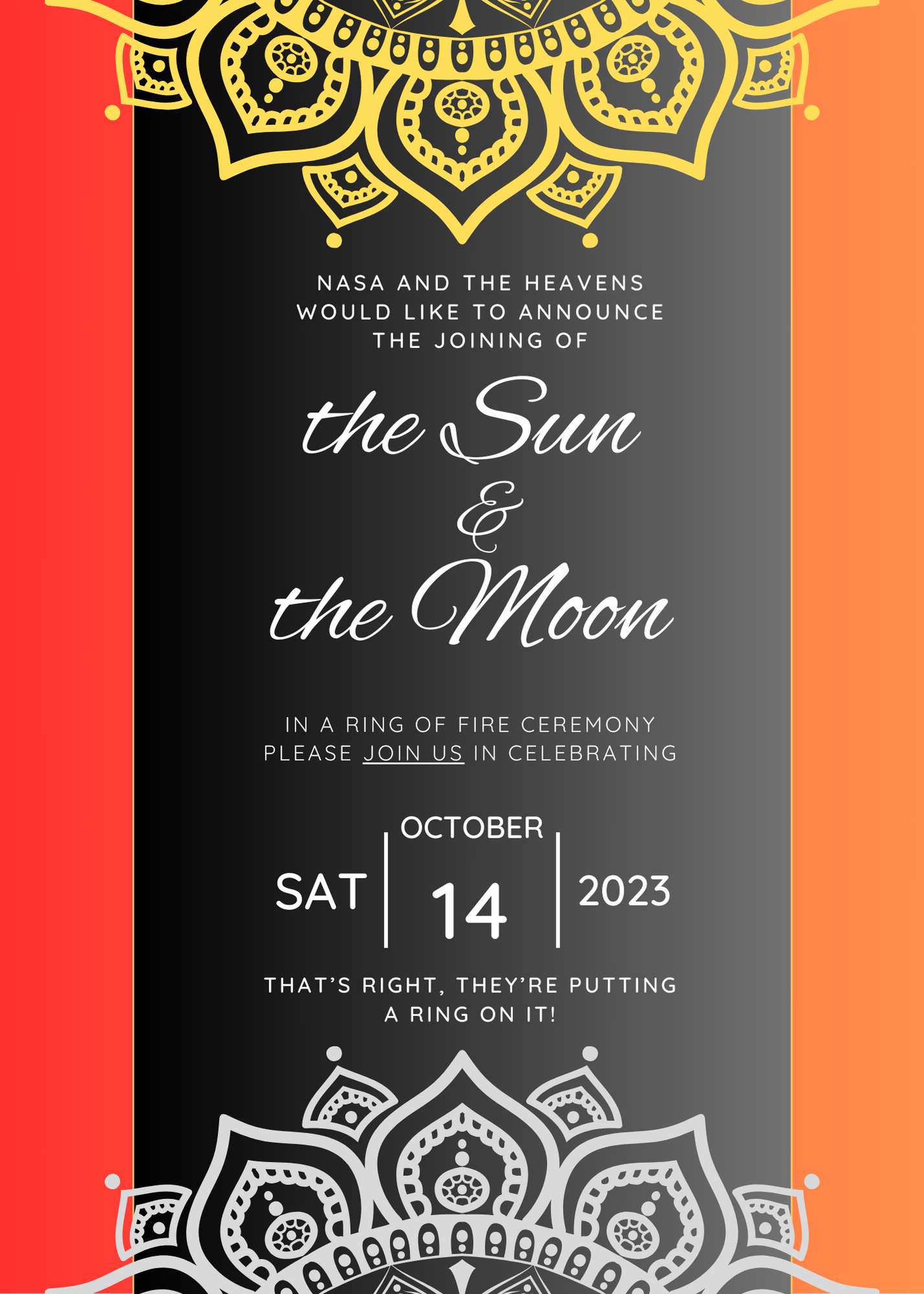
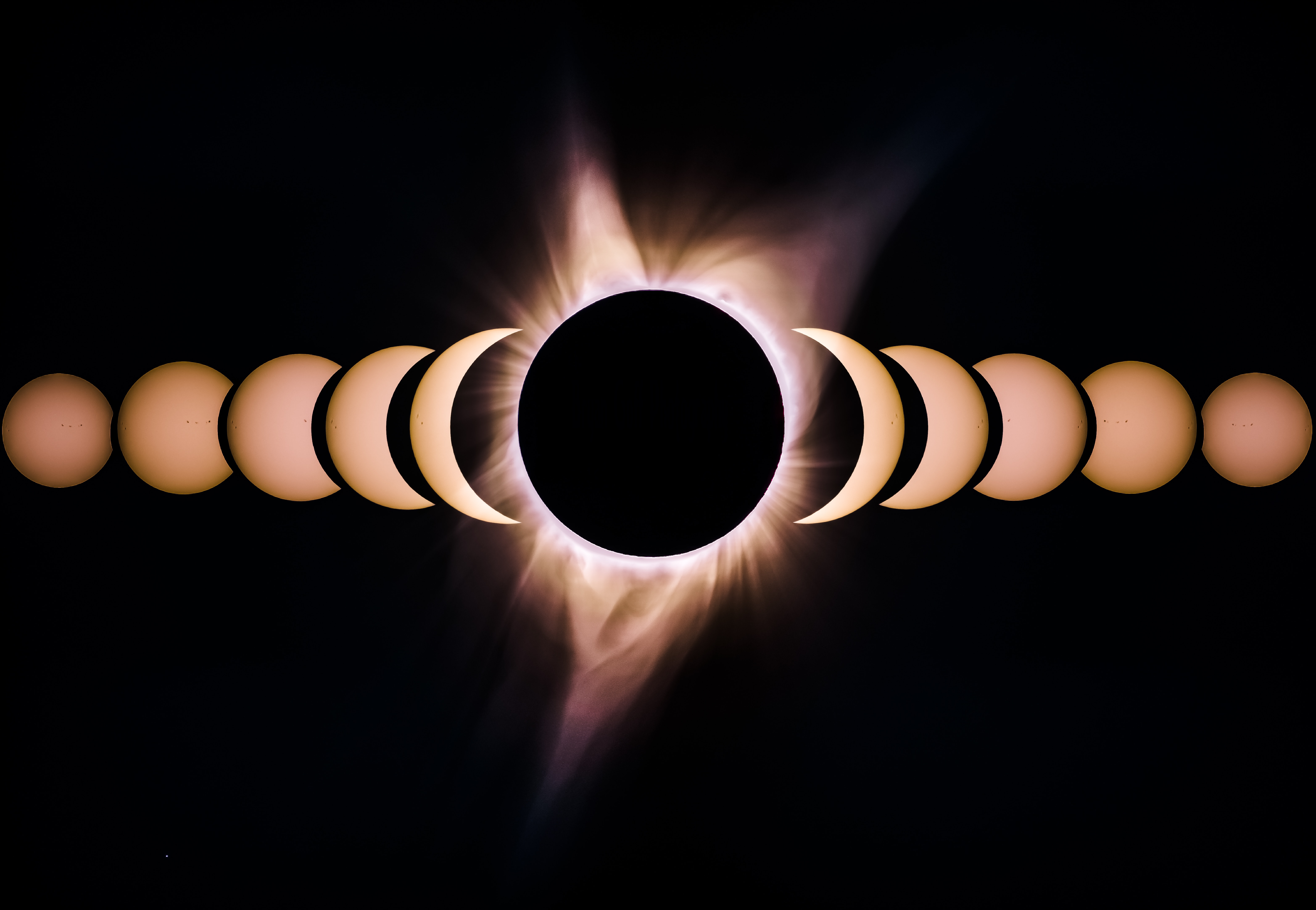
The “ring of fire” effect happens when the moon, which appears smaller in the sky because it’s further away from us, passes directly in front of the sun.
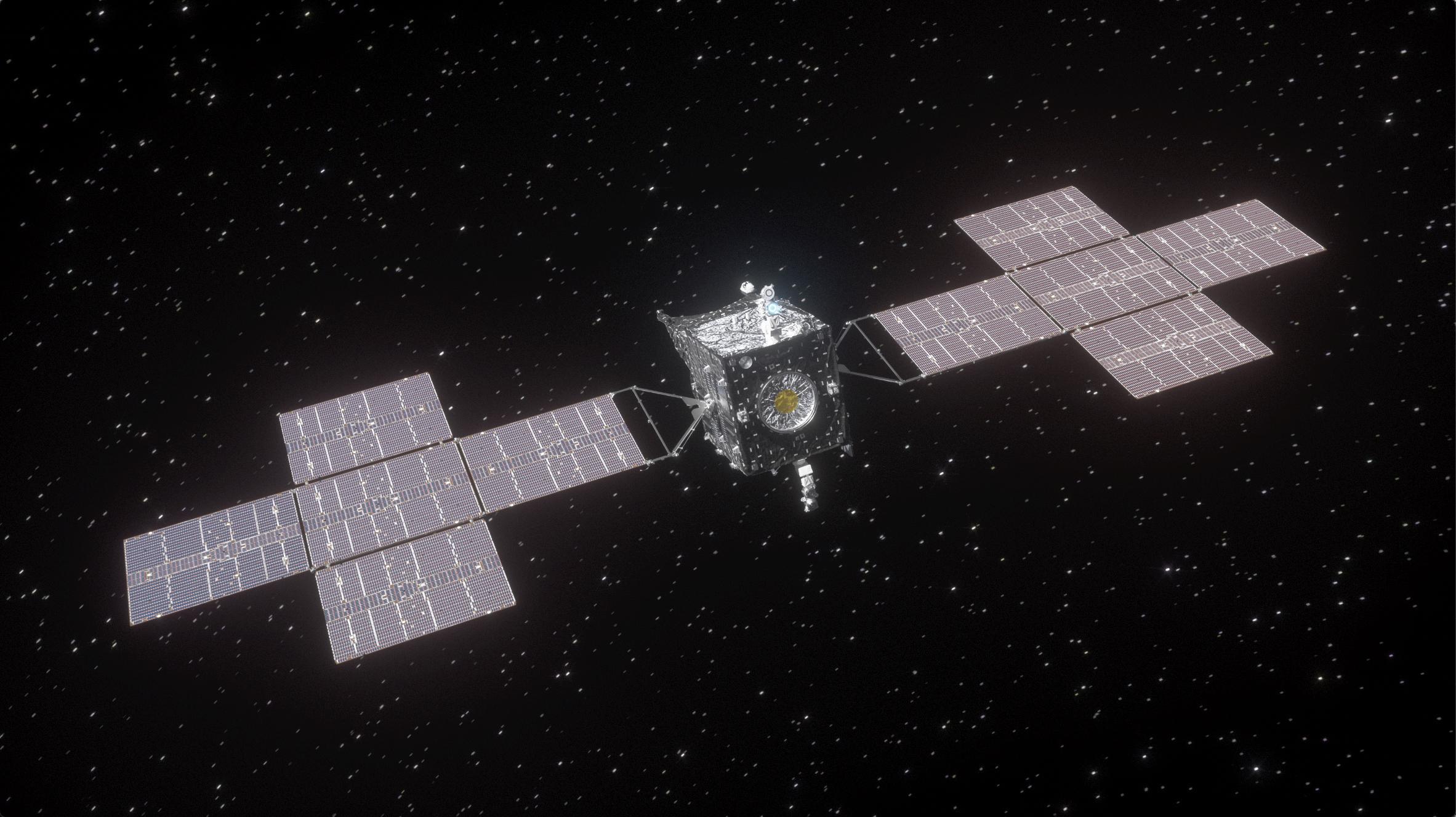
In less than an hour, NASA is set to launch Psyche, a mission to an asteroid with lots and lots of bling, arrival date in 2029.
Set to launch from NASA’s Kennedy Space Center in Florida, Psyche will travel across the solar system to an asteroid of the same name, which has unusually high metal content. Scientists hope understand why this is so, and to help answer fundamental questions about Earth’s own metal core and the formation of our solar system.
Take heart! Not all is gloom! So far, generative AI chatbots don’t seem able to reflect on what they’re saying, though that in itself wouldn’t differentiate them from some actual human beings. Also, they’re bad at verbal texture, and they have a poor grasp of metaphor and sometimes even of punctuation. Well, they’re learning from us, so why wouldn’t that be true?
You’re still worried, young author? You doubt my word? Here are a couple of recent literary attempts by AI chatbots that ought to reassure you.








You must be logged in to post a comment.