“We do not have to become heroes overnight. Just a step at a time, meeting each thing that comes up, seeing it as not as dreadful as it appears, discovering that we have the strength to stare it down.”
A former NASA engineer and now-YouTuber has created a viral sensation with a video documenting efforts to send an egg to near space to test if it cracks up on landing.
Tomorrow is December first, I’m feeling a bit wistful, and it’s raining. I’m not big on shoveling but I can’t help thinking that snow would be much more fun.
So, a haiku.
November passes. Leaves cling to branches despite Rain that should be snow.
An interactive map of the evolutionary links between all living things known to science. Discover your favourites, see which species are under threat, and be amazed by the diversity of life on earth.
How small the selection we have today, and how precious.
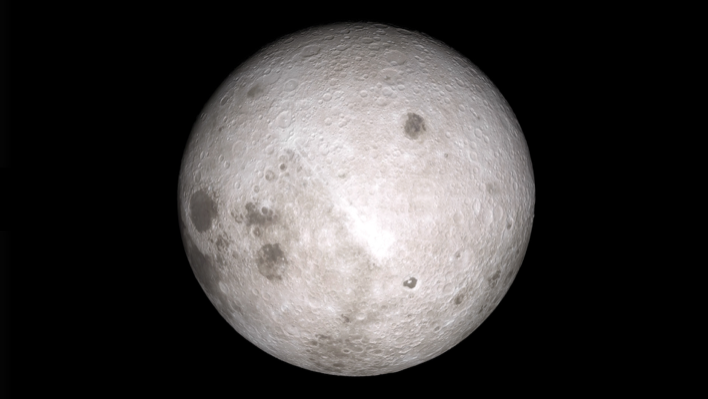
To supplement my previous post on the progress we’ve made imaging the far side of the Moon, here are a number of snapshots from the Artemis I Orion flyby.
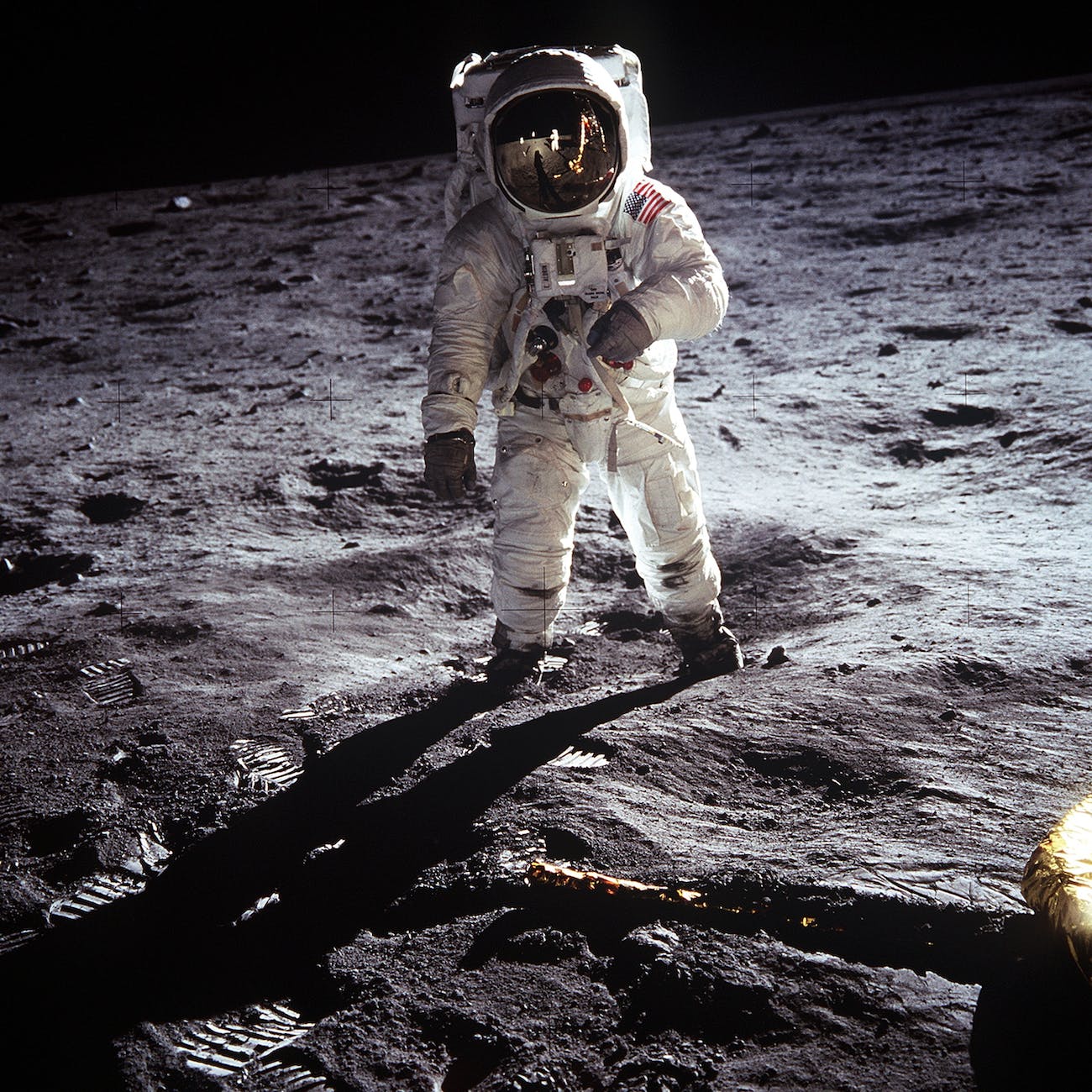
I am working on story edits today and found myself needing to look up a lunar technicality. Next thing I know, I was reading a detailed account of the first lunar spacewalk at Tranquillity Base. I thought you might enjoy it too.
July 20, 1969: The day began on the farside of the Moon. Armstrong, Aldrin and crewmate Mike Collins flew their spaceship 60 miles above the cratered wasteland. No one on Earth can see the Moon’s farside. Even today it remains a land of considerable mystery, but the astronauts had no time for sight-seeing. Collins pressed a button, activating a set of springs, and the spaceship split in two. The half named Columbia, with Collins on board, would remain in orbit. The other half, the Eagle, spiraled over the horizon toward the Sea of Tranquillity.
“You are Go for powered descent,” Houston radioed…
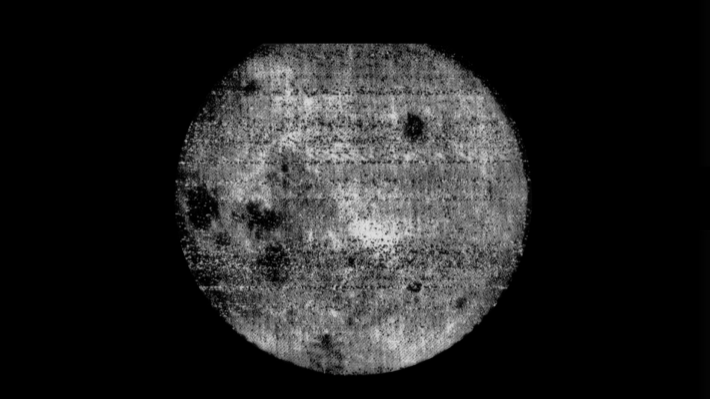
This also got me thinking about the farside of the moon. We’ve learned a lot about it since these images in 1959:
Orion entered a distant lunar orbit on at 4:52 p.m. EST Friday, Nov. 25, where the spacecraft will remain for about a week to test systems in a deep space environment about 40,000 miles above the lunar surface before beginning the journey back to Earth.









You must be logged in to post a comment.