Feeds:
Posts
Comments

Posts Tagged ‘astronomy’

If you have clear skies tonight, take a moment to look up. There will be a super blue moon overhead, and if last night’s preview is any indication, it will be glorious.

How Rare Is the ‘Super Blue Moon’ Appearing in Skies Later This Week?

This special event is the coincidence of two uncommon moon traits: A supermoon, which occurs when the moon appears larger than usual, and a blue moon, or the second full moon in a month.

More on what and how!

Blue supermoon: what is it, when it peaks and how to see it – NPR

* * *

NASA / JPL-Caltech

Read Full Post »

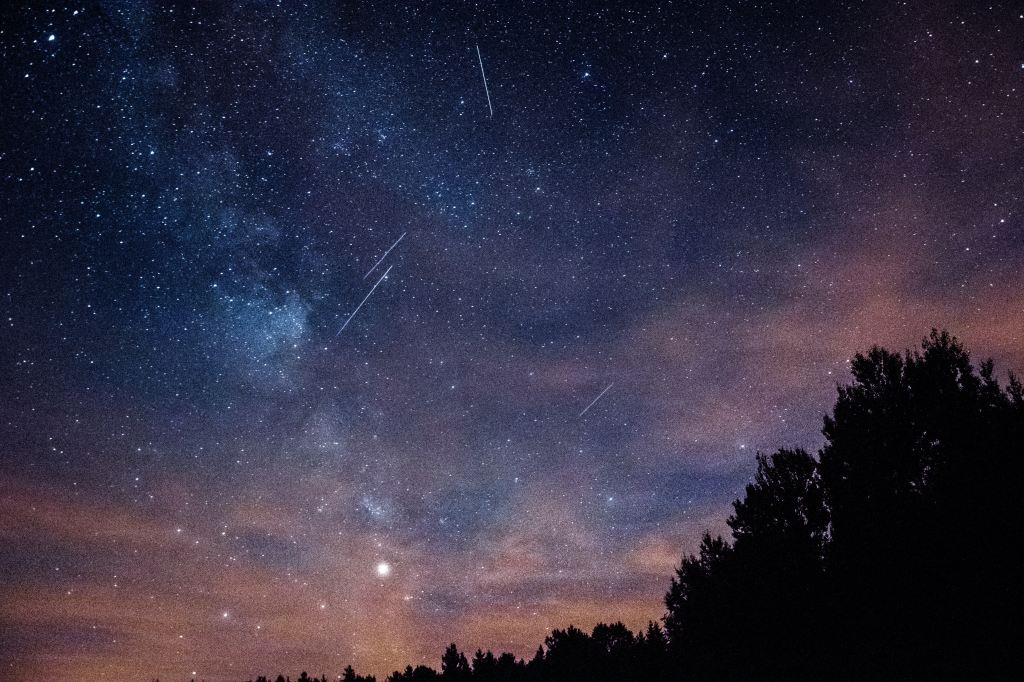
What are you doing this weekend? Maybe you have plans for an all-night rave this weekend, but if you’re free at some point between the hours of dark Saturday night and dawn Sunday morning, consider the Perseids.

That’s right, it’s that time again, for one of the best shows in the night sky, the Perseid Meteor Shower. And unlike last year, the Moon won’t be crashing the party.

Here’s a time-lapse video from 2021 to whet your appetite:

How to Watch the Highly Anticipated Perseid Meteor Shower | Smart News| Smithsonian Magazine

The Perseids are known to treat viewers to a fantastic display, and coupled with a particularly dark sky, this year’s show is shaping up to be one you won’t want to miss…

During a meteor shower such as the Perseids, Earth passes through a large cloud of debris in space. Right now, the planet is moving amid the rocks and ice left behind by the comet Swift-Tuttle, which last was seen from Earth in 1992. The 16-mile-long comet orbits the sun over a 133-year period, which means it won’t be seen again until 2125. But every August, its remains create the radiant Perseid meteor shower.

/rubs hands in anticipation

This weekend’s Perseid meteor shower is ‘worth staying up for’ | CBC News

While there’s a major meteor shower every month, there’s nothing quite like the Perseid shower for those in the northern hemisphere, with the warm summer nights and better chances of clear skies. And this year, Canada is in a particularly favourable position for the peak night of Aug. 12–13.

And what do you know? I’m in Canada!

Perhaps you’re interested in a bunch of complicated graphs and a cool “activity level” dial? The Global Meteor Network has you covered. 

Meteor shower flux

The dial shows the peak sum of activity from all currently active showers and the sporadic background in the next 24 hours.

More interesting background information:

The 2023 Perseids Meteor Shower – YouTube

Sky & Telescope gives advice on how to watch the 2023 #perseids and explains how the #Perseids are formed in this video. 

Not into staying up late? In that case, I recommend looking for new time lapse video of the weekend event on Monday morning. 

Because this weekend, the best show in the solar system will be right on our doorstep.

* * *

Photo by Michał Mancewicz on Unsplash

Read Full Post »

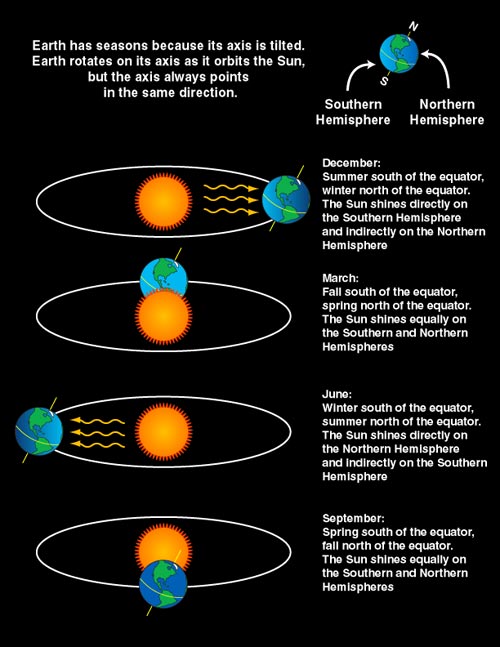
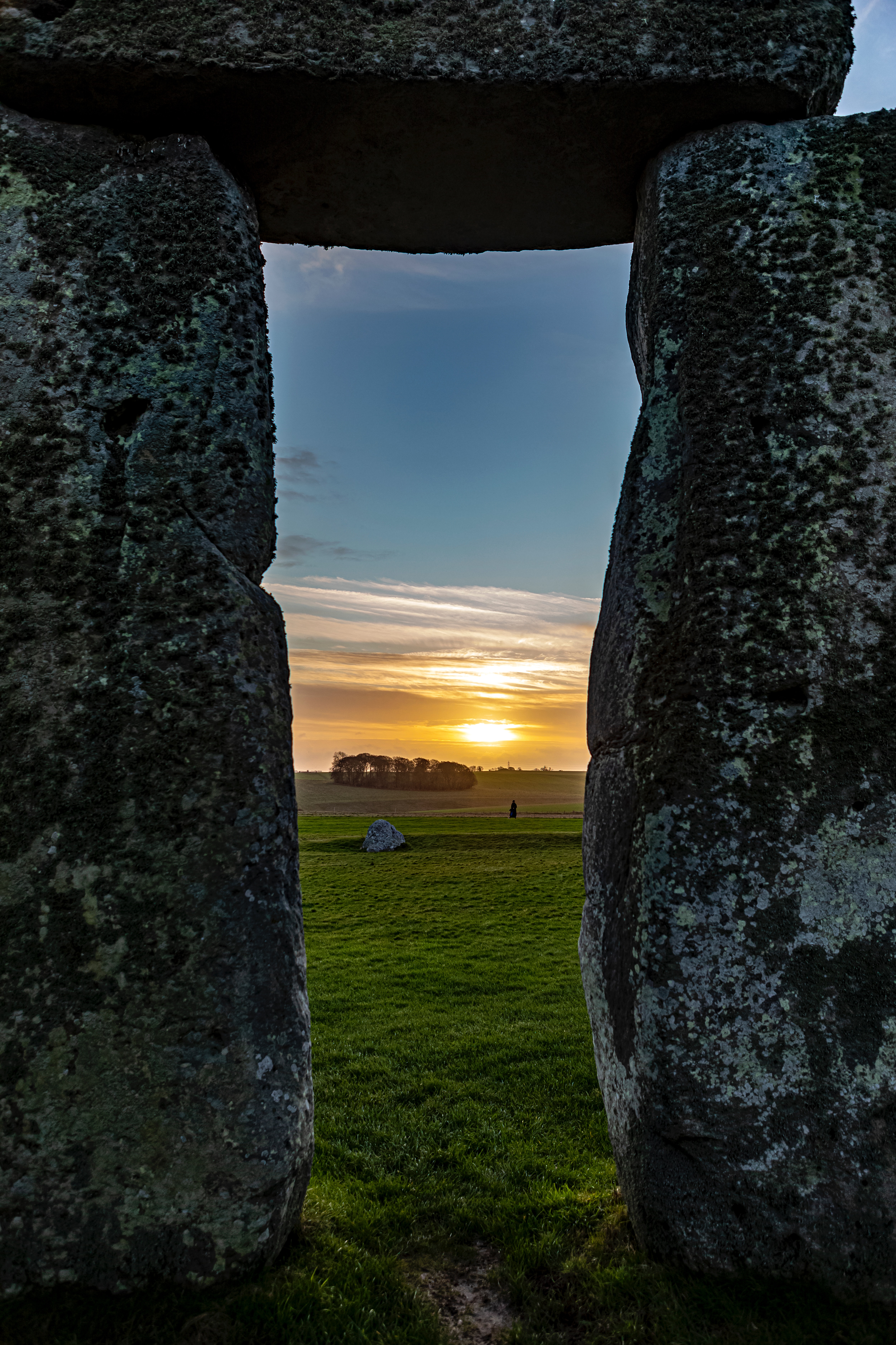
Happy summer solstice, everyone! (Fine, it’s called the June Solstice, but we all know what that means here in the Northern Hemisphere, don’t we? Summer!)

What is it?

Do You Really Know Why Earth Has A Solstice? – 13.7- Cosmos And Culture – NPR

Remarkably, Earth has seasons for the same reason that a good quarterback can throw a tight spiral. 

Even more explanations:

June Solstice 2023: Shortest & Longest Day of the Year

Why is it a thing?

Because it’s cool. And also because our ancestors knew a lot about practical astronomy. Seasons mattered.

* * *

Photo by Hulki Okan Tabak on Unsplash

Read Full Post »

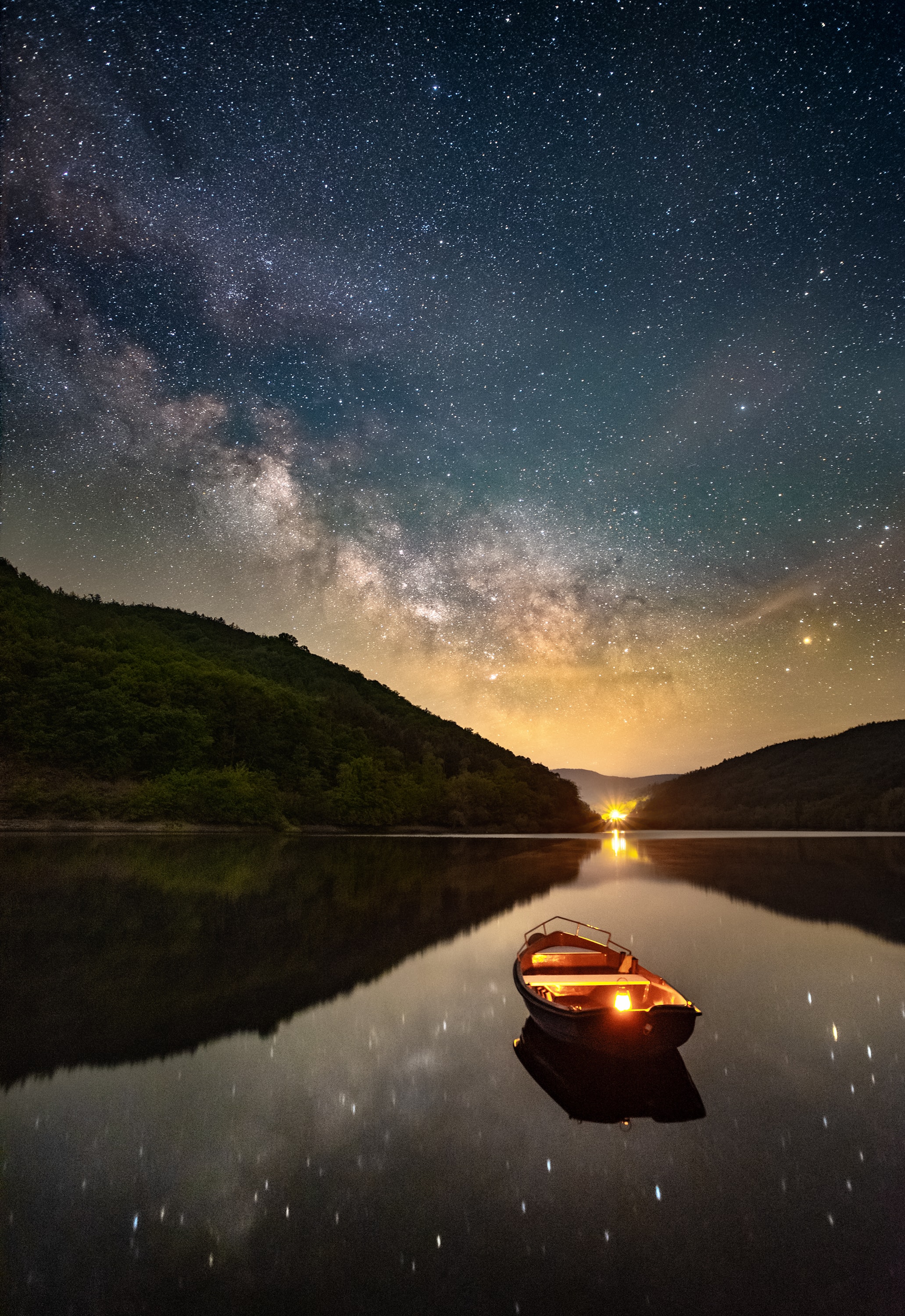
For the next couple of nights we may be able to see not one not two not three not four but (that’s right, folks) five planets in the skies above us!

When, where and how to view five planets lining up in the sky this week

…Jupiter, Mercury, Venus, Uranus, and Mars will dazzle us earthlings this week.

Unfortunately, our night skies tend to be washed out but I’m hoping to see at least part of this planetary parade. If you do too, try heading out after sunset.

Wait until the sun has set and then go out and look low in that bright part of the sky where the sun has just set with binoculars, and you should see brighter Jupiter next to fainter Mercury. 

Good luck!

* * *

Photo by Ruud Luijten on Unsplash

Read Full Post »

For those of us in the Northern Hemisphere, today is the Autumnal Equinox. I’ll miss the sun and sandals and the color green, but think of what we get in return: bright leaves, harvest time, crisp blue skies, walks in the woods, evenings with books and hot chocolate by the fire.

(And it’s not like we have a choice so we might as well make the most of it;)

Welcome to Fall!

* * *

It’s such a pretty season. Photo by Evgeni Tcherkasski on Unsplash

Read Full Post »

How are stars made? You know, those celestial bodies illuminating the sky, happily burning until they get tired of that and become star dust, the components of which we are made.

“The cosmos is also within us. We’re made of star stuff.”

— Carl Sagan

Check out this simulation of a star forge.

If this is the forge, is dark matter the anvil?

How do stars form? Most form in giant molecular clouds located in the central disk of a galaxy. The process is started, influenced, and limited by the stellar winds, jets, high energy starlight, and supernova explosions of previously existing stars. The featured video shows these complex interactions as computed by the STARFORGE simulation of a gas cloud 20,000 times the mass of our Sun.

— APOD: 2021 June 23 – STARFORGE

* * *

I’m also making today, although nothing as dramatic as stars. More like yogurt, a project that required the sewing machine, and a hack for our leaky dishwasher (yes, another appliance is on the road to obsolescence; they really don’t make them like they used to).

I’m also heading into the workshop to make things out of wood. Well, to remember how to make things. And find my tools. And my respirator. And my wood turning clothes. It’s been a while (thanks, Covid)!

My projects won’t be as dynamic or lovely as a star (or Chopin’s music, for that matter).

I’ll still try.

After all, I want to do my ancestors proud.

* * *

Read Full Post »

Today is the autumnal equinox, or the official start of Fall. I like to think of it as the Universe giving all of us here in the Northern Hemisphere a pat on the arm and a kind word to prepare us for that whole Winter thing.

What is It saying? When it comes to the grand workings of the Universe it’s always difficult to be sure, but I imagine the conversation goes something like this:

“Now now, Winter’s still a ways off and hey, you had a good Summer, right?”

(inarticulate mumblings about sunburn and too many mosquito bites)

“Well, not to worry. We know Winter is hard so We try to ease you into it with the likes of apple pie and hot cider.”

(sniffles, with a muffled acknowledgement that pie is really quite nice)

“And remember how much you liked that new recipe for spicy beef stew? Pull yourself together, dear, it will be fine.”

For those who prefer a slightly more technical explanation of the experience on which we are all about to embark, a few more details…

Solstice: occurs when the Sun is the farthest away from the celestial equator, or the imaginary line above the Earth’s equator. This happens twice a year, around June 21st (when it reaches the northernmost point) and December 21st (when it reaches the southernmost point).

Equinox: marks the time when the Sun crosses the celestial equator. Day and night are (close to) equal length. This happens twice a year, around March 20th (vernal) and September 22st (autumnal).

Would you like to know more? Check out Time & Date or Royal Museums Greenwich or EarthSky for additional information, helpful diagrams and fun facts (like Chichen Itza’s Snake of Light).

I do love pie and cider and crisp autumn days and bright red leaves. Today I’m also grateful that marking such astronomical events no longer requires human sacrifice, for the word “phenology,” and for the reminder that in spite of everything, we all see the same sky.

Read Full Post »

In honor of today’s eclipse, I’d like to spotlight this piece on Annie Jump Cannon from the funny and informative site Rejected Princesses. Their tag line?
“Women too Awesome, Awful, or Offbeat for Kids’ Movies.”

Hee hee! If you’re interested in quick, clever portraits of some of the most interesting women in history, Rejected Princesses is the site for you.

(Related aside: I’m also pretty sure that popular movies are selling our kids short.)

Why Annie Jump Cannon? Because she fell in love with the stars at a time when most women were only expected to fall in love with homemaking, and then she went and did something about it.

Born the same year President Lincoln issued the Emancipation Proclamation, she attended college at a time when few women did, and then worked at the Harvard Observatory as a “computer.” (If you’ve seen Hidden Figures, you know what “computer” meant lo those many years ago. If you haven’t seen Hidden Figures, I highly recommend you do, stat!) She excelled at Harvard, classifying stars by the hundreds of thousands and building a spectrographic star classification system still in use today.

Ms. Cannon has been called The Queen of Modern Astronomy, but also brought a useful perspective to more terrestrial concerns. And while earthly challenges must continue to occupy our thoughts and energies, one quote in particular seems appropriate for our current times:

“In these days of great trouble and unrest, it is good to have something outside our own planet, something fine and distant and comforting to troubled minds. Let people look to the stars for comfort.”

If you don’t already have eclipse plans but you’re interested in a once-in-a-century astronomical event, NASA has a great site. They’ll help you enjoy the eclipse with everything from maps, safety, activities, DIY pinhole viewers, what to do if you don’t have a viewer but still want to see the event, and more.

Like most people I’ll be outside the path of totality, but we’ll still get 65% coverage. Well worth putting together a pinhole viewer… Oh look, here’s one I just happen to have, hacked together from a shoe box, legal paper, the sticky bits of reusable adhesive you find on the back of various packages, and a phone for easy photo taking:) I’ll cut the lid off to better control the distance between pinhole and paper, then hope for clear skies!
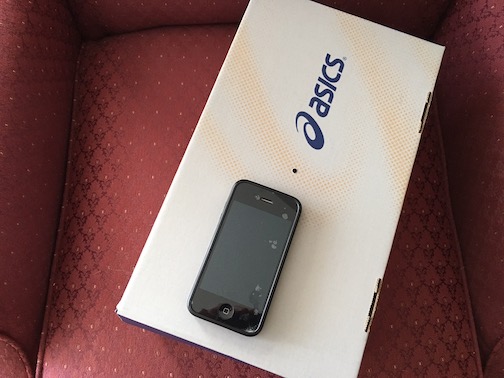
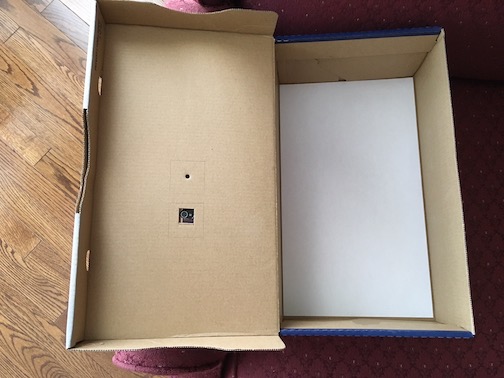
Eclipse: Who? What? Where? When? and How? is a good place to start, or check out the Eclipse Kit for all most of your eclipse party needs (beverage of choice not included:)

Have fun!

SaveSaveSaveSaveSaveSave

SaveSave

Read Full Post »
I don’t know about you but certain events pull me out of myself, away from the everyday minutia that anchor most of us to our little corners of the planet and remind me that we’re really just tiny dots on a spinning lump circling an isolated (if lively) corner of the Milky Way.

Eclipses are like that for me.

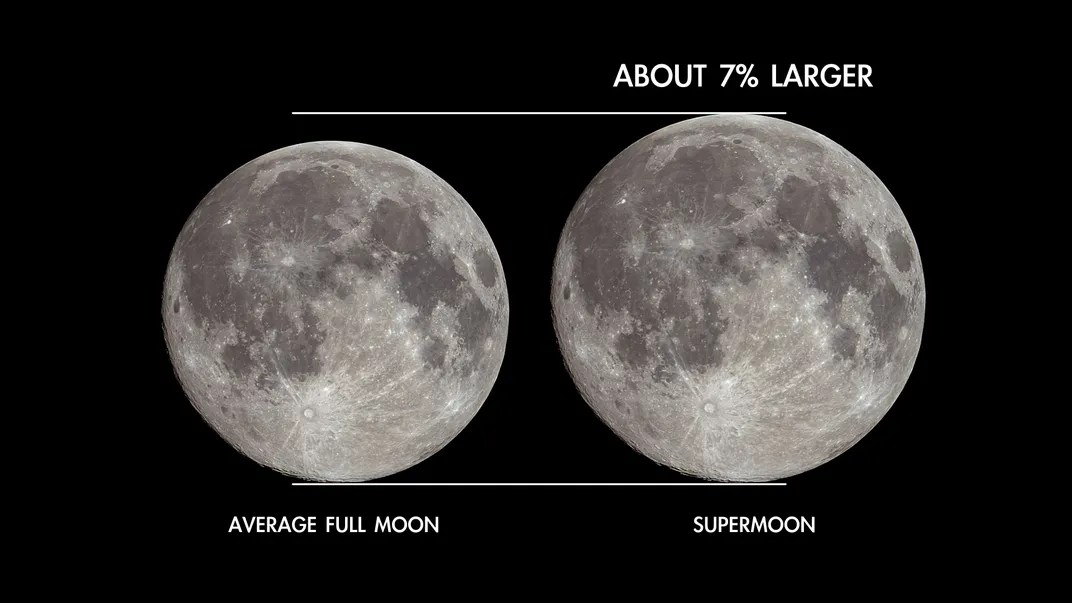
And lo, a total lunar eclipse is happening on Sunday night. Also, supermoon! That’s right, it won’t be just any eclipse, but one in which the moon’s orbit brings it about as close to the Earth as it comes, around 220,000 miles at perigee (rather than its more typical distance of 240,000 miles). And as this article in Slate describes it:

During this total lunar eclipse, the moon will appear about 14 percent larger and 30 percent brighter than Earthlings are used to seeing it… The last supermoon eclipse was in 1982, and it won’t happen again until 2033.

So, fellow Earthlings, get thee outside around 10:47pm EST Sunday evening and enjoy the dramatic sight of a harvest supermoon tinged red with Earth-shadow. Or, you know, watch it live-streamed on the Slooh Community Observatory network or see NASA TV’s coverage of the event from 8:00pm on. Your choice, just don’t forget the popcorn:)

Read Full Post »

« Newer Posts