Feeds:
Posts
Comments

Posts Tagged ‘#ChooseYourFuture’

Perhaps you remember me mentioning the submission call for this year’s Grist climate collection. Folks submitted (1200 of them!), editors did their editing thing, and now we have a brand new collection of free climate stories for 2025!

Here’s the full collection, including twelve new stories with the goal of looking “beyond the current moment to picture what could be.”

Imagine 2200 climate fiction contest: The 2025 collection – Grist

Welcome to the 2025 Imagine 2200: Climate Fiction for Future Ancestors collection. For four years, this contest has celebrated stories that invite us to imagine the future we want — futures in which climate solutions flourish and we all thrive. These stories have never pretended the path will be easy — some of the most compelling Imagine stories showcase the struggle as well as the successes — but they all offer the promise that through the transformative power of radical imagining, we can envision a better world and work toward making it our reality.

Yes, please!

* * *
Photo by Vitolda Klein on Unsplash

Read Full Post »

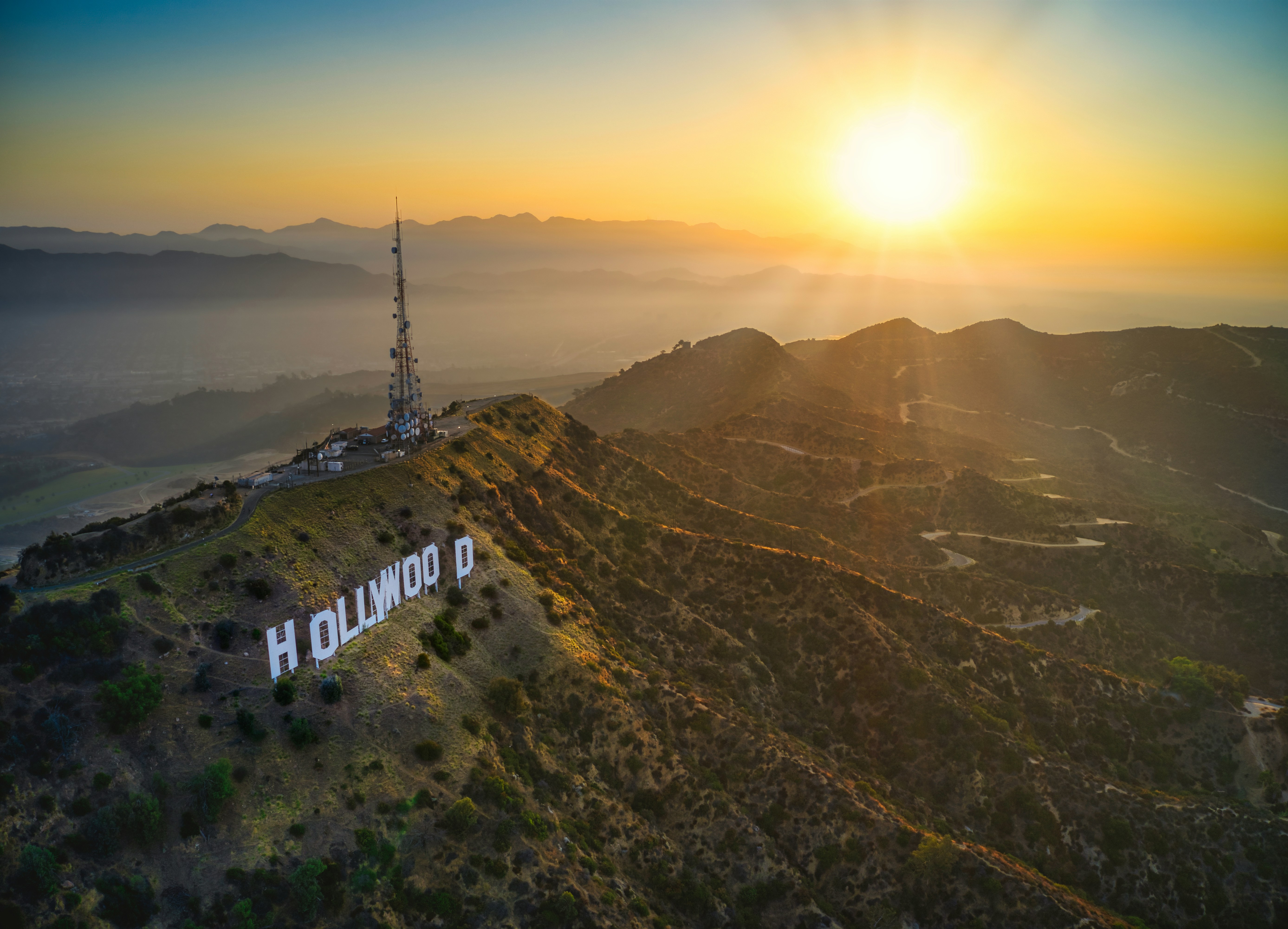
My mother sent me an article about Octavia Butler, one of a number I’ve seen recently in the wake of the LA fires. Butler was an award-winning sci-fi and fantasy author know for her all-too-realistic versions of the future. Although she died in 2006, a week of devastating fires in LA fit right in with her vision of 2025.

In fact, she was once asked how she was able to predict the problems of the future as accurately as she did, and her answer is a telling lesson for writers but also for people who want to make a difference.

“A Few Rules for Predicting the Future” by Octavia E. Butler – Seven Good Things

“I didn’t make up the problems,” I pointed out. “All I did was look around at the problems we’re neglecting now and give them about 30 years to grow into full-fledged disasters.”

Ouch.

But that’s not all Butler said. I recommend you read the essay in full. It’s not long, but it packs a punch.

“Okay,” the young man challenged. “So what’s the answer?”

“There isn’t one,” I told him.

“No answer? You mean we’re just doomed?” He smiled as though he thought this might be a joke.

“No,” I said. “I mean there’s no single answer that will solve all of our future problems. There’s no magic bullet. Instead there are thousands of answers, at least. You can be one of them if you choose to be.”

I so choose, and I hope you do, too.

* * *

Photo by Luwadlin Bosman on Unsplash

Read Full Post »

I write science fiction, but I don’t always like living in the future.

Consider the fact that a century ago, many of the innovations we find commonplace were the stuff of dreams.

I do love advances in things like clean air and water, energy, infant mortality, waterproof shoes, effective moisturizers, trash collection, the postal service, public libraries and so much more.

The sci-fi-level post-apocalyptic wildfire situation currently playing out in Southern California? That, I could do without.

I’m not a Californian but I am an American, a North American, and a human being. Extreme weather events also aren’t uncommon anymore. That, plus the fact that one of the fires surrounding Los Angeles is less than two kilometers from the hotel we stayed in for the Writers of the Future workshop helps make these events even more concrete.

I feel for the people in the fire’s path today, and for the risks we all face tomorrow.

It’s also easy to imagine bad outcomes when we see them in the news. It can be harder to remember the good already incorporated into our lives, and what could be waiting for us up ahead.

* * *

The other night, Mr Man and I realized that we’d never seen Bullitt, Steve McQueen’s 1968 classic movie. It was a well-told story but also a trip down memory lane. I spent a good part of the show saying things like “Oh right, you could smoke most everywhere back then” and “Hang on, that’s how they used to track your pulse?” or “Looks like seatbelts were optional” and “So much of this plot revolves around the fact that you had to stop to find a phone” and “Lord, that is a lot of smoke coming out the back of those giant gas guzzlers.”

The movie’s world was certainly recognizable, but in the way your grade school classroom might be, years later.

Things change, much as it doesn’t always feel like it.

Let’s try to make it change for the better.

* * *

Photo by Venti Views on Unsplash

Read Full Post »

Today I’m applauding my mother, who wants to build a pollinator garden. What a fantastic idea, and one supported by the Million Pollinator Garden Challenge, Honey Nut Cheerios (for obvious reasons), and many others.

She’s interested in planting a series of native plant species that will flower from early to late growing season and support bees and other pollinators like butterflies and hummingbirds. And it doesn’t have to be a large-scale project to make a difference.

I’ve talked about bees here before but the point deserves emphasis: we need them. Which is why this week I’m lauding the pest control company Ortho for removing neonics, the neonicotinoid-based pesticides linked to wide-scale bee deaths, from their outdoor products. Here’s hoping other companies follow suit soon with this and other bee-friendly strategies, before this Whole Foods nightmare becomes a terrible coffee, chocolate and fruit-free nightmare. Coffee, people!

https://www.instagram.com/p/BEI1JFTqNfU/

Dandelions are pretty (and if you don’t agree there are more targeted ways to get rid of them), weeding is good exercise, and seventy-five percent of US fruits, nuts and vegetables are pollinated by bees. And killing off millions of enthusiastic workers doing their jobs for free seems awfully self-defeating.

https://www.instagram.com/p/BEJDLTsQY-Q/

Why care about pollinators? Personally, I like bees, and I like food. I like to imagine a future filled with more possibilities, not less.

I also care because we’re more dependent on nature than we like to think. Because a future of limited food and little variety is a recipe for human and natural disaster (also? bland!). And because I don’t want to spend my declining years describing the rich red taste of ripe strawberries to children who have no idea what I’m talking about.

Read Full Post »