All of history in an hour? Amazingly, yes. And if you’d like to know more, I recommend A Short History of Nearly Everything by Bill Bryson.
* * *

Posted in Science!, tagged #365Ways, #365Ways2023, Earth, history, science on November 20, 2023| Leave a Comment »
All of history in an hour? Amazingly, yes. And if you’d like to know more, I recommend A Short History of Nearly Everything by Bill Bryson.
* * *
Posted in Other, tagged #365Ways, #365Ways2023, craft, creativity, history on November 6, 2023| Leave a Comment »
I came across an article about socks. Why share? Because I happen to like good socks, and I like history, and I like crafting. And these are very special socks.
1,600-Year-Old Ancient Egyptian Socks Made for Sandals
I had never heard about the technique behind these socks, which is called nålebinding or nalbinding (literally, needle binding). If I were to characterize the method, I’d say that it’s knitting without the needles, or crochet without a hook, and if Wikipedia is to be believed, nålebinding predates both. Now more closely associated with Scandinavian cultures, the oldest known examples date from the Mediterranean around 6500 BCE.
If you also wonder what it took to make a sock in ancient Egypt, check out this site for descriptions and instructional videos.
I will now go appreciate the drawer full of socks I did not have to make.
* * *

Posted in Other, tagged #365Ways, #365Ways2023, history, Thoughts on September 2, 2023| Leave a Comment »
From the folder entitled Random Things You Might Like To Know:
Exeter Cathedral’s Working Cat Uses the World’s Oldest Cat Flap
In medieval days, cathedrals would have been overrun with mice and rats without a feline prowling the premises. To keep vermin in check, the magnificent Exeter Cathedral—known formally as the Cathedral Church of Saint Peter in Exeter—has employed cats for centuries.
* * *

Posted in Holidays, tagged #365Ways, #365Ways2023, history, hope, inspiration, Thoughts on July 4, 2023| Leave a Comment »
“The happiness of America is intimately connected with the happiness of all mankind; she is destined to become the safe and venerable asylum of virtue, of honesty, of tolerance, and quality and of peaceful liberty.”
— Marquis de Lafayette
* * *

Posted in Writing, tagged #365Ways, #365Ways2023, history on April 29, 2023| Leave a Comment »
* * *
Posted in Writing, tagged #365Ways, #365Ways2023, genre fiction, history, inspiration, Thoughts, Writers, writing on April 10, 2023| Leave a Comment »
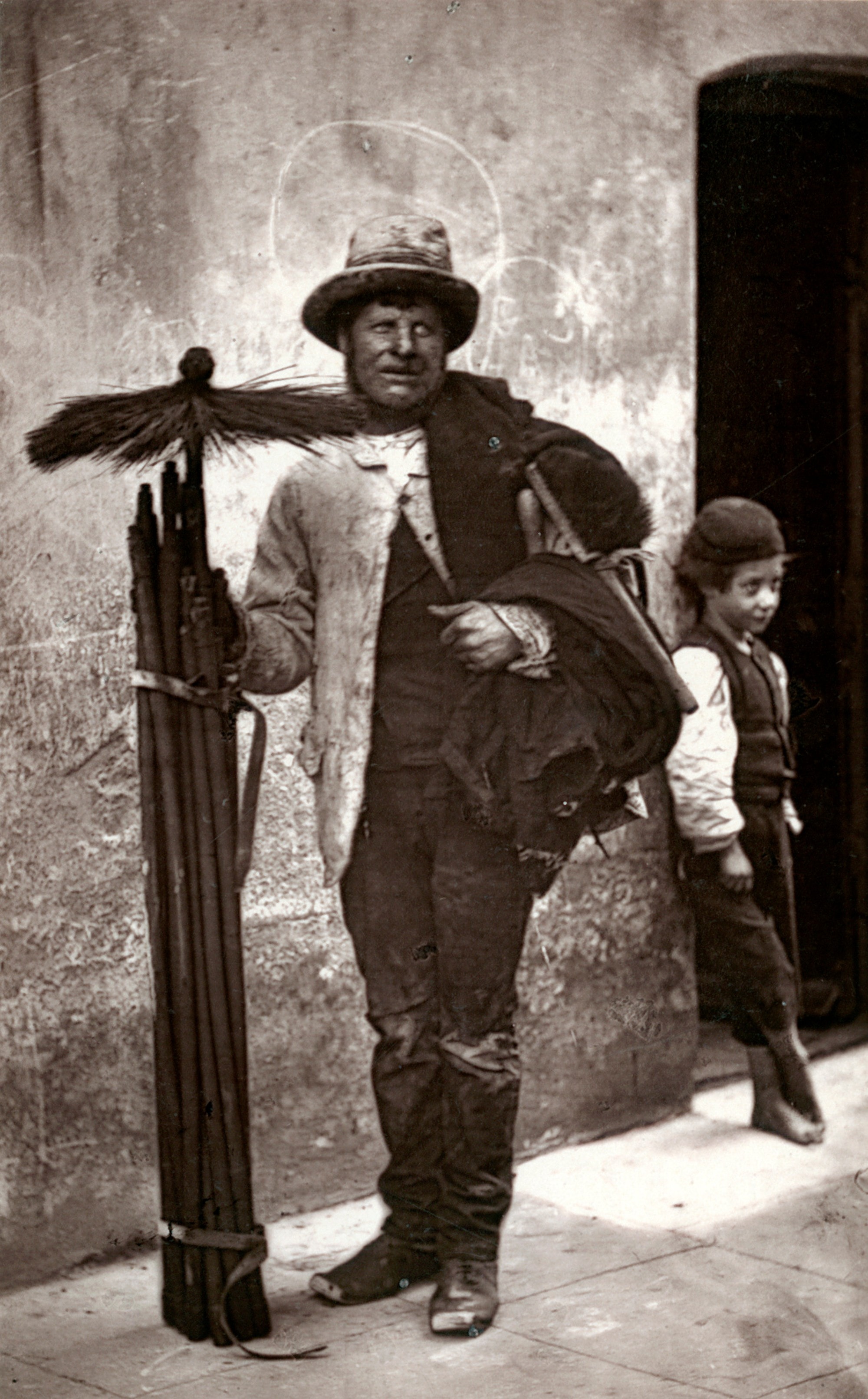
What did the futurologists of a century ago think our era would be like? And how close will today’s predictions be in a hundred years?
See predictions for 2023 from 1923 newspapers
“Watch-size radio telephones will keep everybody in communication with the ends of the earth,” they added, hitting the nail on the head.
* * *

Posted in Favorites, Holidays, Likes, Other, tagged #365Ways, #365Ways2023, history, inspiration, Thoughts on March 10, 2023| Leave a Comment »
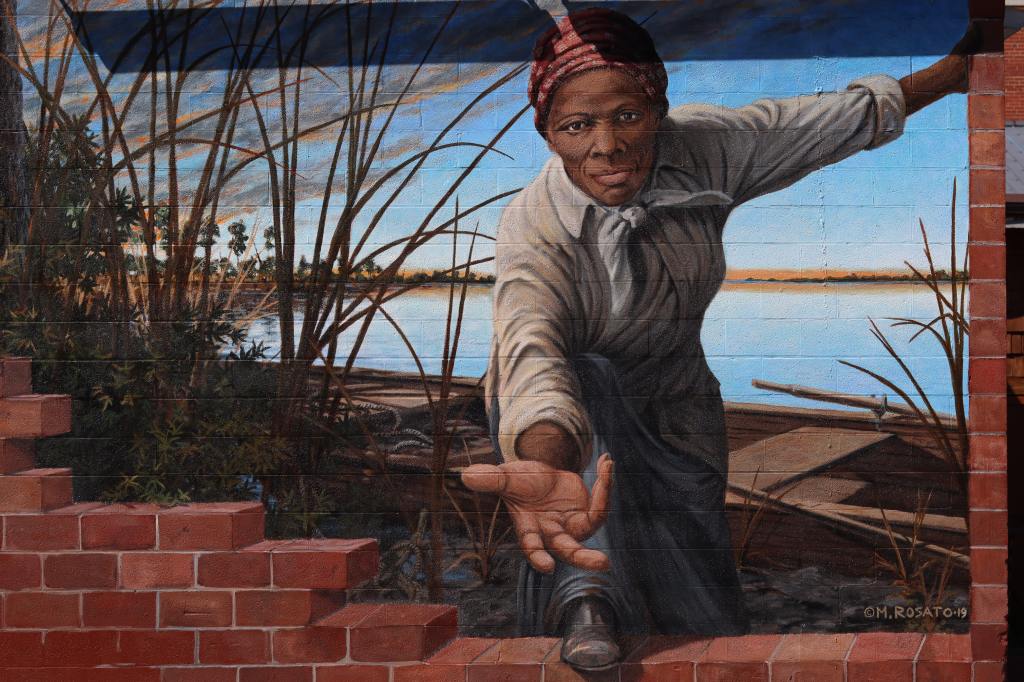
Today is Harriet Tubman Day. Who was she and why do we celebrate her?
Harriet Tubman: Facts, Underground Railroad & Legacy
Harriet Tubman was an escaped enslaved woman who became a “conductor” on the Underground Railroad, leading enslaved people to freedom before the Civil War, all while carrying a bounty on her head. But she was also a nurse, a Union spy and a women’s suffrage supporter.
When I was young we lived across the street from a mansion. A massive Victorian from the 1870s, it had a wrap-around porch and beautifully kept grounds. Flowers bloomed behind wrought iron fences and mulberries spilled over onto the sidewalk. One Halloween, the woman who owned the house took at look at my ghost and my brother’s Batman and invited us inside. (Don’t worry, this isn’t a scary story.)
We were greeted by a wide foyer, elegant wooden paneling, high ceilings and chandeliers. Our neighbor gave us a brief tour and then, perhaps looking through our costumes to the skin underneath, said, “Once upon a time, this house was part of the Underground Railroad.”
Based on the age and location of the house I don’t think that’s likely to be true,* but I didn’t know that at the time. The story helped bring to life the books I’d read about runaways, slave catchers and the transformation of a young girl with a disability into a savior of her people.
How to Experience the Lasting Legacy of Harriet Tubman
Pressing my hands against the bricks of the home Harriet Tubman built, I closed my eyes and listened to the wind rustling between the leaves of the trees surrounding this place where she lived and worked as a free woman, awaiting a message from the Underground Railroad conductor and Union spy.
She continues to be an inspiration and so to her, to my ancestors and all those who braved so much during that frequently harsh and terrible time: thank you.
“If you hear the dogs, keep going. If you see the torches in the woods, keep going. If there’s shouting after you… Don’t ever stop. Keep going. If you want a taste of freedom, keep going.”
— Harriet Tubman
* The specifics of this particular house aside, there was an active spur of the Underground Railroad running through the region. The Bellefonte Art Museum down the road hosts a permanent exhibit showcasing its operations.
* * *
Posted in Likes, Other, Writing, tagged #365Ways, #365Ways2022, democracy, future, history, inspiration, past, Thoughts, vote!, yay on November 8, 2022| Leave a Comment »
One realization I had after studying a bit of history is how little say most people have in it. Traditionally, a limited number of people have been in charge of most things, usually to the detriment of the rest. (We remember the pyramids, for example, but what about those conscripted to build them?)
There’s a reason democracies attract people.
“Democracy is the worst form of government, except for all the others.”
― Winston S. Churchill (often quoted, still true)
* * *
Today is voting day in the United States. Not sure where you need to go or what to bring with you? These sites can help.
* * *
Yes, there are a lot of forces trying to pull us apart, and there are many aspects of our economic and social lives that could be improved.
There are also many elements we agree on. Consider health, safety, education, holding doors for the elderly, giving up a seat for the pregnant, and of course, life, liberty and the pursuit of happiness.
The devil’s in the details, of course, and as anyone with even a passing acquaintance with the news or social media can tell you, we are flooded with examples of what’s broken on a daily basis. But that’s not all that’s happening, or all that is possible.*
There are a lot of ways to live and I happen to think that democracy is one of the best. (Just ask those pyramid builders.) That doesn’t mean the system can’t improve.
How can we make our voices heard? Vote.
How do we build a world that works? Together.
* For a break from doom and gloom, I recommend a visit to David Byrne’s Reasons to be Cheerful.
* * *

Posted in Other, tagged #365Ways, #365Ways2022, Egypt, history, inspiration, Thoughts, wonders of the world on October 28, 2022| Leave a Comment »
Years ago, I was fortunate enough to visit the Pyramids in Egypt. What I remember most is the sense of age, and of awe. Heat and dust, crumbling stone and the awareness that I was just the latest in a long, long line of visitors.
What I don’t clearly remember are the pyramids themselves.
That’s fine, because we live in the future. Interested in seeing the interior of the Great Pyramid of Giza? Now you can see the full (known) extent of this world wonder. (And thanks to SFCanada’s Geoff Hart for finding this link.)
Inside the Great Pyramid | Giza Project
Have fun exploring!
* * *

Posted in Food and..., Writing, tagged #365Ways, #365Ways2022, creativity, history, innovation, inspiration, Thoughts, Writers, writing on October 8, 2022| Leave a Comment »
A young family member tried her first root beer float this past week. She preferred straight ice cream, in the end, but it got me thinking about the complex history of what appears to be a fairly simple treat.
From a societal standpoint, the road to such a dessert requires an understanding of the science of crystallization as well as carbonation, plus the ability to package and distribute the ingredients while maintaining temperature and freshness.
From an entrepreneurial perspective, who came up with the idea of merging frozen dessert with thirst-quenching beverage in the first place?
A lot of folks, it seems.
Meet the people who claim to have invented (some version of) this classic dish:
The Delicious History of the Root Beer Float
As he was serving soda to his costumers, he ran out of ice to put in their drinks, so he decided to put ice cream in them to make them cold.
The Root Beer Float Was Invented In 1893 By A Gold Miner In Colorado – South Florida Reporter
The full moon that night shined on the snow-capped Cow Mountain and reminded him of a scoop of vanilla ice cream. He hurried back to his bar and scooped a spoonful of ice cream into the children’s favorite flavor of soda, Myers Avenue Red Root Beer. After trying, he liked it and served it the very next day. It was an immediate hit.
Whether these somewhat fanciful stories reflect the full truth we can’t know. What we do know is that by the end of the nineteenth century, the U.S. was awash with ice cream floats.
* * *
Why so many instances of similar inventions, all around the same time? That takes us back to the bit about this particular creation being part of a complex system of social, technical and economic factors. Simultaneous invention happens all the time, with ideas big and small.
In the Air | The New Yorker (Malcolm Gladwell)
The history of science is full of ideas that several people had at the same time.
So don’t worry that your idea for a vampire story or cake recipe or video game or mousetrap has already been done. The world needs new creations, and new versions of old inventions, all the time. Learn from what’s gone before, of course, but if a project captures your attention, pursue it.
It hasn’t been done your way. And your way may be exactly what the world needs right now.
* * *


You must be logged in to post a comment.