Feeds:
Posts
Comments

Posts Tagged ‘inspiration’

The Canadian Museum of Nature is situated in Ottawa’s Victoria Memorial Museum Building, a giant stone edifice built over a hundred years ago. Its mosaic tile floors, carved wooden bannisters and stained glass windows provide a lovely backdrop for exhibits old and new. 

Can’t go in person? Here’s a brief video tour:

We started at the top, in a temporary exhibit on insects. Some icky, yes, but the longevity, creativity and adaptability of that class of creatures is fascinating. 

Next stop wolves, then the Arctic, then Earth, Mammals, Water, Birds and finally, Dinosaurs.

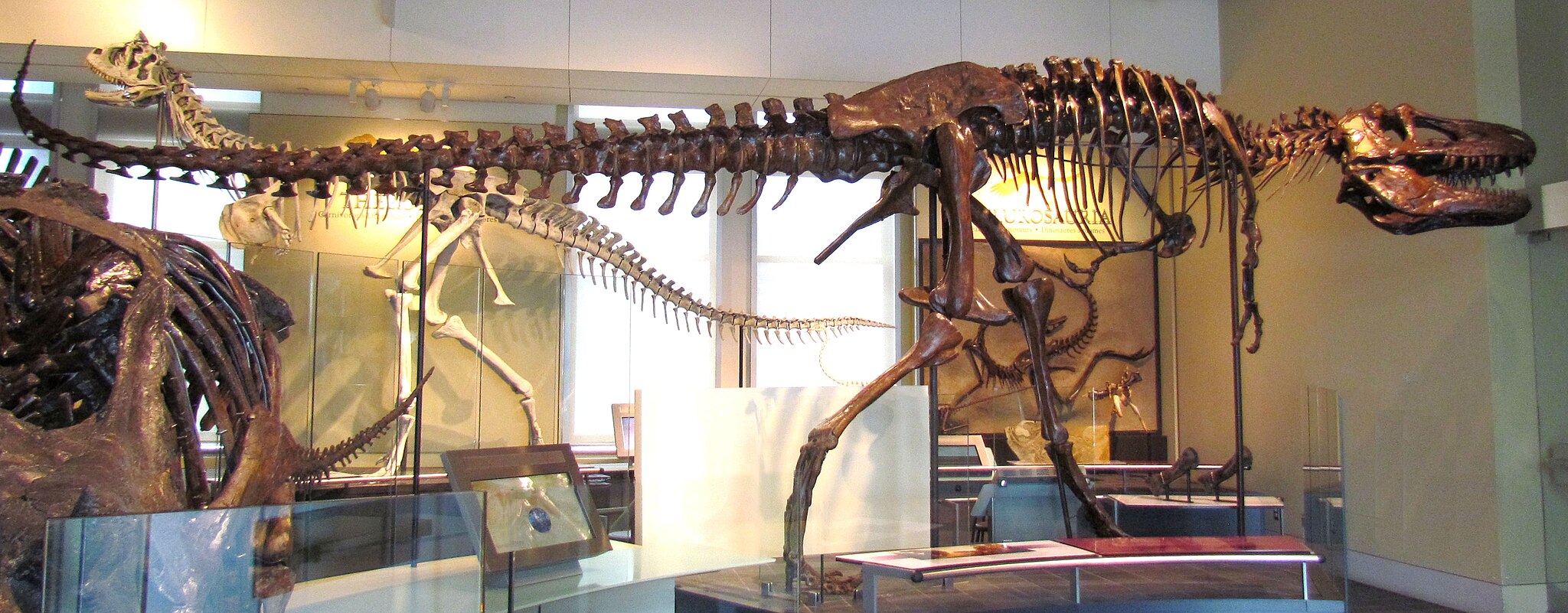
The fossils throughout were impressive. Giant whale? Check. A complete Daspletosaurus torosus (a cousin of T. rex) skeleton? Check! 

A bit of fun from a Museum palaeobiologist:

I also picked up a box of Canadian rocks to remember the beauty and complexity of the geology beneath our feet.

Example rocks include rose quartz, quartz crystal, bornite, amazonite, sodalite, pyrite, amethyst, hematite, copper, labradorite, jade, rhodonite and fluorite. Lovely.

And in the floor of the Fossil Gallery, an embedded spiral* shows the extent of geological history as we know it, complete with a tiny section at the end for the Cenozoic era, age of mammals, with an even smaller epoch at the end featuring the rise of humanity.

* I should have taken a picture of this but did not, and can’t find a picture of it online. Here’s a different version to give you an idea. 

Jarred C Lloyd, CC BY 4.0, via Wikimedia Commons

This is why I love history in general, and museums in particular. On the one hand, a long-term perspective is very good at making one feel small, but on the other hand, there is real joy in knowing that you are a part of something so very big.

The experience was both humbling and delightful.

* * *

The aforementioned spiral is at the feet of this fine fellow. D. Gordon E. Robertson, CC BY-SA 3.0 via Wikimedia Commons

Read Full Post »

“This afternoon, burn down the house. Tomorrow, pour critical water upon the simmering coals. Time enough to think and cut and rewrite tomorrow. But today-explode-fly-apart-disintegrate! The other six or seven drafts are going to be pure torture. So why not enjoy the first draft, in the hope that your joy will seek and find others in the world who, by reading your story, will catch fire, too?”

— Ray Bradbury

* * *

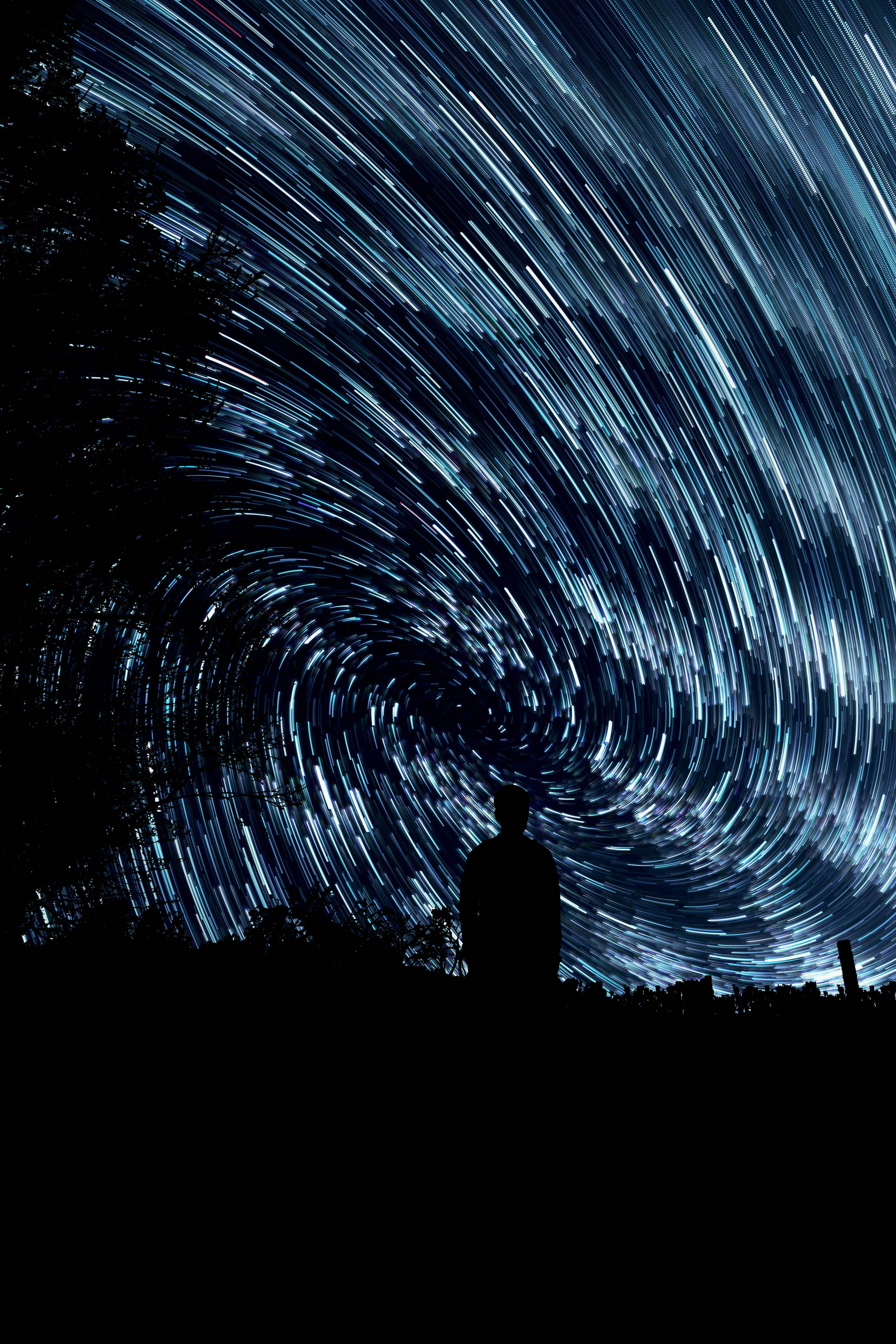
Photo by Aaron Huber on Unsplash

Read Full Post »

I’m toying with an idea and I can’t decide if it’s crazy or cool. Here’s a peek inside my head:

“Hey self, maybe we should try something a little bonkers.”

“Why not? Sounds fun. What do you have in mind?”

“What about writing a bunch of drabbles?”

“One-hundred word stories? We do that all the time, so sure.”

“What about writing a hundred drabbles?”

“A hundred? As in, One hundred? 100? Ten times ten? Roman numeral C?”

“Yep. Because numerical symmetry. One hundred hundred word stories.”

“I know you like challenging goals but that’s completely bonkers.”

“Yeah?”

“Absolutely. Also… pretty cool, actually. Hmm.”

So there you have it, my current writing target dilemma. A project like this would be a fun challenge but the real question is whether it would help my writing or distract me from larger projects. 

What do you think, is this idea too much or not enough? Crazy? Cool? Bit of both?

* * *

Photo by Jeremy Thomas on Unsplash

Read Full Post »

So, here’s the thing: I don’t really like the Middle Ages. I feel a little bad about that because if you have a History degree it seems like you are obligated to keep an open mind about even the worst centuries, but it’s true. The Middle Ages are very much middling in my book.

Is this bias a result of the (relative) lack of historical records, the goofy headgear, or the whole Black Death, Inquisition, feudal lords fighting over tiny territories, and “Bad Times All Around” vibe that so many of those centuries have?

Well, maybe.

However! While reading an interesting article on a medieval herb garden (as one does), I realized that the era was into some of the things that I am into: the many uses of plants, bookbinding, woodturning, weaving, dyeing, and a wide variety of handmade hacks designed to moderate the vicissitudes of life. (The fantasy genre also owes a lot to that time period, and to be fair the bycocket, or Robin Hood hat, was pretty cool.)

So, yeah. It’s possible that I might have a touch of the medieval in me. Which goes to show that I shouldn’t rule out whole swaths of history, or people, or things. (Except the Plague, I continue to be very much down on pandemics. For, you know, reasons.)

So while I’m never going to be a fan of petty monarchs, famine, uncertain hygiene or strict class divisions, the next time the topic of the Middle Ages comes up, I’ll do my best to keep an open mind. 

* * *

Photo by Wasim Z Alkhatib on Unsplash

Read Full Post »

“Don’t let the fear of the time it will take to accomplish something stand in the way of your doing it. The time will pass anyway; we might just as well put that passing time to the best possible use.”

— Earl Nightingale

* * *

Photo by Arturo Castaneyra on Unsplash

Read Full Post »

Where did my imagination take root? In a yellow-brick house on a quiet country road, filled with bright windows and built-in bookshelves containing a wide range of genres, including science fiction and fantasy.

I remember that house well, not least because a friend recently sent me a listing for it on a rental site. It was odd to see the rooms looking so empty, with none of the life that still populates my memories. Even so, it was good to visit the house again.

And to remember what it was like to look out at the old willow shading the little creek behind our house, and dream.

* * *

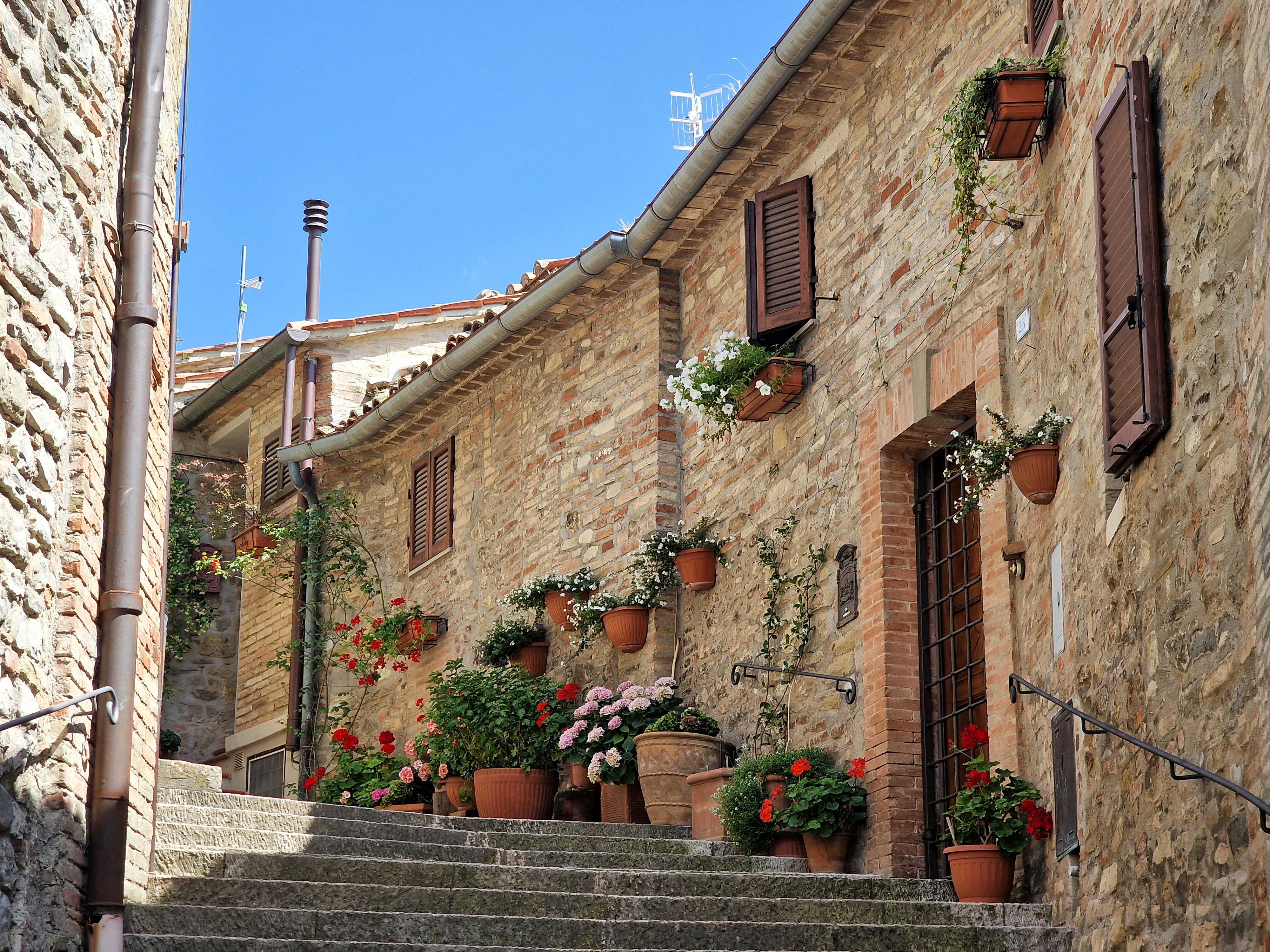
Photo by Simon Wilkes on Unsplash

Read Full Post »

If you are a writer, an illustrator or creator of any kind, this Writers of the Future winner has a message for you.

You Don’t Need to Fit In | Kal M

Hey, you. Yes, you, the one fretting in front of the computer because you’re too nervous to start on that story you promised yourself you’d work on. Come here a second; I have something to tell you.

Ready? Okay, here it is: you’ll be fine.

Maybe today is the day you need to hear this. If not, put it in your pocket and save it until you do. 

Then pick yourself up and make something. It will be beautiful.

* * *

Photo by Amy Humphries on Unsplash

Read Full Post »

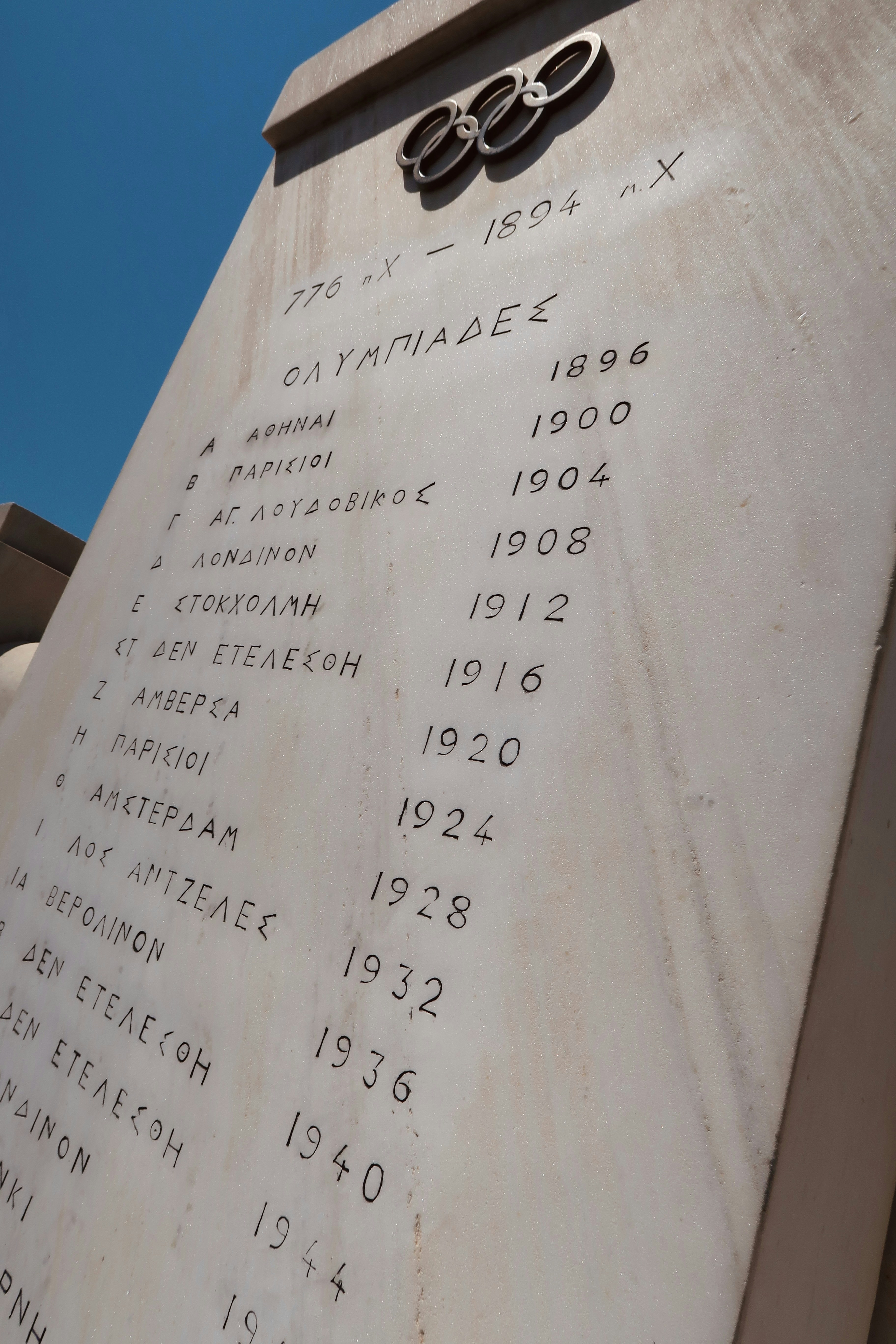
The modern Olympic Games began in 1896, but where did they come from? What were the original Olympics like? If you’re interested in the historic details that shaped our current Games, this article gets into all the naked, nitty gritty details.

The origin of the Olympic Games

For twelve centuries, the sacred Games in Olympia were a spectacle of blood, sweat, and glory. These ancient contests, held in honor of the gods, captivated spectators with displays of strength, endurance, and skill. Today, the modern Olympics carry forward this legacy, uniting athletes from all over the world.

And if you have a chance to visit the Panathenaic Stadium in Athens, I recommend!

* * *

Photo by Julio Hernández on Unsplash

Read Full Post »

It’s Monday and my day job brain is a little tired. So why not take a little time to stretch my mind in other ways, like listening to a couple of cool dudes chat about a nice light topic… like controversies in quantum mechanics;)

Neil deGrasse Tyson and Sean Carroll Discuss Controversies in Quantum Mechanics

(We’re also watching 3 Body Problem, the series based on Liu Cixin’s award-winning novel, so it’s maybe kind of like semi-related big brain study material?)

Yeah, I don’t understand most of this at a deep level but I really like that there are other humans on this planet who do.

* * *

Speaking of science, this is also an excellent opportunity to celebrate a new blog by scientist, award-winning author and friend Arthur H. Manners. He is currently working on The Sci-Fi Writer’s Guide to Reality, a series with the goal of helping SF writers understand the fundamentals of science.

I love this idea so much. One great session at last year’s Writers of the Future workshop was given by Dr. Beatrice Kondo. It was Day 6 of a long week. Many of us were half asleep, until the good doctor started talking in a serious, straightforward way about what it would take to make some of the crazy stuff in our heads work in real life. Really terrific stuff.

Writers & Illustrators of the Future Workshop Week 2023 – Day 6

Kondo talked the writers through the science of several common writing scenarios. Why can a submarine only travel at certain speeds underwater? What would happen to someone’s body if they tried to lift a car? How do exoskeletons work?

Then she touched on tissue engineering, stem cells, 3D bio-printing, breathing underwater, genetic engineering, and whether human wings or human photosynthesis would actually work.

Chatting after the session, a lot of the writers expressed a desire for a collection of introductory information on various scientific topics. Not a thick textbook for students of the field, but the sort of material one might need to both ground a story and to better imagine the possibilities of those topics.

I am so happy to see that Arthur has taken up this challenge. 

New Release: Writing About Remote Sensing in Sci-Fi – Arthur H. Manners

I’ve just finished the first 6-part primer in my new blog called the Sci-fi Writer’s Guide to Reality. The blog aims to help science fiction writers with the fundamentals of science. The first primer focuses on remote sensing (the act of trying to determine what’s going on over there, i.e., at a distance, through means other than physical contact). This topic is rich and essential to many aspects of science fiction, from spaceship sensors to astronomical observations.

Yes, please!

Here’s the first installment of his six-part primer on remote sensing: 

Sci-fi Primers- Remote Sensing – Part 1

Ensign: “Captain, the long-range scanners indicate that the aliens’ blood-type is O-negative.”

Captain: “My God… Universal donors. What else is on the scanners?”

Ensign: “That the aliens think Star Wars Episodes Seven through Nine were the best.”

Captain: “Monsters! Arm the photon torpedoes!”

So if you’re wondering how remote sensing works, what is handwavium (official writer terminology alert!), and what crosses the boundaries between science and magic, check out this guide: 

Sci-fi Primers- Remote Sensing – Part 1

Sci-fi Primers- Remote Sensing – Part 2

Sci-fi Primers- Remote Sensing – Part 3

Sci-fi Primers- Remote Sensing – Part 4

Sci-fi Primers- Remote Sensing – Part 5

Sci-fi Primers- Remote Sensing – Part 6

Go, science!

* * *

Real magic. Photo by Ahmed Nishaath on Unsplash

Read Full Post »

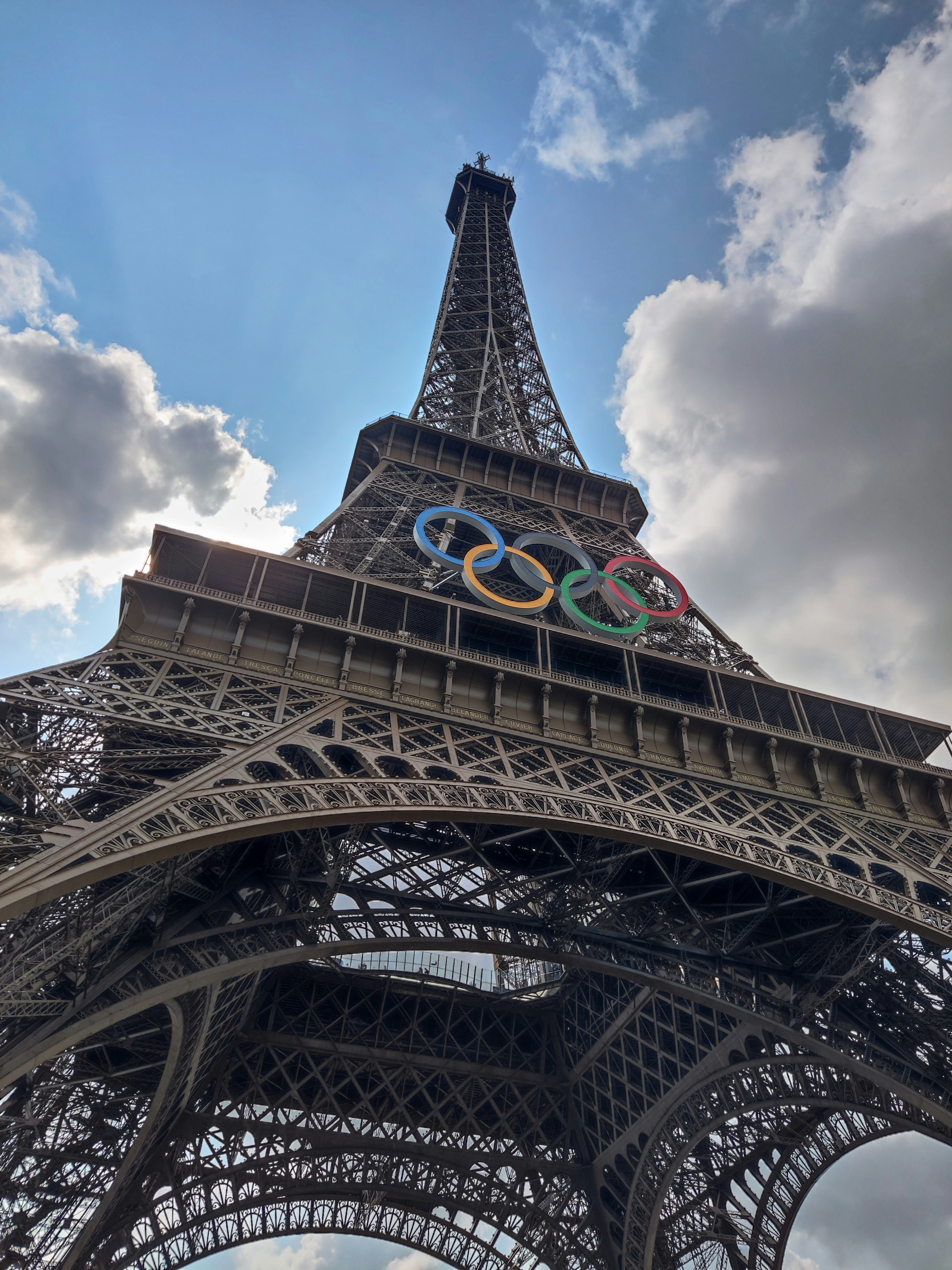
Like so many of you, we’re watching the Olympics. The athleticism and spirit on display are inspirational, and it’s hard to imagine what the pressure must be like for the Olympians. There have been thrilling highs and painful lows. 

One of the lows was Damien Warner withdrawing from the decathlon after missing all three tries at the pole vault. Heartbreaking. He’s so good but just didn’t have it on the field for that particular round.

Now, I know very little about the decathlon. (It’s really hard! Jim Thorpe amazed the world with his win in 1912! Warner won gold last time out! Aaaand, that’s about it.) In trying to make sense of Warner’s strategy, I can only guess that he started with as high a pole vaulting target as he did because he wanted to save his strength for other challenging events. (Maybe that’s not the case, but go with me here.)

What lessons would I take from this loss? That even the best can have bad days. That it’s usually a good idea to give it your all, every time. And that it pays to focus on the task in front of you. 

All week, we’ve been seeing Olympic ads featuring Warner, showing his son how to compete with flair. An important lesson, to be sure, but this experience will allow him to show him, and all of us, something equally important: how to gracefully cope with loss and come back stronger.

* In a mostly unrelated but still fun note, I am (counts on fingers) three degrees of separation away from an Olympian who is in Paris right now! 

* * *

Photo by Amada MA on Unsplash

Read Full Post »

« Newer Posts - Older Posts »