Yesterday’s drabble was fiction, but this article is not. There really are Martians, and they’re living among us!
NASA engineer Nagin Cox on Mars rover time

Posted in Science!, Writing, tagged #365Ways, #365Ways2022, comics, inspiration, Mars, MarsPeserverance, nonfiction, science on July 22, 2022| 1 Comment »
Yesterday’s drabble was fiction, but this article is not. There really are Martians, and they’re living among us!
NASA engineer Nagin Cox on Mars rover time
Posted in Writing, tagged #365Ways, #365Ways2022, science, space, Thoughts on July 18, 2022| Leave a Comment »
It can be hard to measure progress. Incremental gains are often overpowered by a flood of negative, and hard to ignore, counter-programming. But every so often we take a step Up, and if we’re lucky, we can look back and see how far we’ve come.
The Webb telescope is one such step. Images from Hubble are impressive, but while the older platform has done a great job, it’s been at it for twenty years.
What does it mean for Hubble to now have a sibling out there in space? How much does Webb expand our ability to see into the cosmos?
This much: Webb Compare.
It’s wonderful to see how far we’ve come.
* * *

Posted in Science!, tagged #365Ways, #365Ways2022, meteor shower, science, space, Thoughts on May 30, 2022| Leave a Comment »
If you’re in North America, you may be treated to a dramatic meteor shower tonight.
Or, you know, maybe not.
Meteor storm of 1,000 shooting stars per hour possible this week | Space
The Tau Herculids meteor shower may light up the skies over North America on May 30 and 31. Or it may not. There’s a chance we might pass through the thickest part of the comet fragment that is creating the debris, in which case the night skies will be filled with shooting stars.
You can watch the possible tau Herculid meteor shower live online, courtesy of the Virtual Telescope Project. The project’s astrophysicist Gianluca Masi will provide live all-sky cameras from Arizona and Brazil starting at 12 a.m. EDT (0400 GMT) on Tuesday, May 31.
I kind of love that despite all of humanity’s scientific advances, such events can remain a delightful surprise.
* * *

Posted in Science!, Writing, tagged #365Ways, #365Ways2022, inspiration, MarsPeserverance, moon, NASA, science, Thoughts on March 10, 2022| Leave a Comment »
Need to take a quick break, maybe get off the planet for a bit? Now’s a great time to visit the Moon!
Send your name to the Moon with NASA’s Artemis mission!
Add your name here to have it included on a flash drive that will fly aboard Artemis I.
You could even do a little public service and cleanup litter once you’re up there, because Space Junk Just Crashed Into the Far Side of the Moon at 5,800 MPH.
While we’re talking space, you can also check out the current Location Map for Perseverance Rover.
Because sometimes it’s nice to be reminded of the good that humans can do, too.
* * *

Posted in Writing, tagged #365Ways, #365Ways2022, JPL, Mars, MarsPeserverance, NASA, science, Thoughts on February 23, 2022| Leave a Comment »
Posted in Science!, tagged #365Ways, #365Ways2021, inspiration, NASA, science, Thoughts on December 28, 2021| Leave a Comment »
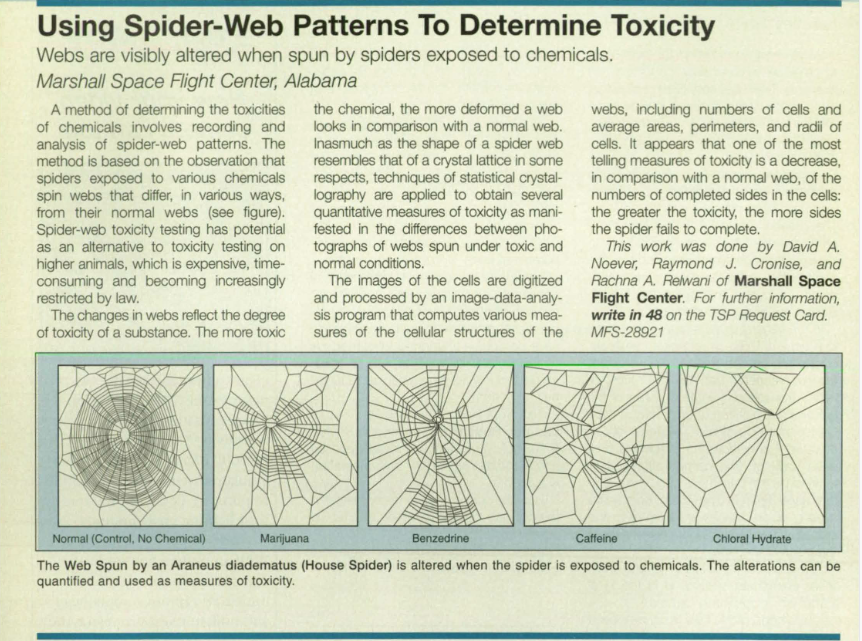
I accumulate a lot of random facts. Here’s one I found interesting: Spiders can’t spidey so well when they’re on drugs.
Just say no, spiders, just say no!*
* Unless you have a constant source of delicious insects supplied by your organization’s graduate students and no pressing engagements, in which case, you do you, spideys.
* * *
Posted in Science!, tagged #365Ways, #365Ways2021, good news, science, Thoughts, Tom Hanks on December 21, 2021| Leave a Comment »
Today is the winter solstice, marking the Northern Hemisphere’s shortest day.
Why solstice? It’s science so there must be a Latin connection, right? Right.
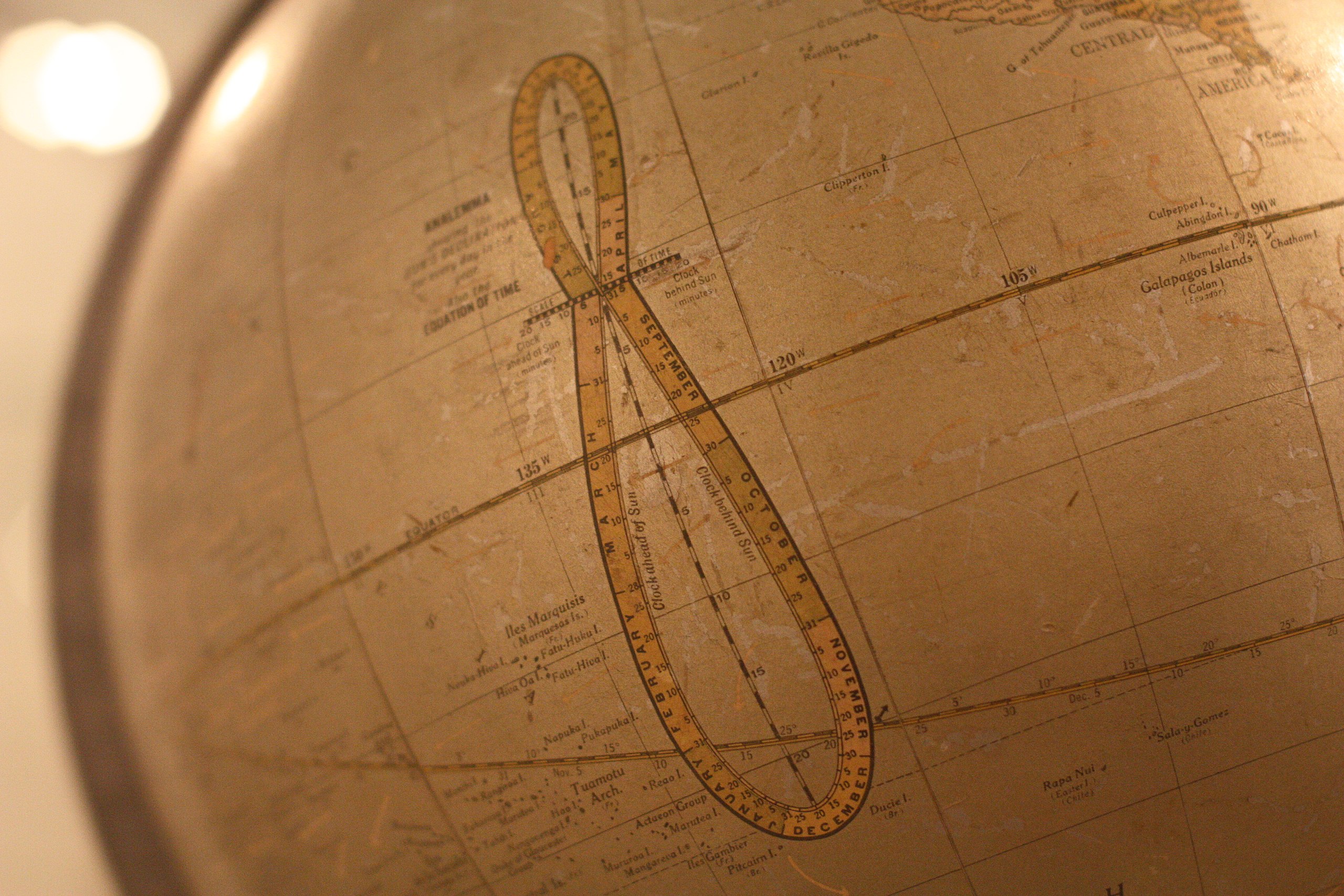
During the course of a year, the subsolar point—the spot on the Earth’s surface directly beneath the Sun—slowly moves along a north-south axis. Having reached its northernmost point at the June solstice, it starts moving southward until it crosses the equator on the day of the September equinox. At the December solstice, which marks the southernmost point of its journey, it stops again to start its journey back toward the north.
This is how the solstices got their name: the term comes from the Latin words sol and sistere, meaning “Sun” and “to stand still”.
— December Solstice 2021: Longest & Shortest Day
The good news is that it’s all uphill from here.
* * *
Posted in Science!, tagged #365Ways, #365Ways2021, fun, science, tech hates me today, Thoughts on December 19, 2021| Leave a Comment »
Some days I feel like I am getting nothing done. Despite the fact that I have been working on a number of projects and fighting bad tech mojo on multiple fronts,* today is one of those days.
Am I am getting nowhere? Maybe, but I’m also doing it very, very fast. Thanks to the magic of plate tectonics (ok, that part’s pretty slow) and orbital mechanics, so are you.
If you’ve ever wanted to know how fast you are moving (even when you aren’t going anywhere), check out this fun site:
* * *

* Really, keyboard, backup drive, laptop, and printer, you’d have me believe that this wasn’t all planned?
Posted in Science!, tagged #365Ways, #365Ways2021, fun facts, science, Thoughts, trivia on December 13, 2021| Leave a Comment »
The other day I found myself wondering, “Why does Venus spin in a different direction than most other planets?”
Short answer: Something Big Happened. We don’t know what but There Are Theories.
Longer answer, in case you need all the exciting details for trivia night:
Why does Venus spin the ‘wrong’ way round? – 2 Sisters In STEM
Venus – NASA Solar System Exploration
Bonus fact: The average surface temperature of Venus is 864°, perfect for baking pizza.
* * *

Posted in Science!, tagged #365Ways, #365Ways2021, geology, Pangea, perspective, plate tectonics, science on February 8, 2021| Leave a Comment »
Some days, time just seems to fly by. Those are usually days with new and interesting experiences, where every moment fires off new synapses. Other days not so much, particularly on days that call for the predictable.
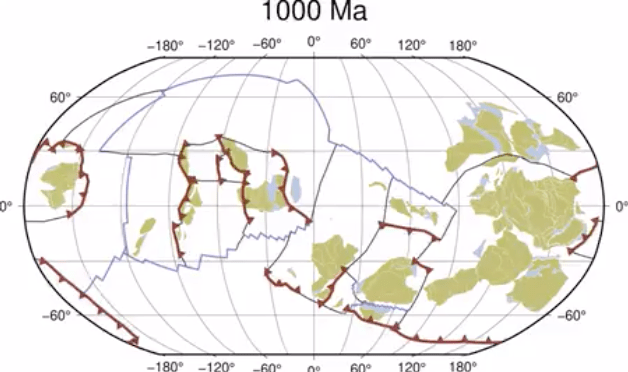
If you, like me, are feeling the drag of Pandemic Mondays, you might find a little comfort in this new model of Earth’s tectonic activity over the last billion years. Because there’s time that feels like it’s crawling by, and then there’s sloooooow time.
“It’s mesmerising: like ill-fitting jigsaw pieces, bits of continents slam together and morph into supercontinents, break apart, and then crash back together in new formations – with each second of the video leaping forward 25 million years.”
— Tectonic timelapse – Cosmos Magazine
See the linked scientific paper for details, caveats, additional maps etc., or just sit back and watch the world morph like Play-Doh.
* * *
While you’re at it, have fun locating modern day sites across millions of years, and by milestones like first flowers (120 million years ago!).
Ancient Earth (interactive; kind of like Jurassic Park, but with fewer teeth)




You must be logged in to post a comment.