“I don’t believe you have to be better than everybody else. I believe you have to be better than you ever thought you could be.”
— Ken Venturi
* * *

Posted in Writing, tagged #365Ways, #365Ways2024, creativity, Motivation, Thoughts, Writers, writing on May 16, 2024| Leave a Comment »
“I don’t believe you have to be better than everybody else. I believe you have to be better than you ever thought you could be.”
— Ken Venturi
* * *
Posted in Writing, tagged #365Ways, #365Ways2024, creativity, quoteandaprettypicture, Thoughts, Writers, writing on May 11, 2024| Leave a Comment »
The point is, if you want to be happy, let go of your wants. If you want to be effective, harness them.
— Hank Green
* * *

Posted in Writing, tagged #365Ways, #365Ways2024, reading, Thoughts on May 10, 2024| Leave a Comment »
I reread a lot of books. (For example, I’m currently rereading Thursday Murder Club series. The trick is to wait just long enough to forget, but not so long that you don’t remember;)
Sometimes I also like to reread my blog posts. Not for my own perspective, that usually hasn’t changed, but for the interesting things I’ve shared but may have forgotten.
It’s also why I like the Random Post option. I never know what might pop up!
* * *

Posted in Other, Writing, tagged #365Ways, #365Ways2024, art, kindness, Thoughts on May 9, 2024| Leave a Comment »
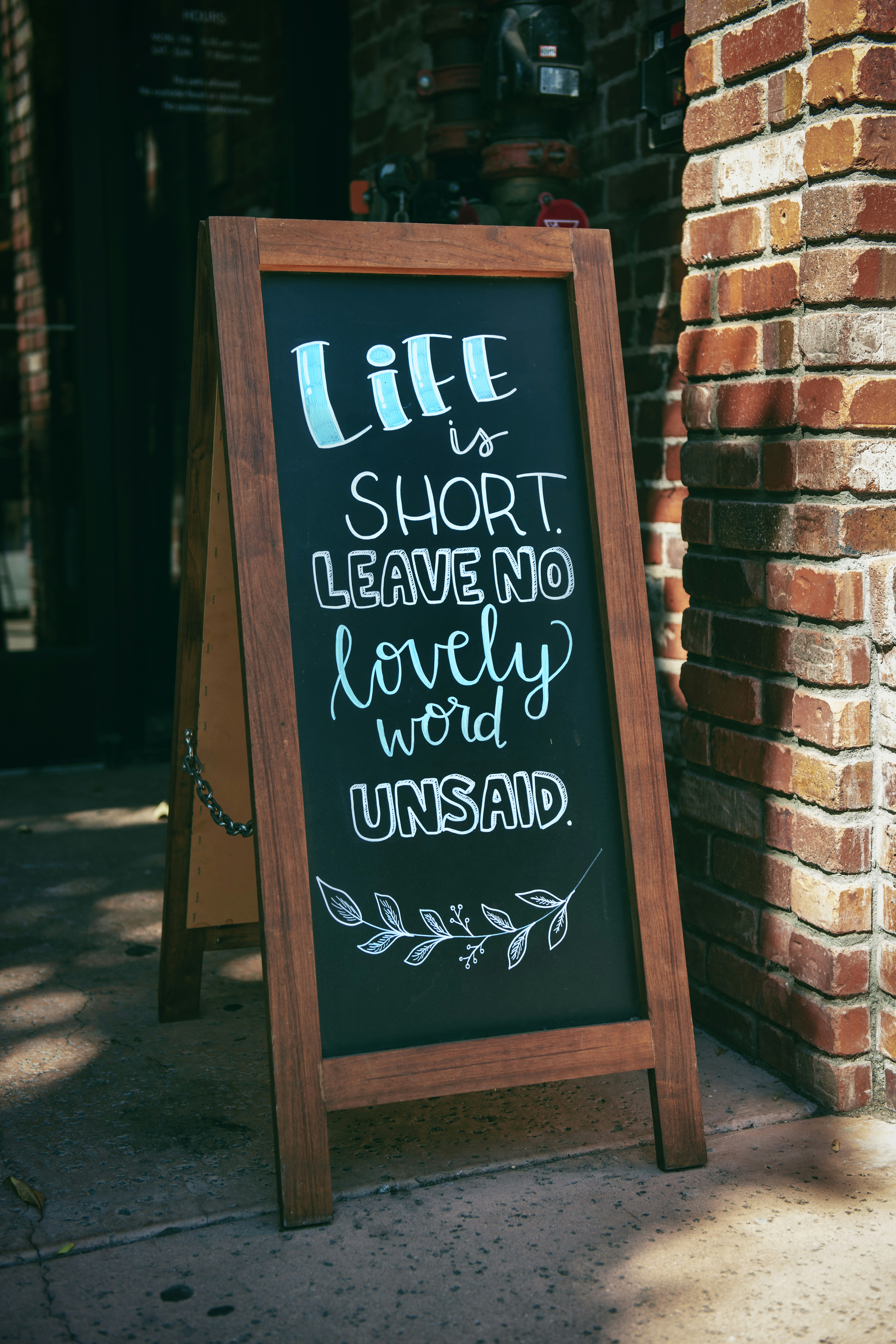
“One ought, every day at least, to hear a little song, read a good poem, see a fine picture, and, if it were possible, to speak a few reasonable words.”
― Johann Wolfgang von Goethe
* * *
Posted in Writing, tagged #365Ways, #365Ways2024, genre fiction, Thoughts, Writers on May 8, 2024| Leave a Comment »
Field report on current story progress, the eighth day of May, 2024:
I have drafted three drabbles recently but sadly, have nothing yet to share.
I plan to finish at least some of these projects soon, but no guarantees. One of the (many) ideas I started for last year’s Writers of the Future 24-hour story has been requesting my attention. And it’s hard to ignore a telepathic dirigible!
* * *

Posted in Writing, tagged #365Ways, #365Ways2024, #becauseMonday, creativity, Thoughts on May 6, 2024| Leave a Comment »
It’s the beginning of the week and I’m cranking away at the day job while fielding texts from my father about the TV show Fallout (it’s based on a game, for those who don’t know). What do those two things have to do with each other? Not much, I’d say, except that I just ran across this article.
‘Fallout but in Excel’ Lets You Visit the Wasteland While Your Boss Thinks You’re Working
If you thought that Excel spreadsheets were just for mind-numbing office work, think again. A gaming hobbyist has created an Excel-based RPG game that he based on the popular post-apocalyptic game Fallout.
There are so many ways to be creative. Find yours where you can, and have fun.
* * *

Posted in Writing, tagged #365Ways, #365Ways2024, creativity, inspiration, Thoughts, Writers on May 5, 2024| Leave a Comment »
“The Guide says there is an art to flying”, said Ford, “or rather a knack. The knack lies in learning how to throw yourself at the ground and miss.”
― Douglas Adams
* * *
Posted in Writing, tagged #365Ways, #365Ways2024, creativity, Thoughts on May 3, 2024| Leave a Comment »
“It’s like everyone tells a story about themselves inside their own head. Always. All the time. That story makes you what you are. We build ourselves out of that story.”
― Patrick Rothfuss
* * *

Posted in Writing, tagged #365Ways, #365Ways2024, creativity, Fiction, inspiration, writer, Writers, writing on May 2, 2024| Leave a Comment »
You may remember that I’ve talked about NaNoWriMo, where intrepid writers challenge themselves to write a 50,000-word novel in a month. Professional writers often do much more than this (Dean Wesley Smith is a poster author for it), but I wouldn’t say it’s common. At all.
Now that AI is a thing, however, it’s easy to put many words in a line very fast. Not good words, mind you, but words.
I just ran across a reference to an author who has decided to embark on a writing challenge, pitting herself against AI.
Alberta author Alison McBain decided to do an “Author Vs AI” challenge. The goal? A well-written book a week for a total of two million words in 365 days. Dang.
She started a week or so ago and is posting daily word counts as she goes.
Here she is ramping up for the starting line: Three Days before Launch… Tips & Tricks to Writing Quickly
Here’s she is, taking off: TODAY Starts 2 MILLION+ Words in 365 days!
Of course, we aren’t really comparing apples to apples here. We’re comparing one person’s ability to convert their history, emotions and expertise into a coherent recipe for another person to experience, versus a predictive extrapolation of the collective yet selective distillation of humanity known as the internet, produced through many (many) hours of training and often poorly-paid drudgery.
(Trying to resist the obvious joke about it not being so different from writing after all, but also obviously failing. Even so.)
Writers write because they have something to say. They’re unable to shut up. They have a point of view. They put themselves through an emotional wringer to get it across, and sometimes lightning strikes and their work resonates with other people. — Ilona Andrews
I love that this writer has given herself a fun challenge, and frankly, she had me at “well-written.”
Color me impressed.
* * *

Posted in Other, Writing, tagged #365Ways, #365Ways2024, creativity, inspiration, medieval times, Thoughts on May 1, 2024| Leave a Comment »
Artistic masterpieces and upper class architecture can tell us a lot about what a society put on a pedestal at any particular time, but those items tend not to touch the lived experience of the 99% (that’s you and me).
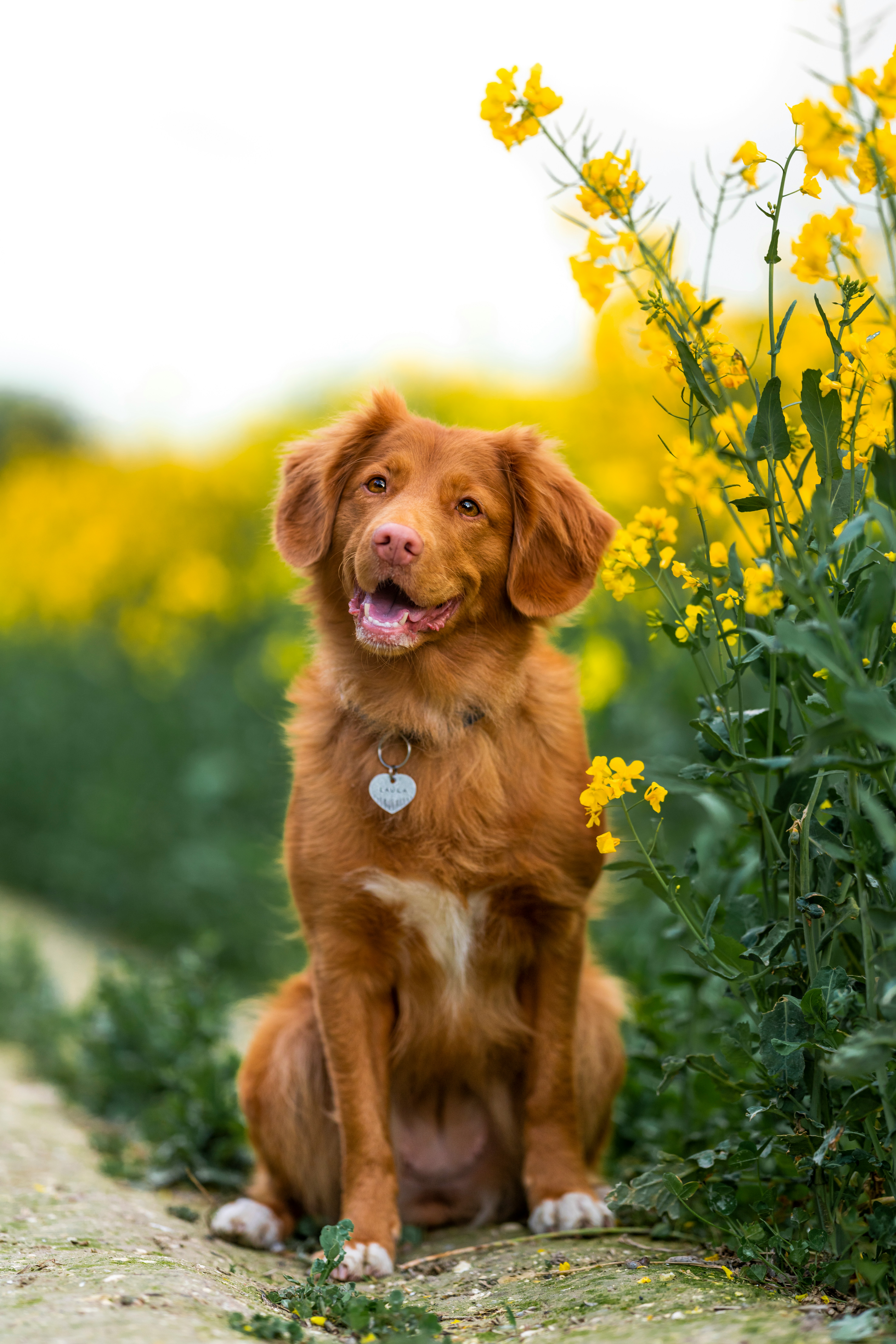
Another way of peering into the past is to learn about the everyday, from what people ate and drank to (checks notes) what they named their dogs.
In the 15th century, Edward, Duke of York wrote a list of 1,065 names suitable for a dog.
Find the perfect name for your medieval mutt.
— for more background, check out 100 Weird and Wonderful Medieval Dog Names
If you click through the main link above, you’ll find yourself on an oddly addictive site that does nothing but generate dog names from the Duke of York’s original list.
No Snuggles or Cutiepie for them, but lots of creative medieval spellings like Misavisid, Fyndewell, Sergeaunt, Dere-ybowgt, Argument, Romwlus and of course, Boye.
* * *


You must be logged in to post a comment.