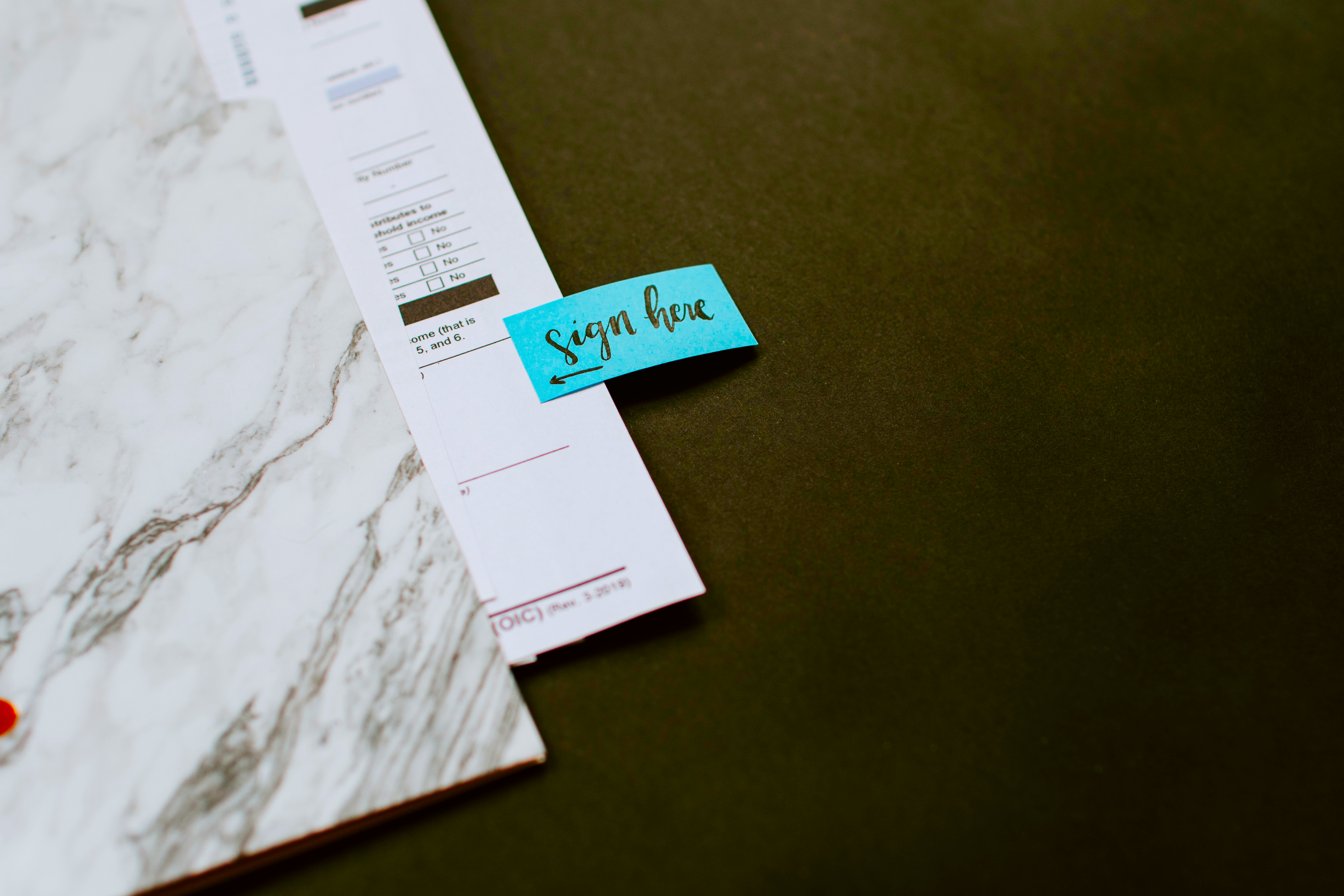
Today in authorial fun: I signed a short story contract with Parsec Ink. It’s for a story I love and I’m very happy to have found it a home. The acceptance came through a few months ago but the contract was officially signed today. The anthology is scheduled for publication later this year.
Some days you just need a feel-good story. Let’s hear it for Canada and Denmark, whose “war” over a tiny Arctic island consisted largely of good-natured snark and the swapping of favorite beverages. (As a bonus, Canada will now share a border with the EU. How cool is that?)
A territorial dispute between Denmark and Canada over a barren and uninhabited rock in the Arctic that has led to decades of friendly friction has come to an end, with the two countries agreeing on Tuesday to divide the tiny island between them.
…
“It sends a clear signal that it is possible to resolve border disputes … in a pragmatic and peaceful way, where the all parties become winners,” said Danish Foreign Minister Jeppe Kofod. He said it was “an important signal now that there is much war and unrest in the world.”
The war in Ukraine is very different, obviously, but generally speaking?
We didn’t go far today but we did have an adventure. A walk on a beautiful sunny day turned into a hike through a wooded ravine that could have been miles away from human settlements. Slick, steep trails, flocks of mosquitoes that chased us a kilometer or more, and the kind of quiet that is hard to come by in a city. All within a few minutes of the house.
It was hot and sticky and itchy and downright delightful.
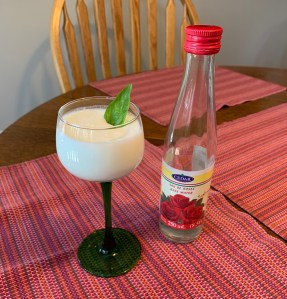
I celebrated with a new version of a drink I remember from childhood, the lime freeze. Lime juice, ice cubes, simple syrup, cream, and a touch of rose water, garnished with basil from the back garden.
The title on this post is not quite fair; the actual article I’m sharing with you today is perhaps better categorized as how to think about the future. Still, as a reader and writer of speculative fiction I like the concept.
Will this approach help you to predict the next Stanley Cup winner? Maybe not, but it does seem helpful for building plausible alternate, slipstream and near-future worlds.
Last year, some colleagues and I invited people from around the world to compete in a tournament to predict the future. Over the course of seven months, more than 2,000 participants registered over 20,000 predictions… here are their key principles and practices…
We are working on an alternative lawn that contains clover, so it was not a huge surprise to see a happy rabbit bouncing its way through the yard. What was a surprise was discovering the teeniest tiniest cutest little bunny in the back yard, munching on dandelions.



You must be logged in to post a comment.