Feeds:
Posts
Comments

Posts Tagged ‘#365Ways2022’

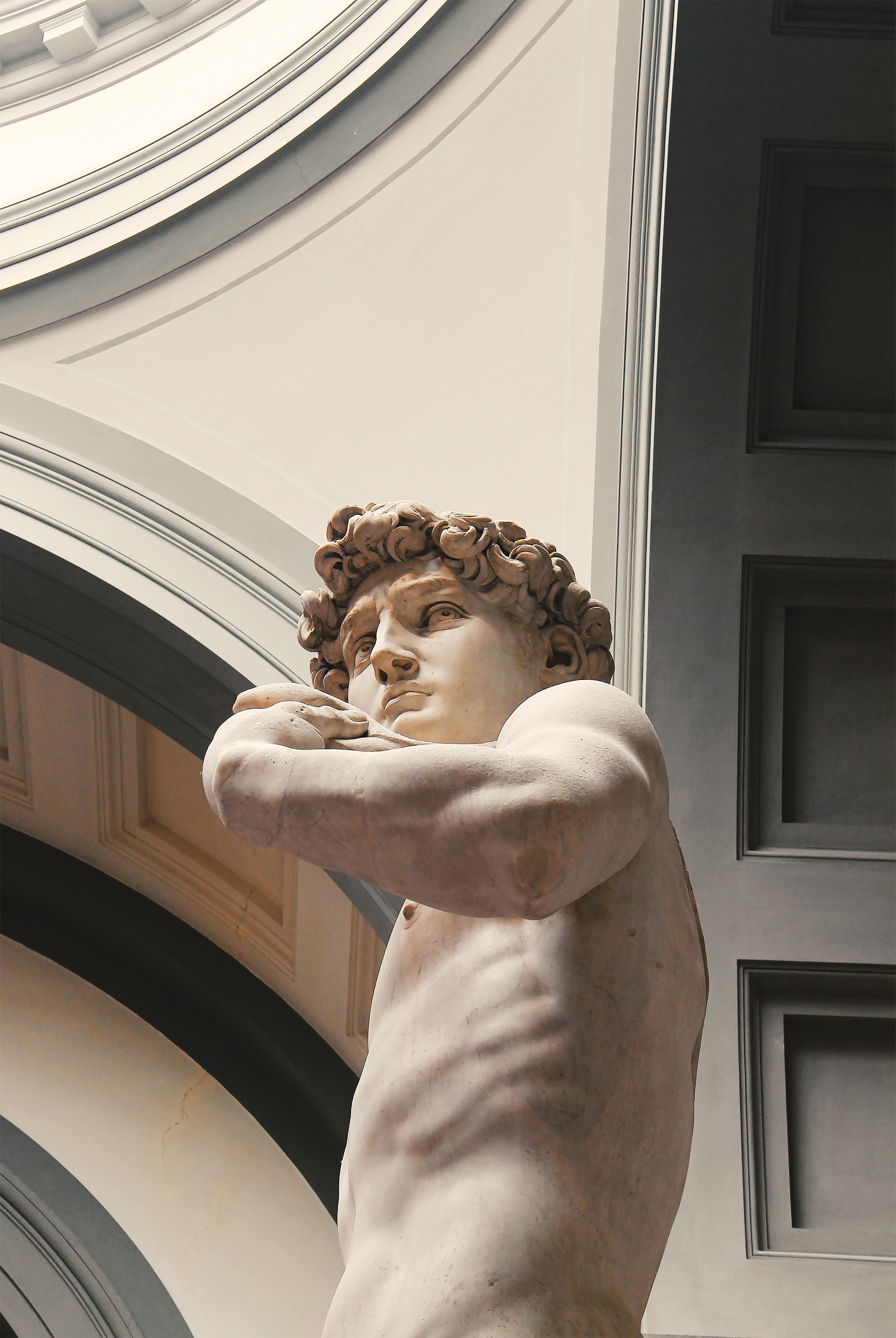
More than 100 Years before 3D Printers, We had Photosculpture

We did?

One of the most exciting technological advances of recent decades is arguably the 3D printer, allowing creators to turn their wildest inventions into real-life products. But 3D printers are far from the first foray into producing realistic, 3-dimensional replicas. Photosculpture is a process dating back to the 19th century, using a series of photos taken in the round to make a sculpture. 

How did that work?

Fascinating. Technology changes, but a lot of what humans think is cool stays the same.

* * *

Photo by Jack Hamilton on Unsplash

Read Full Post »

Tuesdays don’t have to be all bad. You may remember I mentioned a call for optimistic fiction about our climate future. Here is the resulting free collection.

Imagine 2200: The 2022 climate fiction collection | Fix

This year’s three winners and nine finalists bring new perspectives to the vital genre of climate fiction, with short stories that offer visions of abundance, adaptation, reform, and hope. Join us in celebrating an uprising of imagination with 12 stirring, surprising, and expansive looks at a future built on sustainability, inclusivity, and justice.

* * *

Photo by Davide Cantelli on Unsplash

Read Full Post »

Technologically speaking, today has been an uphill slog over broken ground interspersed with patches of quicksand.

Because sure, it’s Monday.

Shortly after 6:38a.m. this morning, my email decided it was done. Just, done. This happened a couple of years ago, just far enough in the past that I don’t remember all the details and have to start from scratch. 

I have spent the hours since then attempting to resuscitate the mail system without scrambling all my carefully filed material. So far no luck.

/cries out to the heavens, pounds head against desk, sighs heavy sighs

Fine. You know what, Evil Gods of Tech? Challenge accepted.

* * *

Photo by x ) on Unsplash

Read Full Post »

I like October. Fall is well on its way, the sky’s blue a crisper, clearer shade, and any evening is improved with a hot beverage, a blanket and a good book.

That said, I could do without all the horror.

Yes, Halloween is this month, but be it in writing, games or movies, I am not a big fan of the horror genre. (Candy corn, yes. Knife-wielding murderers and zombie plagues? No thanks!) One of the first adult movies my father took us to was The Amityville Horror, and let’s just say it stuck with me. 

Why Horror is Good for Your Mental Health (Sorry, still not convinced!)

* * *

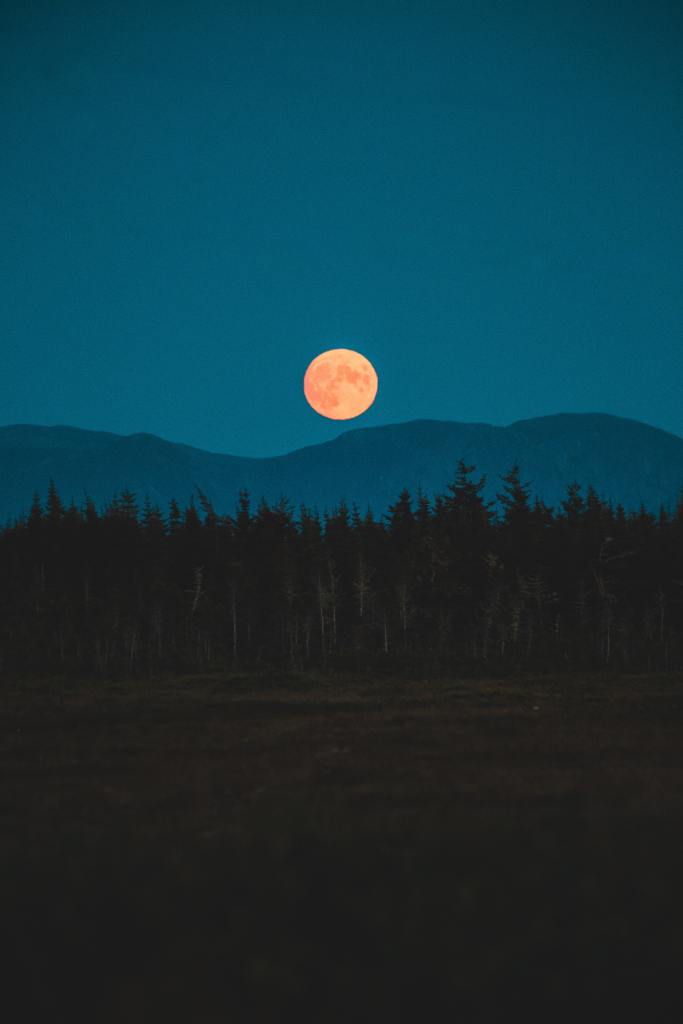
Tonight is a full moon, the Hunter’s Moon, and we’re also celebrating Canadian Thanksgiving. I’m testing a breast-only version of Samin Nosrat’s recipe for buttermilk-brined turkey and will also find some way to use the orange-walnut butterscotch I made today.

For that and much more, I am thankful.

* * *

Photo by Erik Mclean on Unsplash

Read Full Post »

A young family member tried her first root beer float this past week. She preferred straight ice cream, in the end, but it got me thinking about the complex history of what appears to be a fairly simple treat.

From a societal standpoint, the road to such a dessert requires an understanding of the science of crystallization as well as carbonation, plus the ability to package and distribute the ingredients while maintaining temperature and freshness. 

From an entrepreneurial perspective, who came up with the idea of merging frozen dessert with thirst-quenching beverage in the first place?

A lot of folks, it seems.

Meet the people who claim to have invented (some version of) this classic dish:

  • Robert McCay Green, 1874, Philadelphia

The Delicious History of the Root Beer Float

As he was serving soda to his costumers, he ran out of ice to put in their drinks, so he decided to put ice cream in them to make them cold.

The Root Beer Float Was Invented In 1893 By A Gold Miner In Colorado – South Florida Reporter

The full moon that night shined on the snow-capped Cow Mountain and reminded him of a scoop of vanilla ice cream. He hurried back to his bar and scooped a spoonful of ice cream into the children’s favorite flavor of soda, Myers Avenue Red Root Beer. After trying, he liked it and served it the very next day. It was an immediate hit.

Whether these somewhat fanciful stories reflect the full truth we can’t know. What we do know is that by the end of the nineteenth century, the U.S. was awash with ice cream floats.

* * *

Why so many instances of similar inventions, all around the same time? That takes us back to the bit about this particular creation being part of a complex system of social, technical and economic factors. Simultaneous invention happens all the time, with ideas big and small. 

In the Air | The New Yorker (Malcolm Gladwell)

The history of science is full of ideas that several people had at the same time.

So don’t worry that your idea for a vampire story or cake recipe or video game or mousetrap has already been done. The world needs new creations, and new versions of old inventions, all the time. Learn from what’s gone before, of course, but if a project captures your attention, pursue it.

It hasn’t been done your way. And your way may be exactly what the world needs right now.

* * *

The purple cow (with grape juice and vanilla ice cream) has always been my favorite. Photo by Ryan Song on Unsplash

Read Full Post »

To me, the grounds for hope are simply that we don’t know what will happen next, and that the unlikely and the unimaginable transpire quite regularly. And that the unofficial history of the world shows that dedicated individuals and popular movements can shape history and have.

— Rebecca Solnit

* * *

Photo by Ivan Diaz on Unsplash

Read Full Post »

Never discount yourself. If you don’t go after a dream or a goal and if you don’t try, you’re never going to make it.

— Nicole Mann, NASA Crew-5 commander, Marine Corps pilot and the first Native American woman to go to space (NPR)

* * *

Photo by Linus Sandvide on Unsplash

Read Full Post »

A call came through last night, and the voice on the other end of the line told me that my story had made it to second place in Writers of the Future.

Wait, what?

This is my fourth entry in the contest and, while I’ve received encouraging placements before, I did not expect to make the jump to the top three in my quarter. 

If you’re considering a submission I recommend it. Sure, thousands of people submit in each round but it’s open to all non-professionals, free to enter, and has one of the best pay rates in speculative publishing. Check out the official guidelines or visit The Grinder for more details.

My story is 17,000 words of adventurous and sometimes humorous science fiction. I love it, and am very pleased that the judges liked it too. 

“Piracy for Beginners” will be published in the 2022 Writers of the Future anthology. 

I’m off to celebrate!

* * *

Photo by Benigno Hoyuela on Unsplash

Read Full Post »

It’s migration season and millions of birds are, right now, flooding the skies. I grew up noticing flocks of geese arrowing their way south but migration is much more than that.

According to BirdCast’s tool, 347 million birds are predicted to be on the move across the US tonight.

For those of us in other Western hemisphere locales, this site beautifully illustrates the interconnected flow of birds by type and pathway. 

Bird Migration Explorer

A quick search of my area shows the paths of eagles, thrushes, gulls, woodcocks, owls, scoters (had to look that one up), whip-poor-wills, hawks, sandpipers, warblers and more.

* * *

I’ve written about bird migration before but this post has a more specific call to action. Nothing too hard, just a polite request: for the few weeks when migration is at its peak, dim your lights if you can.

Opinion | Lights Out, America! (Songbirds Are Counting on Us.) – The New York Times

Migrating birds are vulnerable to many hazards: predators, extreme weather, insufficient food and insufficient water. Glass is particularly treacherous. Expanses of glass — windows without mullions, storm doors, skyscrapers — are the worst.

Good news? When it comes to lighting and windows, there’s usually an easy fix.*

I’ve tried the UV stickers designed to show birds where not to fly but they were just so-so.

Remember those little gold stars teachers sometimes give out? I picked up a batch and have used them to give the patio doors “Bird-friendliest glass in the neighborhood” awards. The upside is that these stars are cheap and easy to replace. The downside is that they are made of paper and, while they last a surprisingly long time considering, they are still just paper. I’ve had to replace them at least once a season.

This year I upgraded to purpose-built stickers designed both for birds and the great outdoors. This is the company I used but I’m sure there are others (no affiliation, just a satisfied customer): Feather Friendly.

Easy, satisfying, and one step toward being a better neighbor to nature.

At our best as a species, this is what we do: We change our ways to protect others, and then we adjust to the new ways. Soon, we can’t remember doing things differently.

Margaret Renkl

* For more about this problem and potential fixes, including Lights Out programs and building guidelines, check out What You Should Know About Bird Migration and Light Pollution and Bird-Safe Design Guidelines.

* * *

Photo by Michael Krahn on Unsplash

Read Full Post »

It’s Monday so life could be better, but I somehow pulled out a two on Wordle this morning so things aren’t all bad.

Written on some other Monday. Today, 5/6.

* * *

Photo by Zan on Unsplash

Read Full Post »

« Newer Posts - Older Posts »