In every field of human endeavor, from reconstructive facial surgery to the simulation of air flowing past a jet’s wing, billions of tiny, discrete elements stand in for an inherently smooth and analog reality. It all began with the computation of pi. Pi represents a mathematical limit: an aspiration toward the perfect curve, steady progress toward the unreachable star.
So I will appreciate all the ways the irrational infinite has come to shape our rational, finite experience.
Yes, our part of Ontario is expecting freezing rain (thanks climate change!), but there’s still enough snow for that purest of winter joys, a snowball fight!
Snowball fight captured in film for first time 1897 | AccuWeather The 50-second clip captures a group of people in Lyons, France, playing in snow and the chaos ensuing as a snowball fight between two sides turns into a surprise attack on a bypassing cyclist. … Like in the current day and age, there were many things the Lumière brothers could have filmed as world events brewed and boiled, but instead, they chose to make one of their many short films about people playing in the snow…
* * *
Here it is again in a version has been upscaled and colorized, making it even more relatable.
* * *
“A snowball in the face is surely the perfect beginning to a lasting friendship.”
I love history. Not the memorization of dates and tests and such, but that moment where you realize in a sudden, visceral way that the past isn’t ever really gone. That the present is built on its bones.
I also like the idea of uncovering that past, either via literal bones or the items that people leave behind. Gold is nice and all (not least because it lasts) but I have a soft spot for the ordinary. What was once worthless, like a broken pot, a used envelope, translucent blue glass jar or a single button, becomes a window into the everyday.
A window in time, if you will.
From museums to restored footage to dragon bones (ok, not exactly but still) and virtual reconstructions, there are a lot of ways to see the past.
* * *
I tend to prefer the more tactile alternatives.
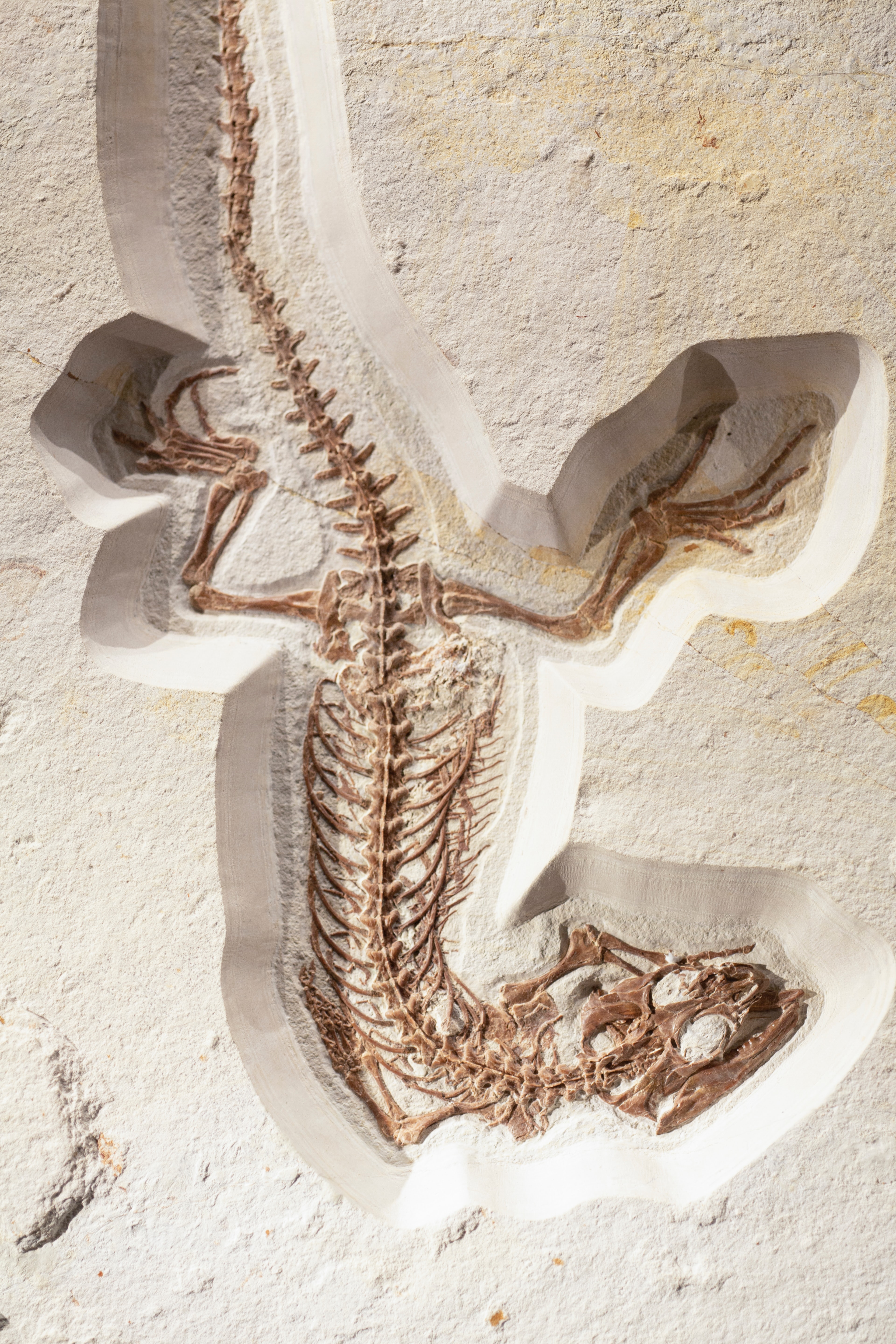
My mother used to take us out to a friend’s cabin in the woods. In winter we helped her gather sap for maple syrup, but in summer my brother and I would head to the stream at the base of the hill. The water had cut a small cliff into the shale, and if we were lucky and good we could find fossils.
* * *
Here are two examples of hands-on history I think would be fun to experience.
… with the West Dorset cliffs eroding at such a rapid rate, scientists alone could never hope to save even a fraction of the fossils emerging onto the beaches before they’re swept away by the waves. This has left amateur collectors as key partners in the fight to preserve the area’s extraordinary fossil bounty for study and display, and has, over the past two decades, fuelled a huge rise in the number of people visiting the local beaches in search of prehistoric treasures.
… the majority of the things salvaged from the mud are more recent—often medieval or later—and are small, humble reminders of what people used, maybe loved, and eventually discarded. Exploring the shore as a mudlark is like conducting a swift, simple, satisfying archaeological dig, with almost no digging at all.
Maybe it was my love of fantasy tales where every dragon had a horde and every economic transaction involved coinage (paper bills? what are those and why would I accept them when I could have a lovely gold piece?). Or the fact that coins encapsulate a wealth (see what I did there?) of information about a society’s evolving history, economy and culture. Or it might have had a little to do with my not-entirely-transitory pirate fixation (they were often bad, sometimes misrepresented, always fascinating).
Regardless, I like coins. Back when we still went out and touched other people’s money, I saved the shiniest examples of each new coin I came across. I have a pressed penny collection. And I love new coin designs. When they have one of my favorite female writers on them? Win!
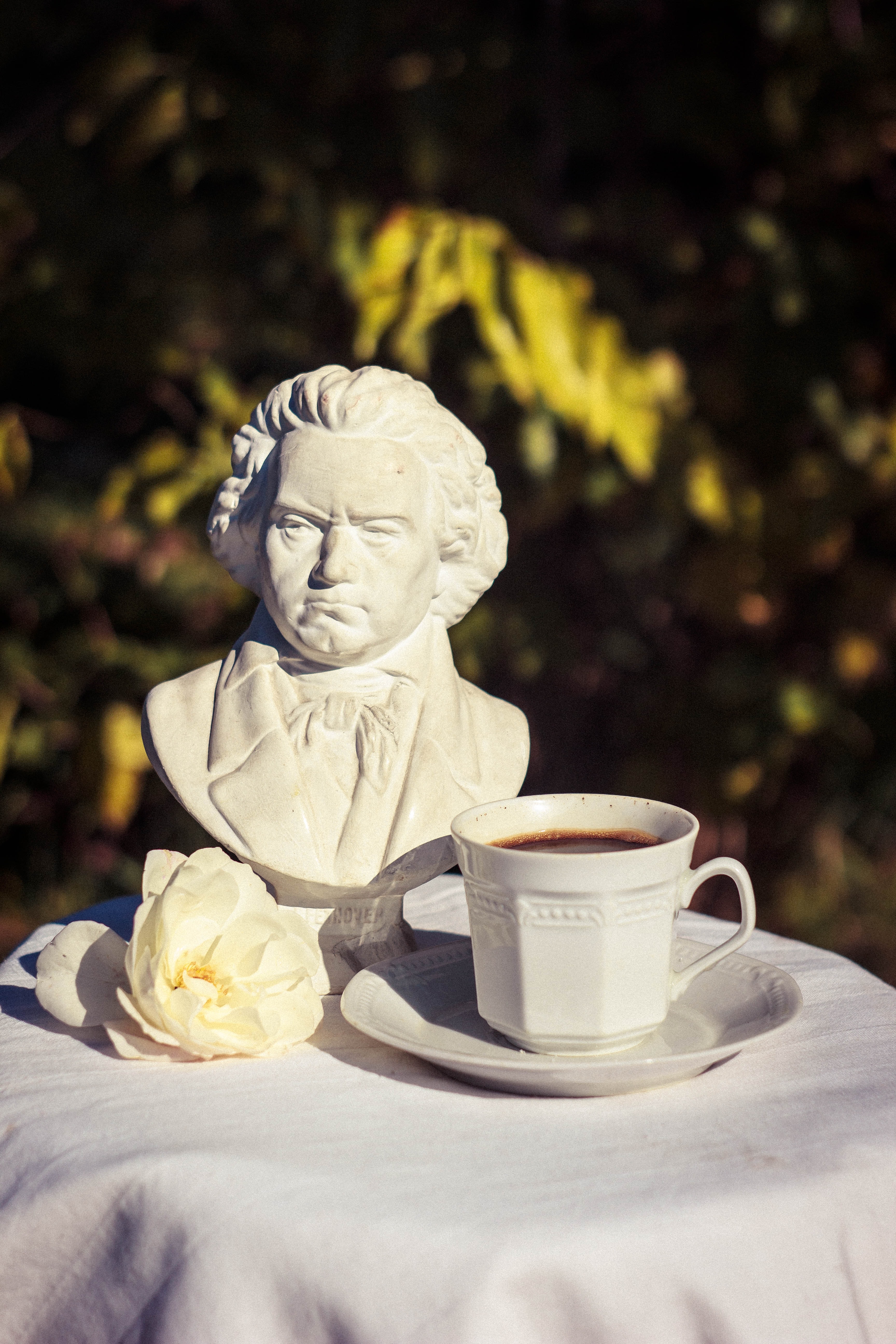
Today is (probably*) Ludwig van Beethoven’s birthday, and it’s a date I note every year. That’s because it also happens to be my adoption date.
Like a lot of kids, mini me went through an early phase where I pronounced new words as they were spelled (like “Zay oose,” here’s hoping no Greek gods were paying attention). And so in some corner of my mind this German composer will always remain “Bee Thoven.”
Here’s where I admit that I find a lot of his work a little over the top, like he was angry at the piano or something. As my stepmother has been known to say, “Too many notes!” I still recognize brilliance when I hear it, and his approach is a lesson for creatives of all forms.
“To play a wrong note is insignificant; to play without passion is inexcusable.”
Here is a thing that I love, and the one item I requested from my grandmother’s estate: an artichoke plate.
Artichokes are thorny, tough and difficult to pair with wine. They were at the heart (hehe) of a racketeering scheme in New York in the 1920s and ’30s, which led to a temporary ban and a dramatic upswing in knowledge about, and orders for, the vegetable. They also taste great.
The back of the plate is marked “E & R 0136” but that’s the only information I have. Where was it made, when, and did it come from Ebeling & Reuss or another manufacturer? I don’t know, but I love it anyway.
Disassembling an artichoke flower bud is a messy job, and this plate is the perfect canvas on which to do it. I prefer to serve mine with lemon butter sauce, but there’s also mayonnaise. If you must.
I doubt the dish is valuable from anything other than an emotional standpoint but that’s fine, I won’t be selling it. I have a lot of great memories about artichokes and about my grandmother, and this plate helps me remember both.
It’s good to see at least some progress on long-overdue Indigenous issues, but it also raises a question. How do we deal with difficult topics? Expression, sharing, recognition, and dialog are constructive options, and art plays a fundamental role in each of these elements.
This article interviews Indigenous creators, about their art and their thoughts on reconciliation, and also includes links to their work. I particularly like this quote from Inuk singer-songwriter and filmmaker Elisapie:
“Like I always say, this is our story. But this is definitely your story, too. So get on with it and discuss and face those uncomfortable questions and try to find the answers, too, right?”
* * *
I also like this quote from Murray Sinclair:
“I did say … at the end of the TRC report that we will not achieve reconciliation in my lifetime. We will probably not achieve it in the lifetime of my children. We may not even achieve it in the lifetime of my grandchildren,” Sinclair, a former senator and chief commissioner of the Truth and Reconciliation Commission (TRC), told Unreserved host Rosanna Deerchild.
“But if we make a concerted effort … then eventually we will be able, some day, to wake up and, to our surprise, find that we are treating each other in a way that was intended when contact was first made.”
Note: This post is long but both Ray Bradbury and Jane Austen make an appearance, so there’s that.
* * *
We keep a little pad of paper stuck to the side of the fridge to use as a grocery list. Every couple of weeks I get tired of crossing things out and trying to remember what we actually bought and what I only think we bought, and I start fresh. Yesterday I pulled the latest iteration of the list off the pad and turned to toss it in the recycling bin, when the back of the sheet caught my attention. It was blank.
Not a big surprise there, think of all the Post-its you’ve used one side of in the last decades. But! It struck me how much times have changed. Wealth is a continually moving target, and so are our measures of it.
I mean you’re warm in winter and cool in summer and can watch the World Series on TV. You can do anything in the world. You literally live better than Rockefeller. His unparalleled fortune couldn’t buy what we now take for granted, whether the field is—to name just a few—transportation, entertainment, communication or medical services. Rockefeller certainly had power and fame; he could not, however, live as well as my neighbors now do.
In the case of paper, we’ve got both more and better.
Once upon a time, people had to use both sides of the paper. Heck, once upon a time, people didn’t have paper, and after its invention it took centuries to become what we think of today: cheap, high quality, readily available, reliable information storage, bird cage liner, and paper plane in waiting.
Even after paper became widespread in the Western world, wood pulp paper was terrible. Like, sheets of nasty grey pulp held together with weird glues and chemicals that slowly (or not so slowly) destroyed itself.
“Unfortunately, early wood-based paper deteriorated as time passed, meaning that much of the output of newspapers and books from this period either has disintegrated or is in poor condition; some has been photographed or digitized (scanned). The acid nature of the paper, caused by the use of alum, produced what has been called a slow fire, slowly converting the paper to ash.”
Depending on the circumstances, writers also did their best to use every inch of a page. Part of that was the paper itself, and part was the cost of postage. (Insert obligatory statement of love for modern postal services here!)
Click through to see a letter from Jane Austen to her sister Cassandra using cross writing, designed to condense as much information as possible onto a given sheet:
A crossed letter written by Mrs. F. L. Bridgeman to Fanny West, December 15, 1837. Public domain, via Wikimedia Commons
* * *
It turns out that paper wasn’t quite as expensive as I’d thought, but the good stuff still wasn’t cheap.
Based on paper purchases by individuals from the 1570s to the 1640s, paper was “roughly a penny for six sheets… To put this in perspective, the average laborer making 6-12 pence a day could purchase up to 75 sheets of paper with a day’s wages. (Was early modern writing paper expensive? – The Collation)
Later, Regency-ish England did have additional duties that made quality paper, particularly in book-sized quantities, more expensive.
“The excise duty on paper was a frequent problem for all printers and publishers. The reorganisation of the duty in 1794, whereby it was charged by weight rather than ream, had the effect of making the burden heavier”
In researching this I came across a wealth of fascinating economic information. For example, what was one shilling worth in London during the mid-1700s? So many things!
Dinner in a steakhouse – beef, bread and beer, plus tip
Sign-on bonus for army recruitment: The king’s Shilling
Admission to Vauxhall Gardens
Admission to Ranelagh Gardens (although it could be as much as 2 guineas on masquerade nights)
A dish of beef at Vauxhall
1lb of perfumed soap
Postage of a one page letter from London to New York
How did we get here? Right, a grocery list, and my appreciation that so many of us now have access to things like affordable paper, postal service, and oh yes, literacy!
It’s hot and sticky, I’m in the middle of several projects but have nothing finished, and I’m short on time because Mr. Man wants me to give him a haircut. What does that mean for this blog post and you, fair readers?
How about something fun and easy, with a bit of history thrown in? I give you the NHL’s oldest recorded footage of hockey:
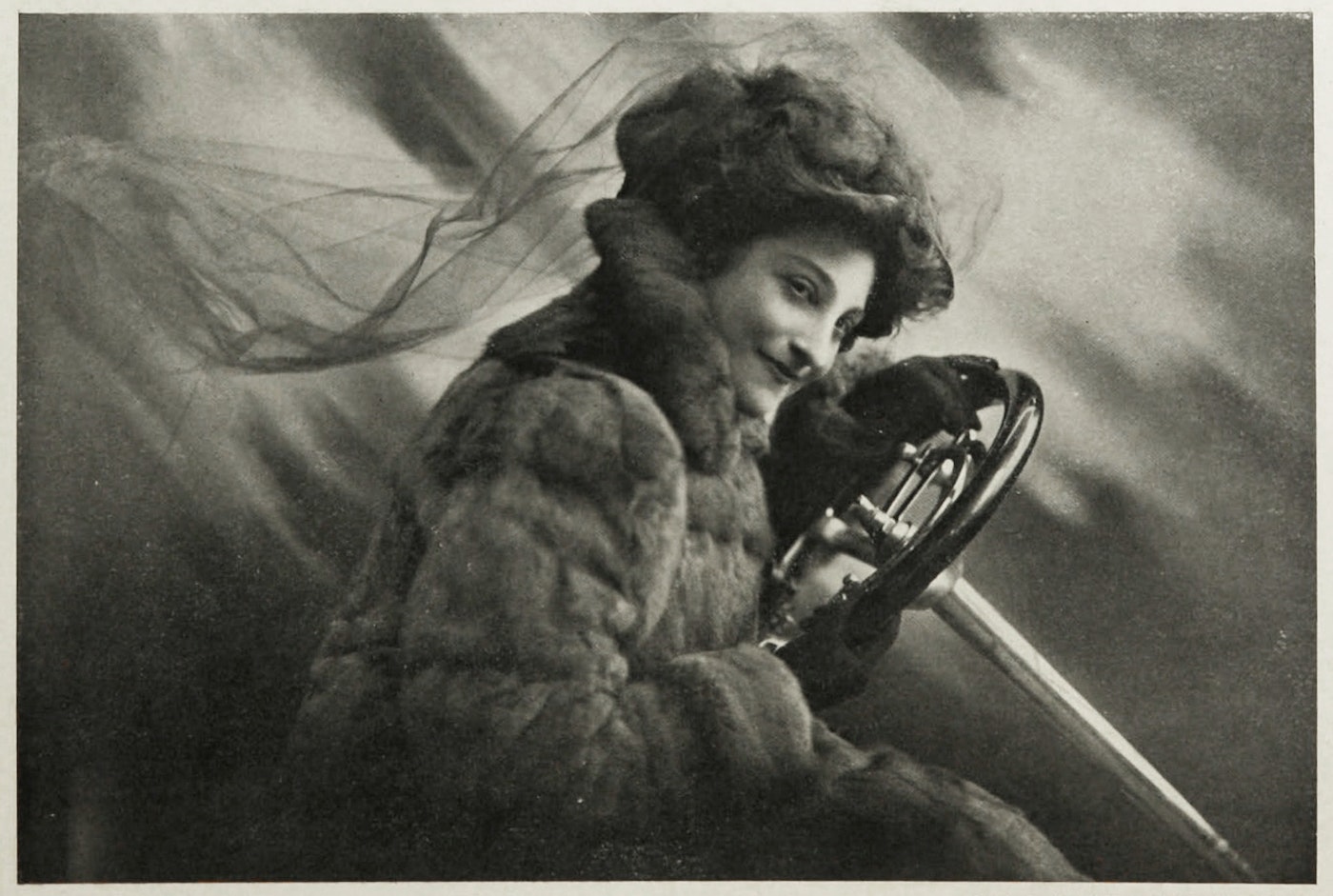
In the early twentieth century, Dorothy Levitt, née Elizabeth Levi (1882-1922) was “the premier woman motorist and botorist [motorboat driver] of the world”… The Woman and the Car is a practical, how-to guide for those who wanted to take to the roads, but did not quite know how.
Have times changed since 1909? Obviously, but not everything. “Many of the extensive recommendations regarding mechanics, etiquette, and the temptations of car culture hold true today.” Also, who wouldn’t like to have this much fun going to the grocery store?










You must be logged in to post a comment.