The video begins on a rotating full-globe of Mars, with white polar caps and mottled tan surface visible. It then zooms in on the westernmost part of the large Valles Marineris canyon system, a region highlighted by a white box, and swaps to a new Mars Express visualisation of Noctis Labyrinthus. The camera then flies slowly across a landscape that is broken apart by deep intersecting valleys and canyons.
This new StoryBundle will take your autumn, and your e-reader, to the far edges of the universe. Curated by bestselling author Kevin J. Anderson, this cosmic batch of eighteen books showcases the range of epic science fiction, from galactic empires to time-travel adventures to alien invasions. These books are from classic award-winning science fiction authors and hot new indie authors.
Am I biased? Sure, I happen to think our collection is great. But the bundle is curated by Kevin J. Anderson and also includes books by other names sci-fi/fantasy fans may have heard of, like Todd McCaffrey and Nancy Kress, as well as others I look forward to discovering.
“It’s the people, in the end, isn’t it?” says Viktor. “It’s always the people. You can move halfway around the world to find your perfect life, move to Australia if you like, but it always comes down to the people you meet.”
The weather today is beautiful and I wish I could go outside for a walk. Sadly, work, so instead I was happy to see this Google Doodle commemorating one of the world’s great hikes, the Appalachian Trail.
The Appalachian Trail is a 2,190+ mile long public footpath that traverses the scenic, wooded, pastoral, wild, and culturally resonant lands of the Appalachian Mountains. Conceived in 1921, built by private citizens, and completed in 1937, today the trail is managed by the National Park Service, US Forest Service, Appalachian Trail Conservancy, numerous state agencies and thousands of volunteers.
I haven’t hiked the Trail but a lot of my best childhood moments revolved around the woods in the Allegheny Mountains, part of the central section of the Appalachians. My father also recently sent out a collection of his backpacking memories, which were great to read. (Although how he wasn’t eaten by a bear or something is beyond me.)
The beauty of these mountains, however, is something special.
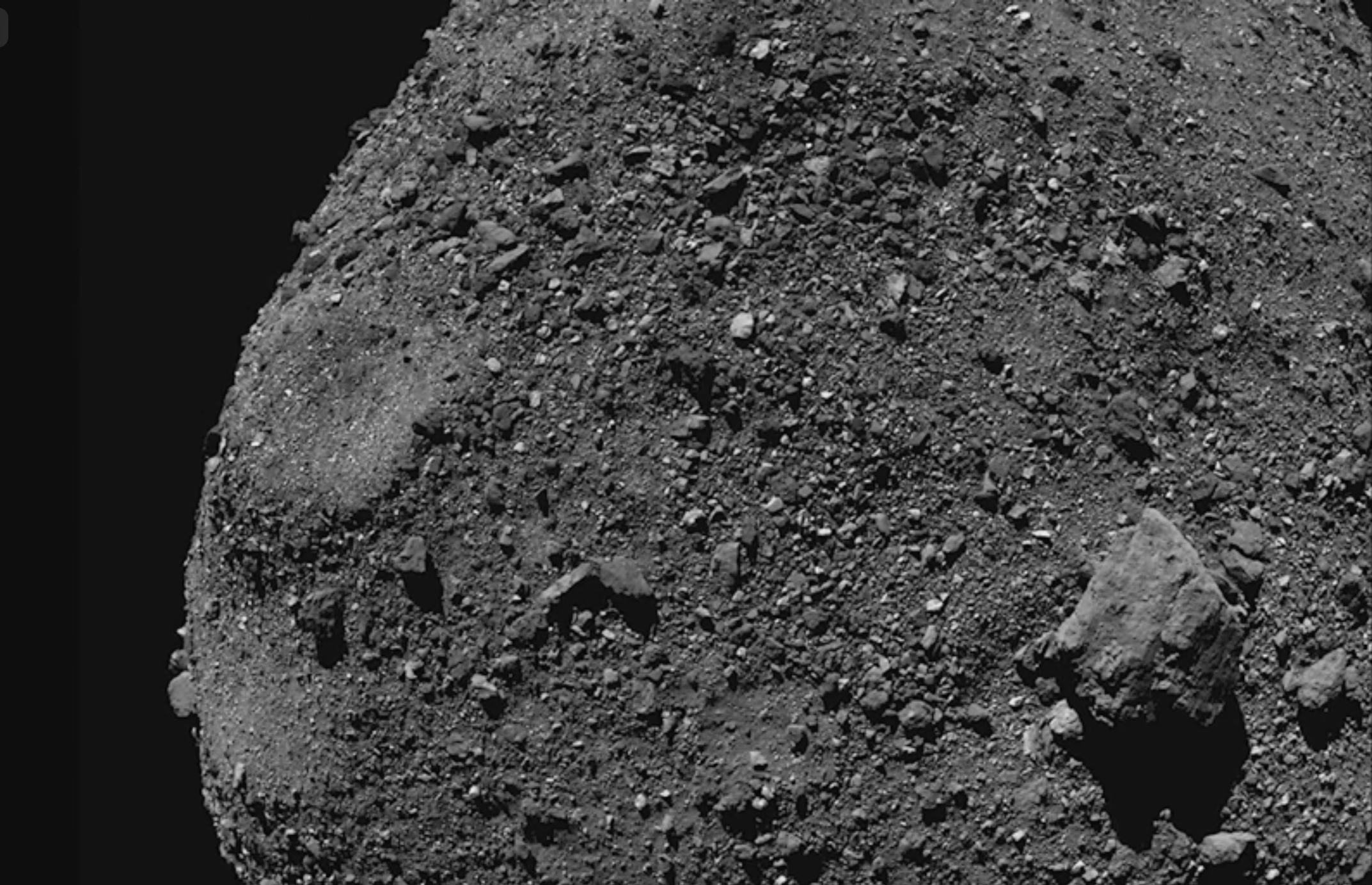
The Origins, Spectral Interpretation, Resource Identification, Security-Regolith Explorer (OSIRIS-REx) is the first U.S. spacecraft to collect a sample from an asteroid. OSIRIS-REx traveled to near-Earth asteroid Bennu and is bringing a small sample to Earth for study…
The mission, developed by scientists at the University of Arizona, will give us more information about how the early solar system formed and about how life began. It will also help us better understand asteroids that could impact Earth in the future.
The plan is for the return capsule to land at the Defense Department’s Utah Test and Training Range. If successful, humanity will have the opportunity to study pristine asteroid material.
Interested in videos, activities, and other information about the mission? Here you go:
Let me preface this musing with the statement that I know very little about art, art history, Rembrandt, Dutch social history of the 17th century, or most related issues.
I do, however, know that dead chickens and fashion don’t usually mix.
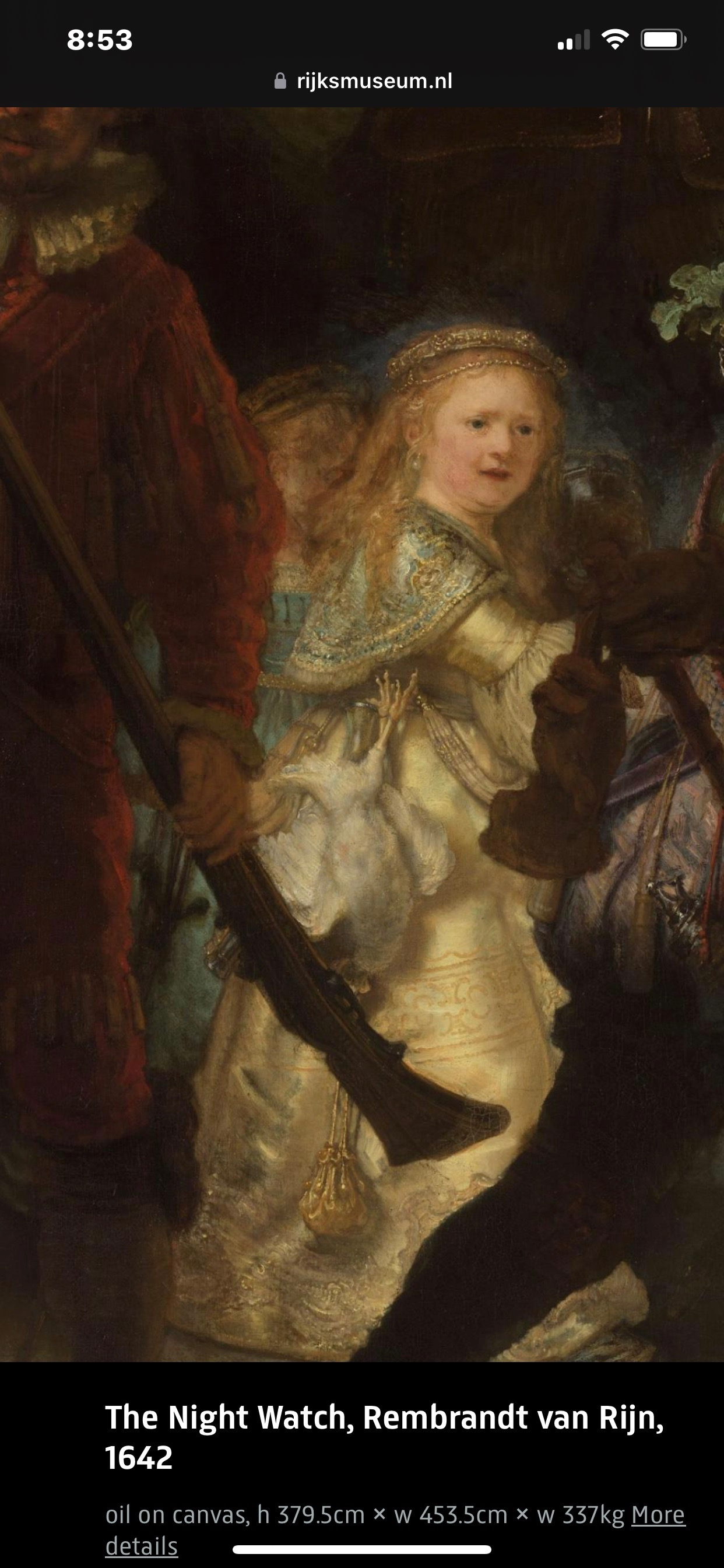
Two of my parental units visited the Rijksmuseum this summer and saw The Night Watch, which inspired a recent discussion about the painting’s history, size and purpose. I pulled up the digital version on the museum’s website so that we could examine the details. The page was still up on my phone when I opened my browser today, and I decided to zoom in on the strangest element in the picture: a well-dressed woman in the midst of a group of heavily armed and armored men, her figure, clothing and purse, all glowing as if under a spotlight.
I take that back. She wasn’t the strangest thing about this picture. The strangest thing was that the aforementioned well-dressed woman was wearing… a chicken?
One thing I love about the move to digitize many museum holdings is that you can see details not usually visible, unless you are viewing the art in person. Using the Rijksmuseum’s Rijksstudio, I was able to zoom in on the subject in question and inspect her unusual accessory. Here it is:
Detail from The Night Watch, Rembrandt van Rijn, 1642, via the Rijksmuseum’s Rijksstudio
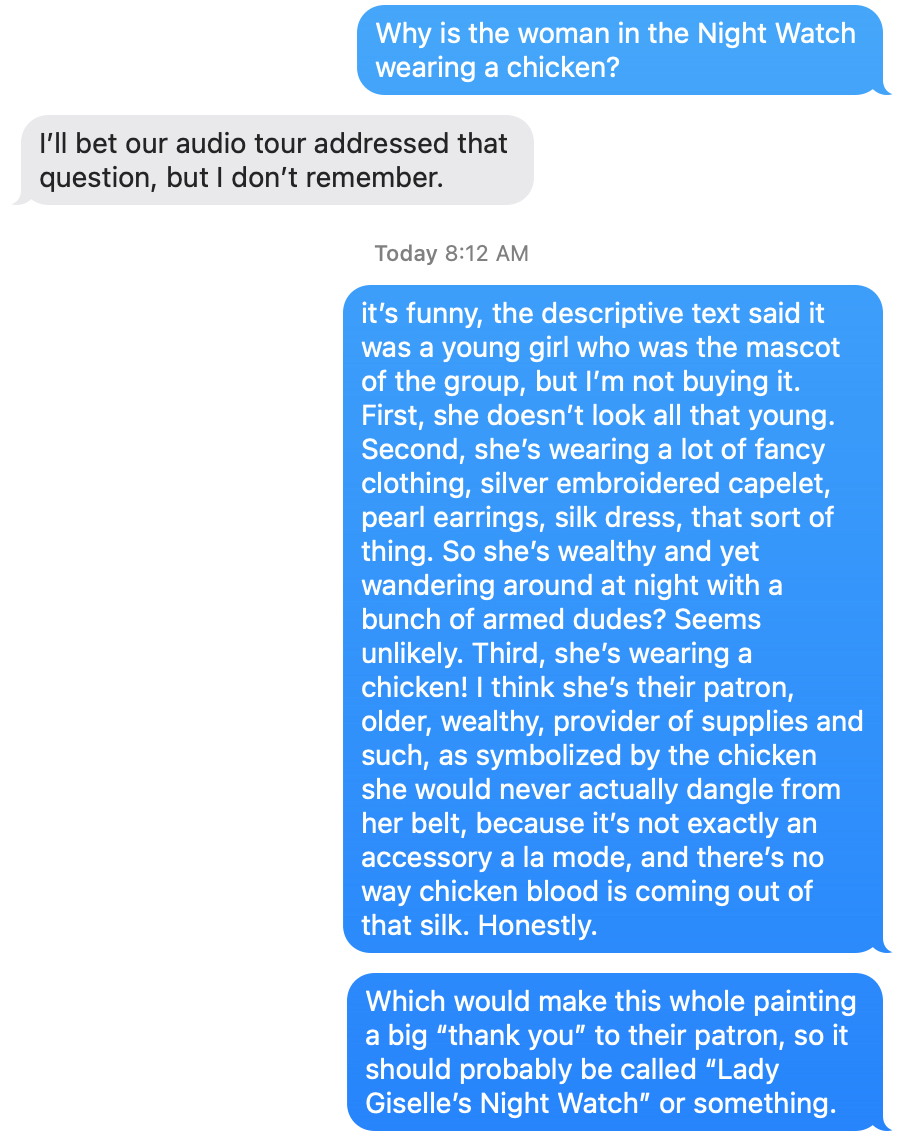
That inspired this exchange with my father:
Again, I know very little about art history and am probably wrong about every single bit of this. I am having fun speculating on the importance of that well-dressed woman, her prominently featured silk purse, and of course, her chicken.
Other people are some of the best, most interesting sources for story ideas, if you can find your way behind their facades.
Most of us would prefer to avoid awkward conversations with strangers, however.
PostSecret is one way to get a glimpse of the former without the latter.
You are invited to anonymously contribute a secret to a group art project. Your secret can be a regret, fear, betrayal, desire, confession or childhood humiliation. Reveal anything – as long as it is true and you have never shared it with anyone before.
Some secrets are funny, some poignant, and all are reminders that every person you meet is a complex, ever-changing world of their own.
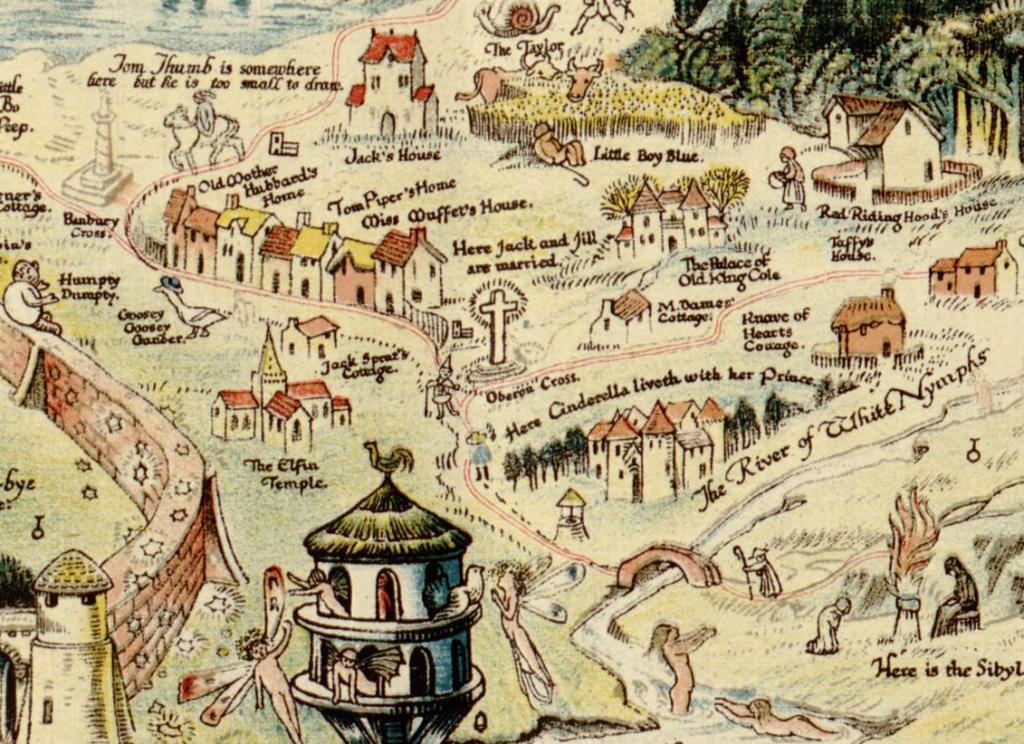
Yes, the internet can sometimes be a bit of a drag, but then you stumble across the one thing your six-year-old heart most desired: A map of Fairyland.
Excerpt from Sleigh, Bernard, and Sidgwick & Jackson. An anciente mappe of Fairyland: newly discovered and set forth: imaginary locality. [London: Sidgwick & Jackson, ?, 1920] Map. https://www.loc.gov/item/2006628749/.



 J.R. Johnson
You must be logged in to post a comment.