Overnight from Tuesday to Wednesday, November 4-5, the Sun, Earth, and Moon will align in syzygy, with the Earth-facing side of the Moon fully illuminated by the Sun.
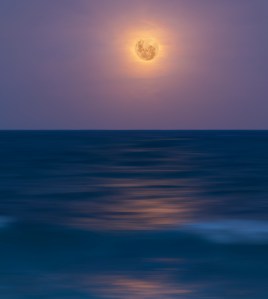
So last night, tonight, and tomorrow all showcase the moon at its best. I don’t know about you, but I do not get tired of that big bright ball in the sky getting even bigger and brighter.
This weekend marks the final supermoon in what has been a months-long fall cycle of supermoons. If you have a chance to look up, you can see the moon’s super hurrah for the year before its orbit takes it farther away from us.
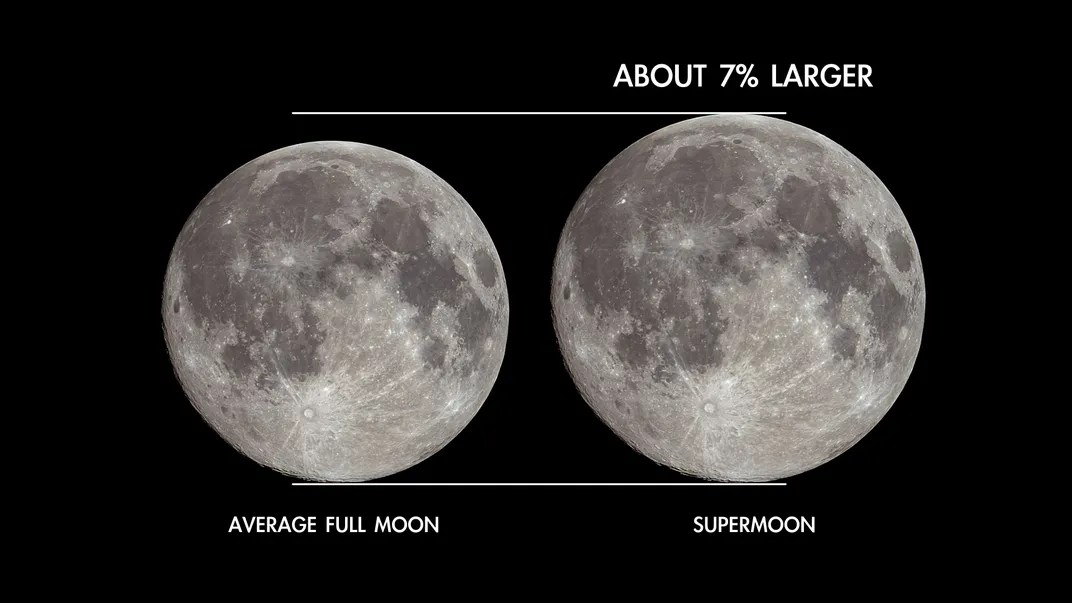
Here’s NASA’s quick explanation for the supermoon, when the moon is closest to us, and its inverse, the micromoon.
The next full supermoon will be on November 5, 2025. Until then, a micropoem.
The best times to view the event will depend on your location, but the lunar eclipse will peak at 10:44 p.m. ET, according to NASA. All of North and South America will have a chance to see the partial lunar eclipse and harvest supermoon depending on the weather. Europe and Africa will also have an opportunity to see the eclipse.
As the full Moon closest to the autumnal equinox, this is the Harvest Moon. The first known written use of this name in the English language (per the Oxford English Dictionary) was in 1706. During the fall harvest season farmers sometimes need to work late into the night by moonlight. On average moonrise is about 50 minutes later each night. Around the Harvest Moon this time is shorter, about 25 minutes for the latitude of Washington, DC, and only 10 to 20 minutes farther north in Canada and Europe.
Here is some general info on eclipses and a fun video from NASA.
* * *
And as for that more-or-less moon related bonus item? It’s a tasty one.
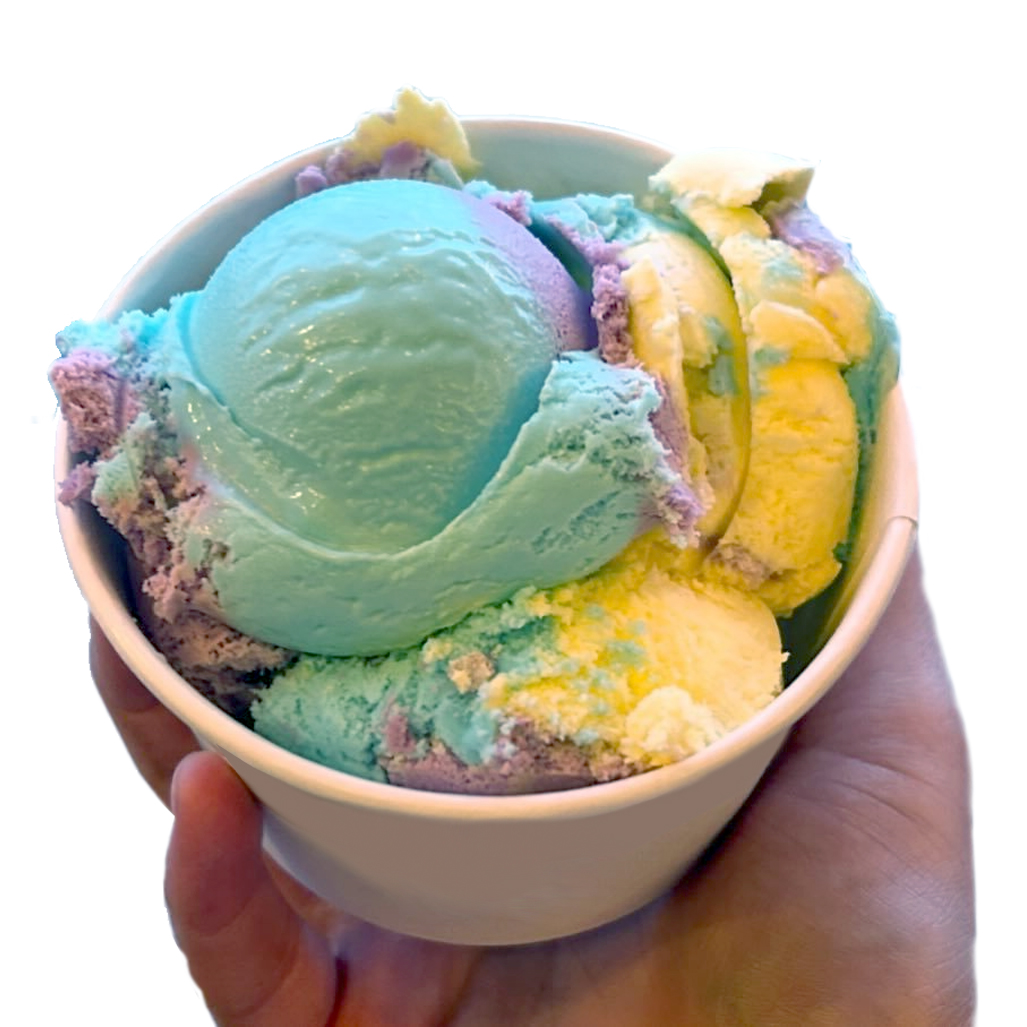
Mr Man and I went for a lovely if hot hike down by the river, and decided that the best way to cap it off would be with ice cream. We found ourselves at Chris’s Ice Cream Ottawa.
This fun little shop had a number of interesting and creative flavors, including blood orange, chili chocolate, strawberry crunch, and… hang on, what’s this?
I did not think I would like it. I did not think the flavors would work. In fact, they did more than work, as all three flavors combined into a new, better flavor.
I don’t quite know how to describe this “improbable” combination except as a structural shift. Imagine three individual flavors, normally experienced as if they were sequential, or side by side. When eaten together, however, the flavors stack together to create a singular new experience.
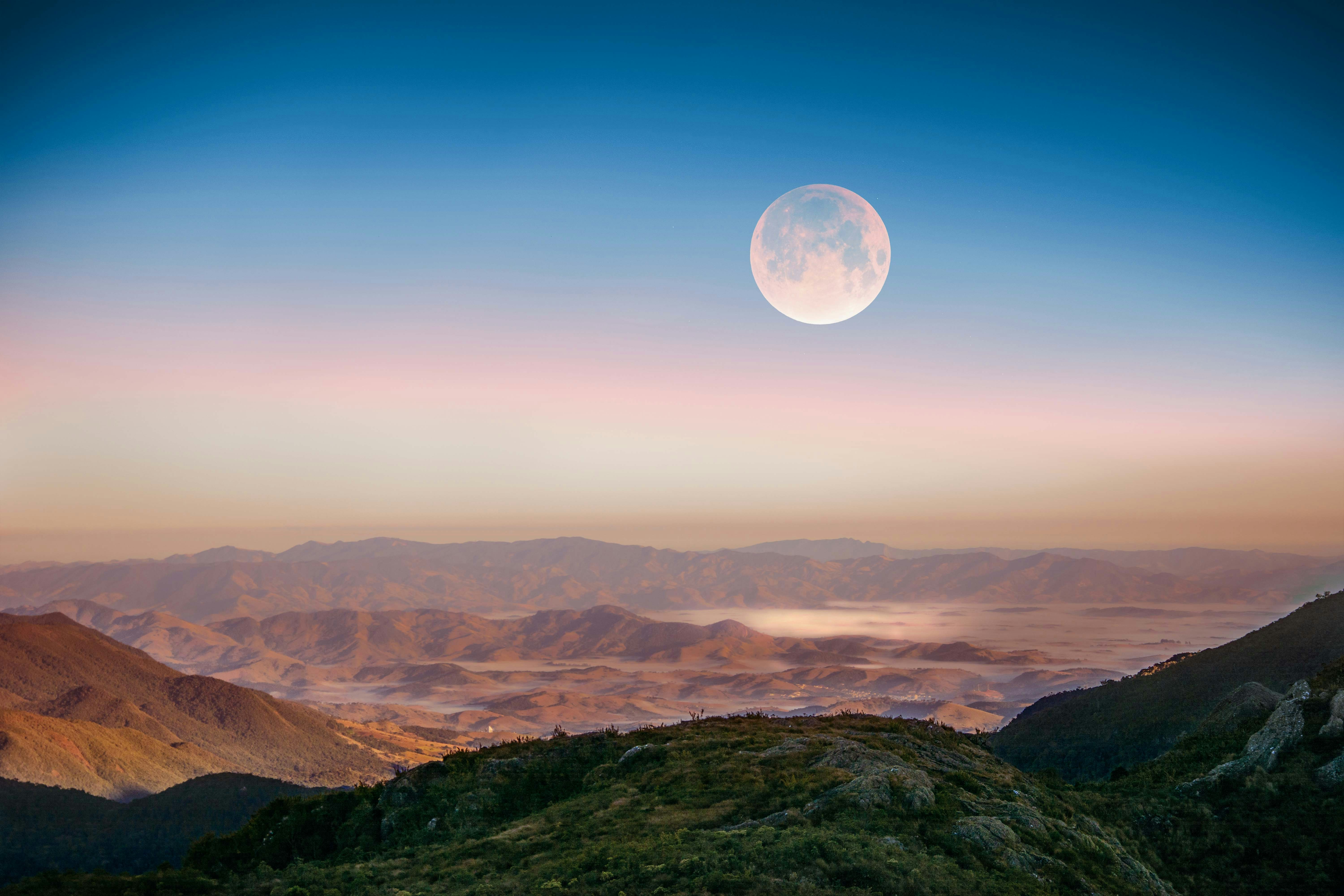
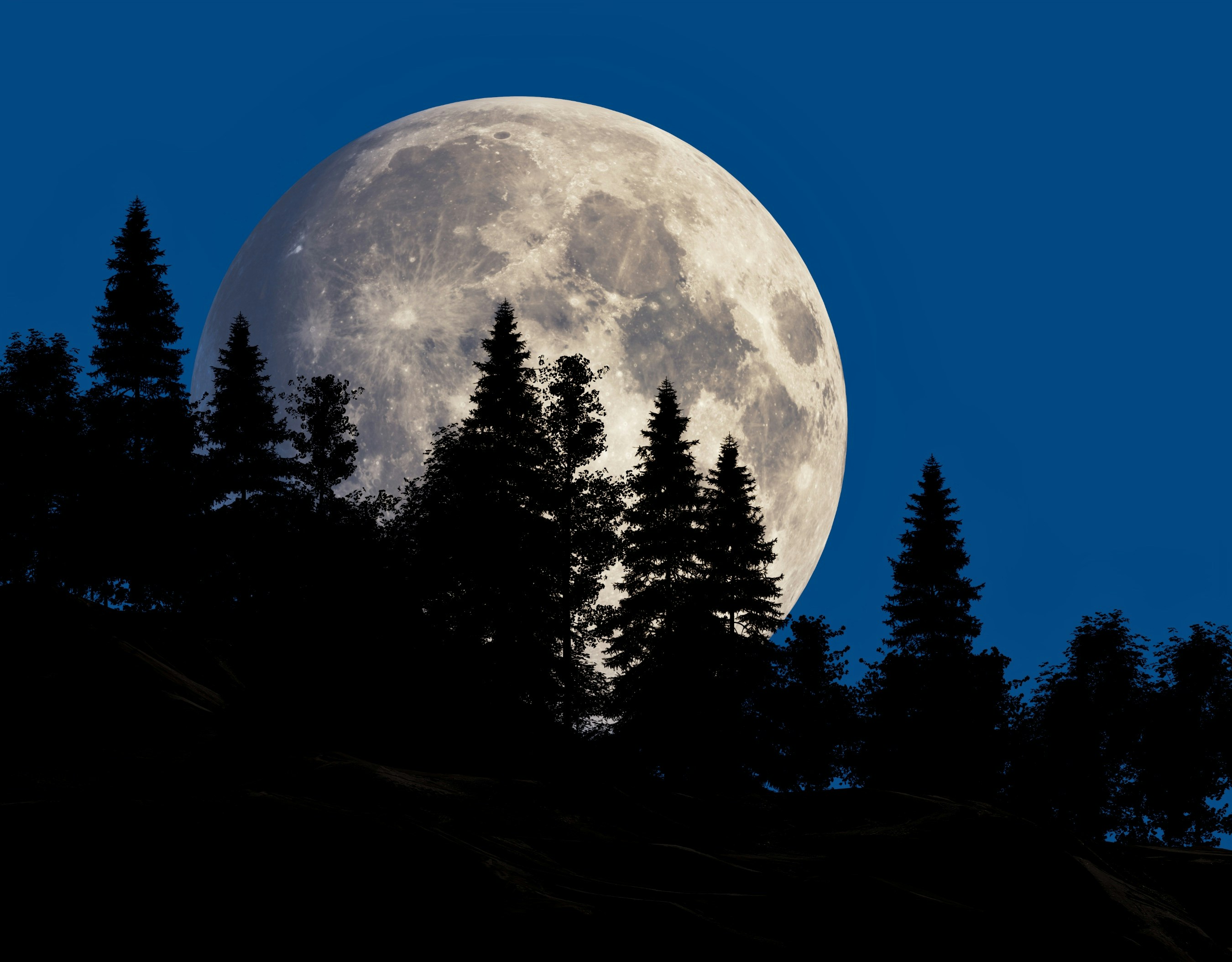
If you have clear skies tonight, take a moment to look up. There will be a super blue moon overhead, and if last night’s preview is any indication, it will be glorious.
This special event is the coincidence of two uncommon moon traits: A supermoon, which occurs when the moon appears larger than usual, and a blue moon, or the second full moon in a month.
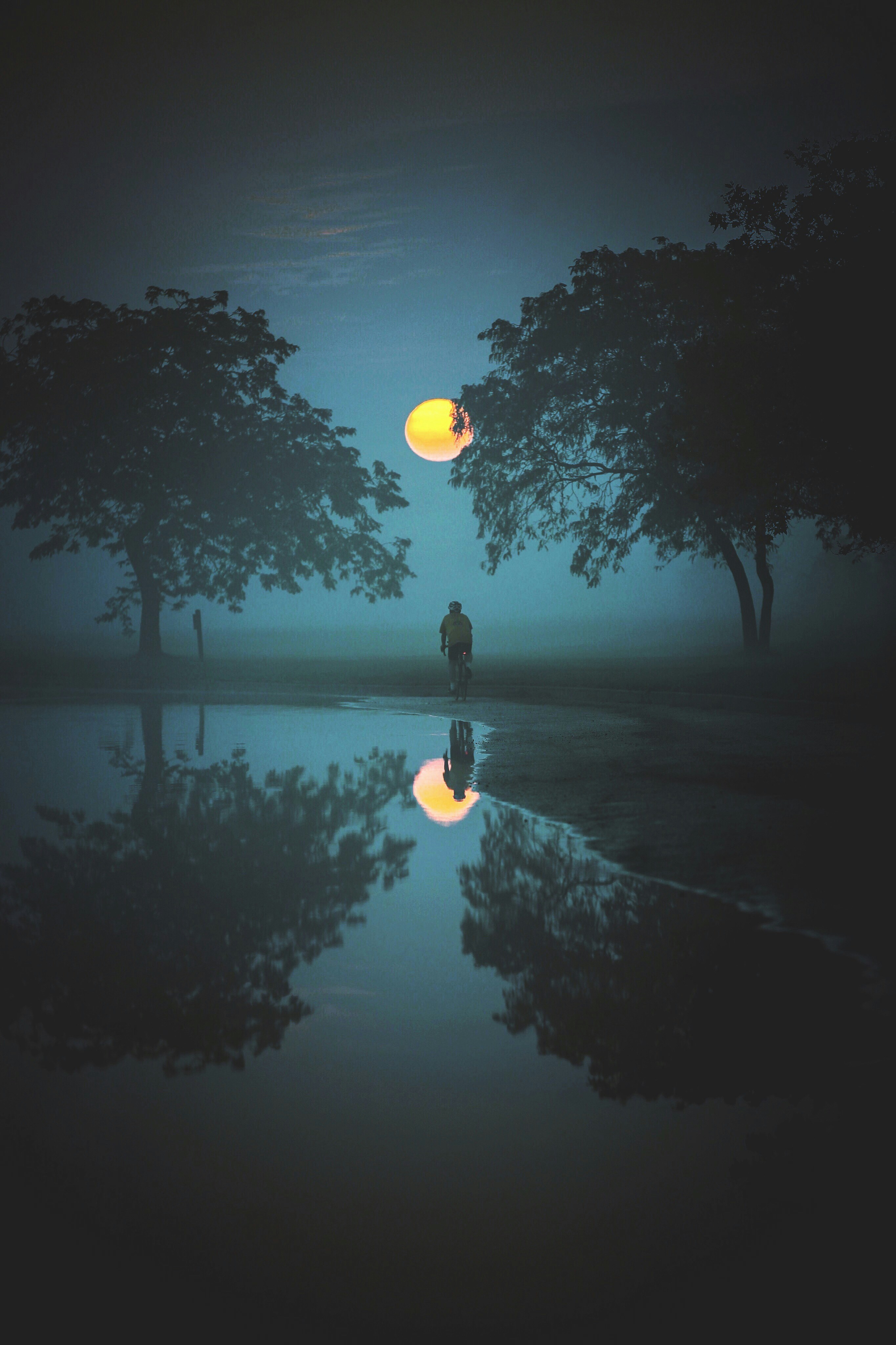
Tonight, if you have a moment and remember that we are, after all, just passengers on a ship hurtling through space with only one true companion, look up. The Buck Moon will be waiting.
I don’t know about you but certain events pull me out of myself, away from the everyday minutia that anchor most of us to our little corners of the planet and remind me that we’re really just tiny dots on a spinning lump circling an isolated (if lively) corner of the Milky Way.
Eclipses are like that for me.
And lo, a total lunar eclipse is happening on Sunday night. Also, supermoon! That’s right, it won’t be just any eclipse, but one in which the moon’s orbit brings it about as close to the Earth as it comes, around 220,000 miles at perigee (rather than its more typical distance of 240,000 miles). And as this article in Slate describes it:
During this total lunar eclipse, the moon will appear about 14 percent larger and 30 percent brighter than Earthlings are used to seeing it… The last supermoon eclipse was in 1982, and it won’t happen again until 2033.
So, fellow Earthlings, get thee outside around 10:47pm EST Sunday evening and enjoy the dramatic sight of a harvest supermoon tinged red with Earth-shadow. Or, you know, watch it live-streamed on the Slooh Community Observatory network or see NASA TV’s coverage of the event from 8:00pm on. Your choice, just don’t forget the popcorn:)
I now interrupt my not-at-all-planned blog vacation week (moving stuff, traveling, working, moving more stuff, more working) with this announcement:
Tonight is the best night to see a perigee full moon in 2014! That’s when the moon is not only full, but as close to us (Earth and its -lings, that is) as possible. Sure, supermoons seem to be a dime a dozen this year but tonight the view of our celestial sidekick will truly be Super. Becoming full at the same hour as perigee, the moon will appear 14% larger and 30% brighter than normal. That’s about as impressive as it comes.


You must be logged in to post a comment.