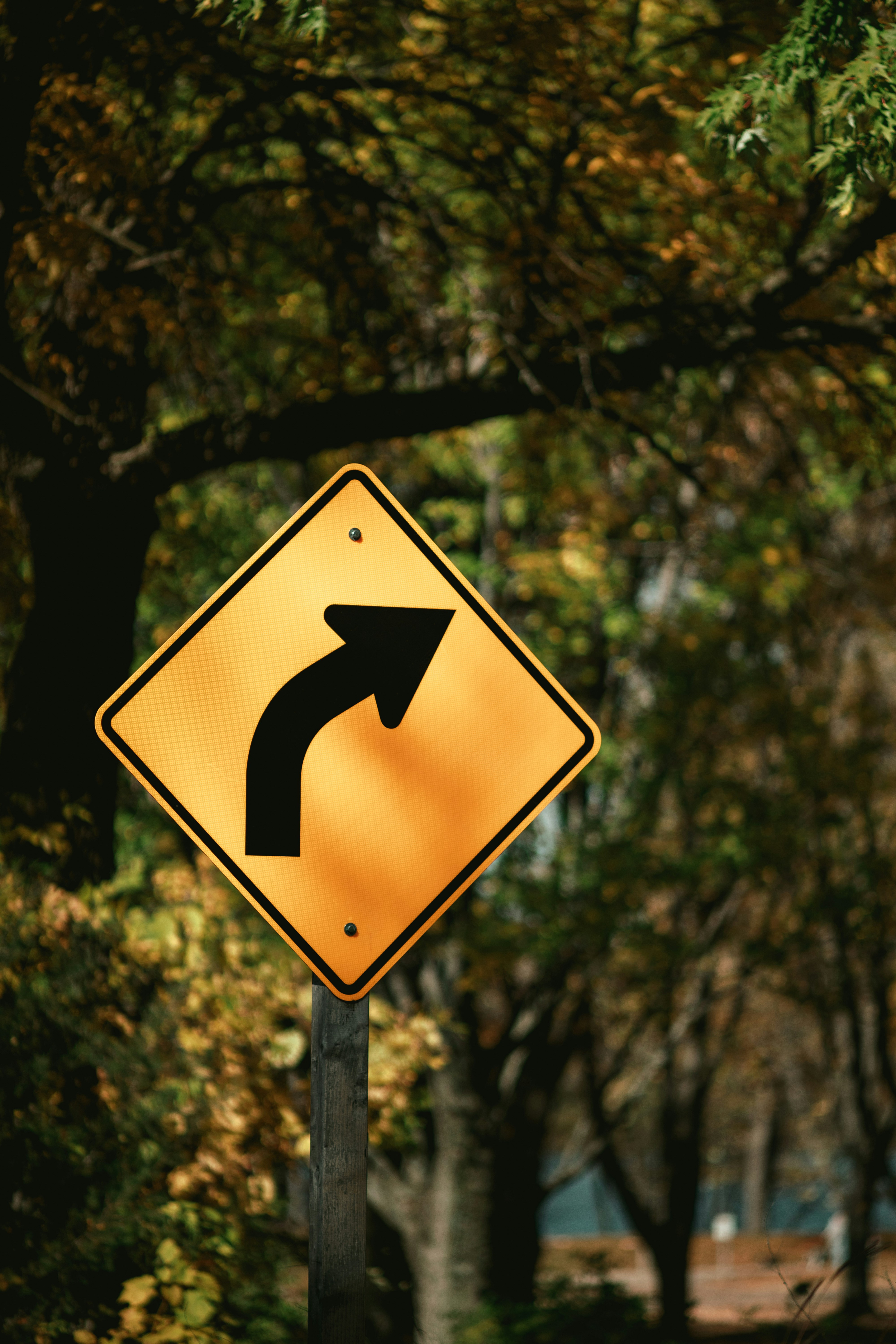
Roger didn’t like his drawings. He didn’t feel that he had any drawing talent. But then a girl named Zoe moved next door and handed him a magic black pen.
The lesson? Sometimes it helps to take things literally.
The leaves here are beginning to turn but the full glory of fall has yet to arrive. When will it come to your area? If you’re in the US (or can extrapolate to Canada), this map can help narrow it down.
Trees shed their leaves in order to store and recycle valuable nutrients (in their trunks and branches) before winter’s ice and snow can rip them off. As temperatures drop, chlorophyll — the pigment that makes leaves appear green — starts breaking down, revealing the yellows and oranges they’ve had all along.
Like many of us, leaves hide their layers. I try not to forget it, and that all of this beauty and color has been right there, all along.
Yes, the wind blows colder now, teasing the last summer petals from their stems.
But oh, the sky!
“It was the golden time of year. Every day the leaves grew brighter, the air sharper, the grass more brilliant. The sunsets seemed to expand and melt and stretch for hours, and the brick façades glowed pink, and everything got bluer. How many perfect autumns did a person get?”
I analyzed the top 200 sci-fi films and tv shows every decade from the 1950s to present day. What I found was that sci-fi narratives from yesteryear were quite different from today’s stories….
Sci-fi is an amazing genre.
It helps us explore our feelings about the unknown, the future, and the possible. It lets us imagine “what if” scenarios, and then build out rich worlds that our minds can occupy. It depicts dystopias we should fend off and utopias we should seek – and it teases us with the scintillating possibility that humans may actually be able to build the world we want.
But over the last few generations, it’s been harder for us to imagine this better world – and our sci-fi reflects that.
And while that may be so, sci-fi is also a critical part of highlighting society’s important problems. That’s the first step to finding a fix.
Being away from the rest of us doesn’t mean Curiosity isn’t getting the best dirt. In fact, its latest discovery has the potential to stir up what we know about life on Mars!
Here’s Neil deGrasse Tyson to break it down for us:
As Neil asks, “Could we have Martian neighbors?” If yes, would they fancy a mid-afternoon coffee break?
I recently sent a note to someone that ended with these lines, and I thought it might be nice to share.
We’re all unique collations of time and place, our essence just the latest collaboration of elements that have formed and reformed time and again, star stuff reshaped from single-cell amoebas to a pterodactyl flying high above an unnamed sea to a hominid spraying paint against a cave wall to Leonardo to you.
You must be logged in to post a comment.