“Read books. Care about things. Get excited. Try not to be too down on yourself. Enjoy the ever present game of knowing.”
― Hank Green
* * *

Posted in Writing, tagged #365Ways, #365Ways2021, #amwritingscifi, creativity, Thoughts, Writers, writing, yay on November 27, 2021| Leave a Comment »
“Read books. Care about things. Get excited. Try not to be too down on yourself. Enjoy the ever present game of knowing.”
― Hank Green
* * *
Posted in Writing, tagged #365Ways, #365Ways2021, creativity, inspiration, quotes, Thoughts, Writers, writing on November 21, 2021| Leave a Comment »
Our creativity is a wild and unexpected bonus from the universe. It’s as if all our gods and angels gathered together and said, “It’s tough down there as a human being, we know. Here—have some delights.
— Elizabeth Gilbert
* * *
Posted in Writing, tagged #365Ways, #365Ways2021, creativity, inspiration, quotes, Thoughts, Writers, writing on November 18, 2021| Leave a Comment »
“And now that you don’t have to be perfect, you can be good.”
― John Steinbeck
* * *

Posted in Writing, tagged #365Ways, #365Ways2021, creativity, Fiction, genre fiction, Thoughts, Writers, writing on November 16, 2021| 2 Comments »
I’m experimenting with reading/media deprivation. Gotta say I’m not loving it:)
I’m also terrible at it, especially where the reading is concerned. So let’s just say I’m trying to reduce, not eliminate. Baby steps!
It would be nice to have more time and get more done, though. I do love crossing things off my list.
Side note, my NaNoWriMo project wants to be a graphic novel. Surprise!
* * *
Posted in Writing, tagged #365Ways, #365Ways2021, creativity, Fiction, free fiction, genre fiction, sff, Writers, writing on November 12, 2021| Leave a Comment »
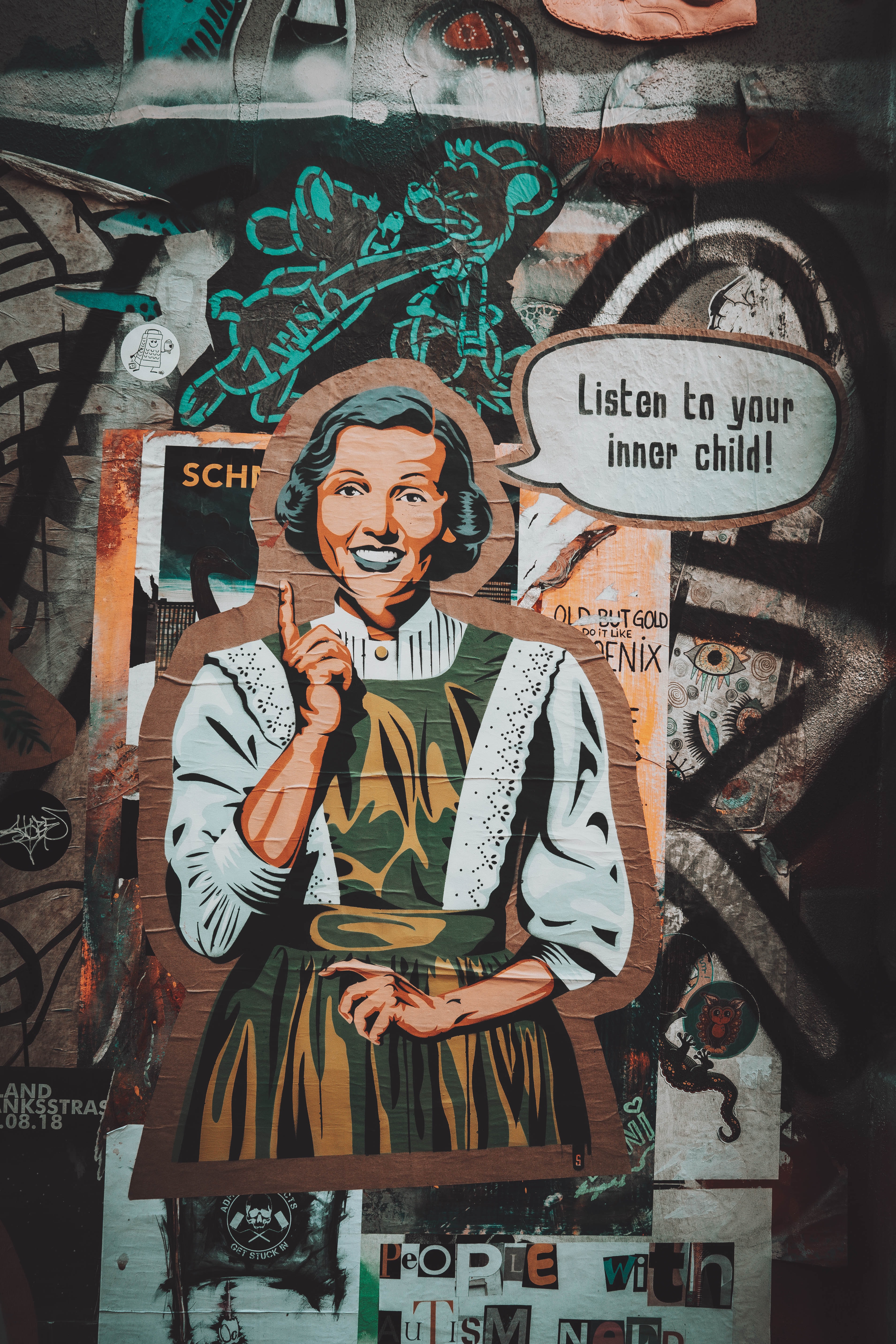
Seems to me like it’s free fiction Friday. Here’s a story from Josh Bales via Future Tense Fiction. I particularly liked the ending.
The shop was a three-story brown brick building on the north end of downtown. The pawls on her bike clicked slower as she pulled up in front of it. Block letters in faded gold paint proclaimed REVERTE REPAIRS on the front window. Beneath that, in smaller letters: WE FIX YOUR BROKEN THINGS.
* * *
Posted in Writing, tagged #365Ways, #365Ways2021, #adventure, creativity, Fiction, genre fiction, inspiration, technology, Writers, writing, yay on November 8, 2021| Leave a Comment »
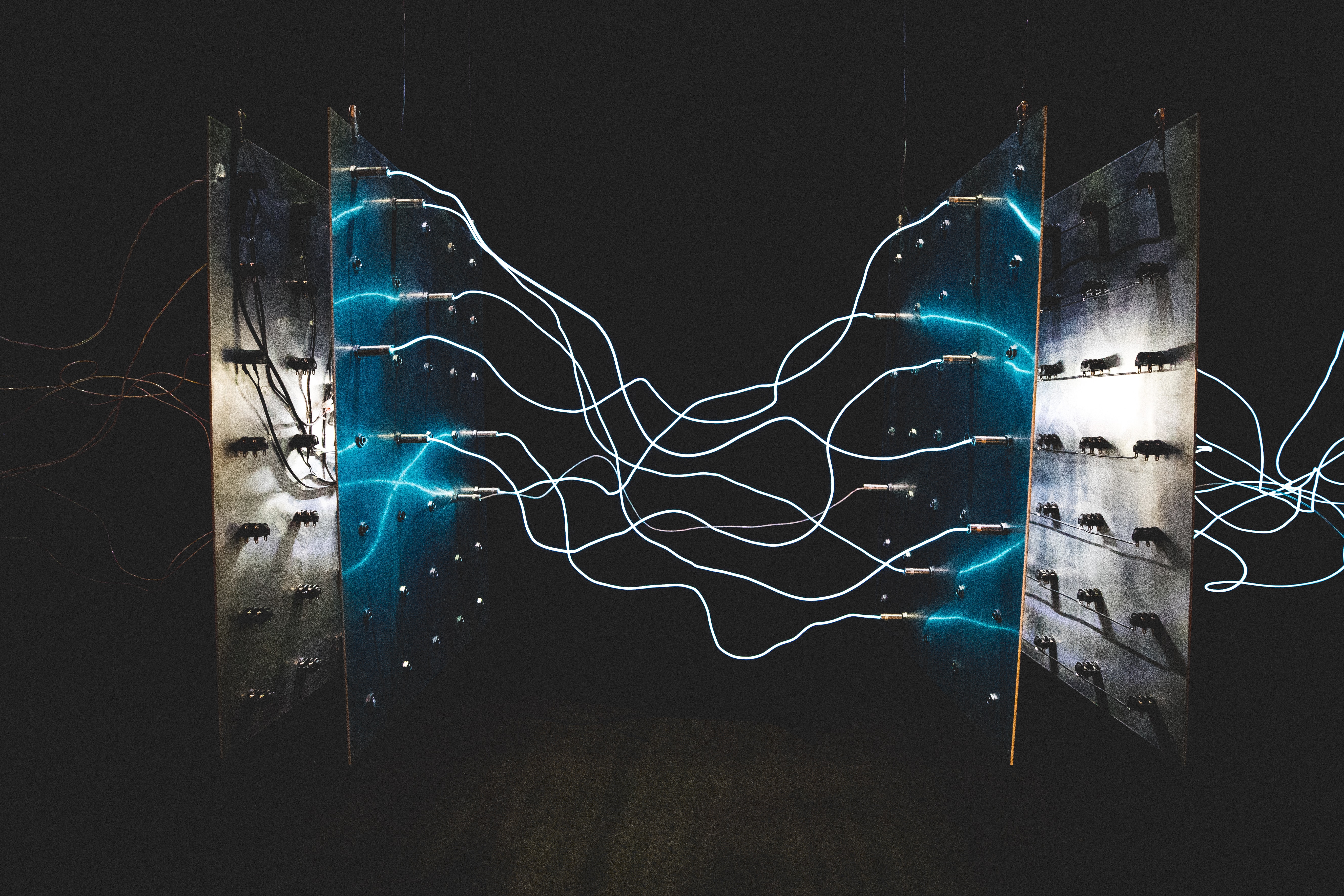
There are a lot of ways to tell a story. Out loud, on a screen, around a fire, on paper, you name it. And structure? Novels, plays, shorts, longs, movies, TV, take your pick, and new technologies mean new possibilities.
This Twitter-based choose your own adventure story is one fun example:
Metaverse Noir on Twitter: “START HERE” by Kathryn Yu
Would you like to know more? Here’s an article about the project.
There are so many ways to be creative, and it’s nice to be reminded that most limits are ones we put there ourselves:)
* * *

Posted in Writing, tagged #365Ways, #365Ways2021, #littlestuck, creativity, Fiction, genre fiction, nanowrimo, sff, Thoughts, Writers, writing on November 7, 2021| 1 Comment »
Hey hey, dispatch from the NaNo mines here, and I’m sorry to say that I may be a tiny bit stuck at the moment.
I don’t want you to think that my projects are always a breeze so full disclosure, we’re talking stuck as in deep underground trapped between a boulder leftover from the Pleistocene and a jagged hole leading onto a tiny ledge winding down into darkness, from which I can just hear a river rushing over the sound of war chants echoing through the uncharted cave system in which I find myself trapped for all eternity!
Ahem.
I keep starting and restarting my project, which is a problem I have sometimes. NaNoWriMo’s word count is a tool to get beyond that issue, but my goal for this month is not just writing but finishing. So yeah. It’s time for more thinking, prepping, checking to see how my favorite authors did it, reworking my whole premise, stalling doing.
The good news is that I’ve noticed there’s a problem and now I can fix it. Go me:)
There’s a light at the end of every tunnel, even if you have to turn around to see it.
* * *
Posted in Writing, tagged #365Ways, #365Ways2021, creativity, inspiration, Thoughts, Writers, writing on November 6, 2021| Leave a Comment »
We got up super early and yet somehow the morning is almost gone. Lots to do today including NaNoWriMo, so here’s another obvious yet still useful quote!
Everything worth doing is hard.
— Wil Wheaton
* * *

Posted in Likes, Writing, tagged #365Ways, #365Ways2021, inspiration, Motivation, Thoughts, time travel, writing on November 4, 2021| 4 Comments »
Some of what I do in this blog is about leaving notes to myself, because I want to remember a recipe or an idea or an event.
Don’t have a blog? Continually misplace your diary? Wish Post-It notes were harder to lose? Want to give Future You a pep talk or notes on a brilliant idea or the memory of the most beautiful thing that happened to you today or a reminder of why you should stick with that challenging long-term goal?
You’re in luck.
FutureMe: Write a Letter to your Future Self
Does what it says on the box.
Decide what you want to write, when to send the letter and whether to make it public or keep it private. I sent myself a little NaNoWriMo encouragement for next year. Not sure what to say? Check out some of these public letters.
Is this time travel? No, but it’s the closest thing we have at the moment so I’m making the most of it!
* * *
Posted in Writing, tagged #365Ways, #365Ways2021, #NaNoFinMo, creativity, Fiction, finishing, genre fiction, inspiration, nanowrimo, sff, Thoughts, writing, yay on November 3, 2021| 2 Comments »
I like NaNoWriMo for a lot of reasons. It provides a useful set of constraints, a deadline, and a global group of fellow travelers with which to share the journey. It’s also completely bonkers, in a good way. I remember the sheer sense of glee when I realized that I could actually produce that many words in that short a time.
First question: Can I churn out 50,000 words in a month? Yes, yes I can. Go me.*
Next question, and one that most NaNo participants come up against as the first flush of success fades: Do those words mean anything? Are they useful?
In my case, and no surprise here, the first draft was not 100% terrible but certainly needed work. Writing to a tight deadline with a high word count left me, at least, with the sort of prose I don’t usually write in fiction.
That part of NaNoWriMo wasn’t as helpful to me. This year, I’m rewriting the rules.
So this November I’m being a bit of a NaNo radical. Word count is not my focus. I’ve chosen one story idea and will work on it until it’s done. That’s it.**
The end:)
* * *
* * *
* I bet you could do it too. Need a pep talk? Check out the NaNoWriMo archives.
** I may or may not also be participating in an imaginary mentorship program with Ilona Andrews. Because what good is imagination if it can’t take you where you want to go?


You must be logged in to post a comment.