— I had a little over a cup of cream so the rest was milk.
— For flavor, I used a touch of vanilla, about a dozen green cardamom pods, with a stick of cinnamon and some ground when the stick wasn’t steeping fast enough.
— I started with a handful of the most beautiful lemon balm from the garden, but the flavor wasn’t strong enough for this so I strained it out and opted for lemon curd, which I’ll add to the base mix as it whips and freezes.
* * *
Today is lemon curd day.
Here’s my recipe. I don’t remember where I found it, but it’s been very reliable for me, plus no tedious double-boiler. And the pre-mixing means that I’ve never had to strain it to remove clumps.
Lemon Curd
— makes ~500g / 2C
Ingredients:
85g / 6T butter, softened
200g / 1C sugar
2 eggs
2 egg yolks
163g / 2/3C lemon juice
1t. lemon zest (optional, I find it’s too chewy/waxy and skip it)
Instructions:
beat the butter and sugar together
add eggs and yolks, mix
add juice, mix
cook over low to medium heat, stirring frequently until smooth and thick, coating the back of a spoon without dripping (~10-15 minutes or 170*F). Do not boil.
Notes: I toasted the sugar briefly in the pan and then accidentally melted the butter, but it worked out fine. I also ran out of regular lemon juice and had to use Meyer lemons, but adding a little citric acid boosted the flavor to “Tang Factor: Ideal.” Which is not a thing. But should be.
* * *
Tomorrow, we’re testing out a borrowed KitchenAid ice cream attachment. The owners of said attachment made some delicious vanilla ice cream with it, so any failures will be on us.
I love good writing. And humor. And science fiction. And epistolary fiction, because telling stories through letters is fun. Imagine how happy I was when I found this short story* combining all of the above:
To be clear: I am busy. For at least the next two years. Because getting to do research in the super-techy lab requires a doctorate these days, an obscene pile of peer-reviewed publications, and the networking abilities of a ninja. I am busy with those things. Namely finishing the doctorate. Thwarting an alien invasion? Not on my to-do list.
So that thing where I came to the lab this morning to find your phosphorescent eggs floating in alien amniotic fluid in the vacuum chamber? Not cool.
— Sam F. Weiss
* For the young or those with delicate sensibilities, this piece contains swearing. Like, a lot. To be fair, I’d say it’s warranted. Grad school, you know. And oh yes, also aliens.
Do all the other things, the ambitious things — travel, get rich, get famous, innovate, lead, fall in love, make and lose fortunes, swim naked in wild jungle rivers (after first having it tested for monkey poop) – but as you do, to the extent that you can, err in the direction of kindness.
Note: This post is long but both Ray Bradbury and Jane Austen make an appearance, so there’s that.
* * *
We keep a little pad of paper stuck to the side of the fridge to use as a grocery list. Every couple of weeks I get tired of crossing things out and trying to remember what we actually bought and what I only think we bought, and I start fresh. Yesterday I pulled the latest iteration of the list off the pad and turned to toss it in the recycling bin, when the back of the sheet caught my attention. It was blank.
Not a big surprise there, think of all the Post-its you’ve used one side of in the last decades. But! It struck me how much times have changed. Wealth is a continually moving target, and so are our measures of it.
I mean you’re warm in winter and cool in summer and can watch the World Series on TV. You can do anything in the world. You literally live better than Rockefeller. His unparalleled fortune couldn’t buy what we now take for granted, whether the field is—to name just a few—transportation, entertainment, communication or medical services. Rockefeller certainly had power and fame; he could not, however, live as well as my neighbors now do.
In the case of paper, we’ve got both more and better.
Once upon a time, people had to use both sides of the paper. Heck, once upon a time, people didn’t have paper, and after its invention it took centuries to become what we think of today: cheap, high quality, readily available, reliable information storage, bird cage liner, and paper plane in waiting.
Even after paper became widespread in the Western world, wood pulp paper was terrible. Like, sheets of nasty grey pulp held together with weird glues and chemicals that slowly (or not so slowly) destroyed itself.
“Unfortunately, early wood-based paper deteriorated as time passed, meaning that much of the output of newspapers and books from this period either has disintegrated or is in poor condition; some has been photographed or digitized (scanned). The acid nature of the paper, caused by the use of alum, produced what has been called a slow fire, slowly converting the paper to ash.”
Depending on the circumstances, writers also did their best to use every inch of a page. Part of that was the paper itself, and part was the cost of postage. (Insert obligatory statement of love for modern postal services here!)
Click through to see a letter from Jane Austen to her sister Cassandra using cross writing, designed to condense as much information as possible onto a given sheet:
A crossed letter written by Mrs. F. L. Bridgeman to Fanny West, December 15, 1837. Public domain, via Wikimedia Commons
* * *
It turns out that paper wasn’t quite as expensive as I’d thought, but the good stuff still wasn’t cheap.
Based on paper purchases by individuals from the 1570s to the 1640s, paper was “roughly a penny for six sheets… To put this in perspective, the average laborer making 6-12 pence a day could purchase up to 75 sheets of paper with a day’s wages. (Was early modern writing paper expensive? – The Collation)
Later, Regency-ish England did have additional duties that made quality paper, particularly in book-sized quantities, more expensive.
“The excise duty on paper was a frequent problem for all printers and publishers. The reorganisation of the duty in 1794, whereby it was charged by weight rather than ream, had the effect of making the burden heavier”
In researching this I came across a wealth of fascinating economic information. For example, what was one shilling worth in London during the mid-1700s? So many things!
Dinner in a steakhouse – beef, bread and beer, plus tip
Sign-on bonus for army recruitment: The king’s Shilling
Admission to Vauxhall Gardens
Admission to Ranelagh Gardens (although it could be as much as 2 guineas on masquerade nights)
A dish of beef at Vauxhall
1lb of perfumed soap
Postage of a one page letter from London to New York
How did we get here? Right, a grocery list, and my appreciation that so many of us now have access to things like affordable paper, postal service, and oh yes, literacy!
Busy day today, and none of the three ideas I had for this post came together. Instead, have some fiction, this time read to you by Levar Burton. (You know, the Jeopardy host, and oh yes, Roots and Star Trek and Reading Rainbow and a few other things as well;)
His podcast is Levar Burton Reads, and he picks some of the best speculative short* fiction out there. So when you have a few minutes, sit back, listen, and relax.
“Listen to the mustn’ts, child. Listen to the don’ts. Listen to the shouldn’ts, the impossibles, the won’ts. Listen to the never haves, then listen close to me… Anything can happen, child. Anything can be.”
It’s hot and sticky, I’m in the middle of several projects but have nothing finished, and I’m short on time because Mr. Man wants me to give him a haircut. What does that mean for this blog post and you, fair readers?
How about something fun and easy, with a bit of history thrown in? I give you the NHL’s oldest recorded footage of hockey:
This husband and wife team also have a number of other great books, all starring kick-ass women willing to go to any lengths to save what needs saving.
The writing is excellent, the plots fresh and unpredictable in the best ways, and the characters, even the bad ones, are complex and well-drawn. (The authors are particularly adept at helping readers understand, and at times forgive, even the darkest characters.)
What’s not to love?
* * *
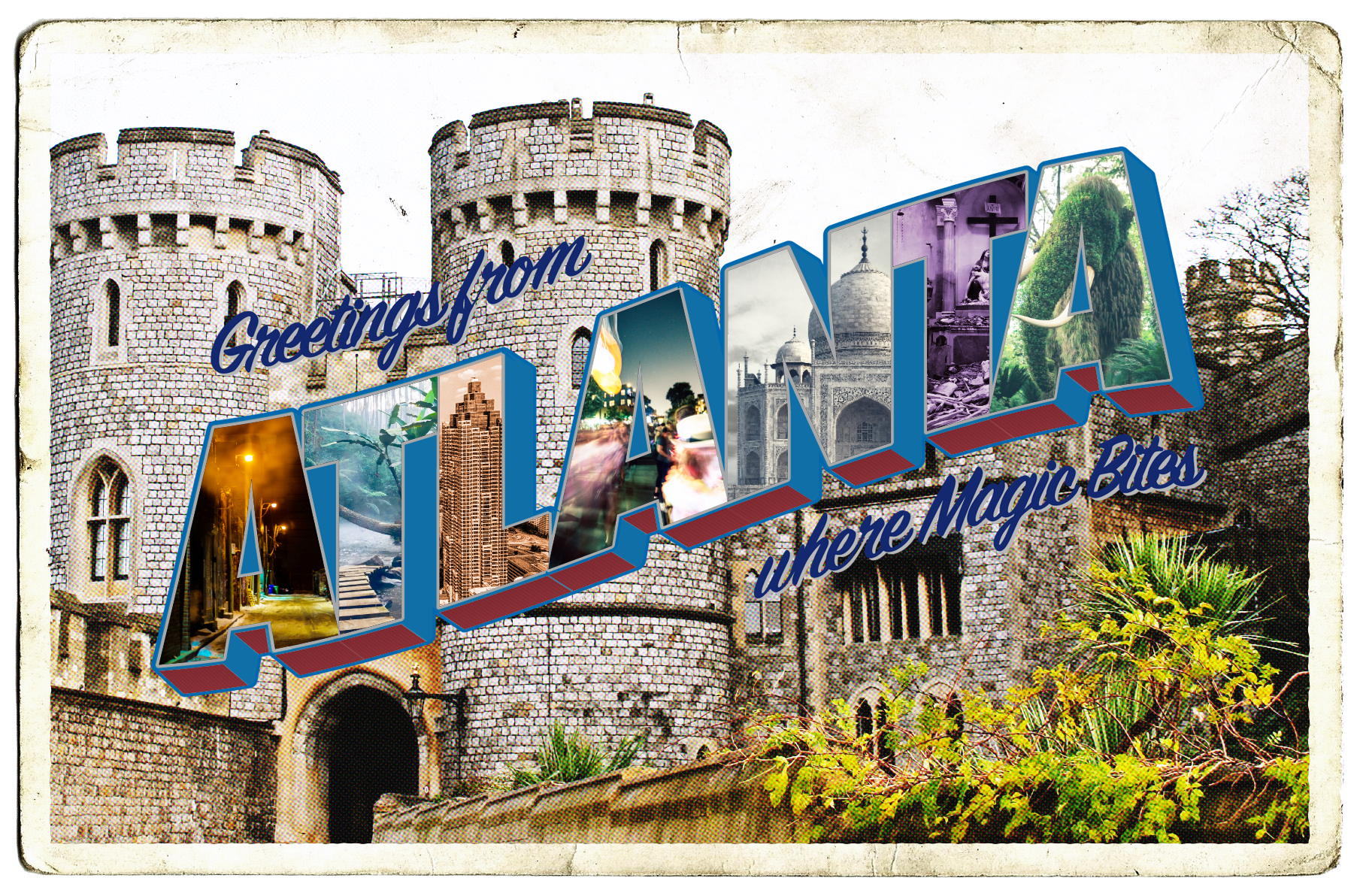
So when I decided it was time to learn how to make a vintage-style travel postcard, I thought of Atlanta. Not the vibrant city it is now, but as Kate sees it after magic returns to the world, complete with mysterious denizens, vampire Casinos, witch jungles, shapeshifter Keeps, ruins and one lone high rise.
It’s Tuesday and there’s a nasty storm coming (heavy rain and powerful winds with a potential side of hail and tornadoes, so that’s fun). Is it time to take a trip to the virtual used spaceship lot?
Who knew the Halo Pelican was almost the size of the Millennium Falcon? (Also, with apologies to Mr. Bezos and Sir Richard Charles Nicholas Branson, but yours are definitely not the biggest!).







You must be logged in to post a comment.