Everything has its beauty, but not everyone sees it.
— Andy Warhol
* * *

Posted in Other, tagged #365Ways, #365Ways2022, #longfreakingday, quotes, Thoughts on April 1, 2022| Leave a Comment »
Everything has its beauty, but not everyone sees it.
— Andy Warhol
* * *
Posted in Other, tagged #365Ways, #365Ways2022, Thoughts on March 30, 2022| Leave a Comment »
For today, a six-word commentary on the news that in-person negotiations with Russia are once again underway, and that Ukrainian negotiators have been warned not to eat, drink or touch anything.
Russian negotiators, awaiting your Zoom invite.
* * *
Posted in Food and..., Other, tagged #365Ways, #365Ways2022, chocolate, creativity, food, inspiration, Thoughts, work on March 29, 2022| Leave a Comment »
I spent a little time last night working out a new recipe for the mocha tofu pudding. What’s different? Double the espresso.
And am I using post-lunch dessert as an excuse to test the caffeine-fueled recipe results right now, on this busy busy Tuesday?
Why yes! Yes I am.
* * *

Posted in Other, tagged #365Ways, #365Ways2022, creativity, design, sim racing, Thoughts on March 27, 2022| 1 Comment »
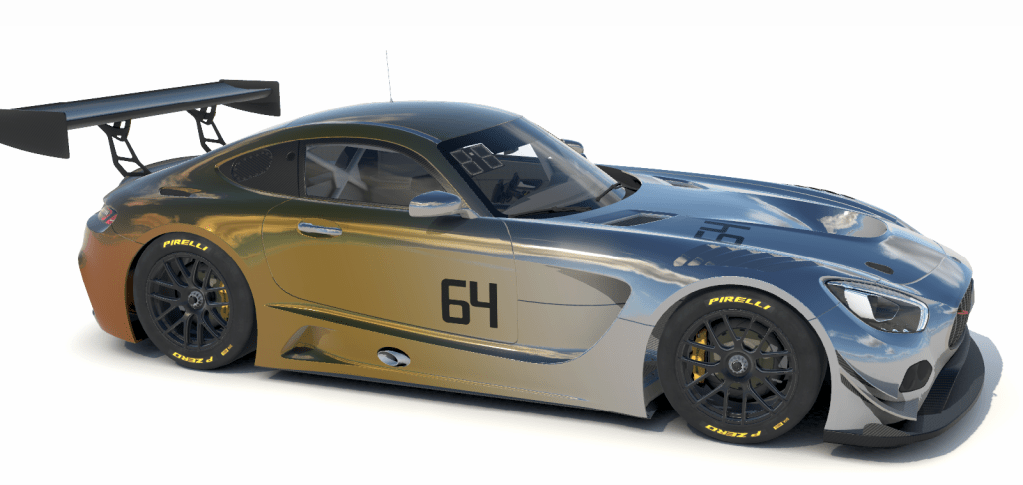
Slow: I’m learning a new kind of art, two dimensional design for three-dimensional objects, in this case digital race cars.
Fast: Watching actual cars in today’s F1 race.*
* * *
I’ve always liked speed. I had motorcycles once upon a time and my favorite part of any plane ride is still the acceleration on take-off. That said, I really don’t like crashing.
Digital art is a fun, non-contact way to learn new approaches to design. I spent a lot of time today working on a new technique for metallic paint surfaces. Here’s my current favorite outfit for my virtual car.
Looks fast, I think:)
* * *
* Still Team Hamilton!
Posted in Other, tagged #365Ways, #365Ways2022, loss, Thoughts on March 26, 2022| 1 Comment »
“His grief he will not forget; but it will not darken his heart, it will teach him wisdom.”
― J.R.R. Tolkien
* * *

Posted in Other, tagged #365Ways, #365Ways2022, appliances, home, technology, Thoughts on March 24, 2022| Leave a Comment »
I managed to spend the whole day learning things, yay, but nothing that’s ready to share right now. I did do a load of dishes in the new dishwasher. If you (like me) have wondered what exactly goes on in there, this video is for you.
* * *

Posted in Other, tagged #365Ways, #365Ways2022, #Ukraine, creativity, emotion, inspiration, music, Thoughts on March 20, 2022| Leave a Comment »
I am partial to the written word, of course, but there are times when words can fail us. That’s where music comes in.
Ukrainian violinist Illia Bondarenko made a recording of himself playing in a shelter in Kyiv. Since posting, he has been joined by musicians around the world…
* * *
Do you play? You can join in by downloading the score and making your own recording:
Violinists Support Ukraine – Participate
* * *

Posted in Other, tagged #365Ways, #365Ways2022, Tuesdays, yay on March 15, 2022| Leave a Comment »
The bad news is that it’s Tuesday. The good news is that despite pandemic shortages and broken-down delivery trucks, the new dishwasher should arrive later today.
I’ll take that as a win!
* * *

Posted in Other, tagged #365Ways, #365Ways2022, #Ukraine, inspiration, Thoughts, Writers on March 11, 2022| Leave a Comment »
“It is not our part to master all the tides of the world, but to do what is in us for the succour of those years wherein we are set, uprooting the evil in the fields that we know, so that those who live after may have clean earth to till.”
― J.R.R. Tolkien, The Return of the King
* * *

Posted in Other, tagged #365Ways, #365Ways2022, #theyreallydontmakethemliketheyusedto, home, Thoughts on March 9, 2022| Leave a Comment »
You were bright, quick, clean
But now you sleep the long sleep
Our first dishwasher.
* * *


You must be logged in to post a comment.