“Look up at the stars and not down at your feet. Try to make sense of what you see, and wonder about what makes the universe exist. Be curious.”
— Stephen Hawking
* * *

Posted in Writing, tagged #365Ways, #365Ways2024, creativity, inspiration, Thoughts, Writers on September 15, 2024| Leave a Comment »
“Look up at the stars and not down at your feet. Try to make sense of what you see, and wonder about what makes the universe exist. Be curious.”
— Stephen Hawking
* * *
Posted in Other, tagged #365Ways, #365Ways2024, creativity, quotes, Thoughts, Writers, writing on September 5, 2024| Leave a Comment »
“Keep your face always toward the sunshine—and shadows will fall behind you.”
— Walt Whitman
* * *

Posted in Science!, tagged #365Ways, #365Ways2024, comics, communication, creativity, science on September 3, 2024| Leave a Comment »
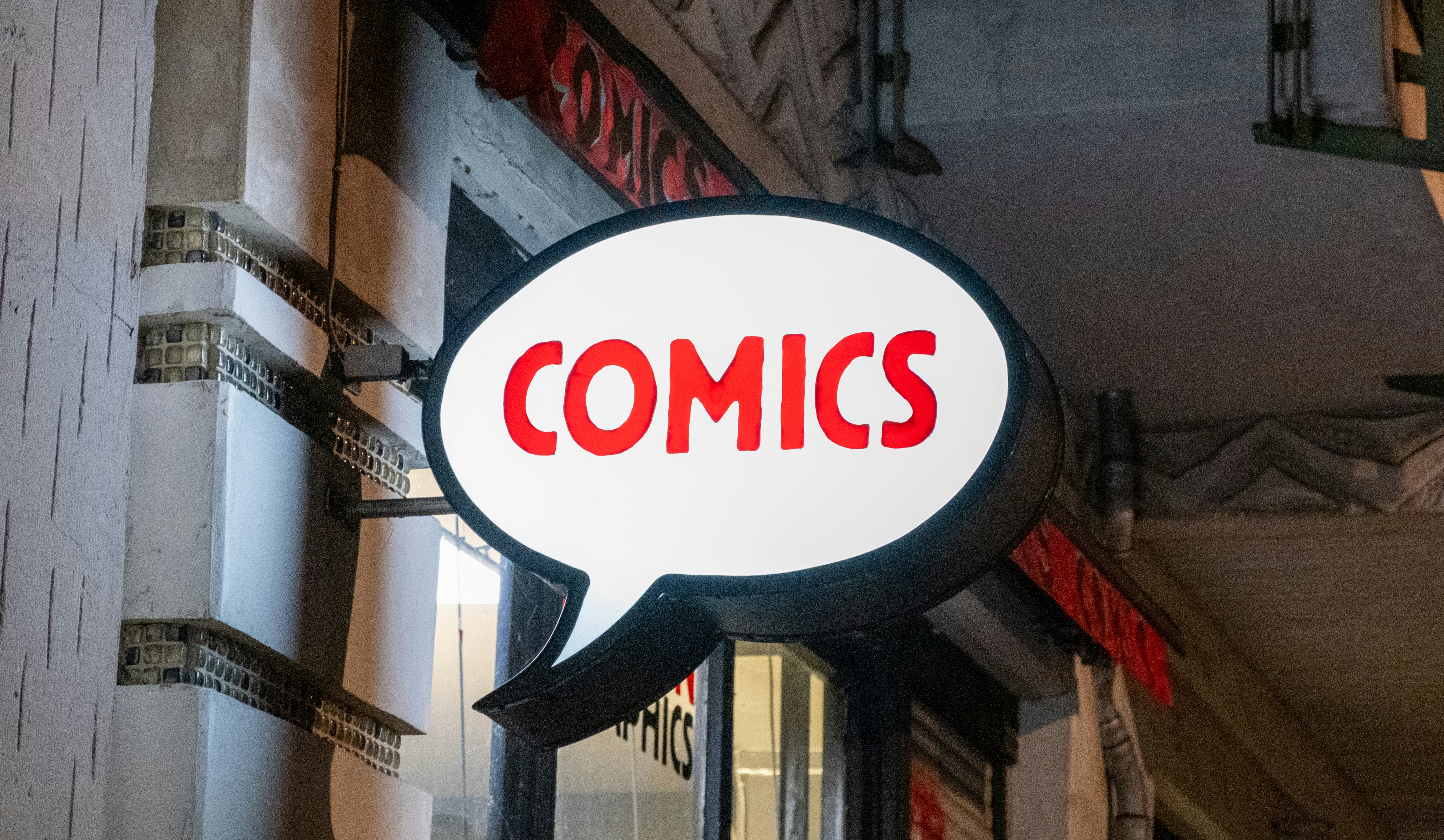
It’s Tuesday (ugh) and it’s practically a Monday thanks to the holiday weekend and I’ve been thinking about Nature thanks to our recent museum visit, so let’s get a little weird, shall we?
Welcome to the University of Glasgow’s Wellcome Centre for Integrative Parasitology!
What’s this, you may ask? A serious science center (excuse me, centre) with a public engagement arm so dedicated and creative that they turned parasites into a comic book? And when the first issue became a surprise hit, went on to produce a five-part series about some of the world’s most impactful parasites?
Yes, that is exactly what I’m saying.
You’re wellcome.*
* Heh, see what I did there. Yeaahhh, because it’s that kind of day:)
* * *
Posted in Writing, tagged #365Ways, #365Ways2024, art, creativity, inspiration, itch reflex, NASA, persistence, the world-changing powers of caffeine, Thoughts, Writers, writing on September 1, 2024| Leave a Comment »
Posted in Writing, tagged #365Ways, #365Ways2024, creativity, first drafts, genre fiction, inspiration, quotes, Thoughts, Writers, writing on August 30, 2024| Leave a Comment »
“This afternoon, burn down the house. Tomorrow, pour critical water upon the simmering coals. Time enough to think and cut and rewrite tomorrow. But today-explode-fly-apart-disintegrate! The other six or seven drafts are going to be pure torture. So why not enjoy the first draft, in the hope that your joy will seek and find others in the world who, by reading your story, will catch fire, too?”
— Ray Bradbury
* * *

Posted in Writing, tagged #365Ways, #365Ways2024, creativity, genre fiction, inspiration, Thoughts, Writers, writing on August 29, 2024| Leave a Comment »
I’m toying with an idea and I can’t decide if it’s crazy or cool. Here’s a peek inside my head:
“Hey self, maybe we should try something a little bonkers.”
“Why not? Sounds fun. What do you have in mind?”
“What about writing a bunch of drabbles?”
“One-hundred word stories? We do that all the time, so sure.”
“What about writing a hundred drabbles?”
“A hundred? As in, One hundred? 100? Ten times ten? Roman numeral C?”
“Yep. Because numerical symmetry. One hundred hundred word stories.”
“I know you like challenging goals but that’s completely bonkers.”
“Yeah?”
“Absolutely. Also… pretty cool, actually. Hmm.”
So there you have it, my current writing target dilemma. A project like this would be a fun challenge but the real question is whether it would help my writing or distract me from larger projects.
What do you think, is this idea too much or not enough? Crazy? Cool? Bit of both?
* * *
Posted in Other, tagged #365Ways, #365Ways2024, creativity, invention, Thoughts on August 28, 2024| Leave a Comment »
Surely, surely, there must be a better way to mammogram.
Imagine, if you will, a world in which we have all of the current tools and science we have now, but no system to create detailed imagery of mammary tissue. There is an obvious need for such a thing, but how would you do it?
Would you create the medical equivalent of a panini press? I bet you would not!
Seriously, though, it’s like the Dark Ages. We can do better.
* * *

Posted in Writing, tagged #365Ways, #365Ways2024, creativity, persistence, Thoughts, Writers, writing on August 26, 2024| Leave a Comment »
“Talent is helpful in writing, but guts are absolutely essential.”
― Jessamyn West
You’ve got this.
* * *
Posted in Holidays, tagged #365Ways, #365Ways2024, creativity, Thoughts, Writers, writing on August 24, 2024| Leave a Comment »
A quick programming note: Mr Man and I have a little time off and we’re hoping to have some fun and be a bit spontaneous with our scheduling. In service of that goal, it’s time for a short series of posts featuring quotes! And pretty pictures!
“What and how much had I lost by trying to do only what was expected of me instead of what I myself had wished to do?”
― Ralph Ellison
No matter where you are or what you do, I hope you can take a moment to enjoy these last days of summer.
* * *

Posted in Other, Science!, tagged #365Ways, #365Ways2024, creativity, science, Thoughts on August 23, 2024| Leave a Comment »
Here’s an interesting puzzle: How Do You Send a Warning 1,000 Years into the Future? – Now I Know
Think back to what the Earth was like a thousand years ago — the year 1,015. Almost everything would be foreign to modern eyes and ears — even the language would be incomprehensible. For all intents and purposes, humanity from a millennium ago may as well be an alien species (culturally, at least) with similar DNA, which simply happens to have lived on the same planet we do now.
How do we communicate with people so far removed from our own language, culture, and assumptions? It’s a great question, whether you’re thinking about the safest approach to nuclear waste disposal or contacting aliens.
In order to keep the people of the future safe from the radioactive goop created today, we need a way to tell them to watch out. And more likely than not, very few aspects of today’s society will be around to do that. Even a sign warning travelers of potential dangers would be insufficient — who among us could translate runes from the Middle Ages?
(My mom, that’s who, but point taken.)
What particularly interests me about these proposed solutions (an Atomic Priesthood dedicated to perpetuating knowledge through myth? color-changing cats?!) is that they seem to have skipped over the most obvious approach. How to conjure the fear of death, to warn people away, and to alert the future not to what is there, but what will happen if it is disturbed?*
This is a plague panel from the early 17th century. If you saw this on a house, would you go in or turn and run the other way?

In the end, the U.S. Department of Energy plan opted to go with warning signs in multiple languages illustrated with images of people in pain. Still, I wondered, what’s wrong with the classics?
Another odd writer thought, brought to you by an odd writer.
* Also, the real problem seems to be the gap between exposure and untimely demise. If you break into a tomb and die immediately, that sends a pretty strong message. And no one has to tell people not to build on an active lava flow, but a peaceful-looking mountain with fertile soil close to the bustling port of Naples and the dynamic town of Pompeii (circa 78 AD)? What’s not to like?
* * *





You must be logged in to post a comment.