The good news is that there is a lot of up and coming fiction addressing issues of climate, change, and the environment. (The bad news is that we need it.)
Grist/Fix: Solutions Lab has a new climate fiction issue out, with discussions about the role of fiction in fixing reality and a dozen new stories from their “Imagine 2200: Climate Fiction for Future Ancestors” short story contest to get us started.
“I decided that I wanted to live my hobbit life to the fullest… I wanted people to enter my mind, my fantasy. Many make fun of us. Some think I am trying to escape from reality. Far from it. I am living my dream, my adventure.”
It’s good to see at least some progress on long-overdue Indigenous issues, but it also raises a question. How do we deal with difficult topics? Expression, sharing, recognition, and dialog are constructive options, and art plays a fundamental role in each of these elements.
This article interviews Indigenous creators, about their art and their thoughts on reconciliation, and also includes links to their work. I particularly like this quote from Inuk singer-songwriter and filmmaker Elisapie:
“Like I always say, this is our story. But this is definitely your story, too. So get on with it and discuss and face those uncomfortable questions and try to find the answers, too, right?”
* * *
I also like this quote from Murray Sinclair:
“I did say … at the end of the TRC report that we will not achieve reconciliation in my lifetime. We will probably not achieve it in the lifetime of my children. We may not even achieve it in the lifetime of my grandchildren,” Sinclair, a former senator and chief commissioner of the Truth and Reconciliation Commission (TRC), told Unreserved host Rosanna Deerchild.
“But if we make a concerted effort … then eventually we will be able, some day, to wake up and, to our surprise, find that we are treating each other in a way that was intended when contact was first made.”
I recently finished a book that should have checked all my boxes, but in the end… didn’t. The characters started off interesting but came down with a case of the stupids and never fully recovered.* The characters also spent most of their time floating around like bobbers on an unbaited line. When they eventually found their purpose it was too late, and the book finished before actually ending.
When a story is like that I find my mind stays twisted up in it, fidgeting with its edges, trying to work out how it should have fit together rather than how it did. Like a jumbled Rubik’s Cube made of words. A stream flowing in the wrong direction. Or an itch I can’t scratch.
Sometimes that itch gets to the point where I find I have to Do Something about it.
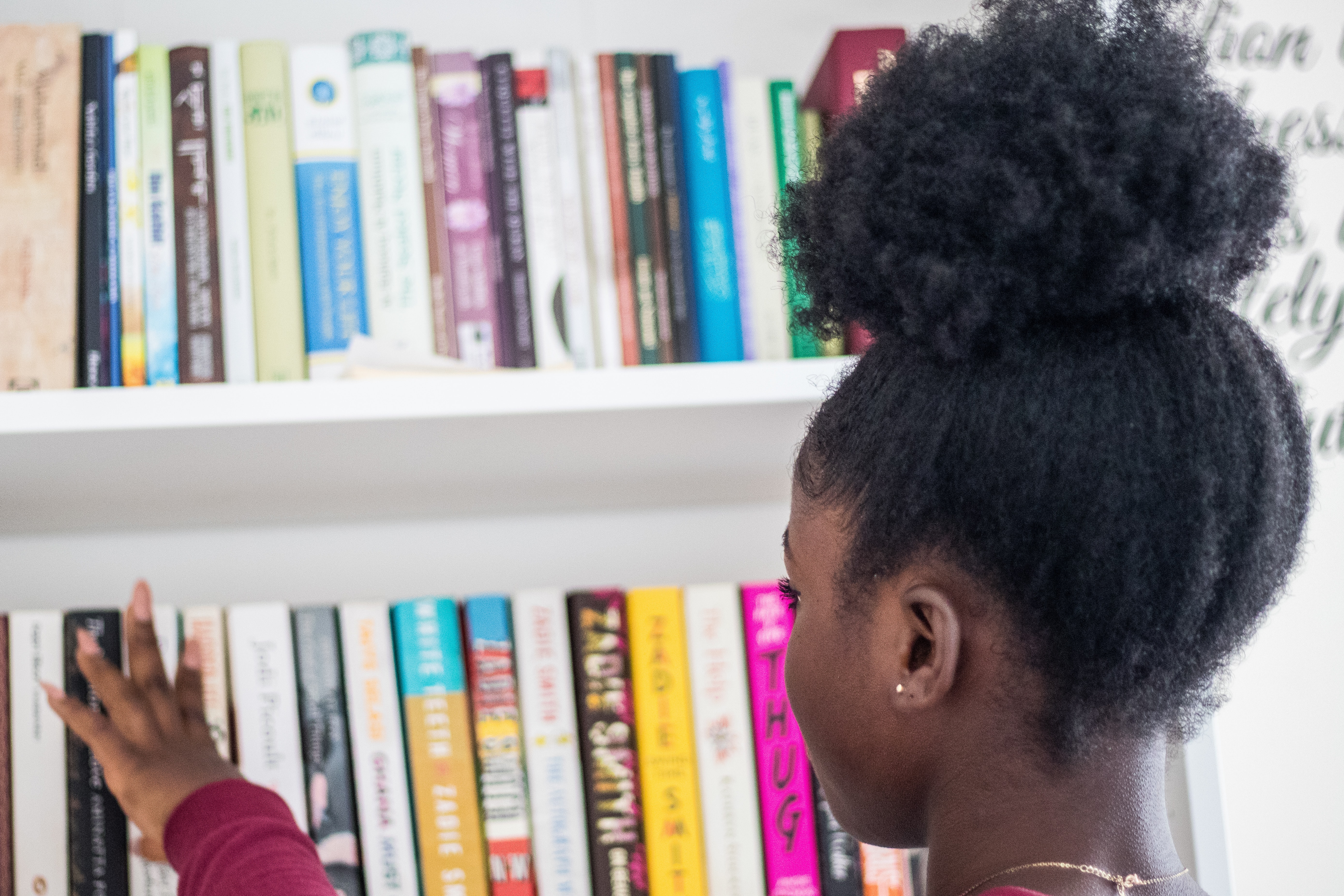
Once upon a time I read a British coming-of-age novel called I Capture the Castle by Dodie Smith. I remember it as charming and it mostly worked for me, at least until the end. I finished the book and thought, “Nope, I’m afraid that won’t do.” And as an exercise for the annoyed problem-solver at the back of my mind, I rewrote the final chapters.
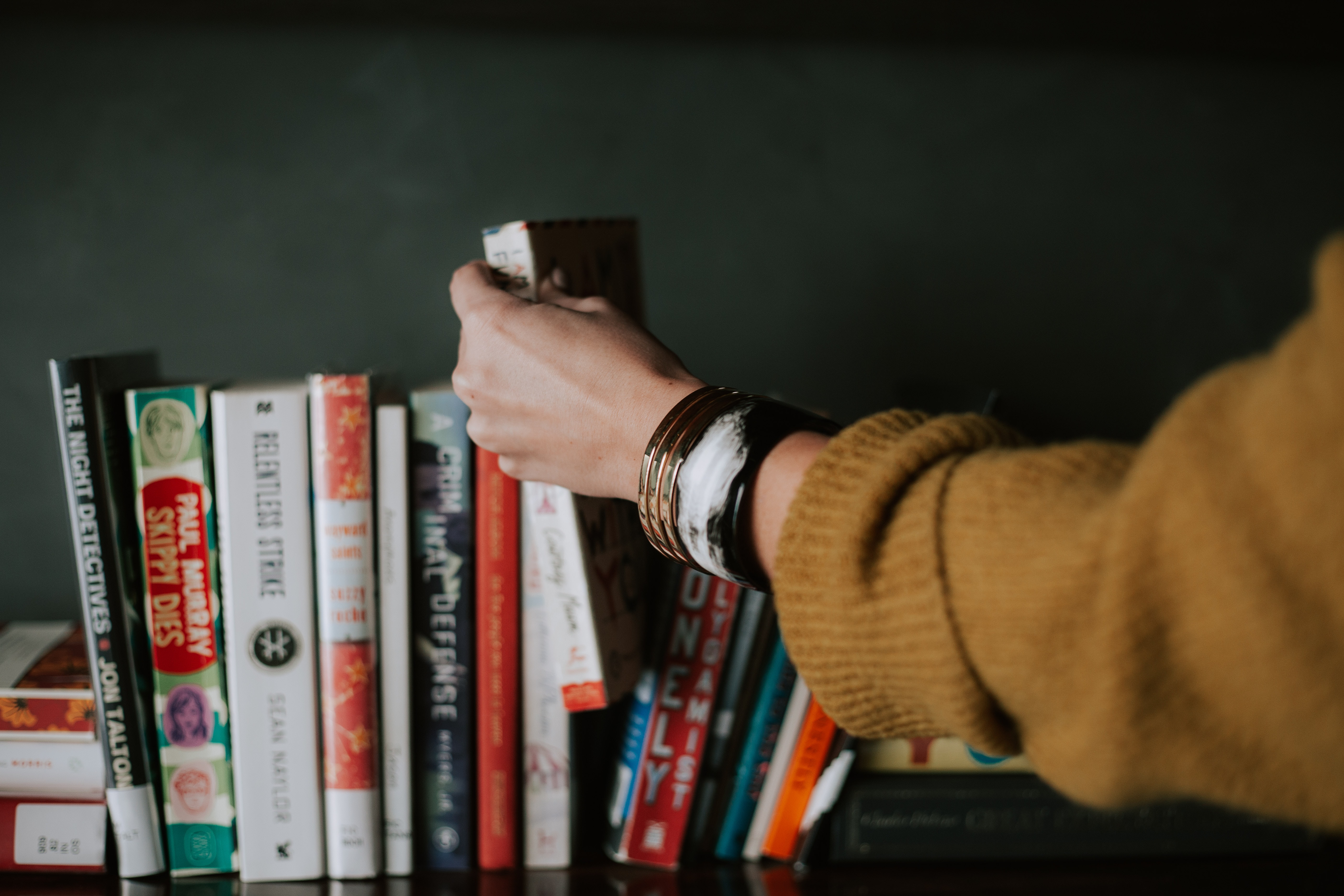
I moved a stack of Jim Butcher books yesterday and happened upon that new ending. It now sits on my bookshelf next to the original book.
I bound everything in gold-stamped cover stock and ribbon that year.
Sometimes what you need is to step back and think, “This little piece of the world could be better.” And then work to make it so.
* This is, of course, just my opinion. At some point you may read the same book and think, “That was the most brilliant and lyrical story ever.” That’s cool too.
For those of us in the Northern Hemisphere, today is the Autumnal Equinox. I’ll miss the sun and sandals and the color green, but think of what we get in return: bright leaves, harvest time, crisp blue skies, walks in the woods, evenings with books and hot chocolate by the fire.
(And it’s not like we have a choice so we might as well make the most of it;)
One of our neighbors has a decades-old grape vine that is both enthusiastic and agile, and it has branched out to surround our shared yards, three fences, and at least two trees. It is also a prolific producer of grapes. Wildlife like them, but sometimes too much. Last year we were a hit with wasps, which I could have done without.
I should have used a higher grape-to-water ratio, but didn’t want to waste the fruit if the recipe was a dud. The juice is just about sweet enough to drink straight and tastes of minerals and a fall afternoon. I suspect these grapes would make fantastic wine.
Have I discovered one of the long-lost vines behind the prized vintages of the Elven Court in Exile?
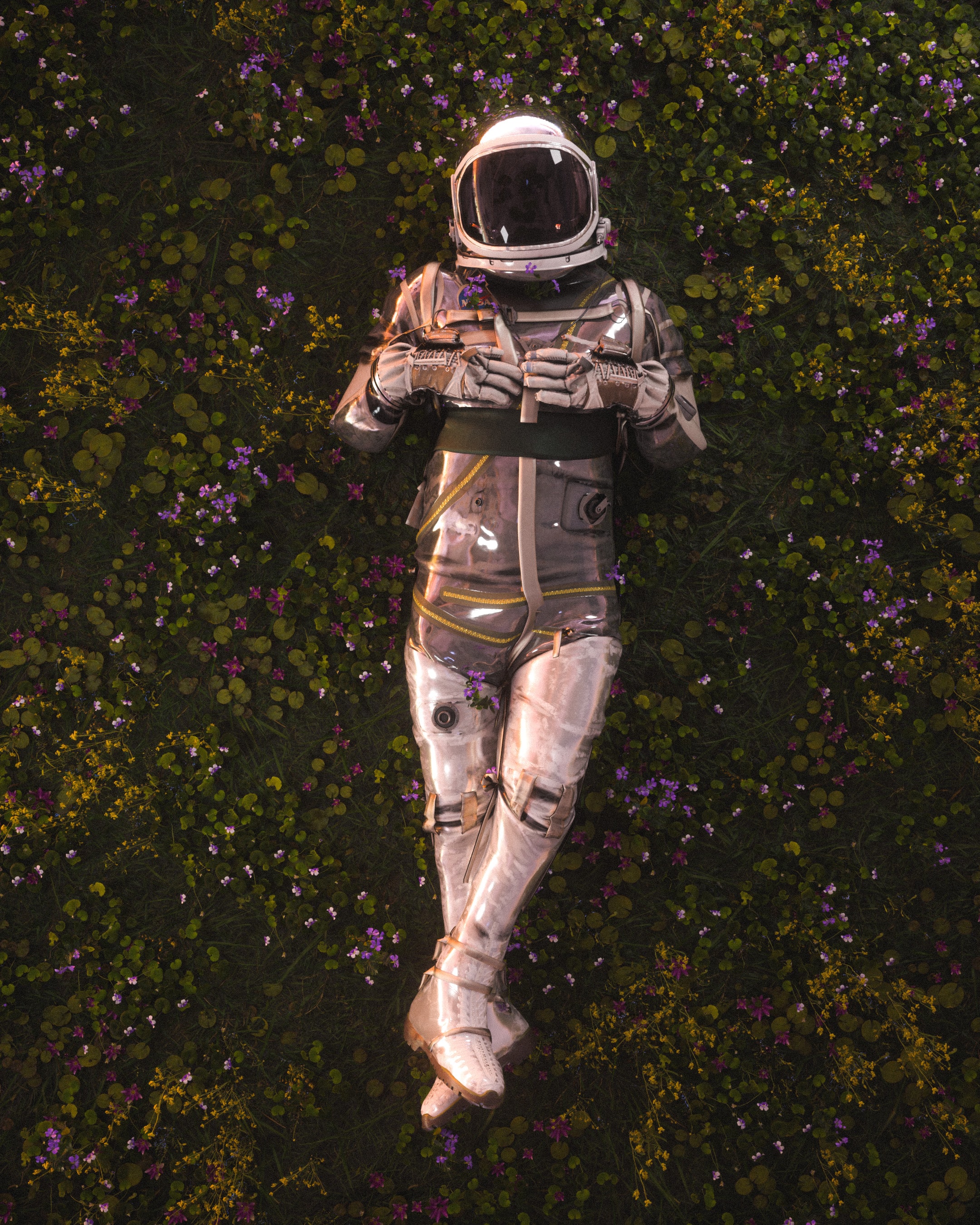
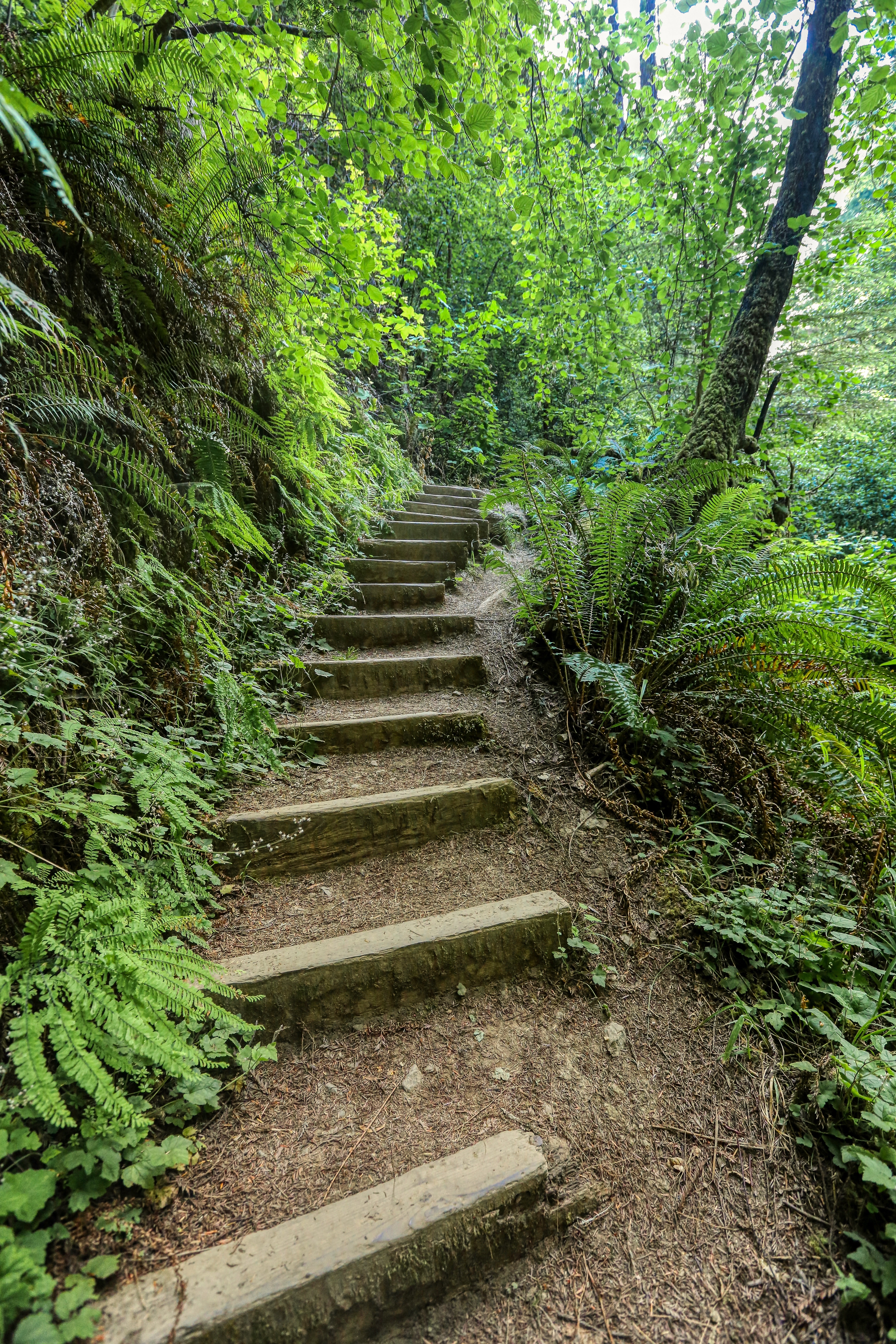
I’m having fun crossing things off my list, like juicing my backyard grapes and mowing. I also spent some time with a compositing tutorial, and made this image as a reminder that the world is often deeper and more astonishing than meets the eye.
You must be logged in to post a comment.