So, what’s the difference between asteroids, comets, and meteors? Well, asteroids are rocky, comets are icy, and meteors are much smaller and are the shooting stars that you see up in the sky.
…the 17th annual Space Telescope Advent Calendar, featuring remarkable images from both NASA’s Hubble telescope and James Webb Space Telescope. Every day until Wednesday, December 25, this page will present a new, incredible image of our universe from one of these two telescopes. Be sure to come back every day until Christmas…
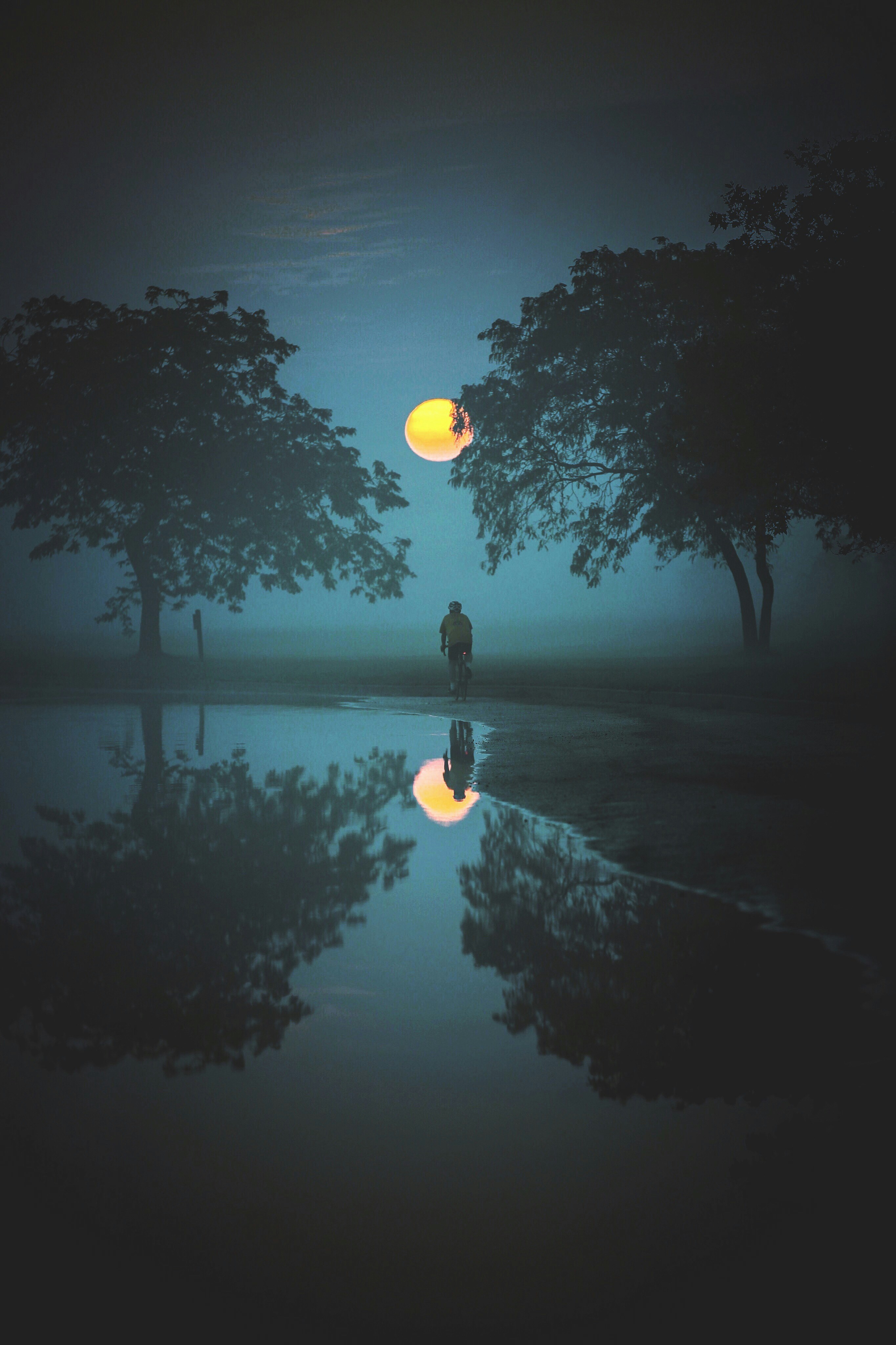
This weekend marks the final supermoon in what has been a months-long fall cycle of supermoons. If you have a chance to look up, you can see the moon’s super hurrah for the year before its orbit takes it farther away from us.
Here’s NASA’s quick explanation for the supermoon, when the moon is closest to us, and its inverse, the micromoon.
The next full supermoon will be on November 5, 2025. Until then, a micropoem.
What’s on the roster? Another supermoon, a partial lunar eclipse, Saturn doing its ring thing, and something called International Observe the Moon Night, plus more more more.
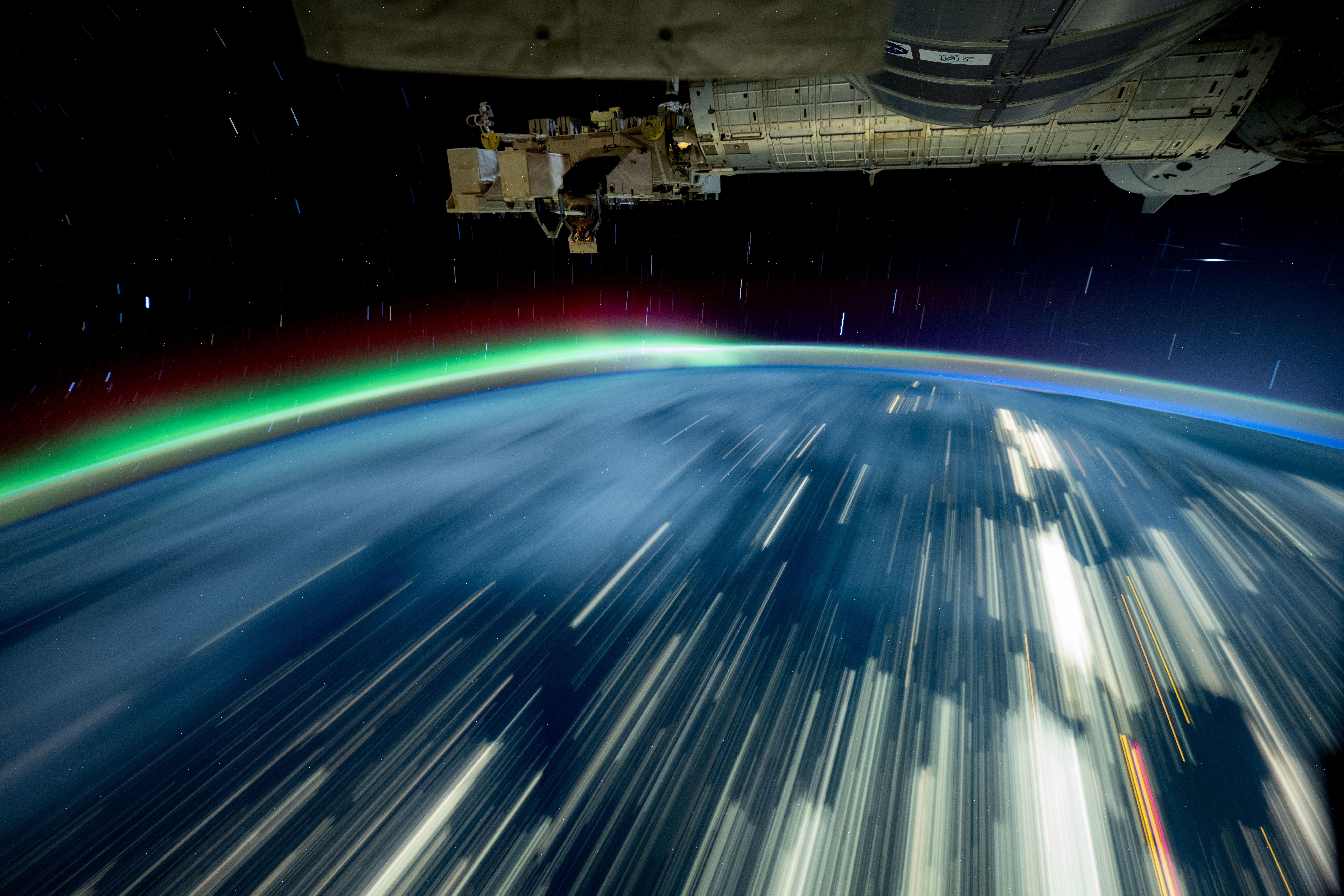
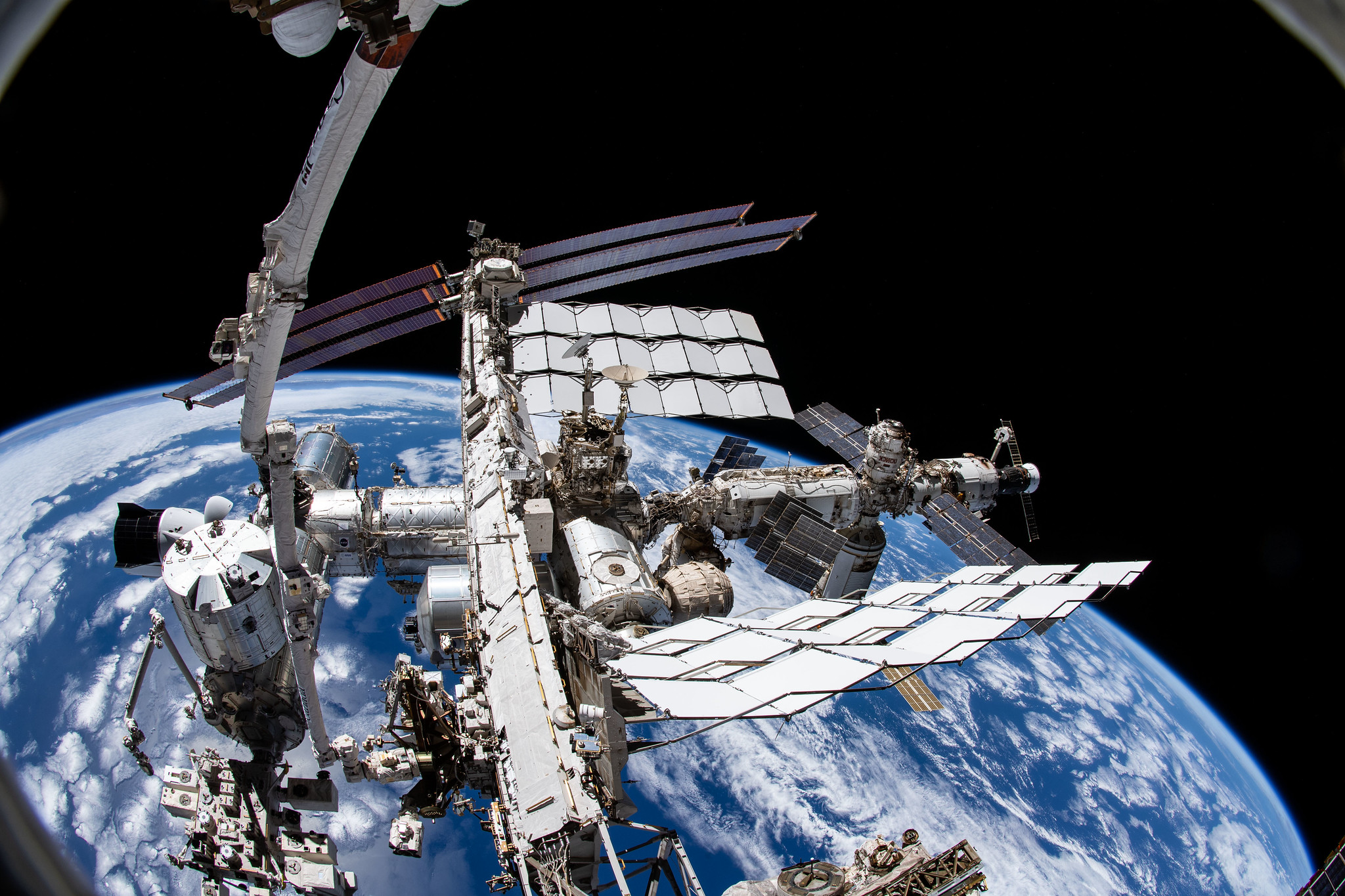
The folder where I keep post ideas is filling up with space stories. Many of them are about Mars, but let’s start with something a little closer to home and go more than 250 miles above Earth to the International Space Station.
NASA’s site has lots of info and fun facts like these.
Did you know that the ISS has been continuously occupied since November 2000? That you can track its position live? Or that the station’s live/work space is larger than a six-bedroom house?
View from NASA spacewalker Thomas Marshburn’s camera via Flickr
Sounds like the place is downright homey. And that’s a good thing, as Butch Wilmore and Suni Williams, the two astronauts who have been stuck at the ISS due to problems with Boeing’s Starliner spacecraft, will no doubt attest.
Williams’ and Wilmore’s short stay may now not be over until February—stretching an eight-day mission to an eight-month one….
Initially, they were to spend most of their eight days aloft working in the Starliner—checking its communications, life support, power, and other systems. But they long since finished up that checklist and have instead been assisting the rest of the crew with science experiments and maintenance chores, including such unglamorous work as repairing a urine processing pump.
That sounds super fun (actually, it kind of does), but it’s not all work up there. Are they staring out the viewport at Earth, pointing out their house sixteen times a day? Competing in the Space Olympics? (Not a thing, as far as I know, but astronauts do have to exercise two hours a day to maintain muscle mass and general health.) Have they used their spare time to compose a space-themed version of the Gilligan’s Island theme song? (Did I ask AI to do this? Maaaaaybe. But if I did, it wasn’t very good.)
Speaking of television, perhaps they’re catching up on their favorite shows. Did you know that astronauts can binge-watch just like the rest of us?
There are, of course, space-themed shows like Hulu’s The First with Sean Penn from 2018, the critically acclaimed alt-history drama For All Mankind, and the Trump-era comedy Space Force. Other new series include Book of Bobba Fett, The Crown, and the cooking show Chopped. Other sci-fi series include Andor, Star Trek Discovery, Firefly, and Battlestar Galactica.
If you are anywhere near the path of totality for the big event on Monday, April 8th, are you eclipse ready? I will argue that one of the most important parts of such prep is to ensure that you have a plan for safe eclipse viewing. This article may be of help:
Legitimate eclipse glasses are at least 1,000 times darker than the darkest sunglasses you can buy….
While lab tests are the best way to determine whether glasses meet the ISO standard, Fienberg says there is a three-part test people can do at home if they’re concerned their eclipse viewers aren’t up to the task.
First, put your glasses on indoors and look around. The only things you should be able to see are very bright lights, such as a halogen bulb or a smartphone flashlight.
Then, if the glasses pass the indoor test, bring them outside—but don’t look at the sun just yet. Look around: it should be too dark to see distant hills, trees or even the ground.
If that second test is passed, keep the glasses on and quickly glance at the sun. You should comfortably see a bright, sharp-edged round disk. If your glasses pass all three tests, they are probably safe to wear. Still, Fienberg points out that it’s best to use them for only a few seconds every minute or so during the eclipse…
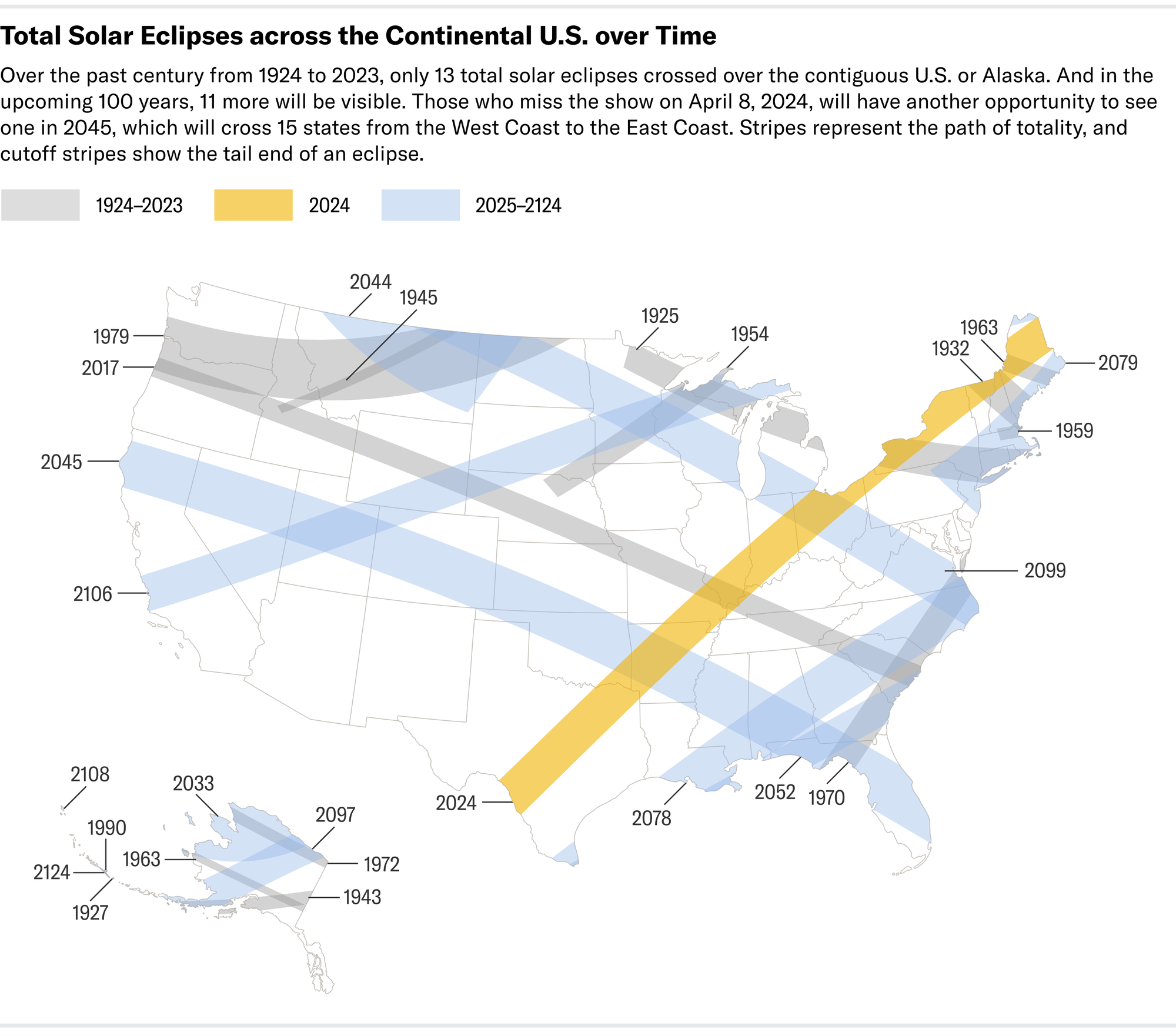
By now you have probably heard that there will be a full eclipse of the Sun on April 8th. (If you haven’t, this is your public service announcement. The world is not ending and the Sun will return to its place in the sky. No wolves, dragons or demons are involved. The gods of sun and light just need to slip out for a quick break.) The next time this will happen in the contiguous US won’t be until 2044.
Millions of people will be able to view the eclipse. Here’s a map of the eclipse path:
Of course, we now know that the Sun isn’t really eaten during an eclipse. Instead, it does what it always does: rain ultraviolet rays on everything in its path. That’s why you should never look at a solar eclipse without protective eyewear.
And if you are in charge of kids on April 8th (or adults, we should have sciencey fun too!) consider the ideas in this article:
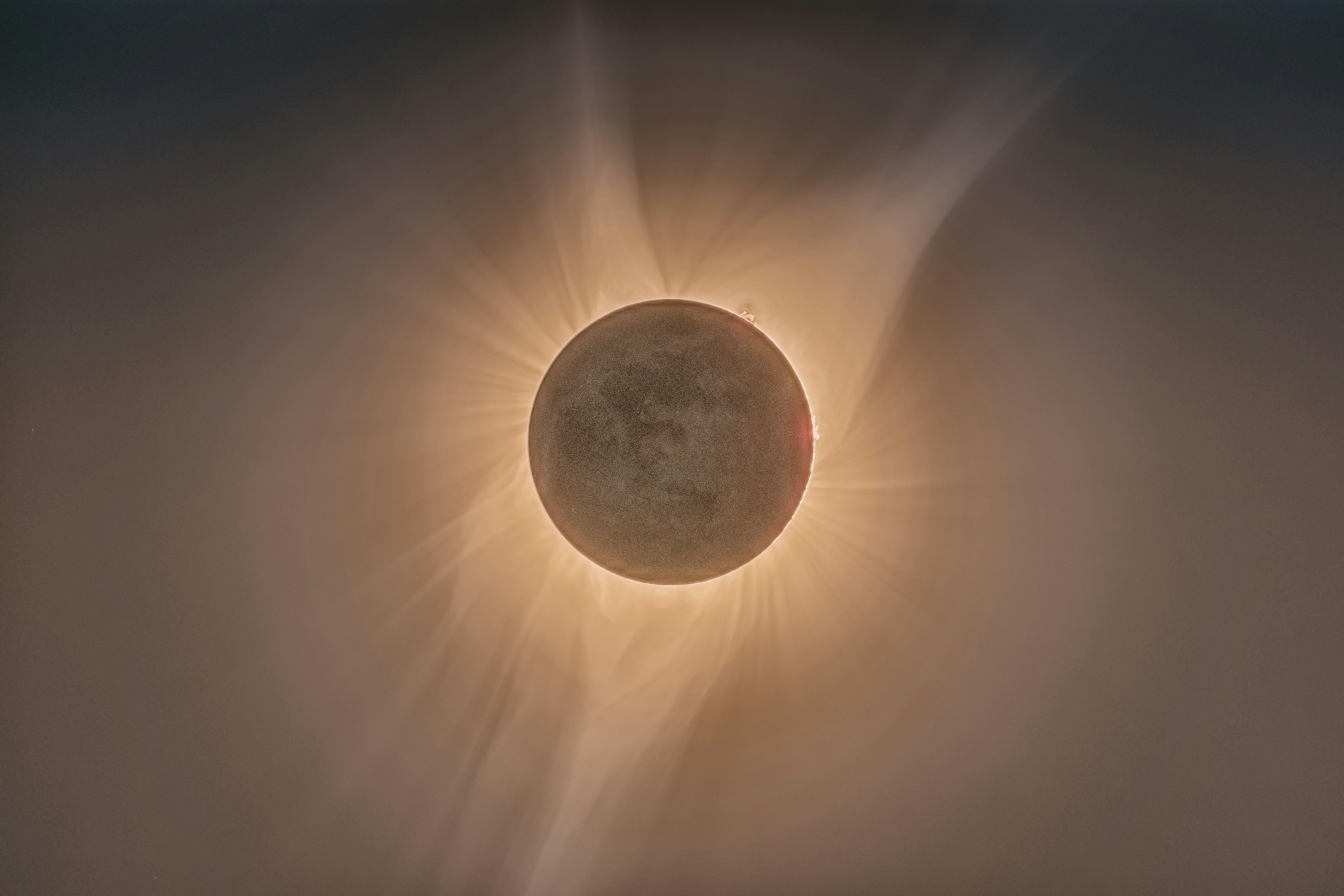
If the weather cooperates, science students of all ages could be in for quite a show on April 8. The first sign will be a sudden temperature drop. The sky will darken, and winds will shift. A dark shadow will appear on the horizon. Faint waves of light may waft across the ground. A ring of bright light will shine from the outer edges of the otherwise darkened sun. Then the moon will cover the sun completely and, for a few seconds, a thin red layer may appear around its outer rim.
And just for fun, here’s a little something for your ears, too:





You must be logged in to post a comment.