You may have heard this saying. It’s the tagline from the famous 1979 science fiction movie “Alien.” It’s a scary thought, but is it true? The simple answer is yes, no one can hear you scream in space because there is no sound or echo in space.
I’m a professor of astronomy, which means I study space and how it works. Space is silent – for the most part.
University of Arizona Distinguished Professor of Astronomy Chris Impey explains the science behind the Alien tagline, showcases slinkies as sound waves, and discusses why humans can’t speak across space but phenomena like galaxies and black holes can.
Also, a fun fact I did not know: “The word vacuum comes from the Latin word for empty.”
Welcome to NightsOnEarth.com, a customizable, free astro-calendar to help you plan your stargazing, created by photographer Phil Mosby.
Click on any day and then on Settings to specify your location.
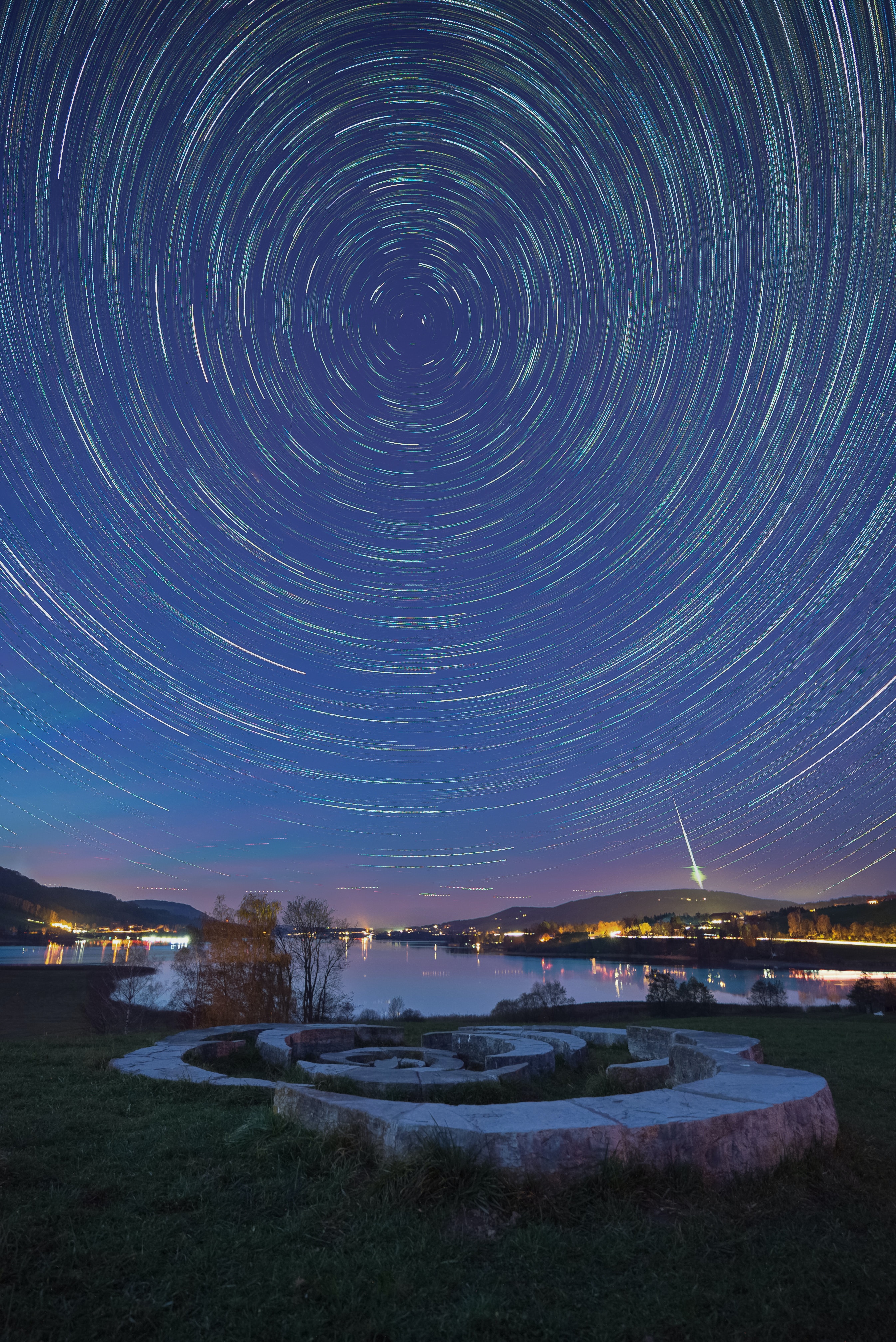
What’s this? The Pheonicid Meteor Shower will be visible starting tomorrow night and showcases meteors seemingly coming from the Phoenix constellation?
Cool cool cool. And what’s the Phoenix constellation? (Clicks on “learn more” and voila: Pheonicid meteor shower 2023).
Although that particular arrangement of stars isn’t saying phoenix to me so much as… curling stone.
This interactive mural showcases 270 of the interesting birds around us. Zoom in and click to learn more about each species. And if New Zealand’s competition wasn’t enough for you, you can vote for your favorites.
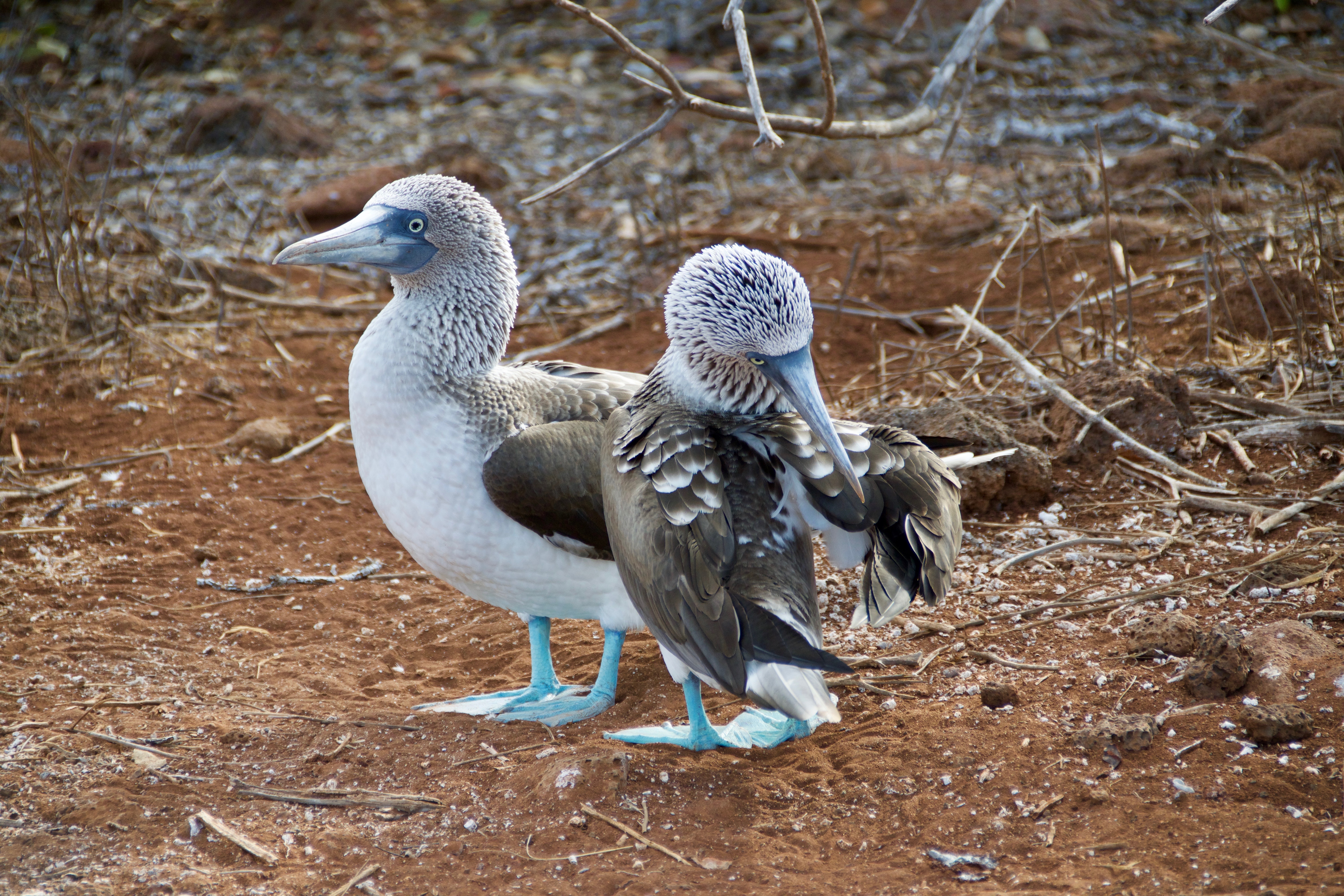
I enjoy a lot of these birds (the Drongo, Lilac-breasted Roller, Hoopoe, puffins!), but the Blue-footed Booby looks like it took a wrong turn and missed the “Caution: Wet Paint” sign. Delightful.
I did not know that solar panels have been around for more than a century.
I did not know that one of the early pioneers in this field was a Canadian inventor named George Cove.
And I did not know that Cove was on the brink of bringing solar power to the masses when he was kidnapped and threatened unless he closed down his company.
While researching the economics of clean energy innovation, I came across a little-known story: that of Canadian inventor George Cove, one of the world’s first renewable energy entrepreneurs. Cove invented household solar panels that looked uncannily similar to the ones being installed in homes today – they even had a rudimentary battery to keep power running when the Sun wasn’t shining. Except this wasn’t in the 1970s. Or even the 1950s. This was in 1905.
It sounds like that wasn’t the only reason Cove’s company collapsed, but whoever was behind the actions against him clearly had, shall we say, other interests at heart. Spare a thought for George Cove and other creators who were either ahead of their time or swept aside.
While we’re here, enjoy these images of early electric cars, milk trucks, and… baby carriages?
Believe it or not, battery-powered vehicles have been around since Victorian times – everything from private automobiles to taxis, ambulances and tricycles. We’ve got the photos to prove it.
History is a fascinating place, full of lessons for the future.
* * *
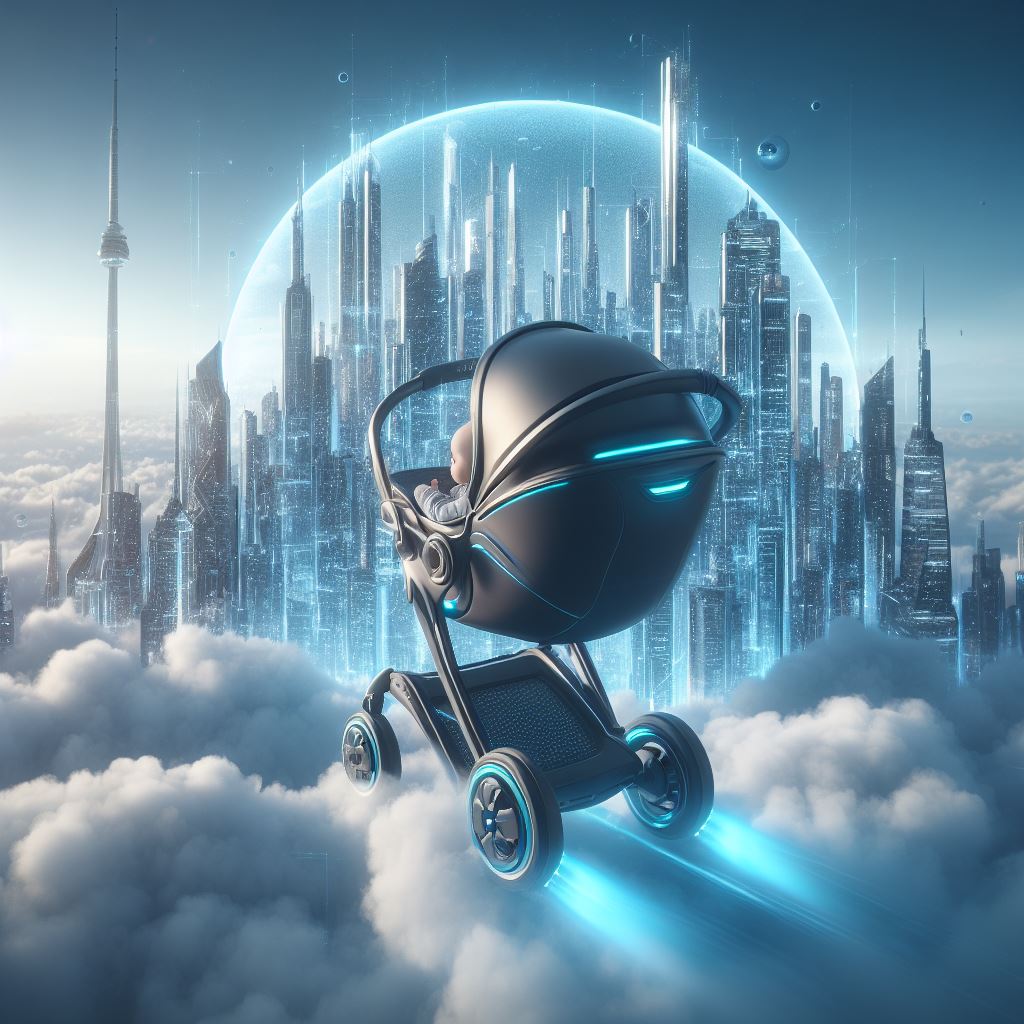
“a futuristic image of a baby in a flying stroller, with a cloud city in the background, photorealistic” (Bing Image Creator, Generated with AI)
The video begins on a rotating full-globe of Mars, with white polar caps and mottled tan surface visible. It then zooms in on the westernmost part of the large Valles Marineris canyon system, a region highlighted by a white box, and swaps to a new Mars Express visualisation of Noctis Labyrinthus. The camera then flies slowly across a landscape that is broken apart by deep intersecting valleys and canyons.
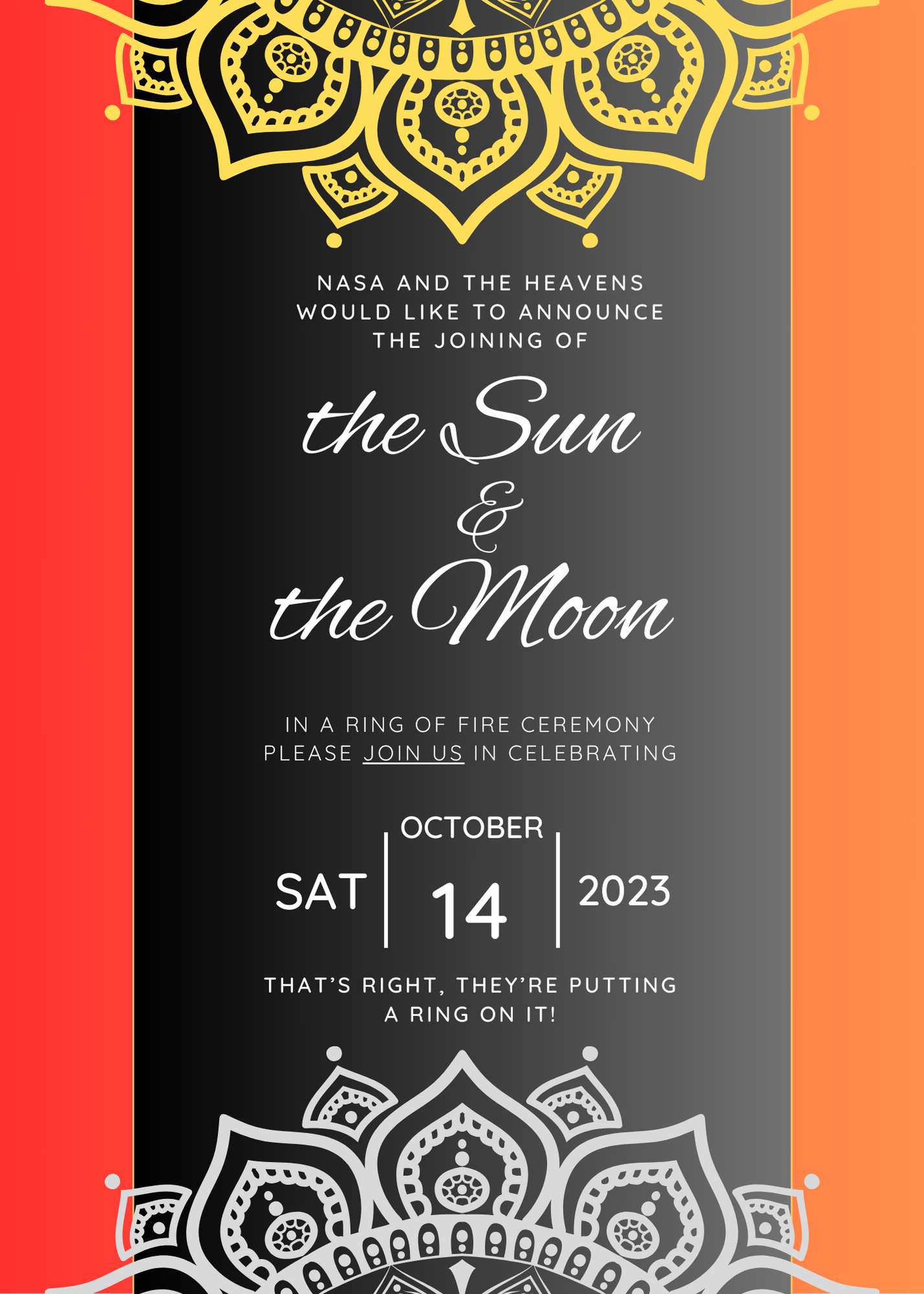
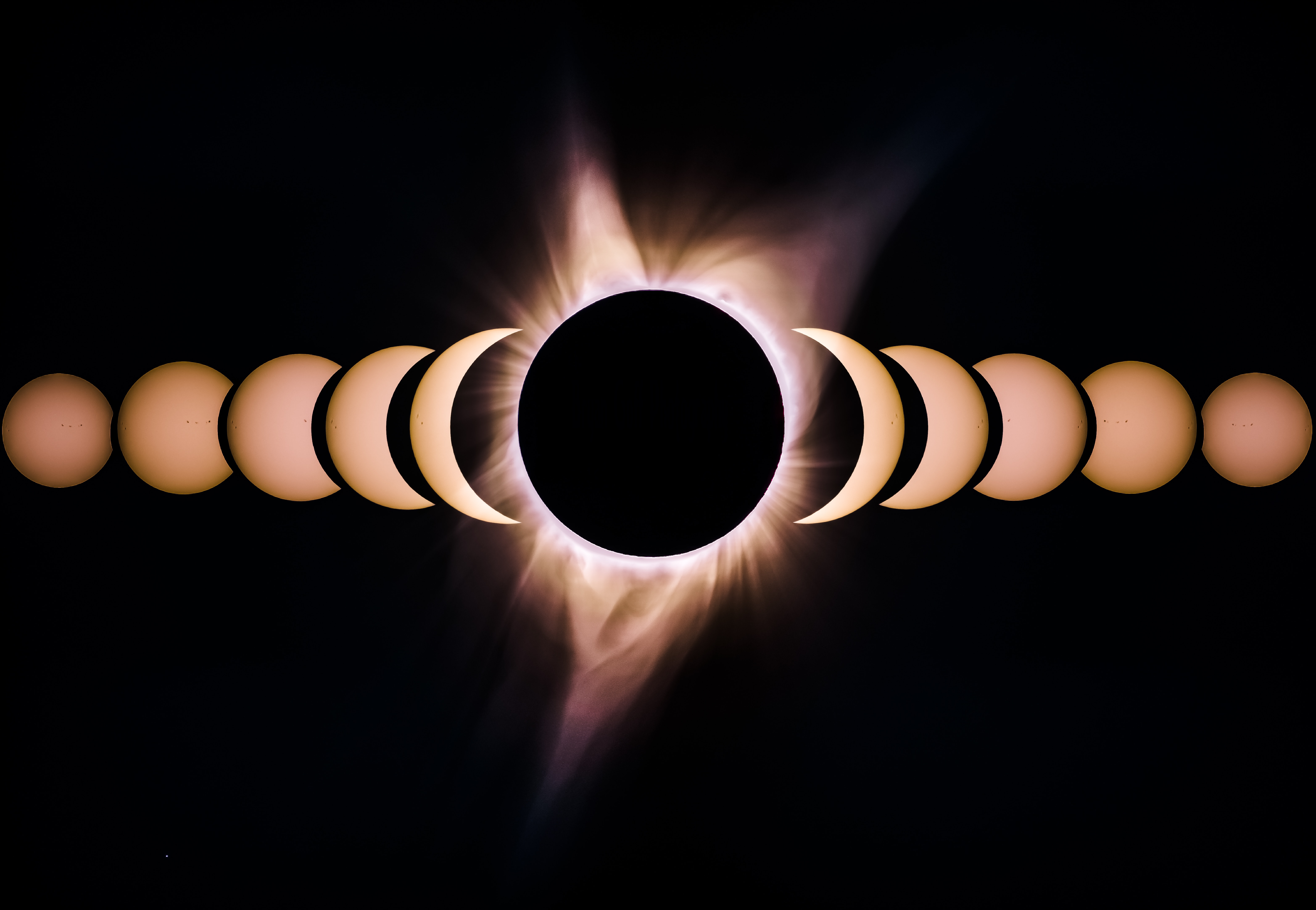
The “ring of fire” effect happens when the moon, which appears smaller in the sky because it’s further away from us, passes directly in front of the sun.
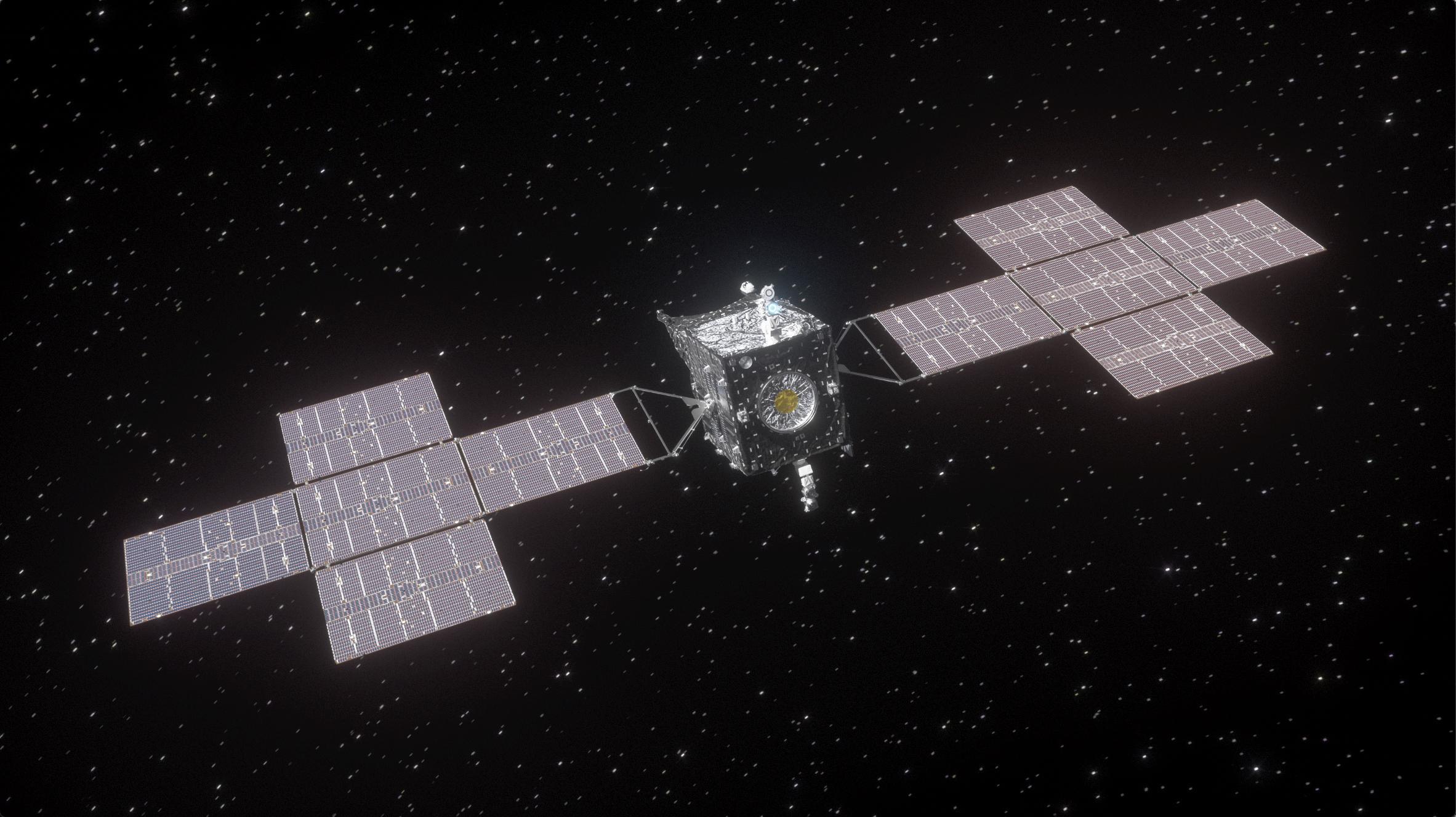
In less than an hour, NASA is set to launch Psyche, a mission to an asteroid with lots and lots of bling, arrival date in 2029.
Set to launch from NASA’s Kennedy Space Center in Florida, Psyche will travel across the solar system to an asteroid of the same name, which has unusually high metal content. Scientists hope understand why this is so, and to help answer fundamental questions about Earth’s own metal core and the formation of our solar system.





You must be logged in to post a comment.