So, Mars. For the NASA mission, today is the day! I posted on Mars yesterday to give you time to download any apps, plan your landing watch party (socially distanced, of course!), and look up your nearest Krispy Kreme.
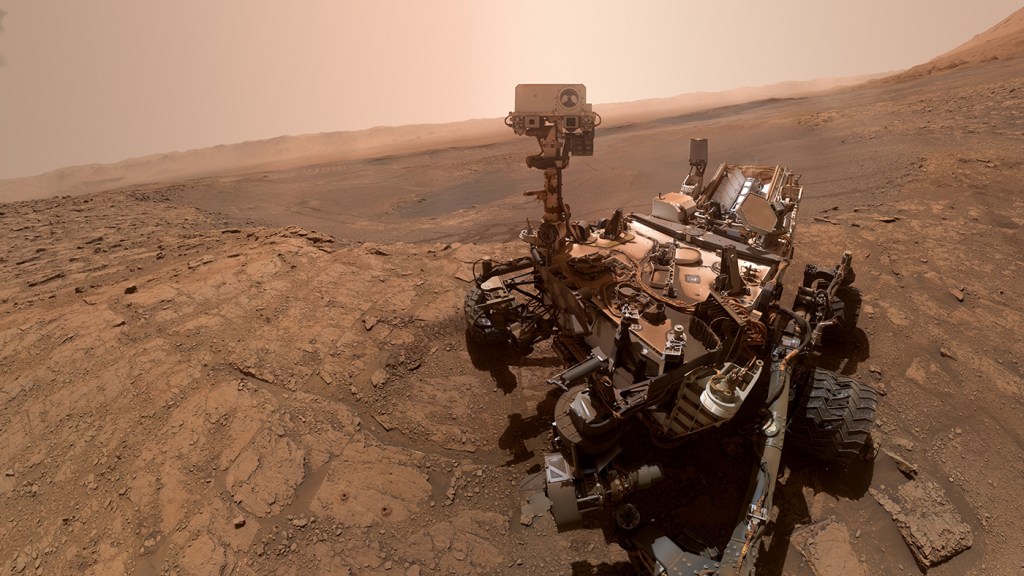
Are you ready? Curiosity is! Look at the little guy waving;)
Fingers crossed, but no matter what happens, it’s an exciting day in space!
* * *
Why is Mars red, anyway?
For the same reason that so many of our barns are red: iron oxide. It’s a common compound, both here and on Mars. We use it for paint and our planetary core, among other things, but Mars is a little different. First, of course, there’s no Sherwin-Williams on Mars, but also:
Whereas the bulk of Earth’s iron sank to its core when the planet was young and molten, NASA scientists think Mars’ smaller size (and weaker gravity) allowed it to remain less differentiated. It does have an iron core, but abundant iron exists in its upper layers, also.…The planet’s bloody tinge — visible even from millions of miles away — got it strapped with the name of the Roman god of war, while other civilizations also named the planet for what was once its main distinguishing feature. The Egyptians called it “Her Desher,” meaning “the red one,” while ancient Chinese astronomers went with “the fire star.”
This is quite a month for Mars missions. NASA’s Curiosity rover has been on the planet since 2012, toddling around mountains and craters (ahem, doing serious science, but it’s so cute!), far beyond its expected lifetime.
Now if all goes well, it will get a little company.
* * *
Due to good planetary positioning*, three spacecraft launched from Earth last July. Amal, the spacecraft helmed by the UAE, is now in position for orbital observations. China’s Tianwen-1 is orbiting now in preparation for a summer rover landing, and NASA’s Perseverance is slated to (fingers crossed!) land tomorrow February 18th around 3:55 p.m. ET.
I’m serious about the fingers crossed but though, because Perseverance is trying something dramatic, parachuting down to the surface, firing rockets for stability, then dropping cables to the surface. Here’s a video illustrating the process, aptly dubbed “7 Minutes of Terror,” of Entry, Descent, and Landing.
Have I mentioned there’s an eleven-and-a-half minute comms delay? That’s the scary part. Once they put the quarter in, they just have to let the whole song play out.
* * *
Want all the fun and none of the terror? Live near a Krispy Kreme shop?** Then February 18th is your lucky day! Krispy Kreme is offering a one-day only promotion!
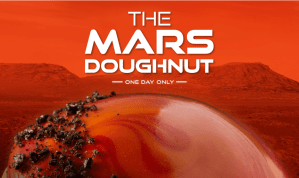
The Mars Doughnut: A Chocolate Kreme-filled doughnut dipped in caramel icing with a red planet swirl and sprinkled with chocolate cookie crumbs. This limited-edition doughnut is available in shops and online for one day only.
Mmmmmmars.
Buy these tomorrow or, if you were one of the many, many people who submitted your name for NASA’s “Send Your Name to Mars” campaign (me! oh wait, still no doughnut shop), print out your boarding pass and get a free doughnut.
* * *
Want to get a better feel for what it’s like to actually drive a rover on the surface of Mars? There is a free augmented reality app lets you turn your backyard, or living room, or wherever into Mars. You can walk, drive the rover, explore or do science:
Some days, time just seems to fly by. Those are usually days with new and interesting experiences, where every moment fires off new synapses. Other days not so much, particularly on days that call for the predictable.
If you, like me, are feeling the drag of Pandemic Mondays, you might find a little comfort in this new model of Earth’s tectonic activity over the last billion years. Because there’s time that feels like it’s crawling by, and then there’s sloooooow time.
“It’s mesmerising: like ill-fitting jigsaw pieces, bits of continents slam together and morph into supercontinents, break apart, and then crash back together in new formations – with each second of the video leaping forward 25 million years.”
It’s been a while, but let’s just chalk that up to 2020 and move on, shall we?
Speaking of, it’s been a year, hasn’t it? We haven’t seen friends, family, or done anything more exciting than rescue feral kittens in months.*
Like so many of you, I miss my family. I miss my friends. I miss not knowing the latest hot news in epidemiology;)
I wanted to write about how things were going. I wanted to write something encouraging. I wanted to write, period.
But.
I just didn’t have it in me. And sometimes that just has to be ok. So I worked, managed and generally tried to keep my fashizzma together while the world did 2020.
I haven’t been writing. I haven’t been to the workshop. My sewing machine crapped out on me. I have been reading, at first to study a couple of new genres I wanted to understand from a writer’s perspective, but then I just wanted happy endings.
You know, those things that used to be a luxury but now feel like a necessity. At least to me.
But I’m slowly coming out of it. Fall is sliding into the cold sleep of winter but paradoxically, I’m waking up.
I had a story idea the other day. It wasn’t all that good, but whatever. Thank you, brain.
I’m also doing what a lot of people are doing. Buckling down, cooking, making masks, the quintessential pandemic pastimes.
And I had the urge to share. So I’m here today to share my favorite DIY mask pattern.
* * *
Mask Talk
Despite dramatic progress on the scientific front, we don’t have as many tools in the fight against Covid-19 as we’d like (I know, stating the obvious). What we can do, right now, is socially distance, wash our hands, and wear masks. Why masks? Check out this cool NYT interactive or this handy explainer to see why masks are effective.
Short answer, breathing other people’s spooge is nasty. Masks help.
There are a lot of ways to buy masks these days, and it’s certainly possible to find a variety of options for sale. But if you, like me, enjoy being able to customize your style, size and fabric, then this pattern may be for you.
In the early days of the pandemic a lot of civic-minded makers designed and shared mask patterns. One of the best I found for me and Mr. Man (whose face has a striking set of cheekbones), was this pattern by Tom Bihn (check out the videos and notes).
I’m sure I’m not alone in the search for a mask that fits my face, is comfortable and also effective. For me and Mr. Man, the Tom Bihn design is that mask. This spring, the company was agile enough to add mask production to their line, but also generous enough to share the pattern.
I like the shape and structure of that mask, but wanted a filter. The modifications Rachel posted are helpful, but I realized that the top seam was too thick for me. It added more bulk than was comfortable and all that fabric didn’t quite shape to my face.
Was that something I could fix? It was. Would Tom Bihn be open to me sharing this new version? Yes!
* * *
The TBv3+ (Cue Rainbows and Dramatic Music!)
I give you my modified mask pattern, the TBv3+ with a flat top seam and bottom filter pocket.**
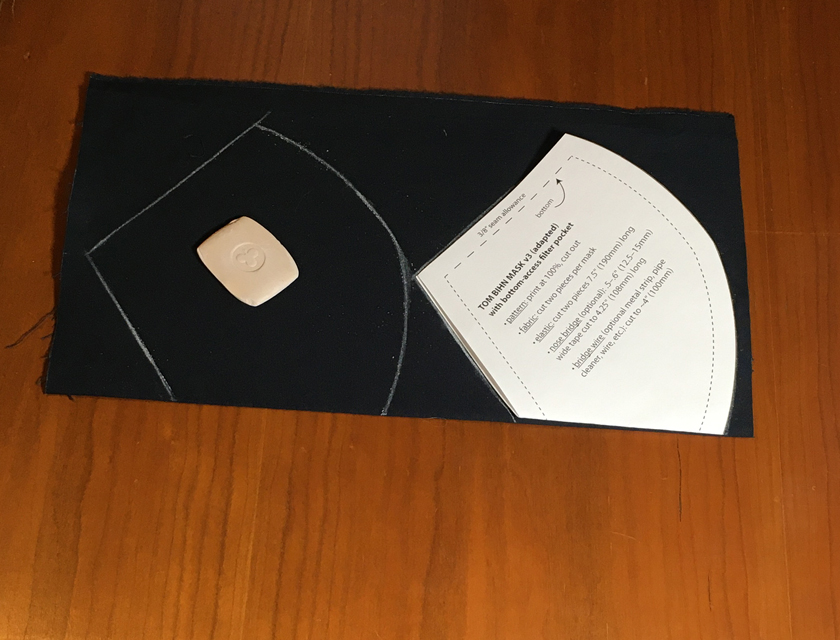
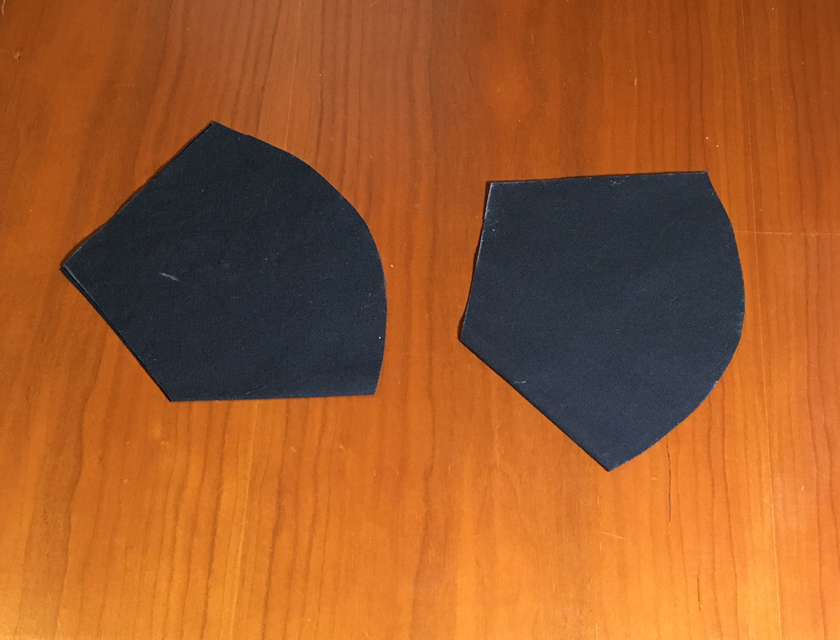
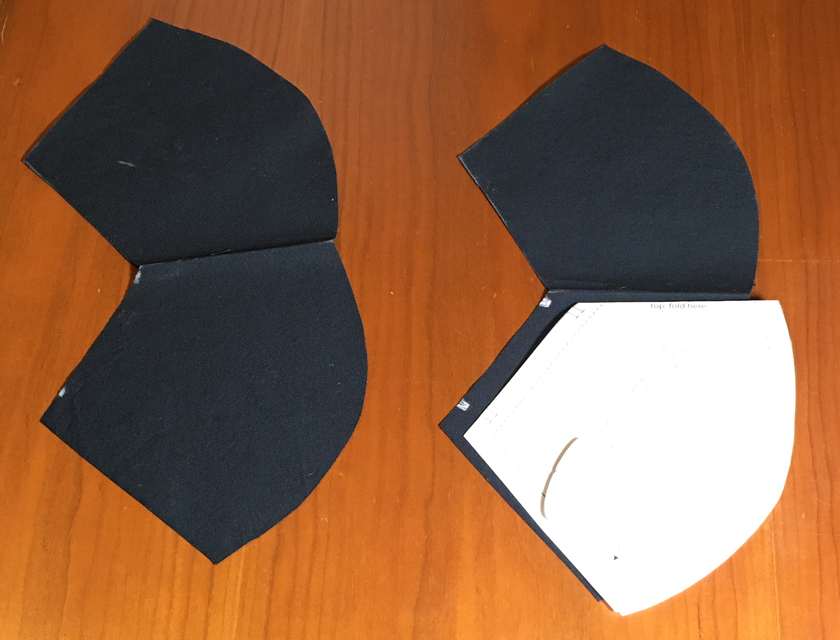
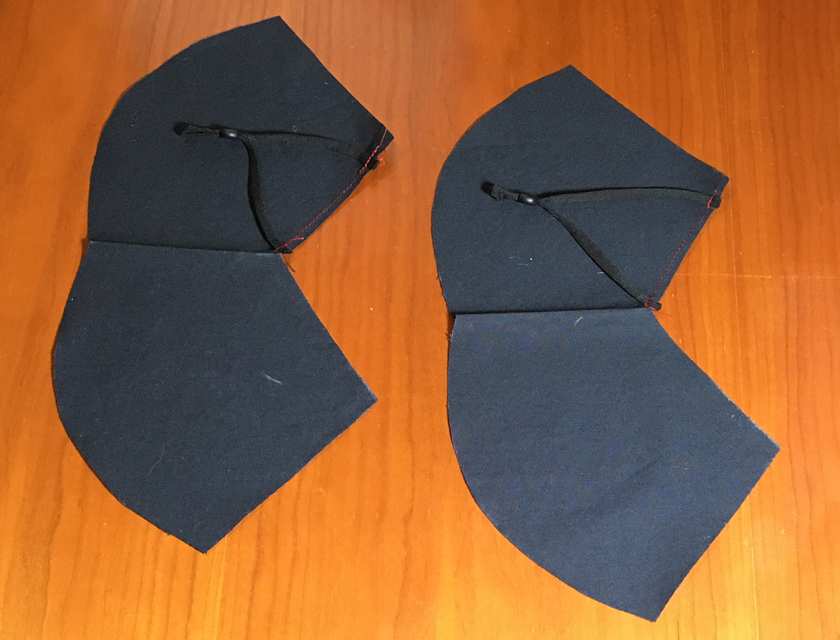
I’ve streamlined the process a bit from my first versions, so hopefully the pattern will be relatively straightforward. I’m not set up for sewing videos but here are some photos to help you get started!
And we begin!
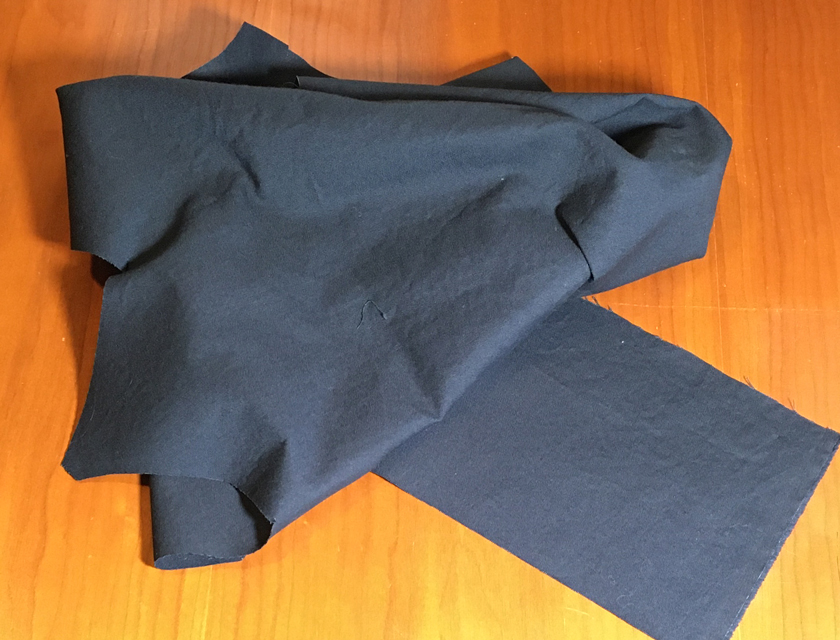
print & cut out pattern, fold it & fabric in half, trace pattern
cut out two pieces
looks good, right?
mark elastic anchor points
find pesky elastic
attach elastic
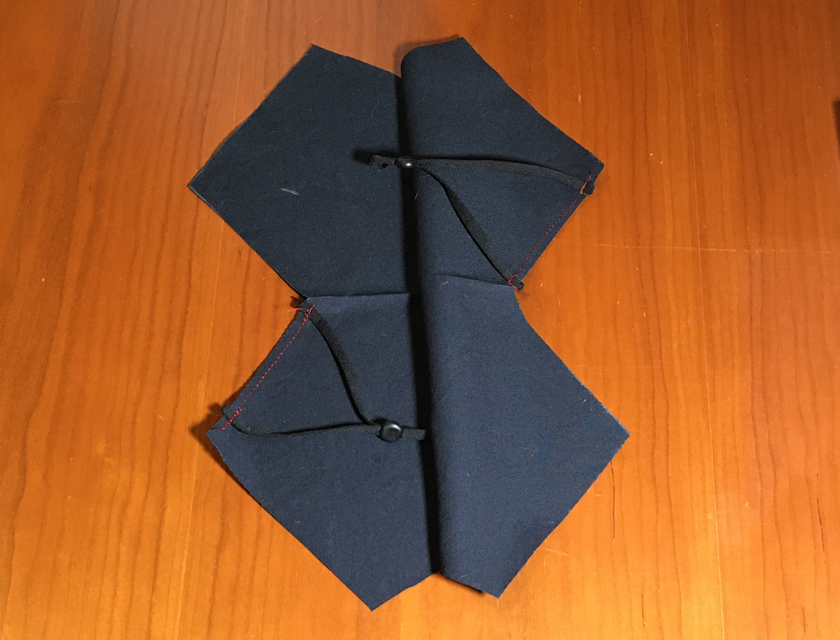
align pieces
pair, with elastic inside
come on baby, hold together!
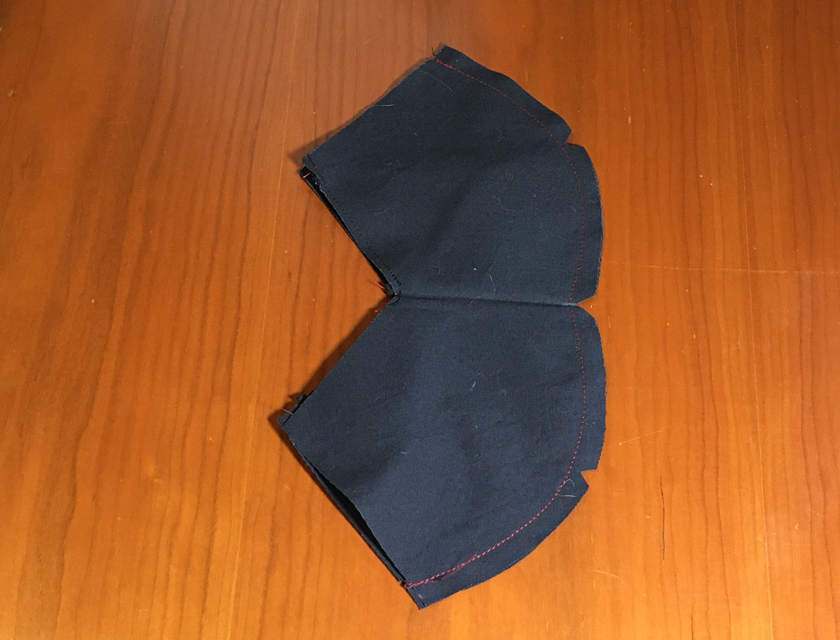
sew sides together
clip seam
hem bottom edges
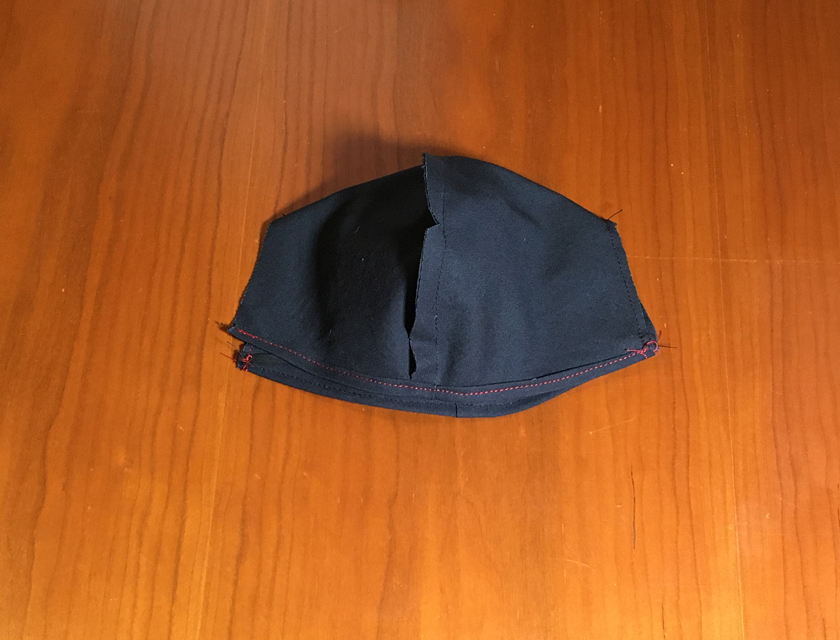
stitch sides
invert; almost there!
top stitch
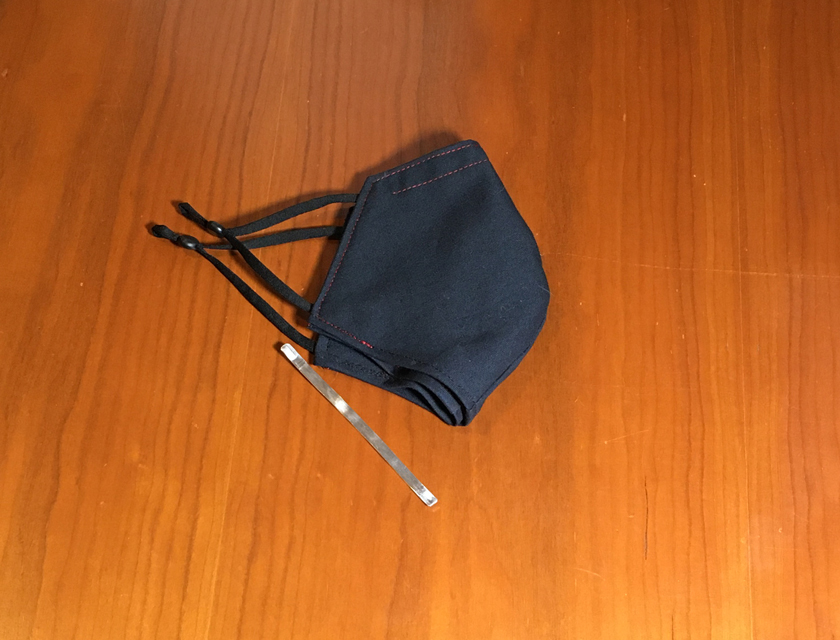
find pesky nose wire
insert wire from the inside
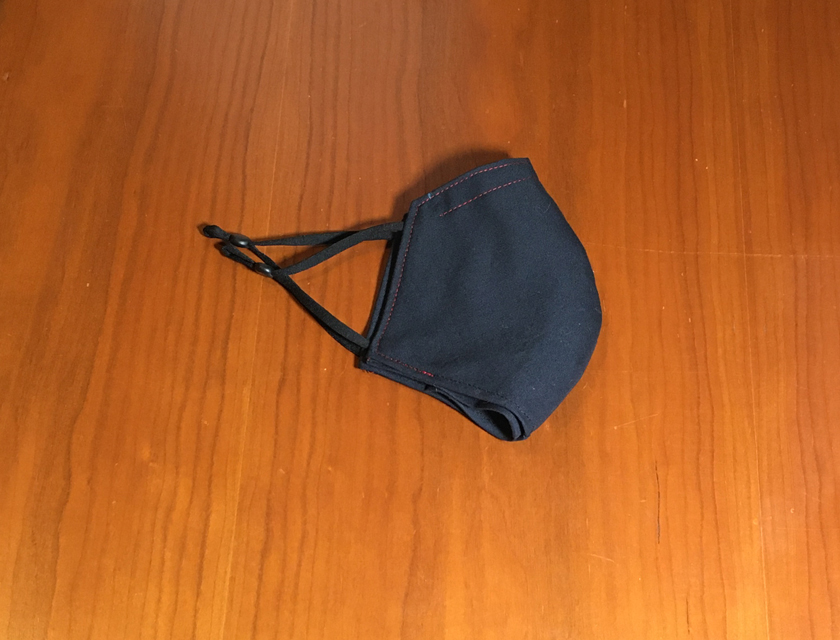
voila! revel in your accomplishment!
* * *
An Excessive Number of Notes:
— This mask is a medium size and fits me well. It’s a bit tight for Mr. Man (those cheekbones!) so for him I add 3/8” to the bottom seam and go from there. This extra bit of fabric is enough to cover his chin and keep the mask in place while he’s talking. If that still isn’t big enough for you, consider printing the pattern at 110%, which will give you more room all around.
— Fabric density does matter, so hold any potential candidate up to the light. If you can see individual fibers and holes between them, it’s not a great option. If it’s all you’ve got, bolster your protection with an extra layer of filter.
— Want different fabrics inside and out? Fold the paper pattern in half along the top seam line, then add 3/8” to the top seam. Cut out two pieces from your front fabric and two from the interior fabric. Stitch together at the top seam and proceed from there. You’ll have a thicker top seam (as with the original TB pattern) but it may be worth it to you if you like a smooth inner lining (Mr. Man requested this approach; some fuzzier fabrics were interfering with his Movember).
— I flip things around a lot (I was probably 30 before I realized that my goofy childhood habit of flipping things was actually a touch of dyslexia, kudos to my parents and teachers for making it work), so one thing I have to watch out for with this pattern is where to put the elastic. It can feel backward to start sewing on the right/outside of the fabric, but that’s the way to do it. Stitch away!
— On nose bridges: The first draft of this pattern added an external fabric nose bridge to the outside of the mask in the final step. It works and makes it very easy to change out the nose wire, but it does add more fabric and is a bit fiddly. By the time I finalized the pattern I’d shifted to adding one additional stitch line, centered below the top seam. If you leave a half inch or so on either side, it’s fairly easy to slip a nose wire into the resulting pocket from the inside of the mask. That’s what I do now.
with nose bridge fabric and without; guess which one is easier
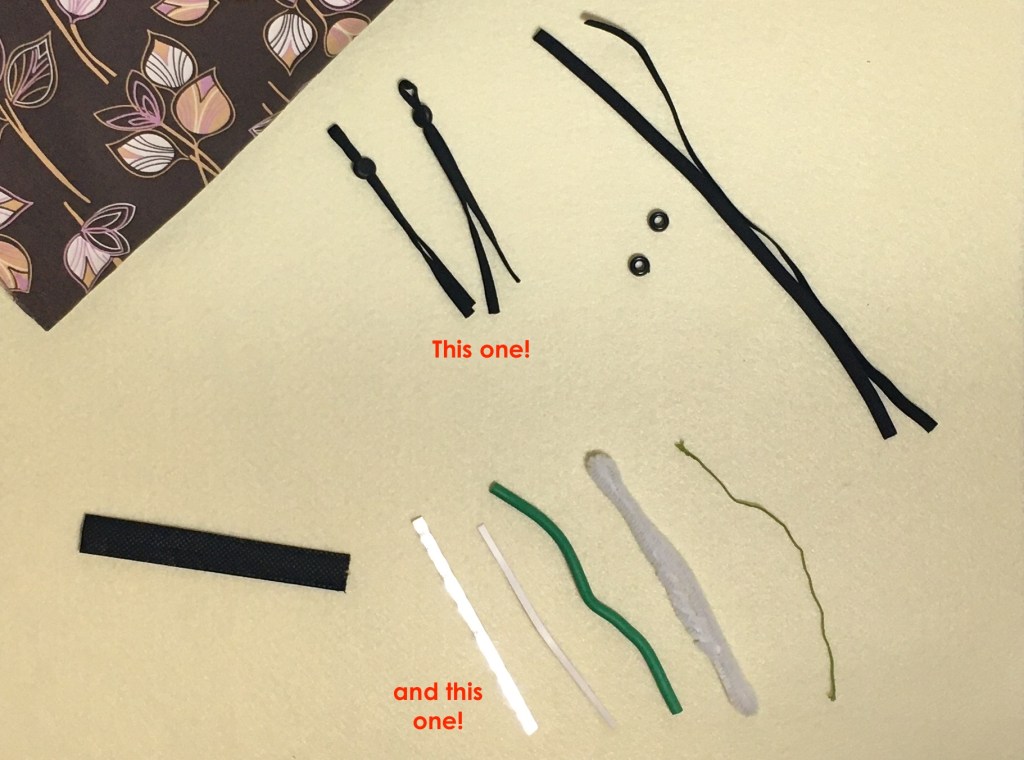
— On nose wires: Of all the options I tried, a thin strip of aluminum was the best. I ordered rolls of aluminum because it was so much cheaper than the pre-cut version, but if I had to do it over again I’d go with pre-cut. Freshly cut aluminum is sharp, y’all, and sanding it down is tedious. Other options I’ve tried in descending order of effectiveness: heavy-duty floral wire in foam (effective but annoying to slide in), the industrial twist-ties from Vistaprint masks (good but not quite stiff enough), doubled-over pipe cleaners (weak), thin floral wire (very weak). You may have other options.
some possible wire and elastic options
— On elastic: lots of options here too, from the thick white kind harvested from an old fitted sheet to pre-cut resizable versions. I’m using the latter now because it’s faster and less annoying, but I had good luck with 6mm elastic from my local fabric store, with or without little plastic pony beads (what do ponies have to do with it, I wonder?) for sizing adjustments. (If you go with the pony beads, add an inch or so to the elastic length and tie a knot on the end to keep the bead from slipping off in the middle of Costco. Ask me how I know!)
— Is that it? Probably not, but hopefully it’s enough to get you started. If you have questions, check out the linked TB videos or let me know.
Even More Notes:
* Granted, it’s been a lot of kittens. A kindle of kittens, even! Cute as heck, but consider supporting your local animal rescue organizations; Humane Society and neutering program closures have started a wave of ferals and strays, and winter. is. coming.
** The usual caveats apply: no mask is 100% effective, fabric density matters, adding a filter helps, cover both nose and mouth while wearing, wash after wearing, social distance, wash your hands a lot, etc. Fun times, am I right?
* * *
Congratulations, you’ve worked your way through all this text! As a thank you, here’s an Inspiring Quote from someone who lived through much worse than this year and used it to create things both astonishing and beautiful.
Stay healthy, stay safe!
* * *
Obligatorily Inspiring Quote!
The world is indeed full of peril, and in it there are many dark places; but still there is much that is fair, and though in all lands love is now mingled with grief, it grows perhaps the greater.
Today in History – February 7 On February 7, 1867, Laura Elizabeth Ingalls, the author of the beloved semi-autobiographical Little House series, was born in Wisconsin, the second daughter of Charles and Caroline Ingalls.
Little House on the Prairie etc. were some of the first real books I read.* They were also where I learned (among many other things) to make candy from maple syrup and snow, twist straw into logs, cast bullets, make candles, that nails were once a precious commodity, and that life before modern medicine was often hard and sometimes deadly.
***
Speaking of modern medicine, I’ve been following the new measles outbreaks. Here’s a little public service announcement:
“Are you feeling all right?” I asked her.
“I feel all sleepy,” she said.
In an hour, she was unconscious. In twelve hours she was dead.
— Roald Dahl, on his daughter Olivia and Measles
Now, some people can’t be vaccinated.** That’s why the rest of us should. “You are a human shield”! (I love that, and I love being a real-life superhero and all-around good neighbor.) Thank you to the researchers who made vaccines possible, to the public policies making it a requirement, and to my parental units for helping me be part of a healthy community by keeping my vaccinations up to date!
***
* Ok, Hop on Pop and other such books are real too, but these had chapters and everything! Also Little House was only semi-autobiographical and had some race issues, but acknowledging that lets us know how far we’ve come.
It’s a rainy Sunday afternoon and I’m in the mood for a little fun. If you are too, check out this trick over at NPR. Mr. Man and I just tried it and it is exactly as cool as it looks.
Today is the autumnal equinox, or the official start of Fall. I like to think of it as the Universe giving all of us here in the Northern Hemisphere a pat on the arm and a kind word to prepare us for that whole Winter thing.
What is It saying? When it comes to the grand workings of the Universe it’s always difficult to be sure, but I imagine the conversation goes something like this:
“Now now, Winter’s still a ways off and hey, you had a good Summer, right?”
(inarticulate mumblings about sunburn and too many mosquito bites)
“Well, not to worry. We know Winter is hard so We try to ease you into it with the likes of apple pie and hot cider.”
(sniffles, with a muffled acknowledgement that pie is really quite nice)
“And remember how much you liked that new recipe for spicy beef stew? Pull yourself together, dear, it will be fine.”
For those who prefer a slightly more technical explanation of the experience on which we are all about to embark, a few more details…
Solstice: occurs when the Sun is the farthest away from the celestial equator, or the imaginary line above the Earth’s equator. This happens twice a year, around June 21st (when it reaches the northernmost point) and December 21st (when it reaches the southernmost point).
Equinox: marks the time when the Sun crosses the celestial equator. Day and night are (close to) equal length. This happens twice a year, around March 20th (vernal) and September 22st (autumnal).
Would you like to know more? Check out Time & Date or Royal Museums Greenwich or EarthSky for additional information, helpful diagrams and fun facts (like Chichen Itza’s Snake of Light).
I do love pie and cider and crisp autumn days and bright red leaves. Today I’m also grateful that marking such astronomical events no longer requires human sacrifice, for the word “phenology,” and for the reminder that in spite of everything, we all see the same sky.
In honor of today’s eclipse, I’d like to spotlight this piece on Annie Jump Cannon from the funny and informative site Rejected Princesses. Their tag line?
“Women too Awesome, Awful, or Offbeat for Kids’ Movies.”
Hee hee! If you’re interested in quick, clever portraits of some of the most interesting women in history, Rejected Princesses is the site for you.
(Related aside: I’m also pretty sure that popular movies are selling our kids short.)
Why Annie Jump Cannon? Because she fell in love with the stars at a time when most women were only expected to fall in love with homemaking, and then she went and did something about it.
Born the same year President Lincoln issued the Emancipation Proclamation, she attended college at a time when few women did, and then worked at the Harvard Observatory as a “computer.” (If you’ve seen Hidden Figures, you know what “computer” meant lo those many years ago. If you haven’t seen Hidden Figures, I highly recommend you do, stat!) She excelled at Harvard, classifying stars by the hundreds of thousands and building a spectrographic star classification system still in use today.
Ms. Cannon has been called The Queen of Modern Astronomy, but also brought a useful perspective to more terrestrial concerns. And while earthly challenges must continue to occupy our thoughts and energies, one quote in particular seems appropriate for our current times:
“In these days of great trouble and unrest, it is good to have something outside our own planet, something fine and distant and comforting to troubled minds. Let people look to the stars for comfort.”
If you don’t already have eclipse plans but you’re interested in a once-in-a-century astronomical event, NASA has a great site. They’ll help you enjoy the eclipse with everything from maps, safety, activities, DIY pinhole viewers, what to do if you don’t have a viewer but still want to see the event, and more.
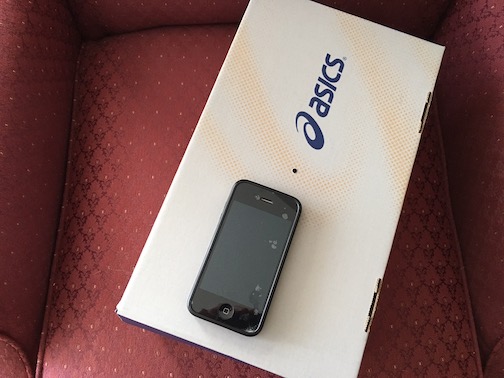
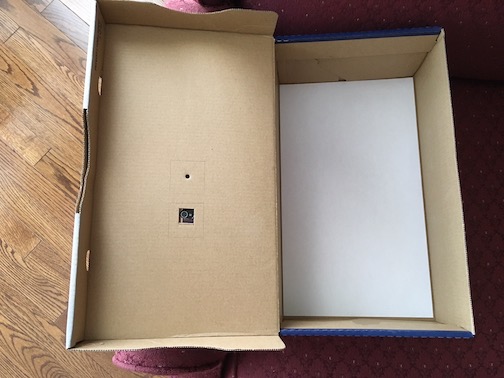
Like most people I’ll be outside the path of totality, but we’ll still get 65% coverage. Well worth putting together a pinhole viewer… Oh look, here’s one I just happen to have, hacked together from a shoe box, legal paper, the sticky bits of reusable adhesive you find on the back of various packages, and a phone for easy photo taking:) I’ll cut the lid off to better control the distance between pinhole and paper, then hope for clear skies!
Made with Code is Google’s push to keep girls and women active in Science, Technology, Engineering and Math. Girls are awesome. Sci-tech is awesome. Together, they make an awesome sandwich.
Of course, boys are awesome too (hello, most excellent nephew!), but they aren’t facing this less-than-awesome prospect:
Yeah, that’s just… no. We can do better. If we’re going to tackle the long and growing list of environmental, social and technical challenges in the world, we need everyone’s brain parts. And not in a night of the undead hunger sort of a way.
There are a lot of intro to coding resources on the web, but this one is fun, free and lets you fight bad guys with a magic lasso and a big-bad sword. So girl or boy, man or woman, child, teacher, parent or otherwise curious mind, if coding looks like fun but you don’t know where to start, this may be the game for you.
Another busy, busy week, but before that I had out-of-town guests, a full weekend of fun, excellent food, and (of course) Wonder Woman. And today I found this amazing image in my inbox!
…
Here’s hoping that you, too, see light in the darkness.
















You must be logged in to post a comment.