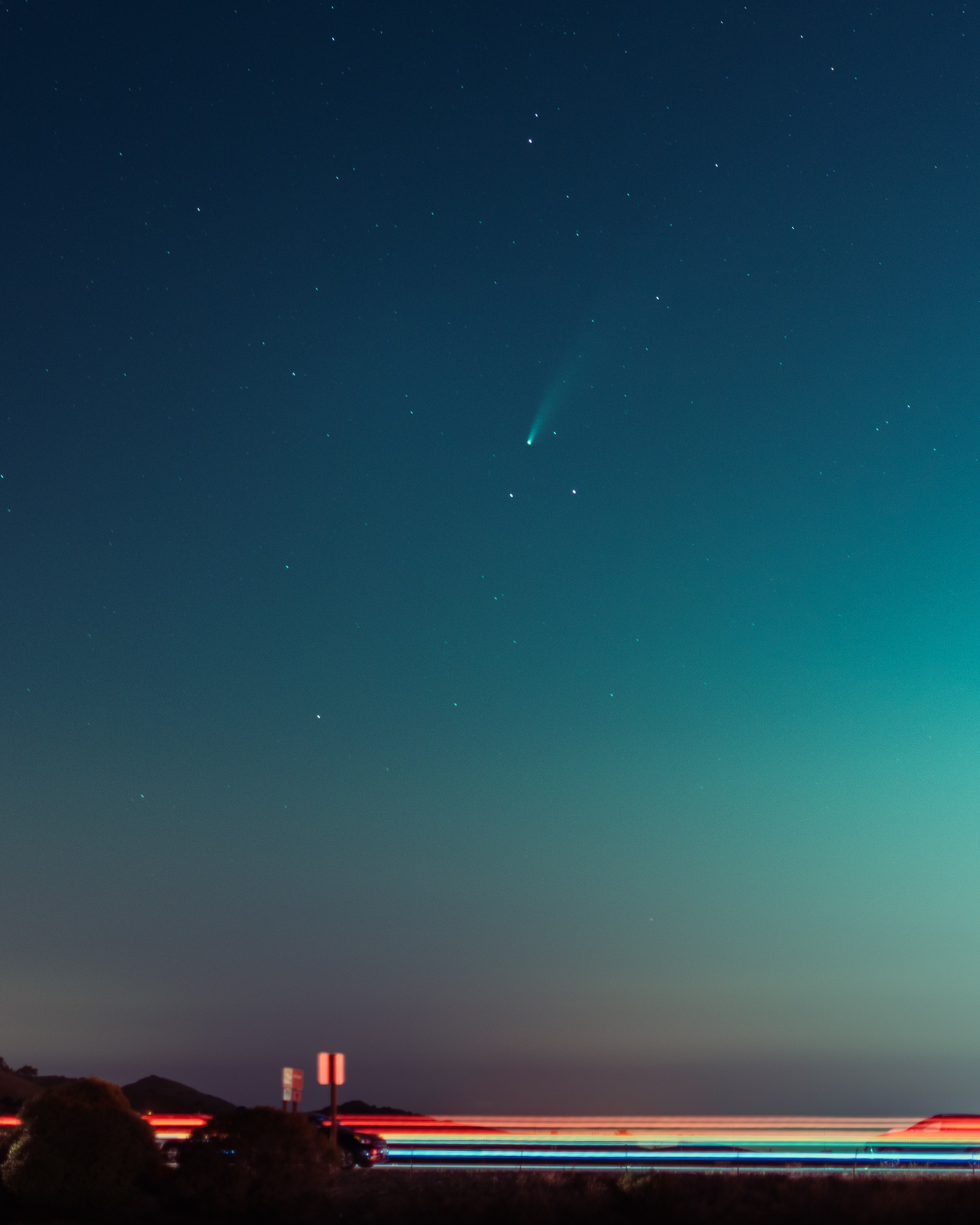
Yes, it’s Tuesday and work is crazy as usual but it’s not all negative news. We will not be hit by an asteroid today!
A huge asteroid will fly safely by Earth today. Here’s how to watch it live. | Space
See? Tuesdays aren’t all bad.
* * *
Posted in Science!, tagged #365Ways, #365Ways2022, inspiration, space, Tuesdays on January 18, 2022| Leave a Comment »
Yes, it’s Tuesday and work is crazy as usual but it’s not all negative news. We will not be hit by an asteroid today!
A huge asteroid will fly safely by Earth today. Here’s how to watch it live. | Space
See? Tuesdays aren’t all bad.
* * *
Posted in Other, tagged #365Ways, #365Ways2021, space, star trek, Thoughts on October 13, 2021| Leave a Comment »
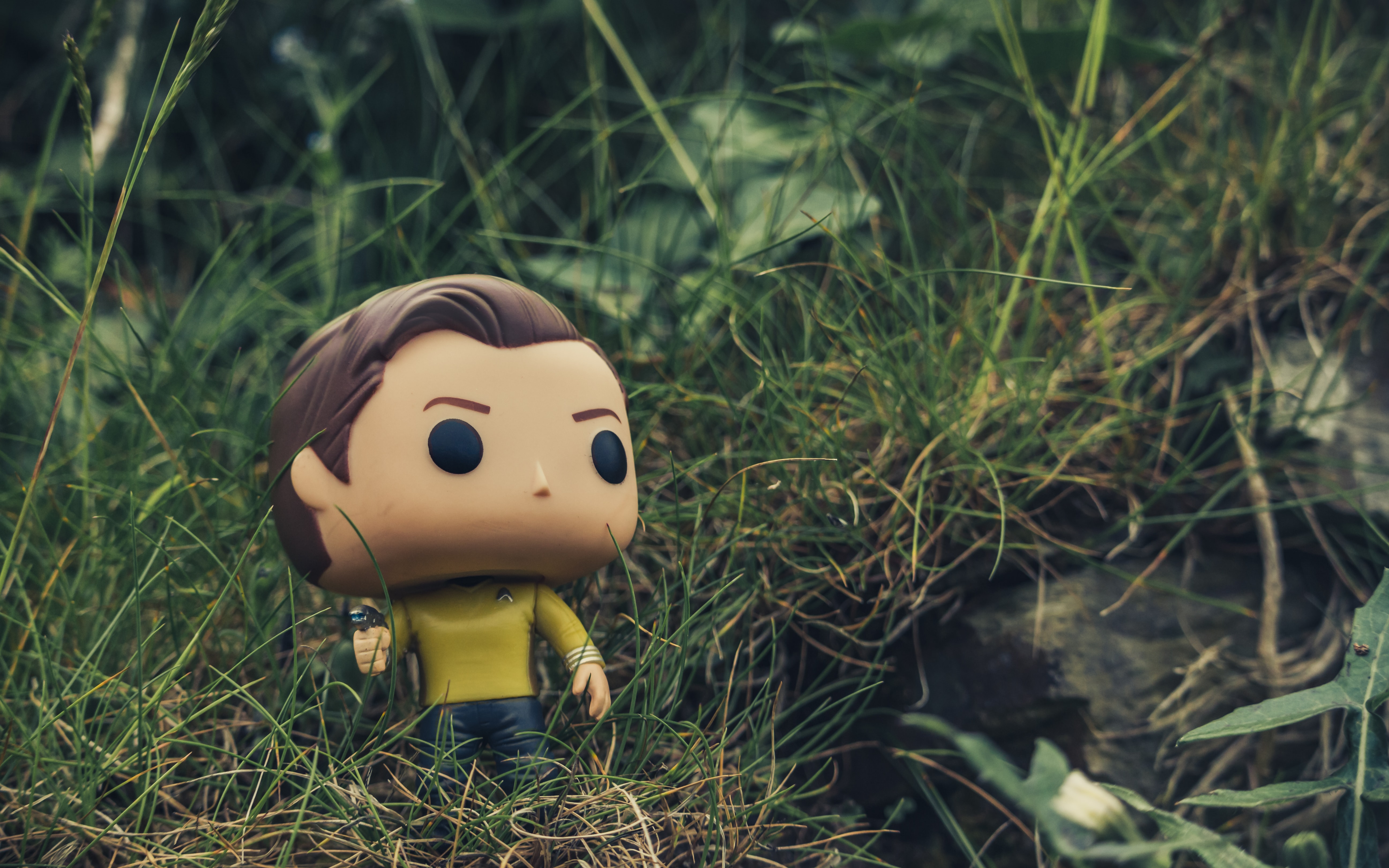
William Shatner, the 90-year-old perhaps best known for playing Captain James T. Kirk in Star Trek, flew 100km up into space in a Blue Origin rocket today. He and the other crew members returned safely to Earth ten minutes later.
In completely unrelated news, all those planning to zap Jeff Bezos with a phaser are asked to please stand down.
* * *
Posted in Science!, tagged #365Ways, #365Ways2021, space, Thoughts on July 16, 2021| Leave a Comment »
How long would it take for a ball to drop on Venus or Jupiter or Mars? This cool visualization knows!
Posted in Holidays, Science!, tagged #theUniverseismytherapist, #ThingsILike, astronomy, awesome, fall, nature, pie, science, space, Thoughts on September 22, 2017| Leave a Comment »
Today is the autumnal equinox, or the official start of Fall. I like to think of it as the Universe giving all of us here in the Northern Hemisphere a pat on the arm and a kind word to prepare us for that whole Winter thing.
What is It saying? When it comes to the grand workings of the Universe it’s always difficult to be sure, but I imagine the conversation goes something like this:
“Now now, Winter’s still a ways off and hey, you had a good Summer, right?”
(inarticulate mumblings about sunburn and too many mosquito bites)
“Well, not to worry. We know Winter is hard so We try to ease you into it with the likes of apple pie and hot cider.”
(sniffles, with a muffled acknowledgement that pie is really quite nice)
“And remember how much you liked that new recipe for spicy beef stew? Pull yourself together, dear, it will be fine.”
For those who prefer a slightly more technical explanation of the experience on which we are all about to embark, a few more details…
Solstice: occurs when the Sun is the farthest away from the celestial equator, or the imaginary line above the Earth’s equator. This happens twice a year, around June 21st (when it reaches the northernmost point) and December 21st (when it reaches the southernmost point).
Equinox: marks the time when the Sun crosses the celestial equator. Day and night are (close to) equal length. This happens twice a year, around March 20th (vernal) and September 22st (autumnal).
Would you like to know more? Check out Time & Date or Royal Museums Greenwich or EarthSky for additional information, helpful diagrams and fun facts (like Chichen Itza’s Snake of Light).
I do love pie and cider and crisp autumn days and bright red leaves. Today I’m also grateful that marking such astronomical events no longer requires human sacrifice, for the word “phenology,” and for the reminder that in spite of everything, we all see the same sky.
Posted in Likes, Science!, tagged space on May 30, 2017| Leave a Comment »
Posted in Likes, tagged #ThingsILike, awesome, inspiration, science, space, travel on April 29, 2017| Leave a Comment »
Posted in Likes, Science!, tagged #amazeballs, #ThingsILike, awesome, climate change, data, demographics, free, fun, geospatial awesome, Google, Google Earth Engine, google maps, health, risk management, satellite imagery, science, space, timelapse, yay on February 9, 2017| Leave a Comment »
Ok, Google, now this is cool:) For anyone who has ever wanted to take the long (very long) view, there’s a new tool from Google.*
The Google Earth Engine gives users access to satellite imagery from as far back as 1984, and to build timelapse imagery that capture changes across the years.
Google Earth Engine combines a multi-petabyte catalog of satellite imagery and geospatial datasets with planetary-scale analysis capabilities and makes it available for scientists, researchers, and developers to detect changes, map trends, and quantify differences on the Earth’s surface.
Want to see what a timelapse looks like? Here is a short introductory video:
Want to make your own? No problem. Explore the built-in Timelapse features, integrate ready-to-use datasets on demographics, climate, imagery and more, or use your own code. (Check out the case studies from a variety of organizations focused on climate, health, and science, including this one on malaria risk mapping.)
You can also set up a tour to view more than one location. It’s fun, educational, persuasive, and easy to use. And because it’s Google, all this goodness is freely available. Now that U.S. government data may become less accessible, people and organizations interested in the long view need all the access they can get.
* Sadly, I’m not affiliated with Google, just a fan. Although like MIT and Slate and Scout and ASU (among others), Google would be a terrific sponsor for thoughtful new science fiction, don’t you think?


You must be logged in to post a comment.