Feeds:
Posts
Comments

Posts Tagged ‘health’

I recently subscribed to We’re Here, a “nice little email for people from Earth” that originated from Hank and John Green’s Nerdfighteria. One issue last month included a thought piece I found interesting: The Tragedy of Prevention.

The thesis? “A tricky thing about modern society is that no one has any idea when they don’t die.”

That line stuck with me, and I’ve been toying with it for the past month. How, I wondered, could we be made more aware of those moments in particular, and our good luck in general?

The tragedy of prevention goes like this: The most effective way to save lives (prevention) is the least noticeable, which leads us to undervaluing it in our individual choices, in what we celebrate, and in public policy. That undervaluing of prevention leads to a great deal of needless death and suffering…

If every person who had their life saved by a vaccine, or an airbag, or a clean air regulation felt the same as a firefighter carrying an unconscious person out of a burning building, I think we’d feel a lot better about humanity, and maybe that would help us move forward more effectively.

Surely, I thought, there must be a website out there that will tell me all the times I coulda woulda shoulda died? When a search turned up nothing useful (and a whole lot that wasn’t, and wasn’t something I wanted to wade through), I decided to put AI to good use. This was my hypothetical:

Q: I am a 50-year old white man living in the US. You are a doctor specializing in historical causes of mortality, including vaccine-preventable diseases and other health-care preventable causes of mortality. Tell me all the moments in my life where I would have died if this were the year 1898. 

I picked 1898 because it had all the lessons of the 19th century but none of the World Wars of the 20th. It’s also just after the Gilded Age, a time currently being showcased as a time of All Good Things, at least for robber barons those in power.

What was the answer?

ChatGPT: This is a fascinating and sobering thought experiment. Assuming you’re a 50-year-old white man in the U.S. in 2025, you would have been born in 1975. Let’s now imagine that you lived your exact same life—same exposures, environment, risks, and medical events—but in 1898. Here are the major moments where you very likely would have died, or your survival would have been highly unlikely, given the state of medicine, vaccines, and public health at that time.

The answer started with fun diseases like diphtheria, measles and scarlet fever and moved on from there. It summarized a lot, but even this abbreviated trek through a hypothetical life over a century ago made me think: How lucky are we? 

If you’re curious, here’s the full answer,* complete with terrifying scenarios like no antibiotics, insulin or public sanitation, life expectancies under 50, and pretty much every disease ever from The Oregon Trail:

* Fair warning, I haven’t fact checked all of these specific numbers, but the overall point is both relevant and on target.

1. Infancy and Childhood (0–5 years)

🚼 Risk of Infant Death from Infectious Diseases

  • Diphtheria, Pertussis (Whooping Cough), Measles, Scarlet Fever, and Smallpox were all common causes of childhood death.
  • You would not have been vaccinated, as the only routinely available vaccine in 1898 was for smallpox.
  • Infant mortality rate in 1898 was around 150 per 1,000 live births, meaning a 15% chance of dying before age 1.

📍Moment of Likely Death : Age 0–5 — Measles, Whooping Cough, or Diphtheria.
If you got any of these common childhood infections—as most kids did—you would face a high chance of dying from pneumonia, encephalitis, or airway obstruction.

2. Appendicitis, Accidents, or Infections (Any Age)

⚠️ Lack of Antibiotics and Surgery

  • Appendicitis, if you ever had it, would have been a death sentence due to lack of surgical techniques and no antibiotics.
  • Strep throat, infected cuts, dental abscesses, or pneumonia could have killed you due to the absence of penicillin (discovered 1928, not widely used until the 1940s).

📍Moment of Likely Death : Any bacterial infection that in your modern life was easily treated with antibiotics—especially in your teens or 20s.

3. Injuries and Trauma

🩸 Modern Trauma Care Didn’t Exist

  • Car accidents didn’t exist yet, but horseback riding accidents, industrial injuries, and farm equipment injuries were common.
  • No blood banks, IV fluids, or sterile technique meant internal injuries or bleeding often led to death.

📍Moment of Likely Death : Any serious physical injury. Even a broken leg with complications like infection or blood loss could have been fatal.

4. Adulthood Illnesses

❤️ Heart Attacks, Strokes, and Chronic Disease

  • In 1898, there were no treatments for hypertension, high cholesterol, or heart disease. If you had any of these risk factors, your risk of death in your 40s or 50s was vastly higher.
  • Diabetes was also nearly untreatable. Insulin wasn’t discovered until 1921. You would likely die within a year of diagnosis.

📍Moment of Likely Death : Undiagnosed or untreated chronic illness. If you’ve ever taken blood pressure meds, cholesterol meds, or insulin—you would have died without them.

5. Infectious Disease in Adulthood

🦠 Tuberculosis, Influenza, and Pneumonia

  • TB was called “consumption” and was a leading cause of death.
  • The “old man’s friend” (pneumonia) often claimed people in midlife or earlier.
  • Influenza pandemics occurred repeatedly—including in 1918.

📍Moment of Likely Death : Any bout with flu or pneumonia. Without antivirals, antibiotics, or supportive hospital care, this could easily have been fatal.

6. Surgical Interventions

🛠️ No Modern Anesthesia or Sterile Technique

  • If you’ve ever had a hernia repair, tonsillectomy, gallbladder surgery, or even dental work—your risk of dying from infection or surgical shock would have been significant.
  • Hospitals were places people went to die; wealthy people often avoided them.

📍Moment of Likely Death : Any surgery. Even minor operations were high-risk.

7. Cancer

🔬 No Diagnostics, No Chemotherapy, No Radiation

  • Cancer was often only diagnosed very late—usually through symptoms like bleeding or swelling.
  • Surgical removal was often impossible or fatal due to poor technique and infection.

📍Moment of Likely Death : If you ever had or will have cancer, you’d likely die quickly and in pain.

Survival Odds in 1898

  • Life expectancy for white men in 1898 was about 46 years.
  • As a 50-year-old in 2025, you’re already past the average life expectancy of your 1898 counterpart.
  • Public sanitation, antibiotics, vaccines, and modern surgery have already saved your life many times over—even if you’ve never had a dramatic medical crisis.

Bonus: Things You Would Not Die From in 1898

  • Car crashes (few cars existed).
  • Obesity-related diabetes (far less common).
  • Opioid overdose (though morphine addiction was real, it was not yet a mass crisis).
  • Mass shootings or modern warfare (depending on your background and profession).

And that’s the beauty of prevention!

* * *

Read Full Post »

I’ll just leave this link here, with gratitude to all the scientists and health care workers who have helped protect me, my family, and my community over the years. 

Battling Infectious Diseases in the 20th Century: The Impact of Vaccines

If you wonder why vaccines (and antibiotics, and other health fundamentals) are a big deal, ask your grandparents who they lost.

* * *

Photo by Belinda Fewings on Unsplash

Read Full Post »

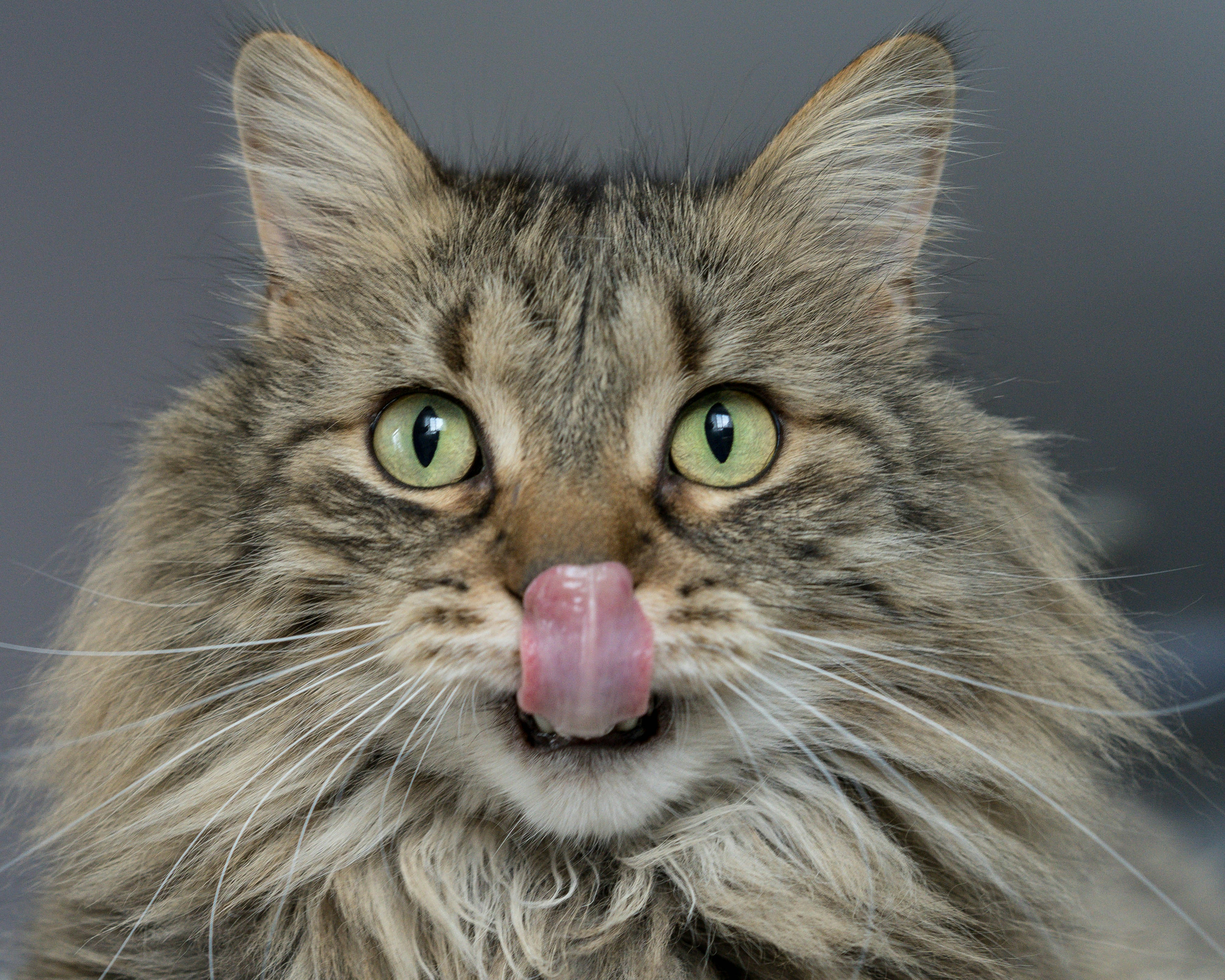
Chewbacca, Prince of Cats, continues to be lovely. He also continues to weigh almost exactly what he did when we got him, despite a year of weight loss efforts. (To be fair, he lost almost a kilo. Then he gained it back.)

Now, his weight would not be a particular issue except that the vet insists on regaling us with a long (long) list of health-related problems that extra weight will bring, so we’re doing our best.

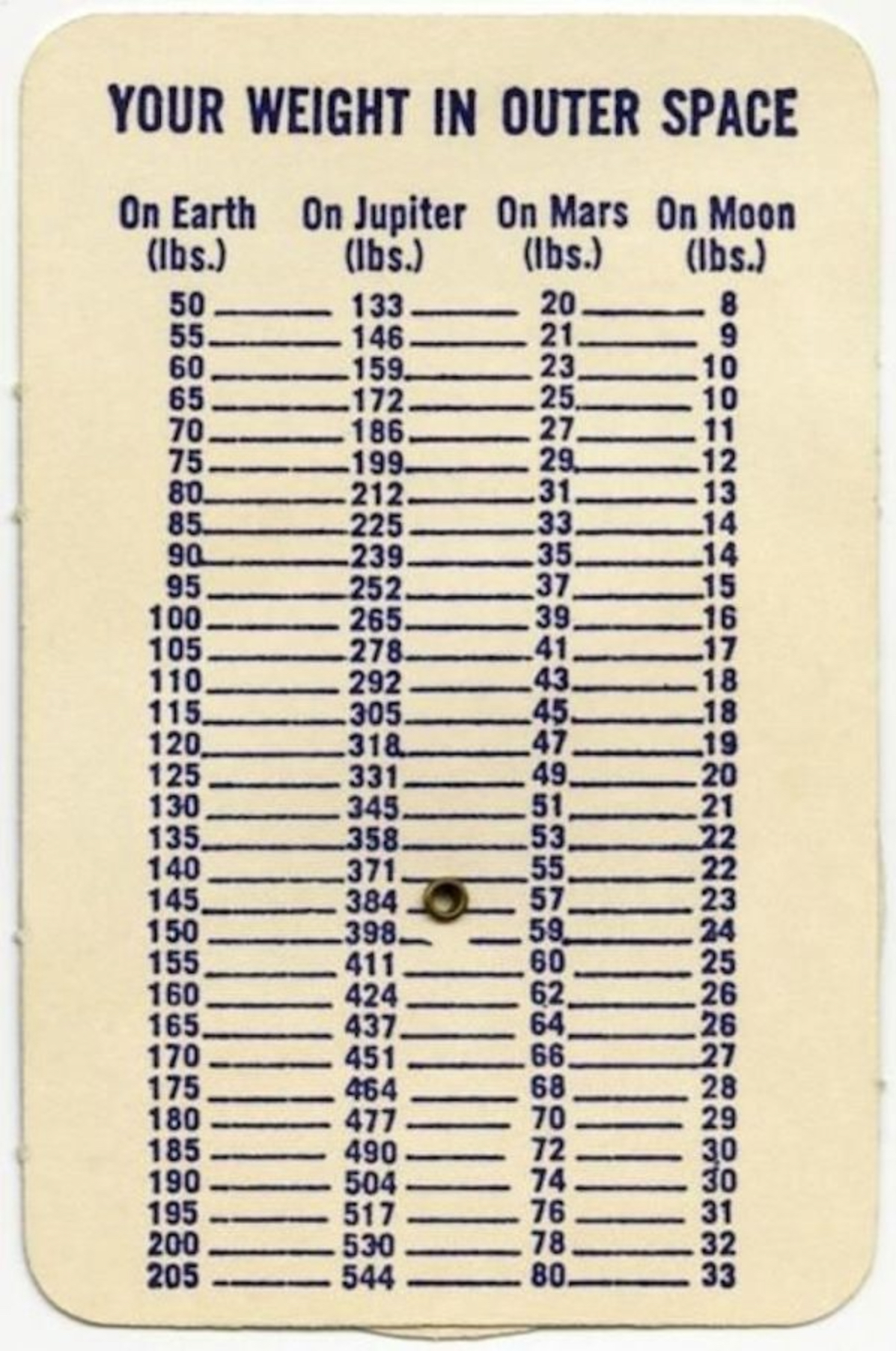
Which brings me to today’s charming bit of ephemera, a handy chart of weights in outer space.

Bad news: the cat weighs over 16 pounds on Earth.

Good news: That’s not nearly as much as he would weigh on Jupiter, where he’d clock in around 42 pounds.

And the Lunar economy must be swimming in Moonzempic because Chewie would weigh a sparse two and a half pounds there. (Kidding! It’s a gravity thing, not a weight-loss tourism thing.)

Sadly, until we pack up and decamp for the Moon, our kitty weight odyssey continues!

* * *

Not our cat, who is too busy sleeping off lunch to pose for a picture.
Photo by Lina Angelov on Unsplash

Read Full Post »

That Explains It

We woke to hazy, yellow skies and multiple air quality warnings. Putting the trash out was an odd experience. The morning air smelled like a winter’s night by a wood-burning fireplace. In June.

While still dry from the recent heat wave, Ottawa is not on fire but a lot of the areas around us are. Many of those places are upwind.

The internet may be a hive of scum and villainy but I do love that it has a map for everything. Searching for “wildfire smoke map ontario” brought me to this informative site:

Smoke Forecast – FireSmoke.ca

Well, that explains it.

Ottawa’s air quality is currently rated a 7, or high risk. What does that mean?

At-Risk Population:

  • Avoid strenuous activities outdoors. Children and the elderly should also avoid outdoor physical exertion.
  • Find out if you are at risk

General Population:

  • Reduce or reschedule strenuous activities outdoors, especially if you experience symptoms such as coughing and throat irritation.
— Ottawa, Ontario – Air Quality Health Index (AQHI) – Environment Canada

In good-ish news, a high-quality mask will provide a reasonable level of protection against smoke and its particulates. As a population, we are much better equipped for such events than we were pre-pandemic so, I guess that’s something?

I also see that the smoke is blowing south to the States. Sorry, family. 

Stay healthy, stay safe!

* * *

Photo by Jason Leung on Unsplash

Read Full Post »

In case you’ve ever wondered how to cure idiopathic persistent singultus, and really, who hasn’t? 

How to (Actually) Stop Hiccups – The Atlantic

First, exhale completely, then inhale a deep breath. Wait 10 seconds, then—without exhaling—inhale a little more. Wait another five seconds, then top up the breath again. Finally, exhale. Generally, you will find that your singultus is gone.

* * *

Photo by krakenimages on Unsplash

Read Full Post »

I’m happy it’s Friday and I’m looking forward to making the most of the weekend. I can’t, of course, do that if I’m creaky from hours at the computer. (As a writer with a computer-facing day job, let’s face it, I usually am.)

We also have “move a couch” on tomorrow’s social calendar so I want to be ready.

Ok, ready-ish.

NPR recently showcased four simple exercises by Vinh Pham designed to help ward off physical pain by extending your range of motion and increasing flexibility. 

After a day of intensive computer time some of these exercises hurt just to look at, but they’re really just stretches and I should still do them. You might appreciate them too.

This 15-minute exercise can help ‘futureproof’ your body from chronic pain

What if there was a way to stop chronic pain in your body before it strikes?

* * *

Photo by Timo Volz on Unsplash

Read Full Post »

Today is booster shot day!

* * *

Photo by Akshay Nanavati on Unsplash

Read Full Post »

Ok, Google, now this is cool:) For anyone who has ever wanted to take the long (very long) view, there’s a new tool from Google.*

The Google Earth Engine gives users access to satellite imagery from as far back as 1984, and to build timelapse imagery that capture changes across the years.

Google Earth Engine combines a multi-petabyte catalog of satellite imagery and geospatial datasets with planetary-scale analysis capabilities and makes it available for scientists, researchers, and developers to detect changes, map trends, and quantify differences on the Earth’s surface.

Want to see what a timelapse looks like? Here is a short introductory video:

Want to make your own? No problem. Explore the built-in Timelapse features, integrate ready-to-use datasets on demographics, climate, imagery and more, or use your own code. (Check out the case studies from a variety of organizations focused on climate, health, and science, including this one on malaria risk mapping.)

You can also set up a tour to view more than one location. It’s fun, educational, persuasive, and easy to use. And because it’s Google, all this goodness is freely available. Now that U.S. government data may become less accessible, people and organizations interested in the long view need all the access they can get.


* Sadly, I’m not affiliated with Google, just a fan. Although like MIT and Slate and Scout and ASU (among others), Google would be a terrific sponsor for thoughtful new science fiction, don’t you think?

Read Full Post »

Because we all deserve healthcare. Check out HealthCare.gov for more information on 2017 open enrollment. Even better, eight out of ten people who enroll through HC.gov get financial help!

The Affordable Care Act protects people with pre-existing conditions, covers adult children on their parents’ plans until age 26, provides access to preventative care coverage, and more. It covers aging joints and catastrophic illness if you’re older, and if you’re young and healthy and devil-may-care, well… Obamacare would also cover you if you’re just riding your motorcycle down the street and get T-boned by a car. Just saying:p

Because a great country protects its people.

Read Full Post »

“Okay, this is the wisdom. First, time spent on reconnaissanse is never wasted. Second, almost anything can be improved with the addition of bacon. And finally, there is no problem on Earth that can’t be ameliorated by a hot bath and a cup of tea.”
― Jasper Fforde

I love Jasper Fforde‘s work, and some days a good book filled with witty humor and amusing characters are exactly what one needs to perk up. But if the week’s been rough and a book (or bacon or a bath or tea) don’t work, here’s advice from someone who should know, Dr. Mike Evans.

Dr. Evans is a physician and scientist who also puts together terrific animated explainers on health topics for the rest of us. The one I’ll bring to your attention today, dear readers, is perhaps perfect for a Wednesday:


Now, my week is going ok. Or at least not bad. I’m getting things done (although not as much as I’d like) and I’m thinking hard about ongoing projects (why are they still “ongoing”? get to it, Johnson!) and charting out goals and cooking up ideas and recipes. (In fact, I’m so embroiled that I had a hard time settling on one topic to write about. Maybe tomorrow you’ll get that essay on The Great British Baking Show or the migratory mating habits of the Feathered Frangolian Flowers of Planet P;)

Still. Sometimes you just have a bad week. For those of us who spend a lot of time working in our heads, in particular, a little external perspective can come in handy.

Once you’re back on track, Dr. Evans also has another great video useful even in weeks where things are going swimmingly:


Because health reasons!

And if none of that works, well, there’s always cake:)

Read Full Post »